
Commercial Roofing in Durant, IA
Commercial roof repair, replacement and maintenance in Durant, IA, with plain walkthroughs, written condition reports and round-the-clock storm response.
The owner is two counties away when the tenant calls. Water is on the floor, the landlord needs a photo of the roof, and nobody has the hatch key. That is a work order we are ready for in Durant, IA, a town that spans Cedar, Muscatine and Scott counties.
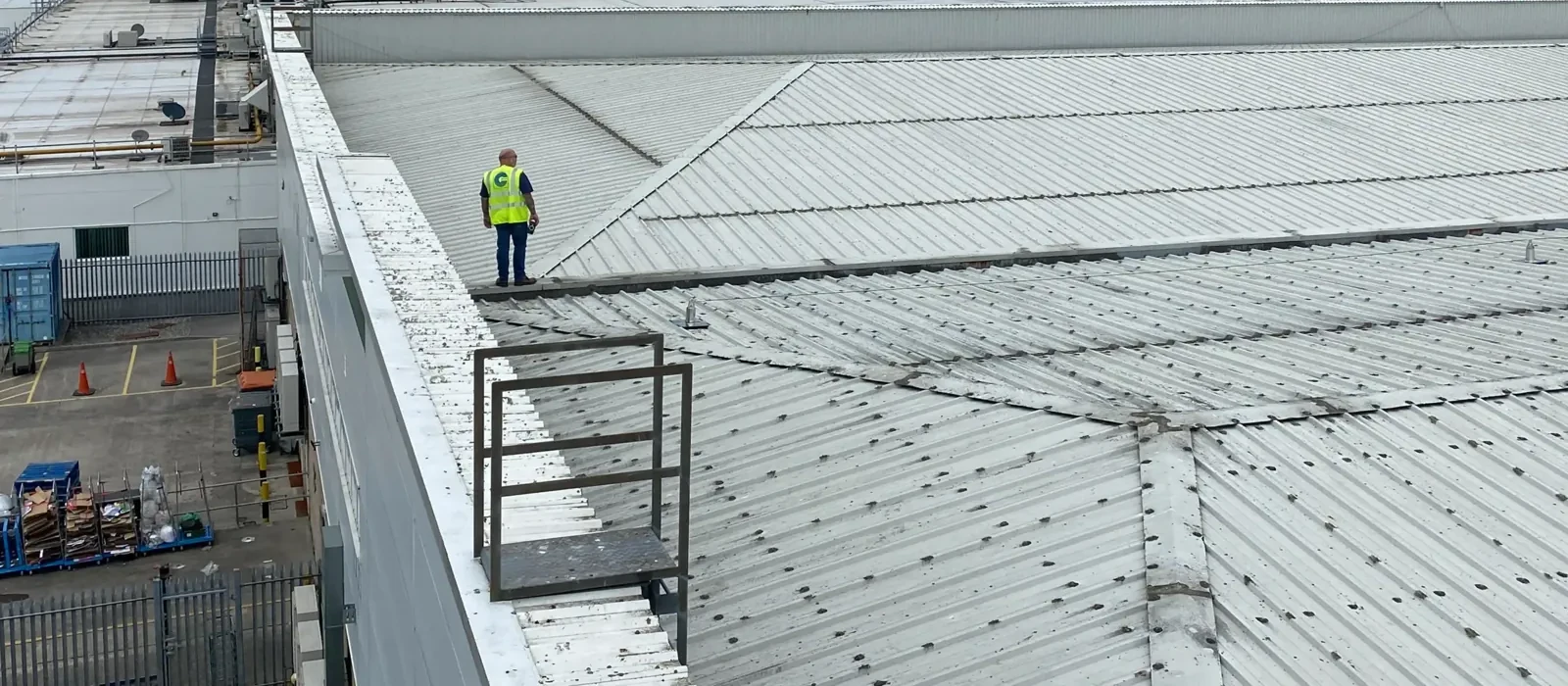
We send a crew up with whoever can open the roof, take photos of the drains, seams, flashings and curbs, and send you a short written call the same day: patch it, watch it, or put the larger project on the calendar. Before anyone prices a fix, we establish what is actually on the roof and how many layers sit under it. A commercial roof inspection puts that answer on paper.
Which Weather Record Applies
The Scott County portion of Durant is part of the Quad Cities metro, and the nearest recorded storm data is Davenport's. Treat those numbers as a guide, not a measurement of any one roof. Hail has been reported 133 times near the center of Davenport since 2004, and the stones on April 4, 2023 measured two and a half inches across. In the August 2020 derecho, Davenport Municipal Airport read 86 mph.
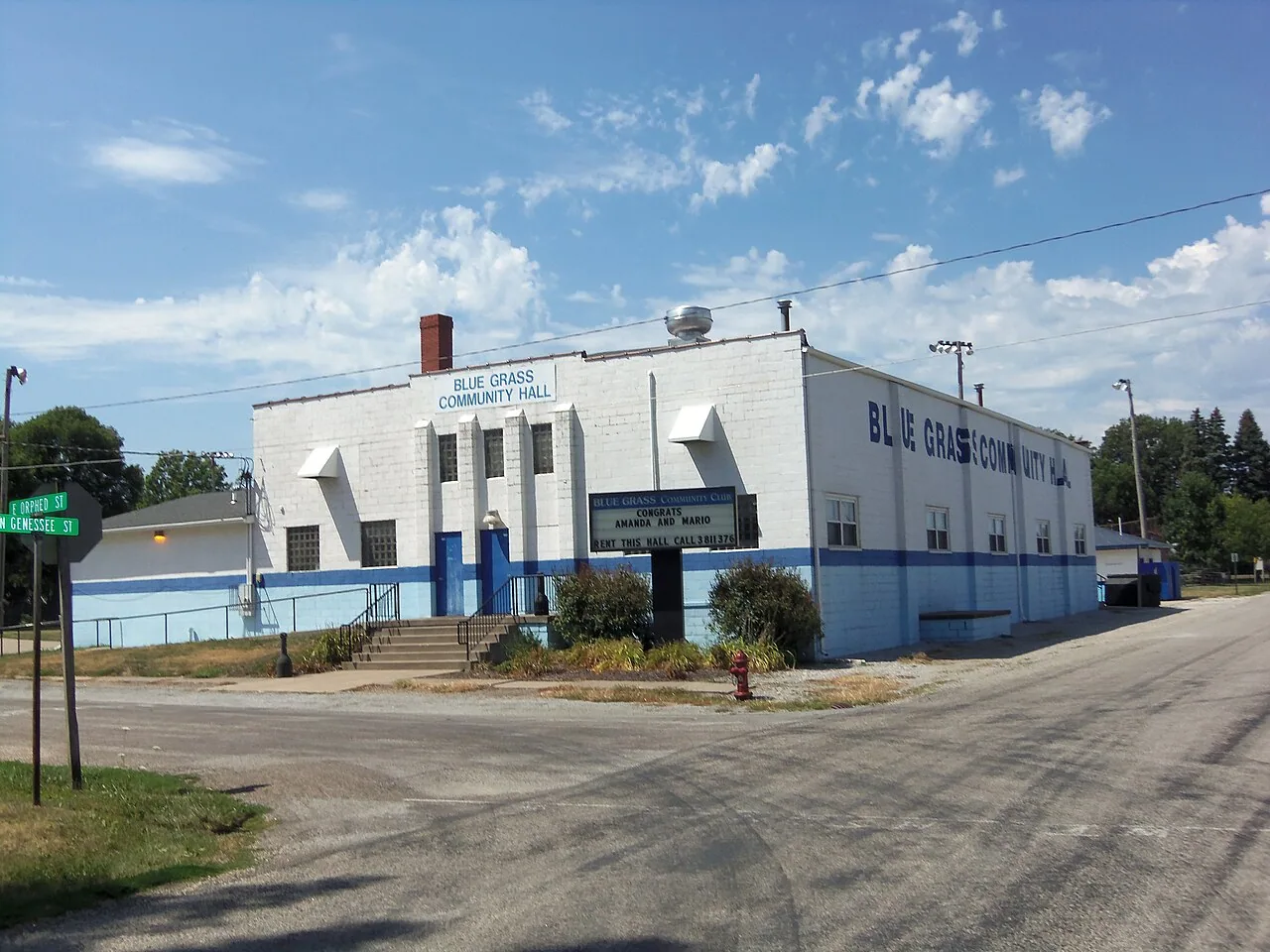
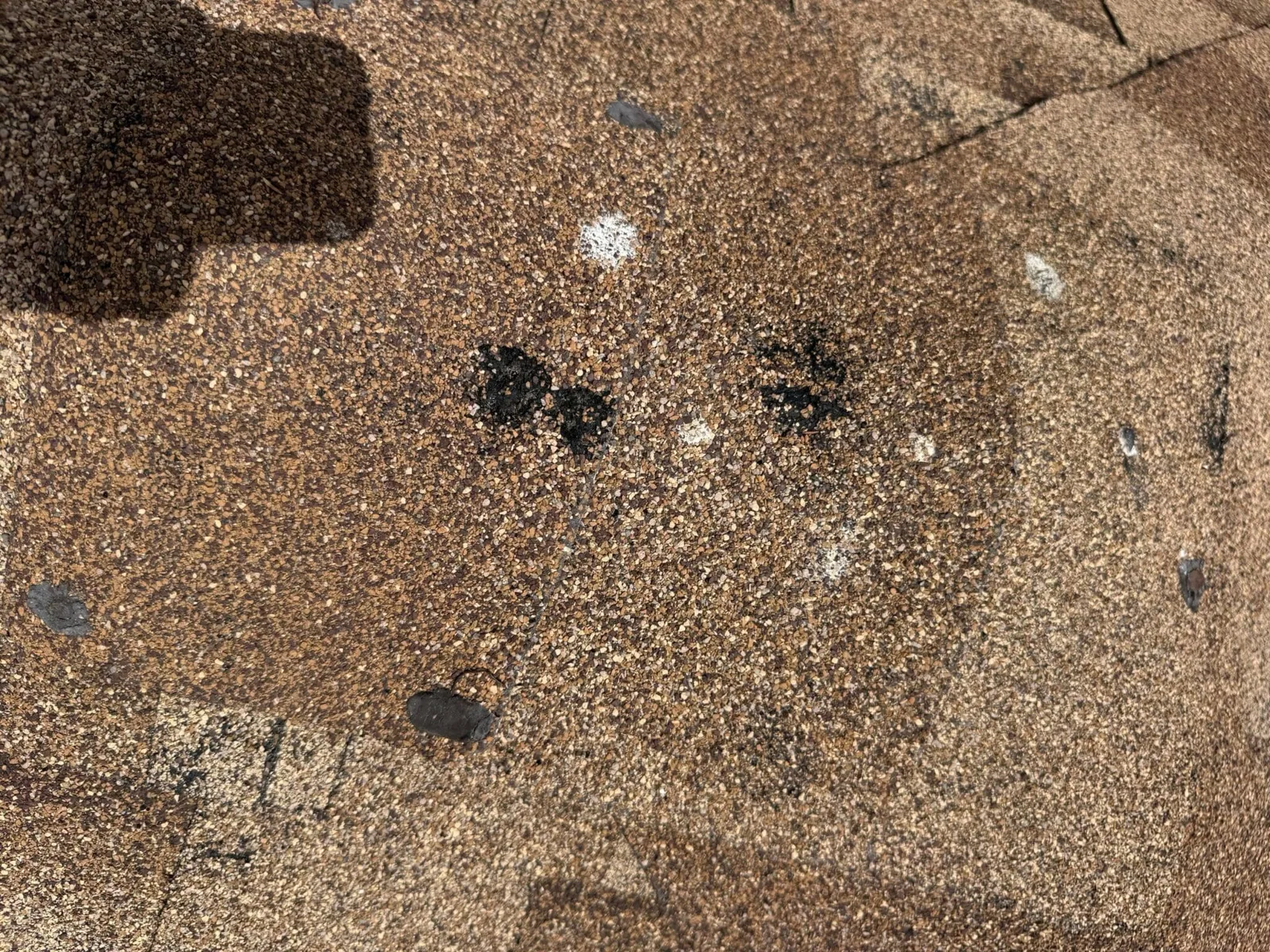
The July 11, 2025 EF-2 tornado cut a seven-mile line through Davenport, beginning southeast of Blue Grass and finishing near Kimberly Road. None of that proves anything about a roof in Durant. It does tell an owner what the region can throw at a roof, and that a walk after a storm is cheap compared to a surprise leak. We check hail damage by looking for bruised membrane, dented metal and cracked coatings, with photos kept for an insurer.
Roofs Nobody Documented
The Rock Island Railroad reached Durant in 1855. Whatever the age of a building an owner buys or inherits here, the roof's age is the first unknown. It may have been replaced recently. It may be a patchwork of layers that nobody documented.
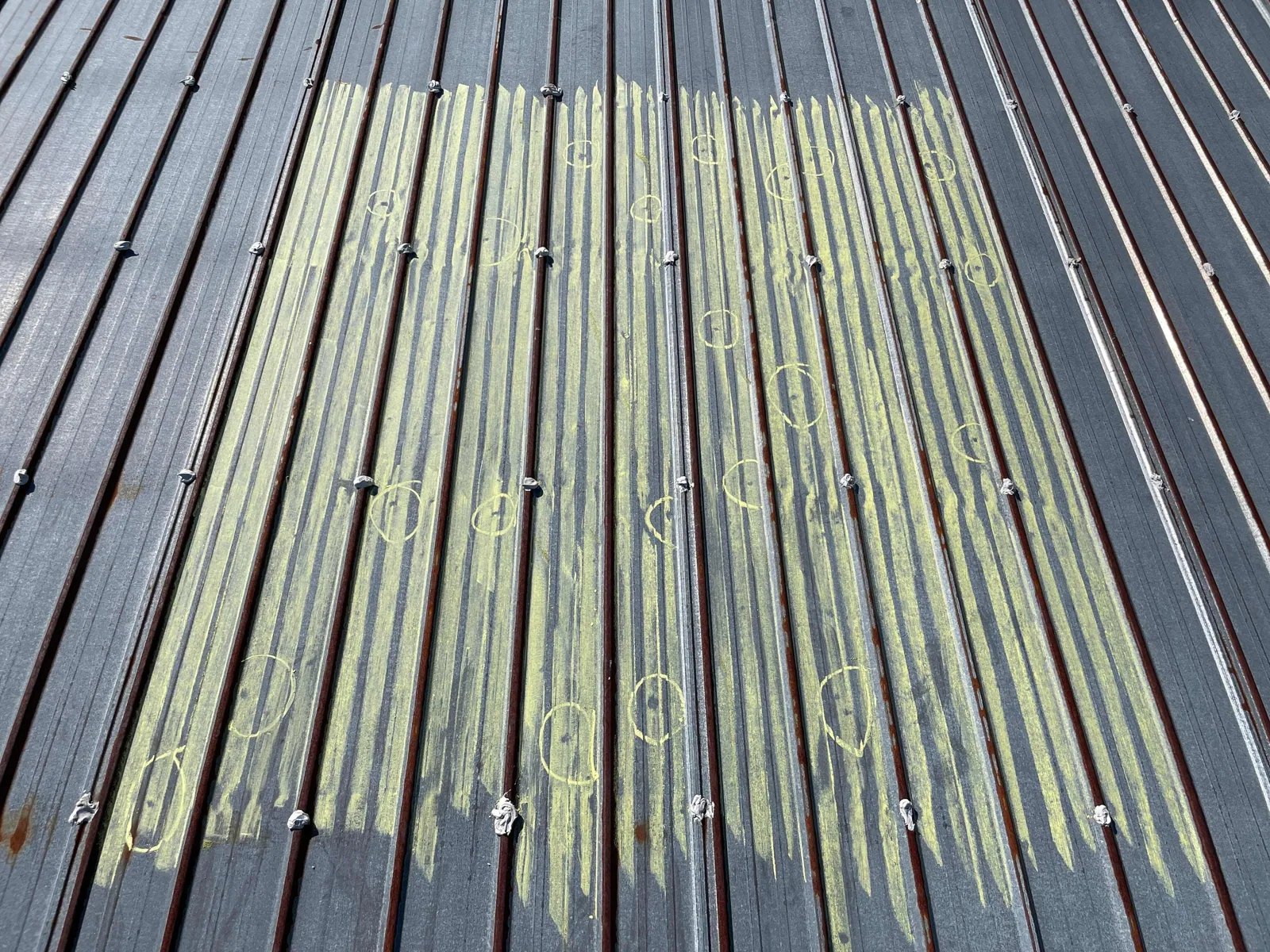
We ask three questions on the first visit. How many layers are on the deck? What is under the top membrane? Is the insulation dry? Test cores and an infrared scan answer them in an afternoon, and the answer drives everything else. A roof with a sound deck and dry insulation may last on repair and coating. A roof with several wet layers is a replacement. A roof condition report puts those findings on paper, with photos and a ranking of what to do first.
Curbs, Vents and the Added Unit
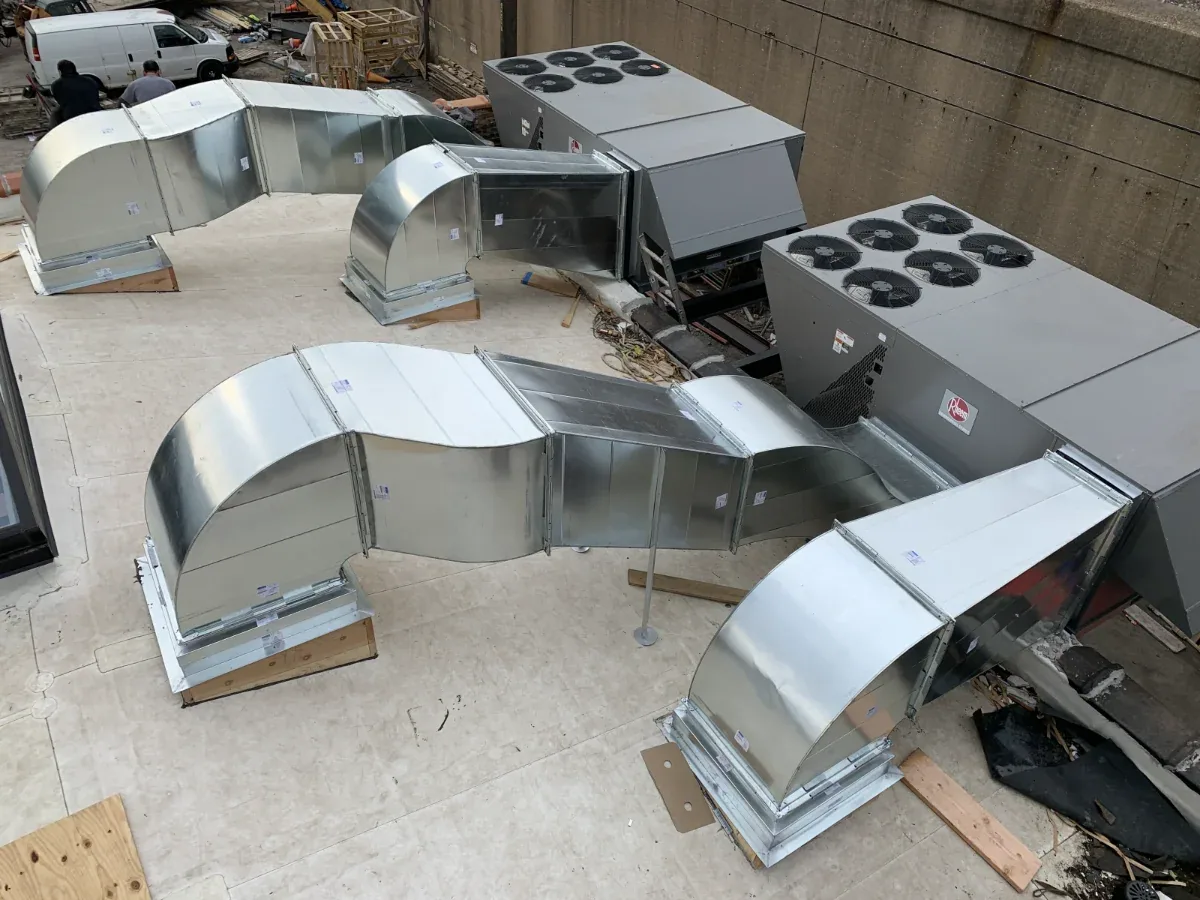
When a space changes tenants, the roof often changes too. A new rooftop unit, a relocated exhaust fan, a fresh set of cable penetrations. Each one is a hole in the membrane, and each hole is a place where the flashing has to be right.
The first thing we check is how the unit sits. A curb that was built too low lets water pool around the base. A pipe boot that cracked in the sun lets water run down the pipe into the ceiling. A support rail with no pad wears through the membrane over time. We repair these with the right flashing for the roof system, and we talk to the HVAC contractor so the next service visit does not undo it. We handle rooftop equipment curbs and supports as one job: the curb, the pad and the sealing in a single pass.
The One-Building Budget
An owner of one or two buildings in a town of 1,871 people rarely has a roof team. That owner needs a simple routine.
The plan looks like this. A walk each spring and fall, a short list of what was found, and a repair that fixes the item before it spreads. Keep the photos and the invoices in one folder, so a future buyer, lender or insurer can see the history. A preventive roof maintenance visit costs far less than an interior repair, and it tells you early when the replacement year is approaching so the budget can catch up. If a sale is two or three years away, the folder is part of the sale price.
Weather Windows and Cost Drivers
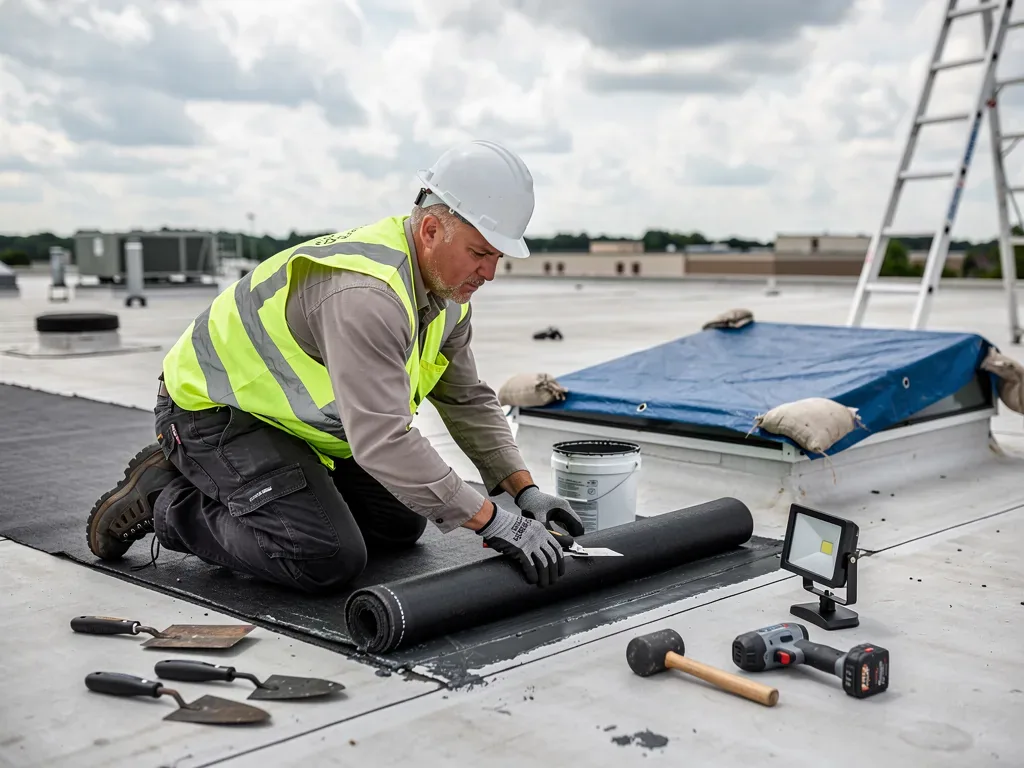
Single-ply and modified roofs install best in mild weather. Davenport's weather history spans 111 F to -29 F, so hot-weather work and cold-weather work each carry limits. Adhesives and seam welding behave differently on a hot deck than on a cold one, and the schedule should leave room for a rain day.
Cost moves with roof area, access, layers to remove, wet insulation, curb and flashing count, disposal, and the time of year. A crane day or a long haul adds to the bill. If you are filing a claim, a roof insurance claim file with dated photos and a written scope gives the adjuster what they need and helps hold the number to the actual damage.
Before materials arrive, confirm the staging footprint, delivery window and path from the lift to the roof hatch. On a property in Wilton, record the route with the site contact so delivery and roof access stay coordinated.
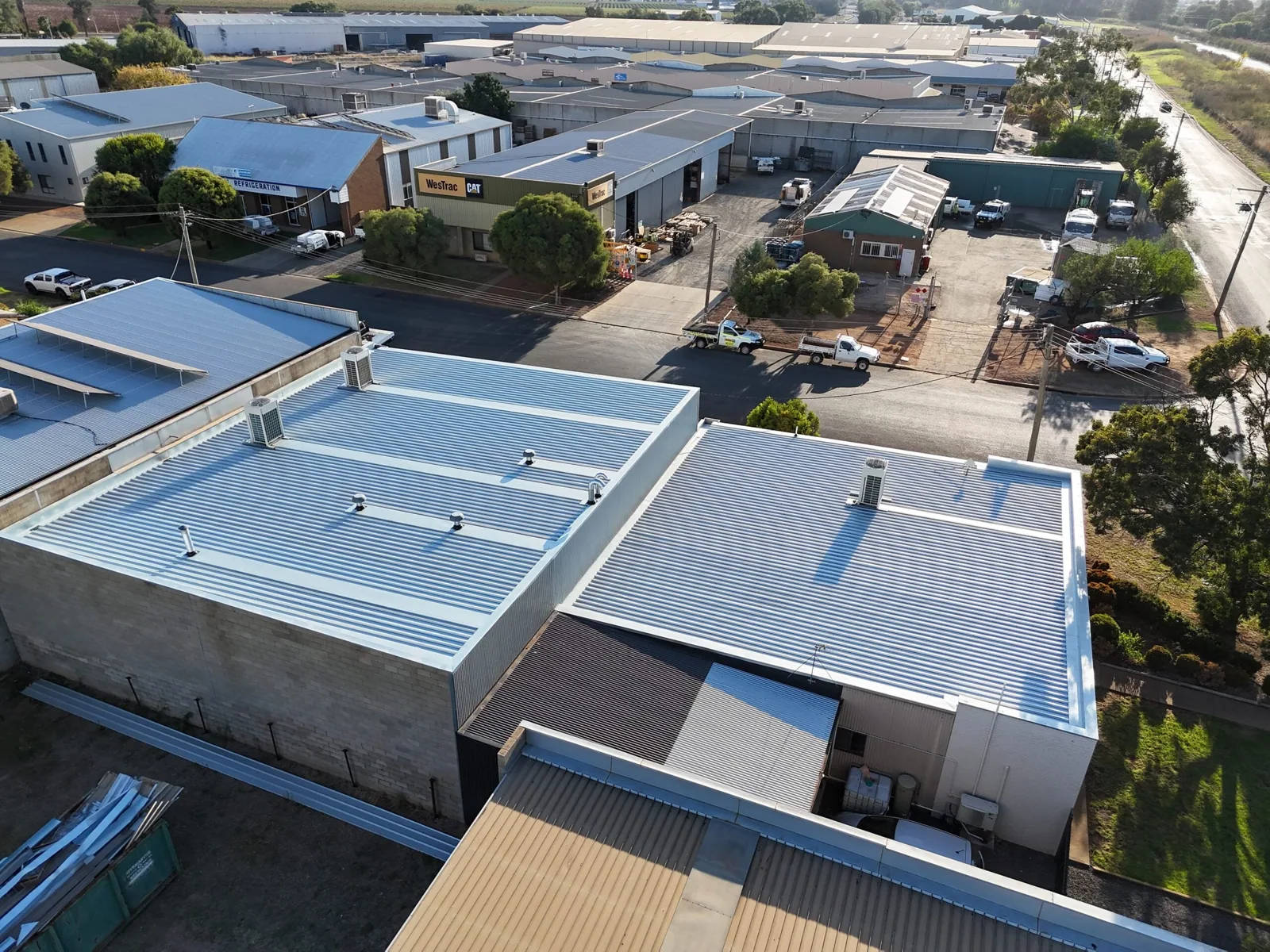
A Durant roof review should connect the interior complaint to a marked roof bay. We note whether the building is a shop, office or storage space, because equipment access and the cost of an interruption differ. On low-slope sections, drains and membrane transitions are checked together; on exposed metal, fasteners and laps get a closer look. That gives the owner a repair path tied to the building's actual system instead of a generic town-wide recommendation.

Send the Work Order
Send the address, the tenant contact and a photo of the stain, or set a walkthrough with whoever has the roof hatch key. We will send photos and a plain recommendation the same day.
Questions About Durant
The owner lives out of town and the tenant just reported a leak. How does the first visit work?
Send us the tenant's name and a phone number, and tell us who can open the roof. We go up, photograph the drains, seams and flashing near the stain, and email you the same day with a plain recommendation. If it is a quick fix, we can quote it from the photos.
Hail hit Davenport last spring. Does that put our Durant roof at risk too?
It can, but hail falls in narrow bands and the Davenport count describes Davenport. The right step is a walk of the roof. We check for dented vents, bruised membrane and cracked coating, and we photograph each find with a date. If nothing turns up, you have a clean file. If something does, you have a record for the carrier.
A tenant moved a rooftop unit and the area around it has been damp ever since. What gets checked?
Look at the curb and the flashing first. A new curb may sit too low, or the old one may have been cut and patched. Then we check the old penetrations for leftover holes. If the insulation around the unit is wet, we replace that section before we rebuild the curb.
We have no paperwork on this roof. What does a first report contain?
Photos, a layer count from test cores, the type of membrane, the condition of the seams and flashings, and a moisture scan result. We rank the findings by urgency, so the leak you see today goes first and the aging that can wait goes second. You also get a rough remaining-life estimate to plan the budget.
Our roof has a few old patches but is mostly sound. Is a coating realistic?
Often, if the insulation under the patches is dry. A coating needs a clean, sound surface, so we repair seams, replace failed flashing, and test for moisture before anyone mixes a bucket. If the cores show wet layers, a coating only hides the problem and replacement is the right answer.
Talk to a Davenport Commercial Roofer
Send the work order, the building address or a few photos of what you are seeing. We will set a walkthrough, go up with whoever has the hatch key, and tell you plainly what the roof needs.