
Roof Recover and Overlay in Davenport, IA
Recover a commercial roof in Davenport, IA without a full tear-off, once moisture, code and load checks say the existing roof can carry a new membrane.
Somebody from maintenance has already pulled a core and set the wet insulation on the loading dock. Now the question is whether the building can skip a tear-off.
Sometimes it can. A recover puts a new membrane over the existing roof, which saves disposal, shortens the schedule and keeps less noise and debris over the people working below. In Davenport, IA it only works when the roof underneath is dry, flat enough, and allowed by code. We check all three before we talk price.
Three Gates a Recover Must Pass
A recover is a yes or no decision, and the answer comes from the existing roof, not from the budget.
- Moisture. The insulation and deck must be dry or close to it. A new membrane over wet insulation traps the water and shortens the life of both layers.
- Code. Davenport has adopted the 2021 International Existing Building Code with local amendments, and the number of roof layers and the added weight are among the things the building department reviews.
- Structure. The deck and framing must carry the added dead load, plus snow. Snow in the Quad Cities adds up past 36 inches in a normal year, so winter loading is part of the math.
If any gate fails, we say so, and we price a tear-off instead.
Proving the Roof Is Dry
Guessing does not work here. A roof can look sound from the hatch and be soaked at the middle of the bay.
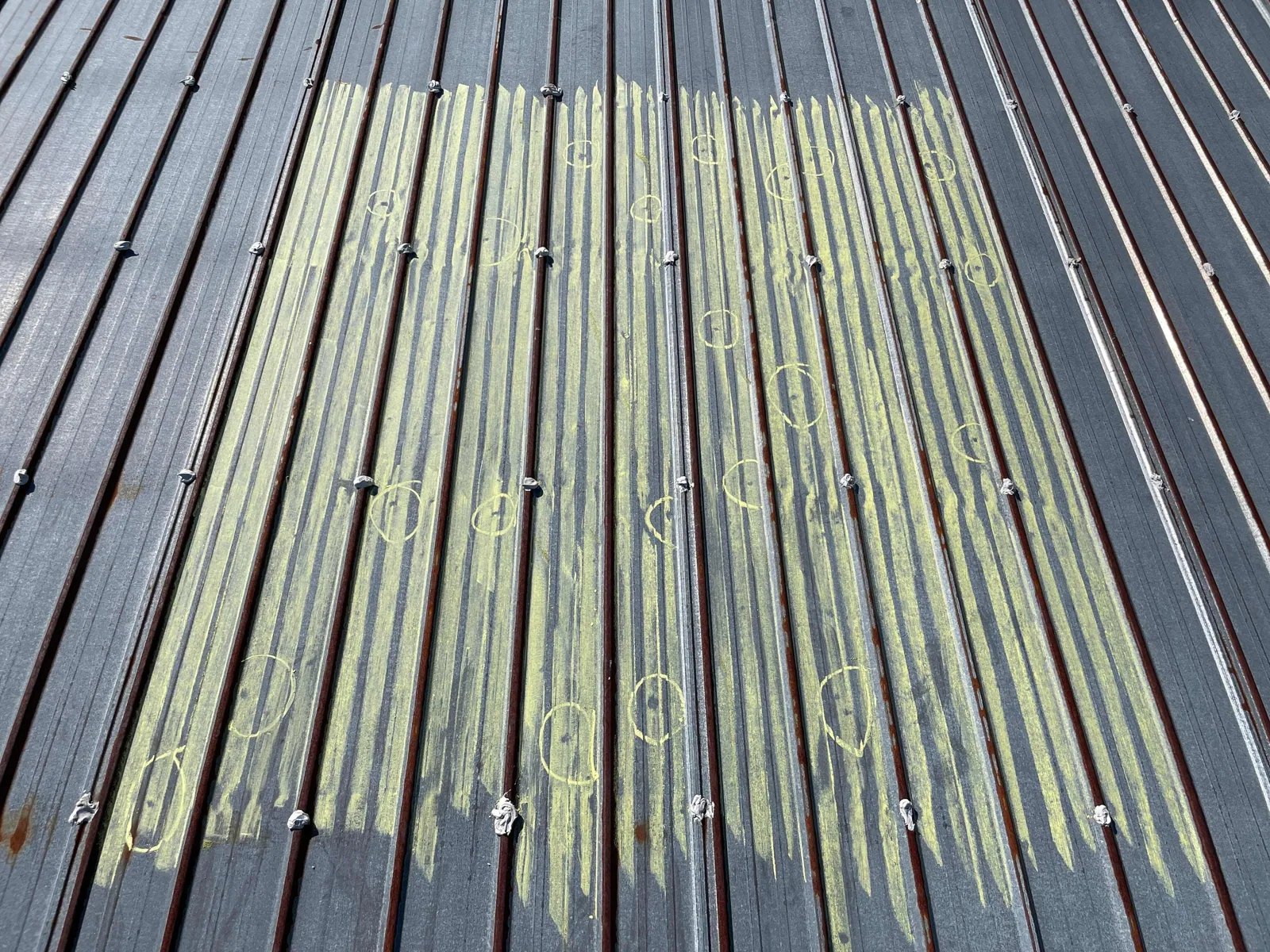
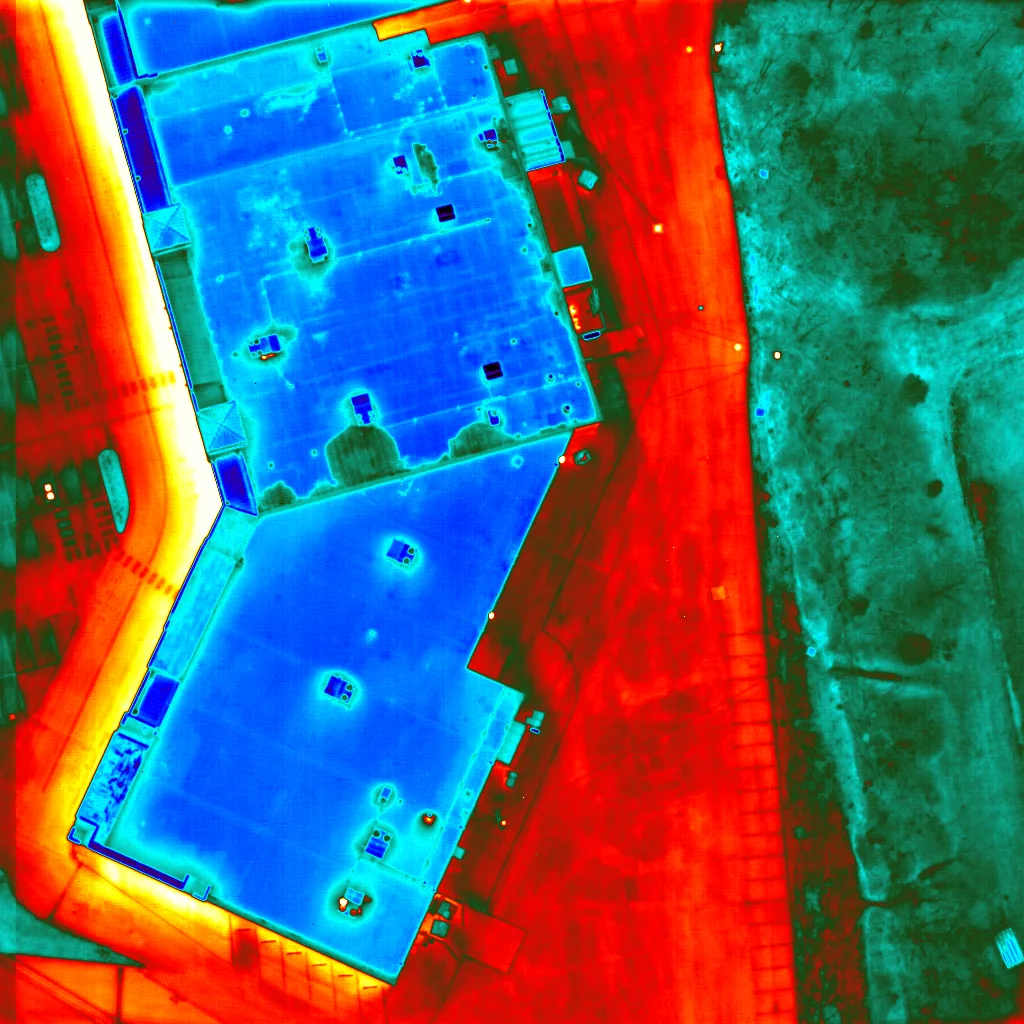
We start with an infrared moisture survey on a clear evening, when the roof gives back the day's heat unevenly over wet areas. Then we mark and cut cores at the cold spots and at a few control spots that look dry. Each core gets a photo and a note on layers, fasteners and condition. The map goes in your report, so you can see where the wet areas are and how much roof they cover.
Small wet areas can be cut out and replaced during the recover. Large ones mean the recover is off the table.
Mechanically Attached or Adhered Over Old
What goes on top depends on what is underneath.
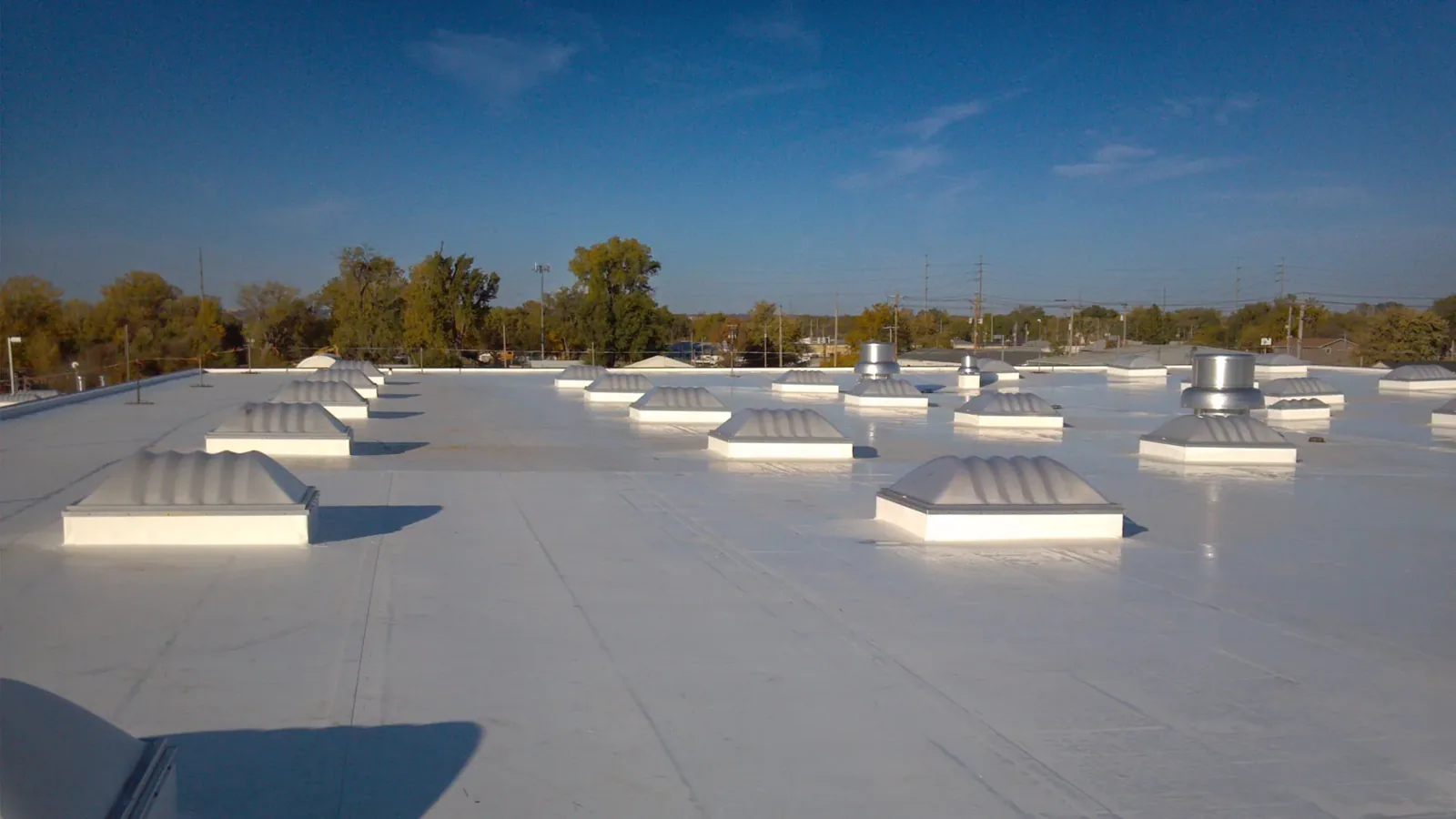
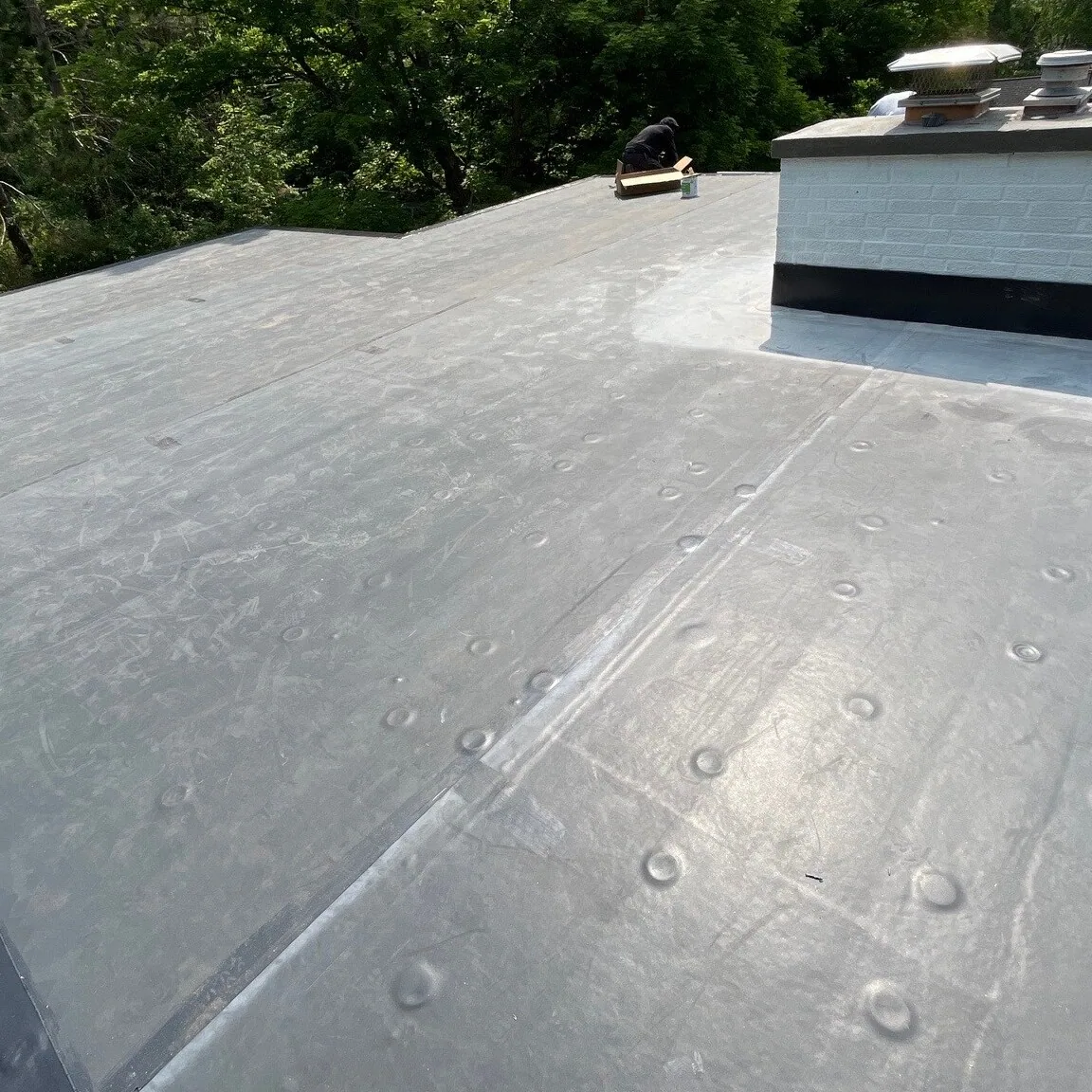
Over an old built-up or modified bitumen roof, we often install a layer of cover board first. That gives the new membrane a smooth, firm surface and protects it from the old roof's gravel or blisters. Over an old single-ply, the details change, since some membranes do not get along with the old one.
Common choices are TPO and EPDM, either mechanically fastened or fully adhered. Fastener patterns follow the wind uplift requirements for the building, and in a region where an 86 mph gust hit Davenport Municipal Airport in the August 2020 derecho, we confirm them against the code before we price the job.
Edges, Drains and Curbs
A new membrane sits higher than the old one. That sounds small. It is not.
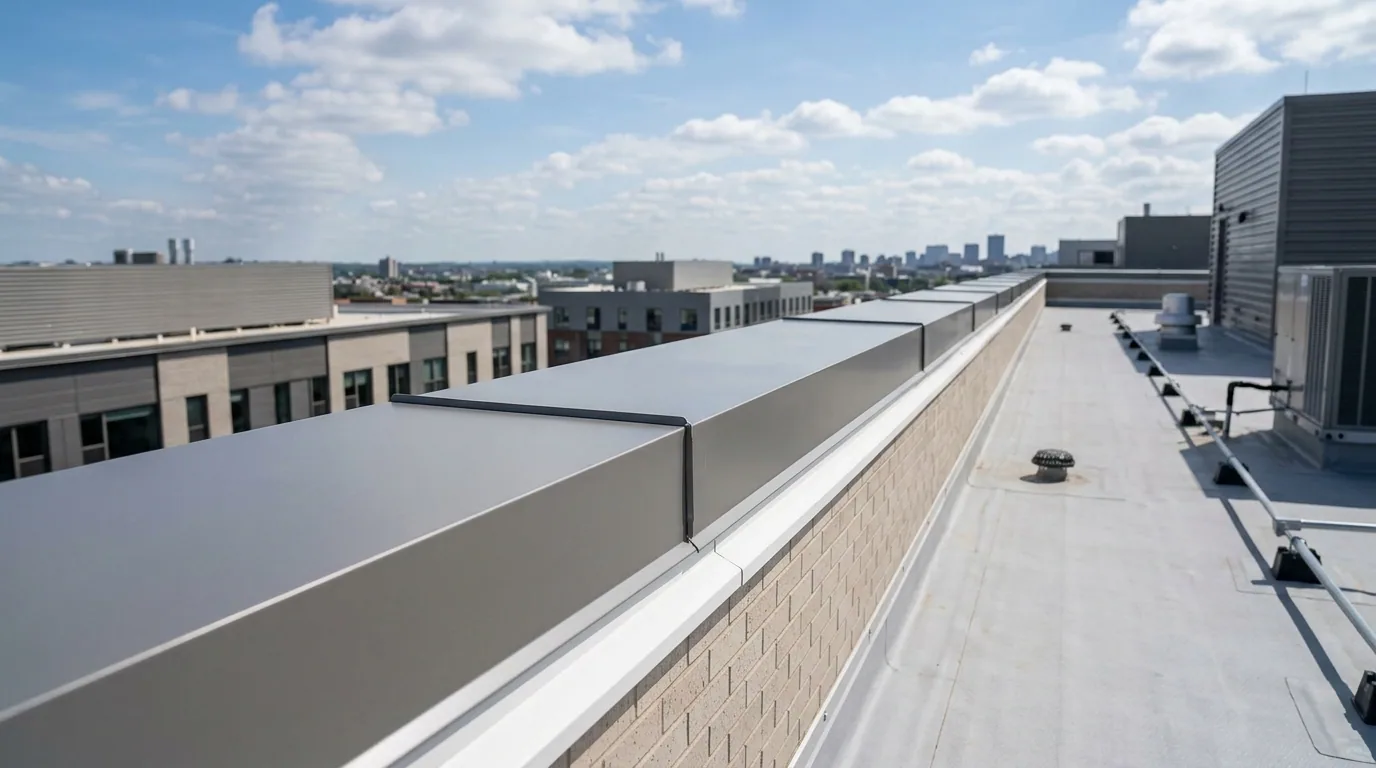
Drains have to be re-set so water actually reaches them. Curbs around rooftop units may need to be raised so the flashing height still meets the standard. Edge metal and coping often have to be replaced because the new roof pushes the old metal out of position. We walk every drain and curb with you and write down the ones that need work before the proposal goes out.
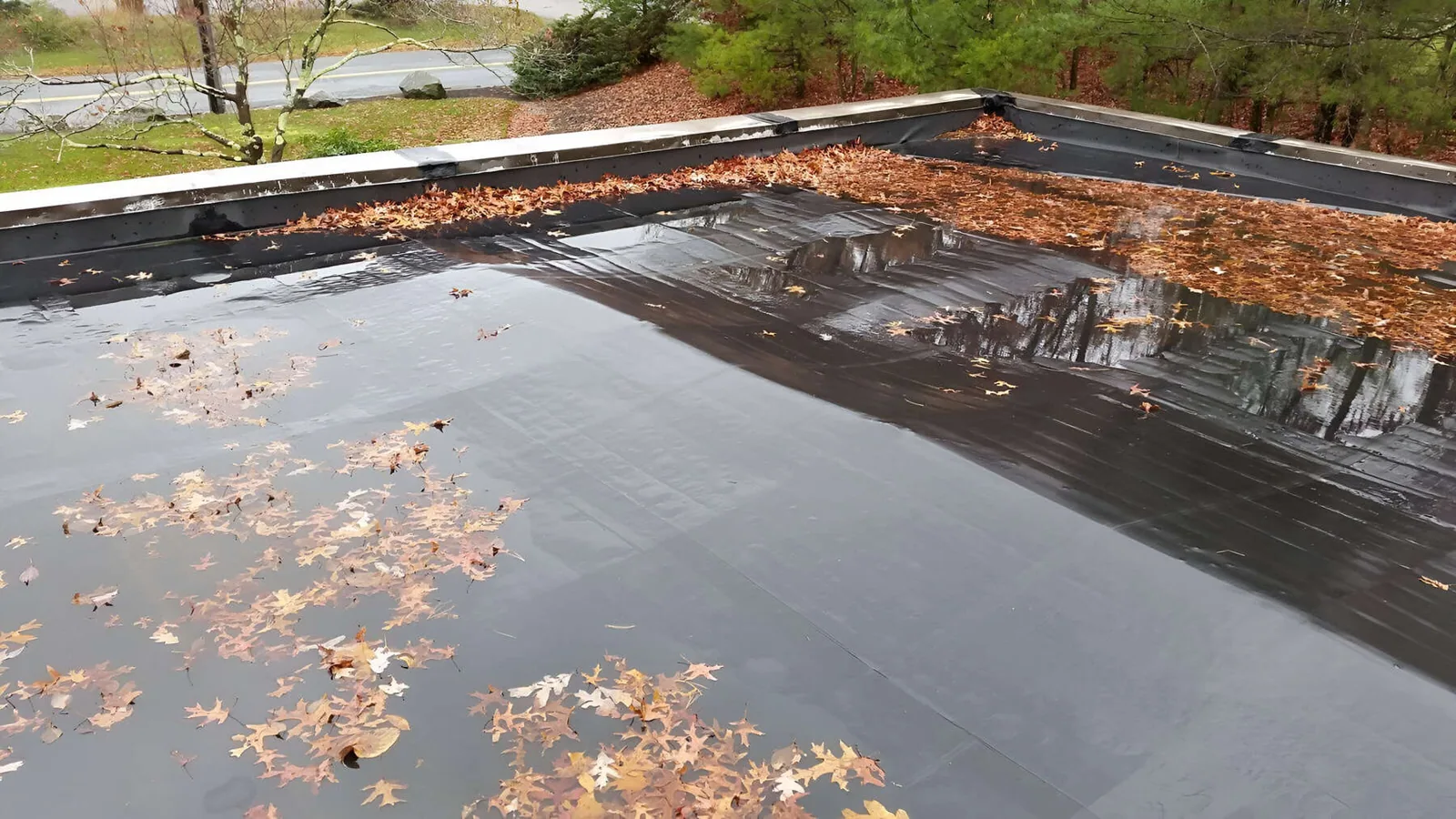
Ponding is the one thing a recover does not cure. A bay that already holds ponding water calls for tapered insulation, added drains or a tear-off.
Schedule and Disruption
The best thing about a recover is how it fits into a working building. With no tear-off, there is less debris and no open deck. Shifts in the plant below can keep running, and an office or clinic sees less disruption.
We still agree on access first. Who badges us in. Where the lift sets up. Which rooftop units stay on, and which can be shut down for a short window when we flash around them. The crew finishes each section the same day so the roof stays closed to the weather. The Eastern Iowa Industrial Center is mostly large low-slope manufacturing and warehouse buildings, and a recover on a warehouse roof like those can often go quicker than a tear-off, but the survey comes first.
Weather still matters. Adhesives and seam welding have temperature limits, and we plan around cold mornings and wet days instead of forcing the work. If a front is coming, the crew closes the section and waits.
What Comes After
A recover buys time. It is not a permanent fix, and it is usually the last layer the roof can take. We tell you that up front so the next decision is already on your capital calendar. When the recover reaches the end of its life, the building will need a full tear-off, and the plan for that should start years before the day it is needed. An annual roof inspection keeps the file up to date.
It also helps to ask what the recover will hide. A new membrane covers old patches, old repairs and old leak history. We photograph the existing roof before we cover it and keep those photos with your records, so the next contractor, or the next facilities manager, knows exactly what is under the surface and where the roof was wet in the past.
A recover estimate also needs a clear limit on what the new layer can solve. We map every existing repair, note soft areas and confirm that the old assembly is dry enough to cover. At the perimeter, the new membrane has to terminate without trapping water behind the edge metal. Those checks are where a low initial bid can change: saturated insulation, weak attachment or a detail that cannot be raised may call for selective removal or a full tear-off instead.
Set the Walkthrough
Send us the roof report or a photo of the core you pulled. We will set a walkthrough, run the moisture survey and tell you whether your building is a recover or a tear-off.
Questions About Roof Recover and Overlay
How many layers can a commercial roof have before a tear-off is required?
The answer depends on the code, the deck and the weight already in place. Davenport has adopted the 2021 International Existing Building Code with local amendments, and the building department decides what applies to your roof. In practice, a building that already has two layers is usually a tear-off candidate. We confirm this with the city before pricing so you are not surprised halfway through.
Is a recover cheaper than a full replacement?
Usually the upfront cost is lower, because there is no tear-off, less disposal and a shorter schedule. The tradeoff is that the old problems stay under the new roof. If moisture, deck damage or poor drainage are present, a recover can cost more over time. We lay out both options with the cost drivers named so you can compare them fairly.
What if the survey finds some wet insulation?
Small, isolated wet areas can be cut out and replaced as part of the recover, and the repair is mapped in your report. If wet areas are widespread, a recover is the wrong tool and we say so. We would rather give you a tear-off number now than a recover that fails in two winters.
Does a recover affect the warranty or the insurance?
It can. Manufacturers have their own rules about what they will cover when a roof goes over an existing one, and some insurers ask about the number of layers. We review the manufacturer's requirements for the system before we recommend it and put the answer in writing. Ask your carrier about layers as well, since policies vary.
Can you recover a metal roof?
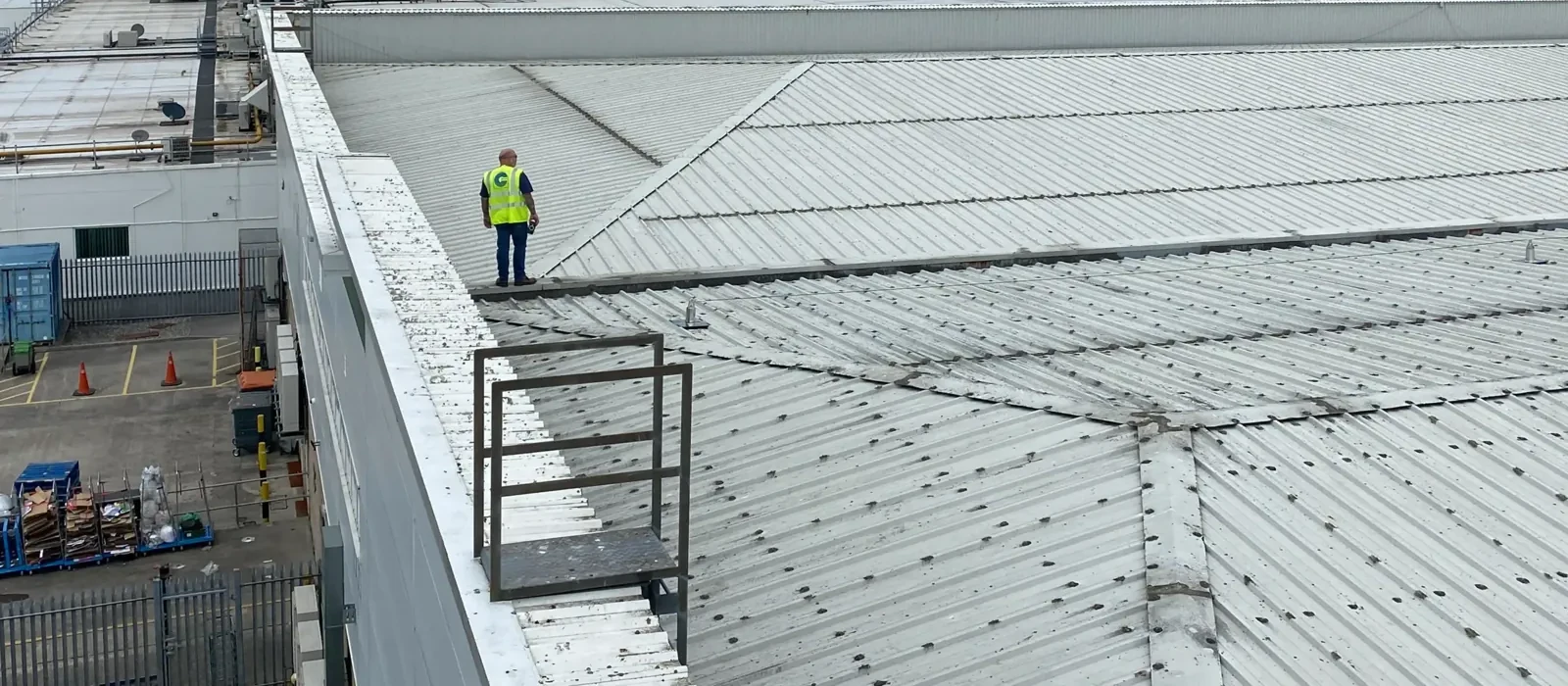
Often yes, with a retrofit framing system or a new panel over the old one, as long as the structure can carry it and the old panels are sound. We look at fasteners, rust and the condition of the purlins first. A metal roof retrofit is the usual way that is built.
Talk to a Davenport Commercial Roofer
Send the work order, the building address or a few photos of what you are seeing. We will set a walkthrough, go up with whoever has the hatch key, and tell you plainly what the roof needs.