
Commercial Roof Replacement in Davenport, IA
Full tear-off and replacement of commercial roofs in Davenport, IA, planned around your production schedule, tenants, access rules and winter loads.
The work order reads the same way every time. Third leak this year. Same dock. Maintenance has patched it twice.
At some point a patch stops being a repair and becomes a habit. That is when a facilities manager in Davenport, IA starts asking about replacement. We go up, look at what the roof has become, and tell you plainly whether it is time. If it is, the job is a tear-off to the deck, new insulation, a new membrane and new flashings, built in phases so the building keeps running.
The Replace-or-Repair Call
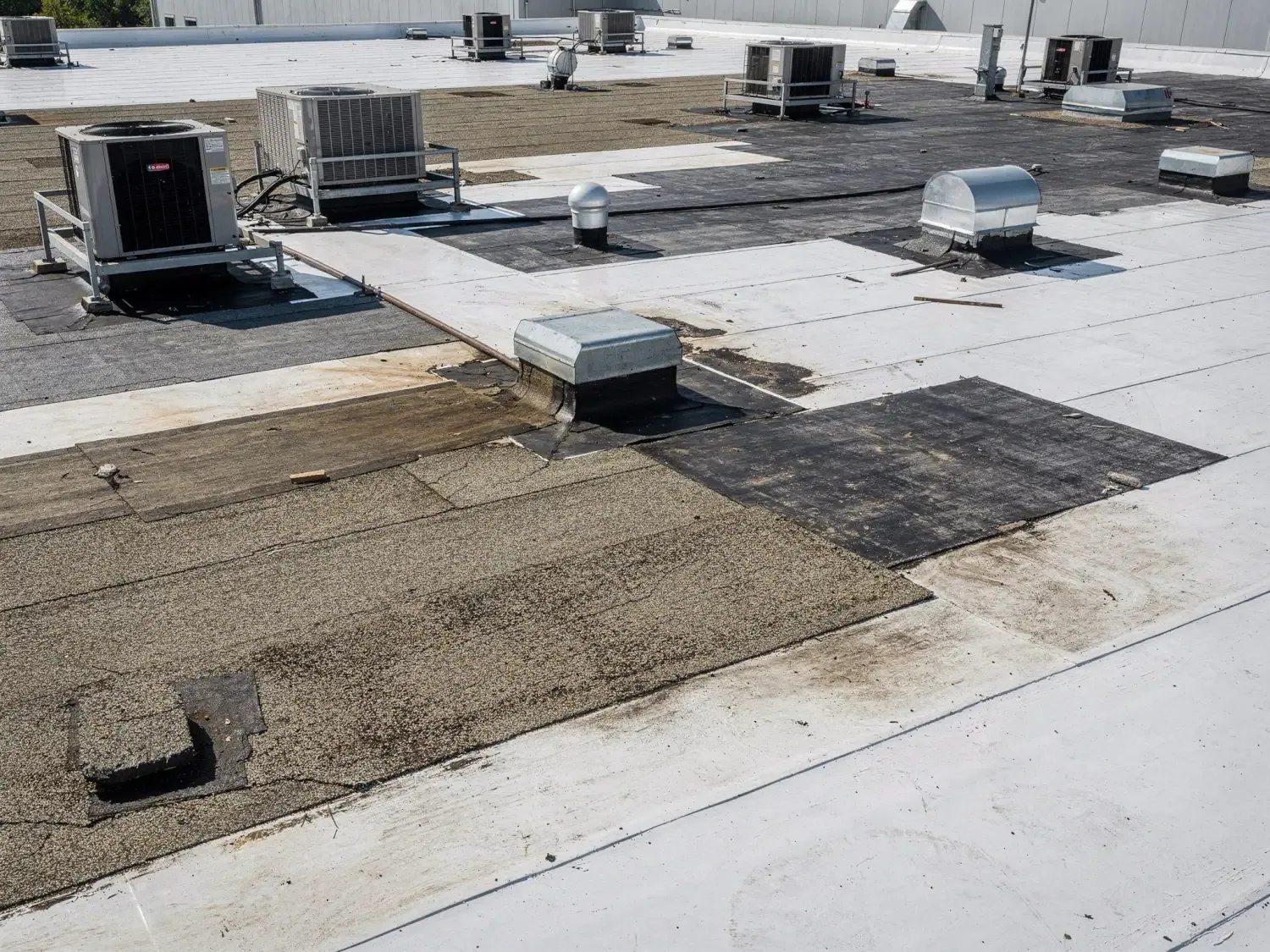
Replacement is not the first answer. We start with the roof you have. A membrane with sound seams and a few failed details is a repair job. A roof with wet insulation spread across several bays is not.
Three findings usually push the decision toward replacement:
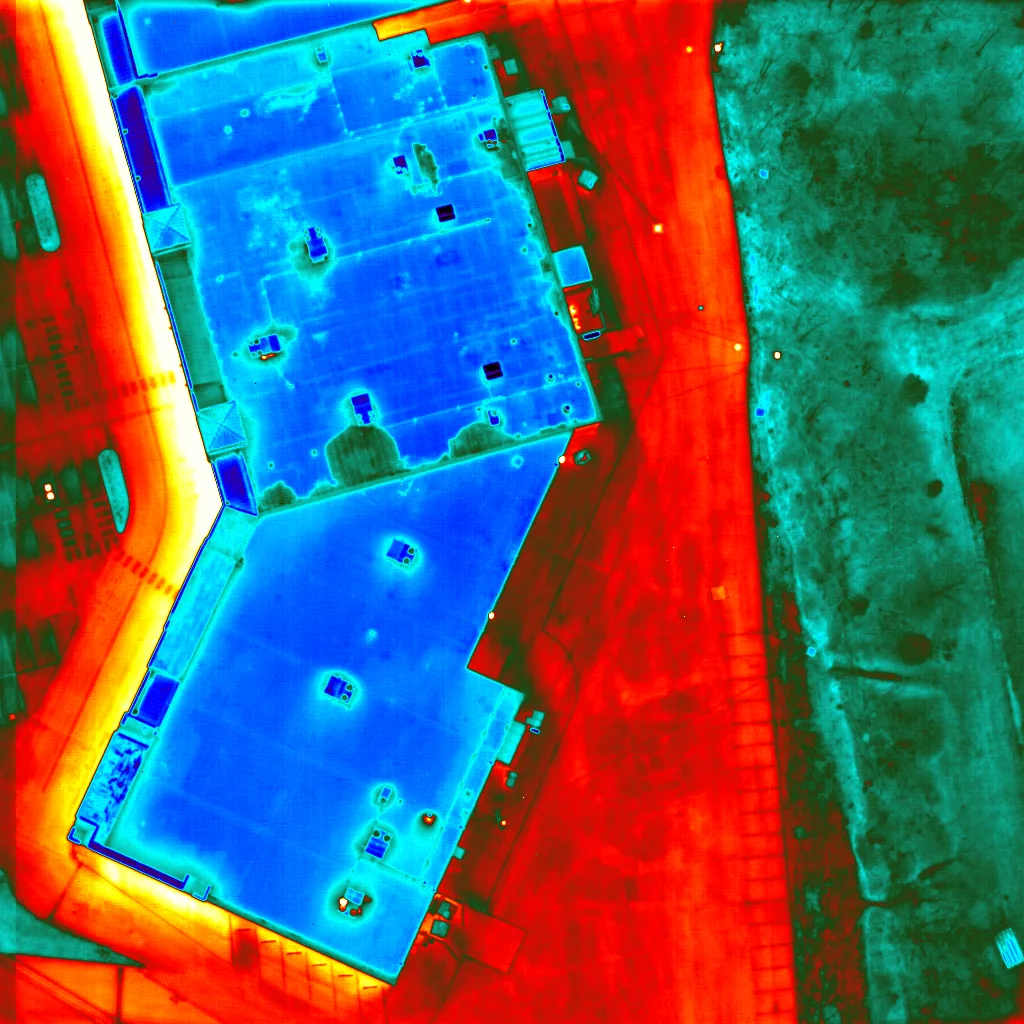
- Wet insulation in more than a few isolated spots, confirmed by an infrared moisture survey and core cuts.
- Seams and flashings failing faster than your crew can patch them.
- A membrane that has gone brittle, cracked at the laps, or lost its surface so the scrim shows.
If the roof is dry underneath and only the surface is tired, a recover over the existing roof may cost less and take fewer days. We lay out both options in writing with the tradeoffs.
What the Tear-Off Shows
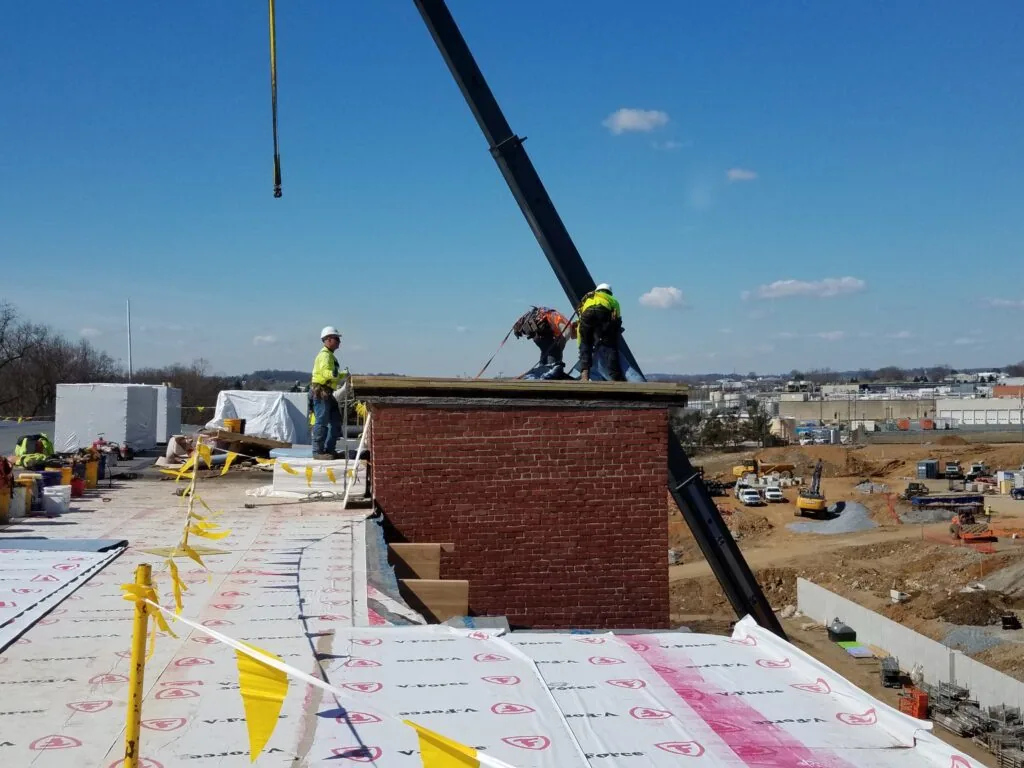
Nobody knows the true condition of a roof until the old layers come off. We plan for that. Photos of the deck go into the file as each section opens up.
Steel decks rust at the flutes under chronic leaks. Wood fiber decks soften. Poured and lightweight decks can hold water for years. Where the deck is bad, we repair it before the new system goes down, and we tell you the scope before we do the work, not on the invoice after. Unit pricing for deck repair goes into the proposal, so a bad deck is a priced line and not a change order.
Tear-off is also when we find out where the drains really are, how the old insulation was fastened, and which penetrations nobody has a drawing for.
Membrane and Insulation Choices
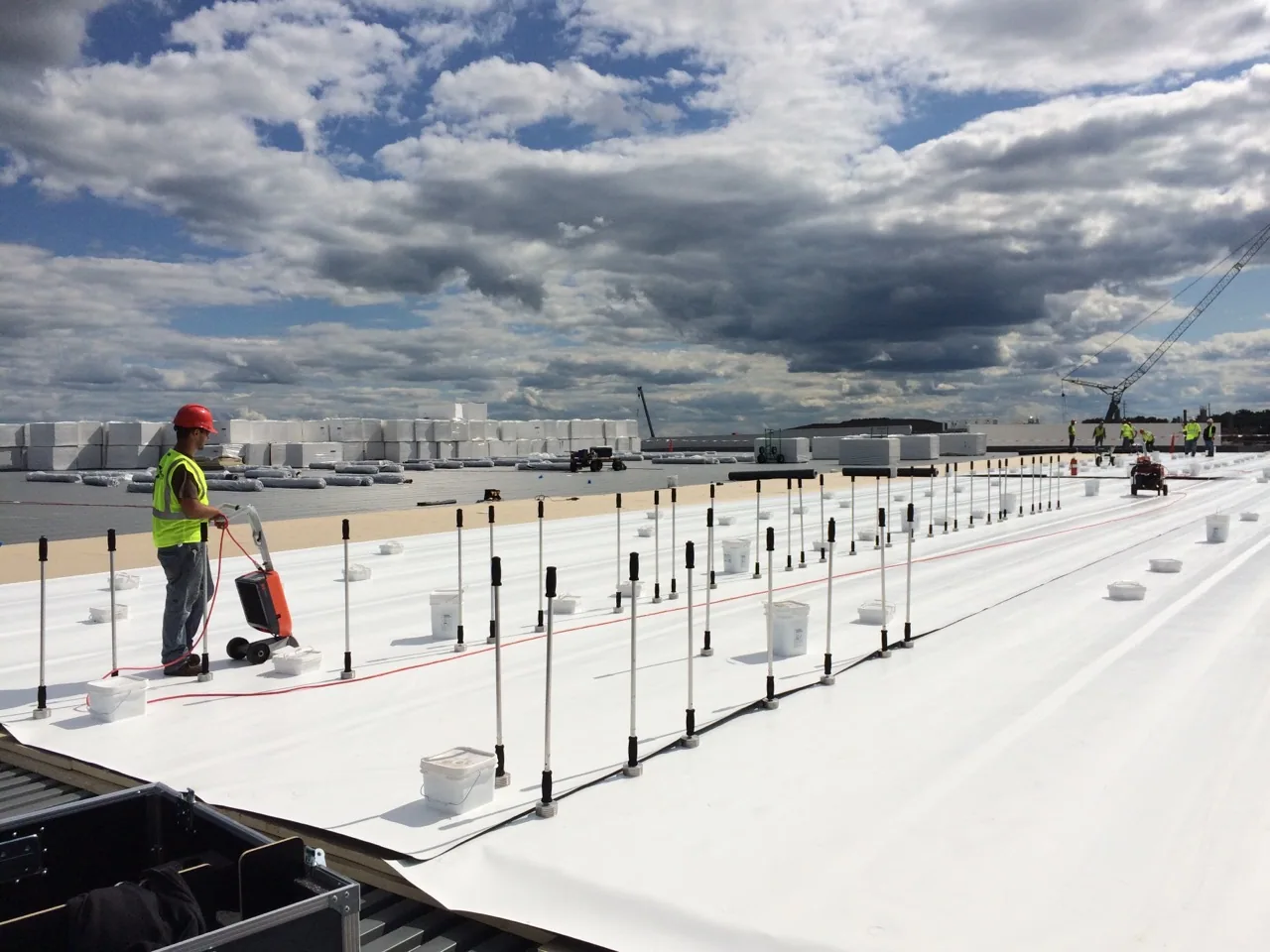
The system follows the building. A distribution center with a clean, simple roof field and heavy foot traffic only at the units is a good fit for TPO. A plant with grease, chemical exhaust or hot process vents may need PVC or KEE, which resist oils and fats better. Older downtown buildings with many small penetrations often do better with modified bitumen or a fully adhered system.
Insulation is the other half of the choice. Davenport has adopted the 2021 International Building Code and the 2021 International Existing Building Code with local amendments, and it lists the State of Iowa Energy Conservation Code among its adopted codes. We confirm the insulation and wind uplift requirements with the building department before the scope is final, then price the system that meets them.
Access, Staging and Tenant Notice
The roof is only part of the job. The rest is getting materials up and debris down without putting anyone at risk.
Before mobilizing we sit down with you and settle the basics:
- Where the crane or hoist sets up, and which drive lanes stay open. A set-up on Kimberly Road, an arterial lined with retail, apartments and offices, is a different problem from one in a plant yard.
- Who badges us in, and whether escorts are needed.
- Where the dumpsters go and which doors stay clear for trucks.
- What tenants or departments get notice, and when.
On an occupied building, we send the tenant notice language ahead of time so your people are not surprised by noise overhead.
Phasing Around Production
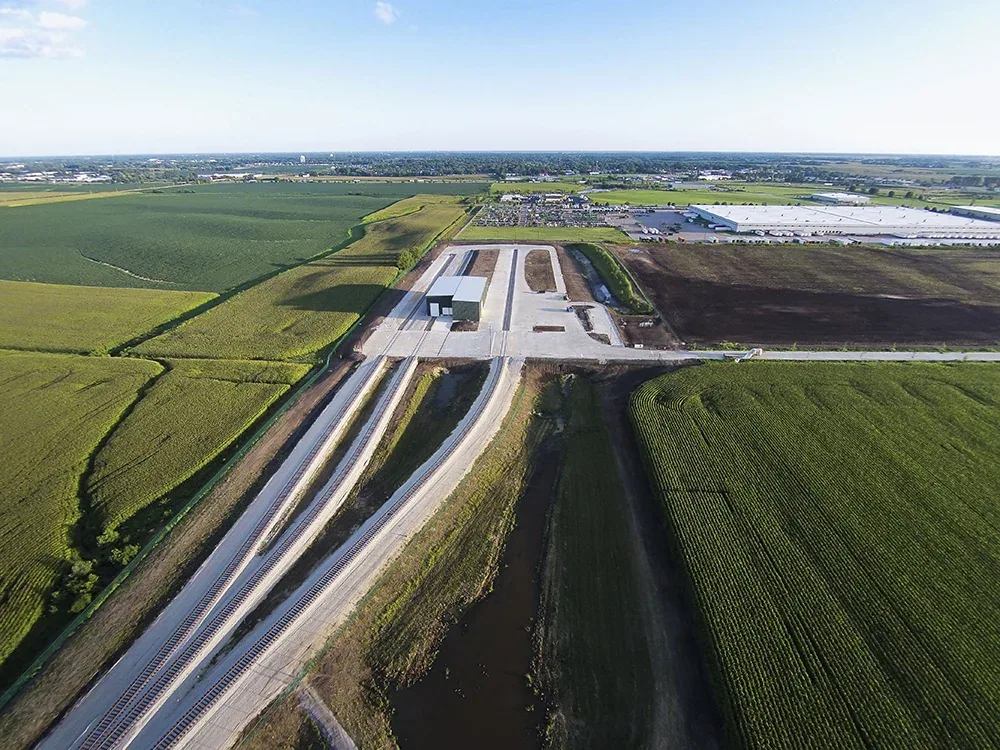
A plant in the Eastern Iowa Industrial Center does not shut down for a roof. Neither does a hospital, a school or a distribution building in the middle of peak season. We split the roof into sections and open only what we can dry in the same day.
Each night, every open edge is tied into the existing roof with a temporary seal. We do not leave a tear-off exposed overnight, and we watch the forecast. Davenport weather turns fast. Derechos in August 2020 and July 2024 both brought damaging wind to the region, so the forecast gets checked all day, not just at the morning meeting.
If second shift runs on the floor below, we talk about where loud work and heavy loads happen, and when. A tear-off over people who stay put follows the same sequence as an occupied building reroof.
The Handoff
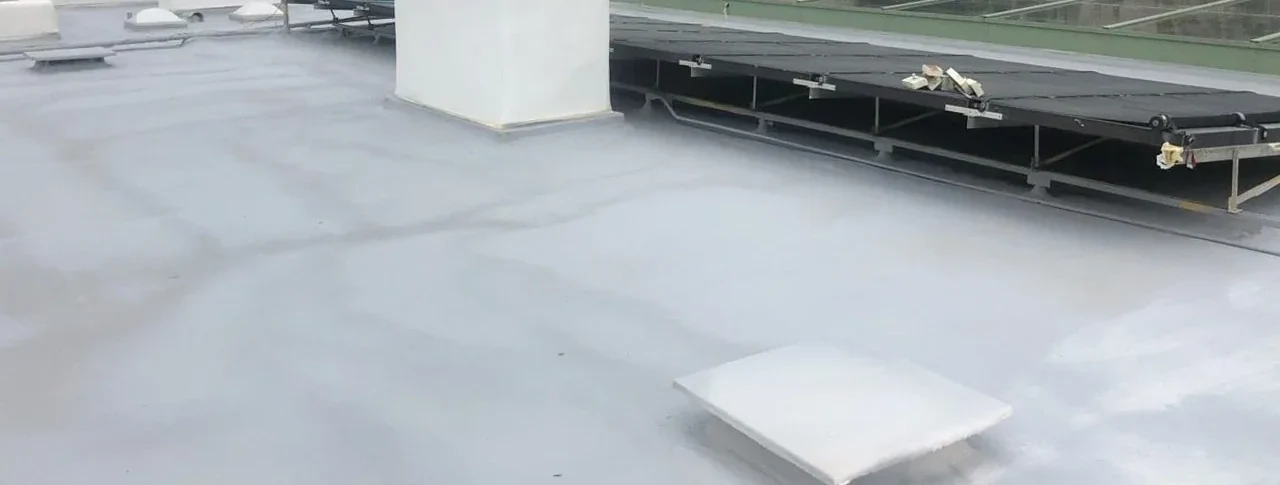
When the last section is sealed, we do a closeout walkthrough with you or your facilities lead. We check drains, edges, curbs and every penetration. Punch items get written down and closed.
You receive photos of the finished roof, the manufacturer's warranty paperwork as it applies to the system installed, and a plain maintenance plan. Drains should be cleared in fall and again after any big storm. A twice-a-year look at the roof catches most trouble early. Your roof then goes into a long-range plan, which is easier when the building has a current roof capital plan.
Send Us the Work Order
Send us the work order, the last roof report or a few photos of the problem area. We will set a walkthrough with you or your plant manager, go up, and come back with a plain recommendation on replacement.
Questions About Commercial Roof Replacement
How long does a full replacement take on a large flat roof?
A mid-size building can finish in a matter of weeks. A big plant roof is phased and can run several months, and deck condition and weather move both numbers. We give you a schedule by section, with the weather risk written in, and update it as sections close. Winter work is possible with the right adhesives and fastening methods, but we plan cold and wet days plainly instead of promising dates we cannot hold.
Do we have to take the old roof off, or can we put a new one over it?
Often the answer is decided by moisture and code. If the insulation is wet, it has to come out. If the building already has more than one layer, code may limit further layers. If the existing roof is dry and sound, a recover may be allowed. We confirm with a moisture survey and a core cut, then give you both options with their tradeoffs.
Can the building stay open while the roof comes off?
Yes, in nearly all cases. We phase the work and dry in every section the same day. For a plant, that means planning around the production schedule and second shift. For an office or clinic, it means tenant notice and quiet-hour planning. We agree on all of that at the walkthrough, in writing.
What does a replacement cost?
We do not quote by the square foot over the phone, because the number moves with deck condition, insulation thickness, drainage changes, edge metal, access and the system you pick. After a walkthrough and cores we price each of those separately so you can see what is driving the total. Send us the work order or set a walkthrough and we will have a written scope back to you.
What happens if we wait another year or two?
Wet insulation does not dry on its own, and it spreads. A roof that could have been a recover this year can become a full tear-off with deck repair next year. A Davenport winter is hard on any roof with trapped moisture, since freeze and thaw widen every crack. If the roof is near the end of its life, plan it now, before an emergency forces the schedule.
Talk to a Davenport Commercial Roofer
Send the work order, the building address or a few photos of what you are seeing. We will set a walkthrough, go up with whoever has the hatch key, and tell you plainly what the roof needs.