EPDM Roofing in Davenport, IA
EPDM rubber roofing in Davenport, IA: cold and hail performance, ballasted versus adhered installs, seam and flashing weak points, and when to replace.
The roof hatch key hangs on a nail in the maintenance shop. The black rubber up there is older than the current plant manager, and nobody remembers it leaking.
That is the EPDM story in one scene. It is a cured synthetic rubber sheet, black unless you order it white, and it has been on commercial roofs long enough that its habits are well known. In Davenport, IA it takes the cold and the hail without much complaint. Its weak spots are the seams, the flashings and anything that drips oil onto it. Here is what we check before we recommend it, and what we check when we inherit one.
Rubber That Stays Rubber
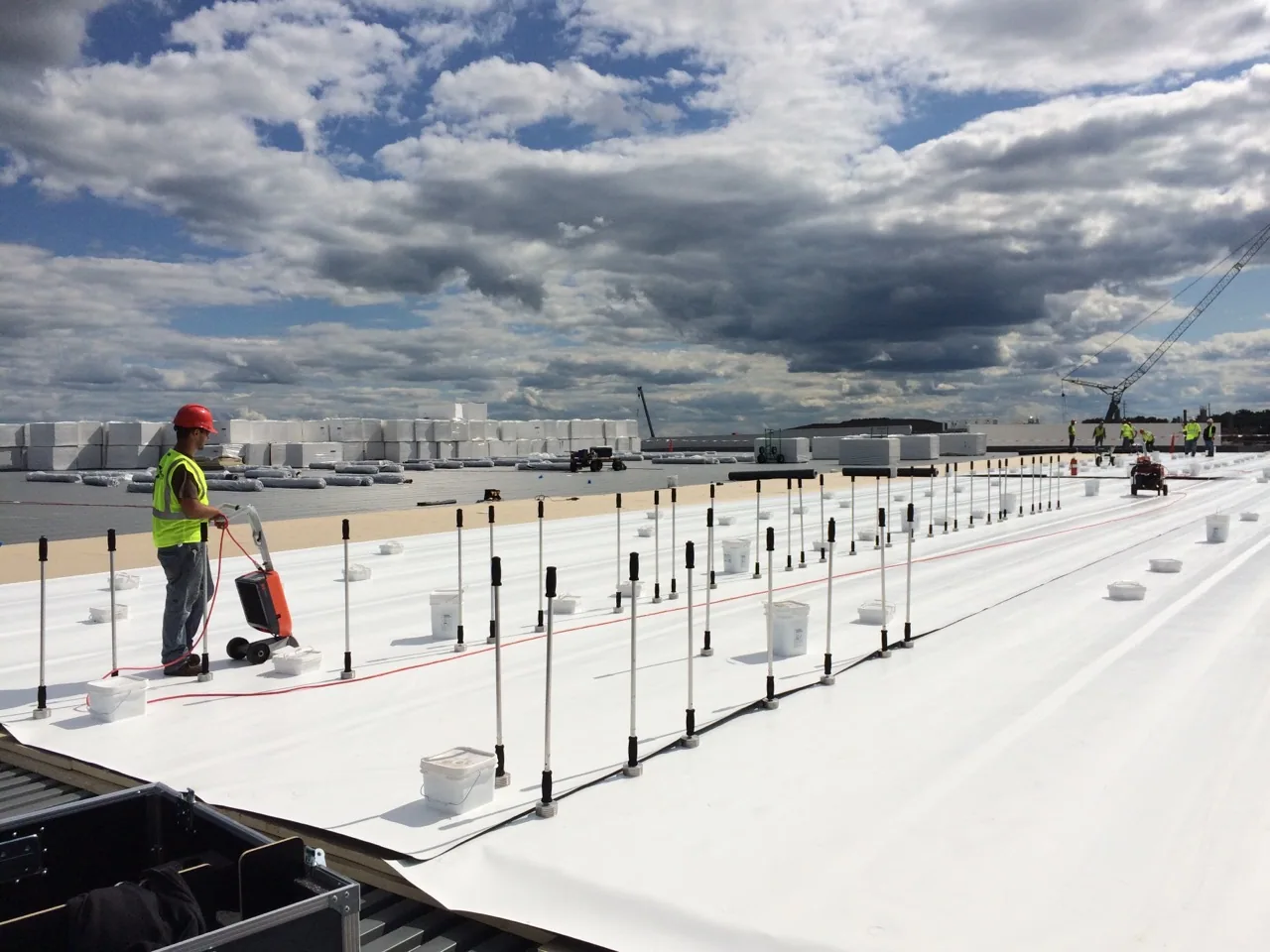
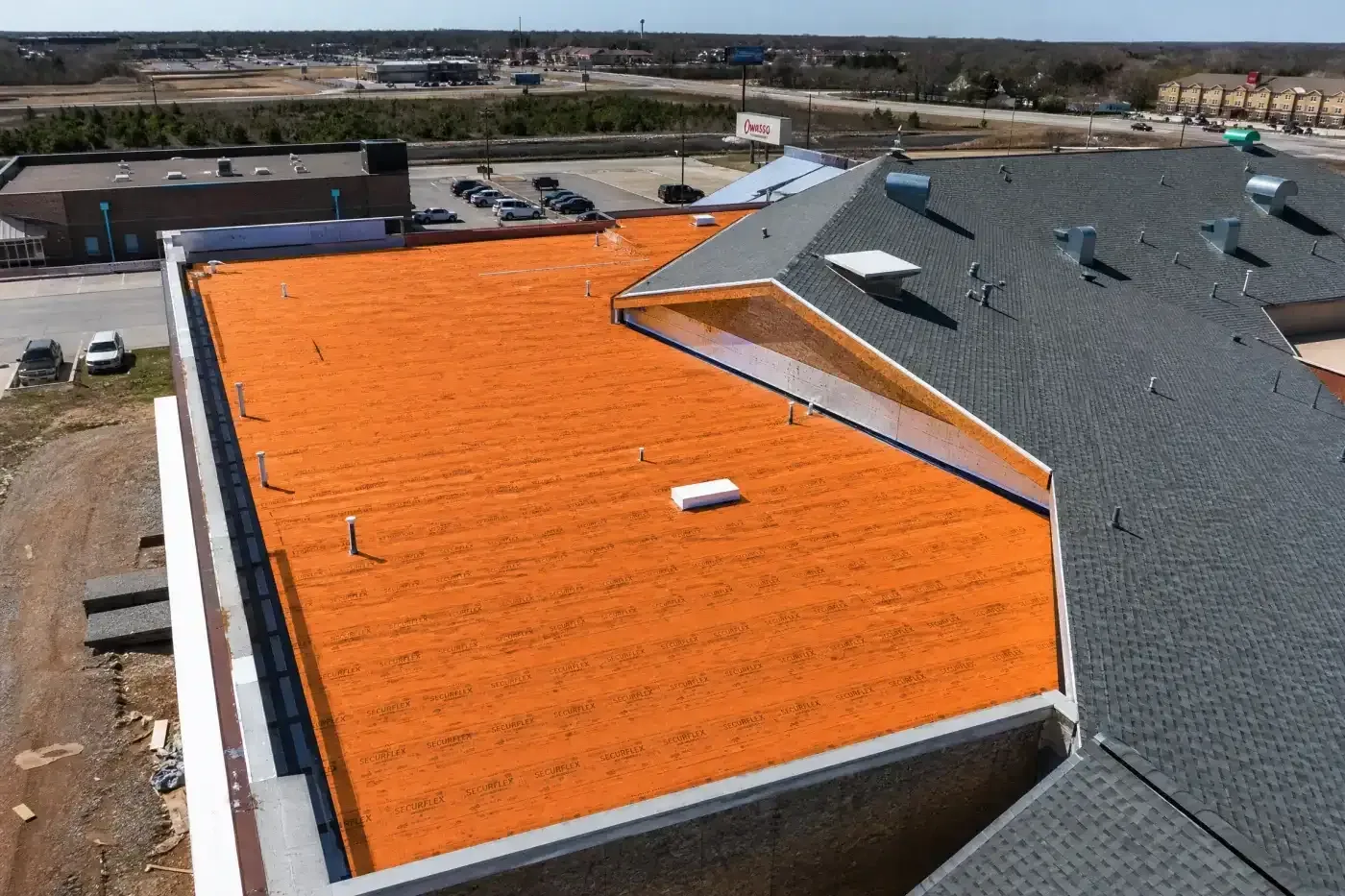
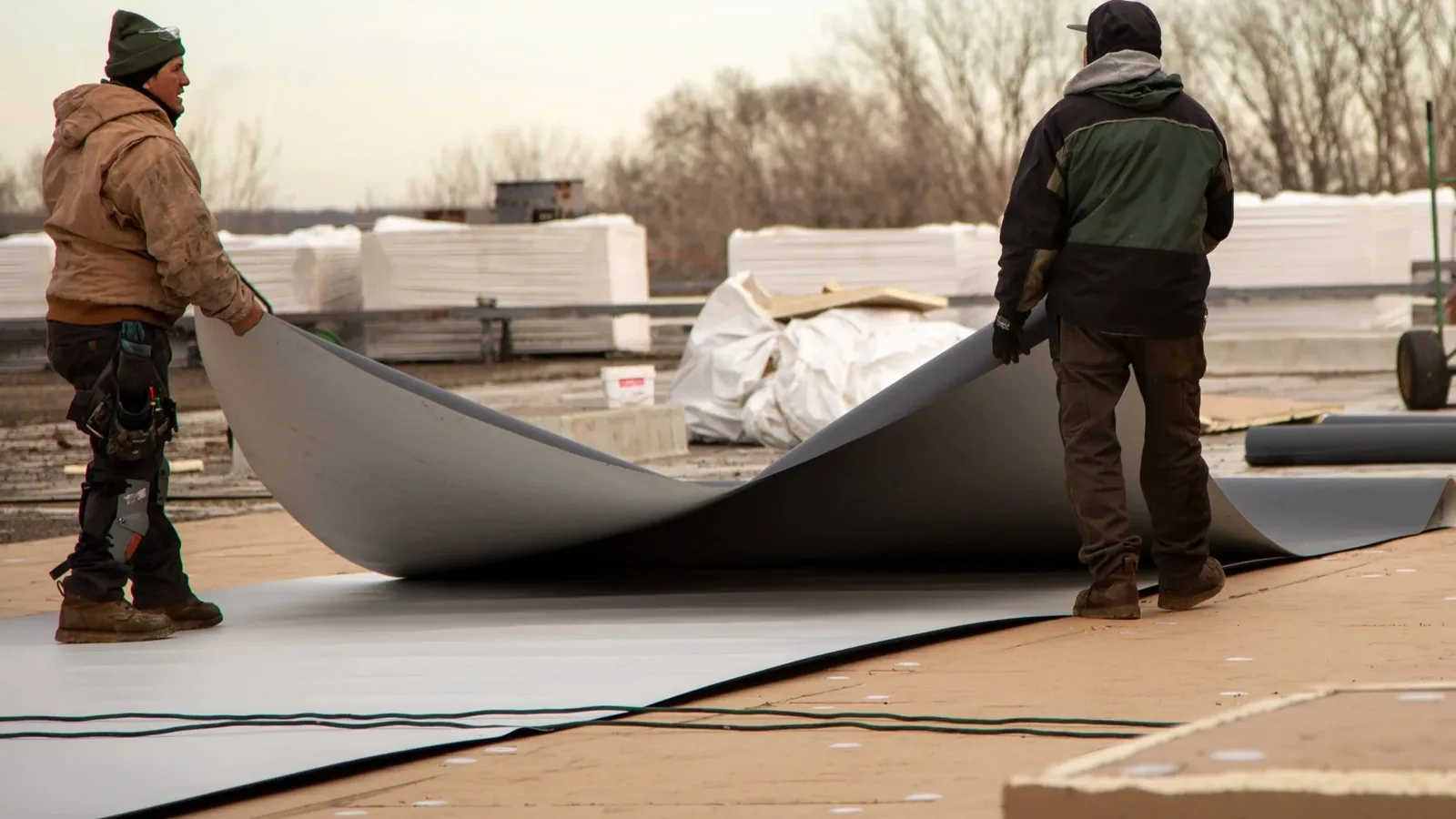
EPDM is built from ethylene and propylene rubber, cured so it keeps its shape. The sheet ships in wide rolls, so a big field carries fewer seams than a welded sheet such as TPO would. On a roof you want to leave alone, fewer seams is a real advantage. Makers like Carlisle SynTec have supplied EPDM to commercial roofs for a long time, so the details for curbs, drains and corners are well worked out.
Cold is where the rubber earns its keep. The coldest morning on record in Davenport read -29 F, and January is the snowiest month in the Quad Cities, at about 10 inches. EPDM stays pliable through all of it and flexes over a drain sump or a parapet corner without cracking.
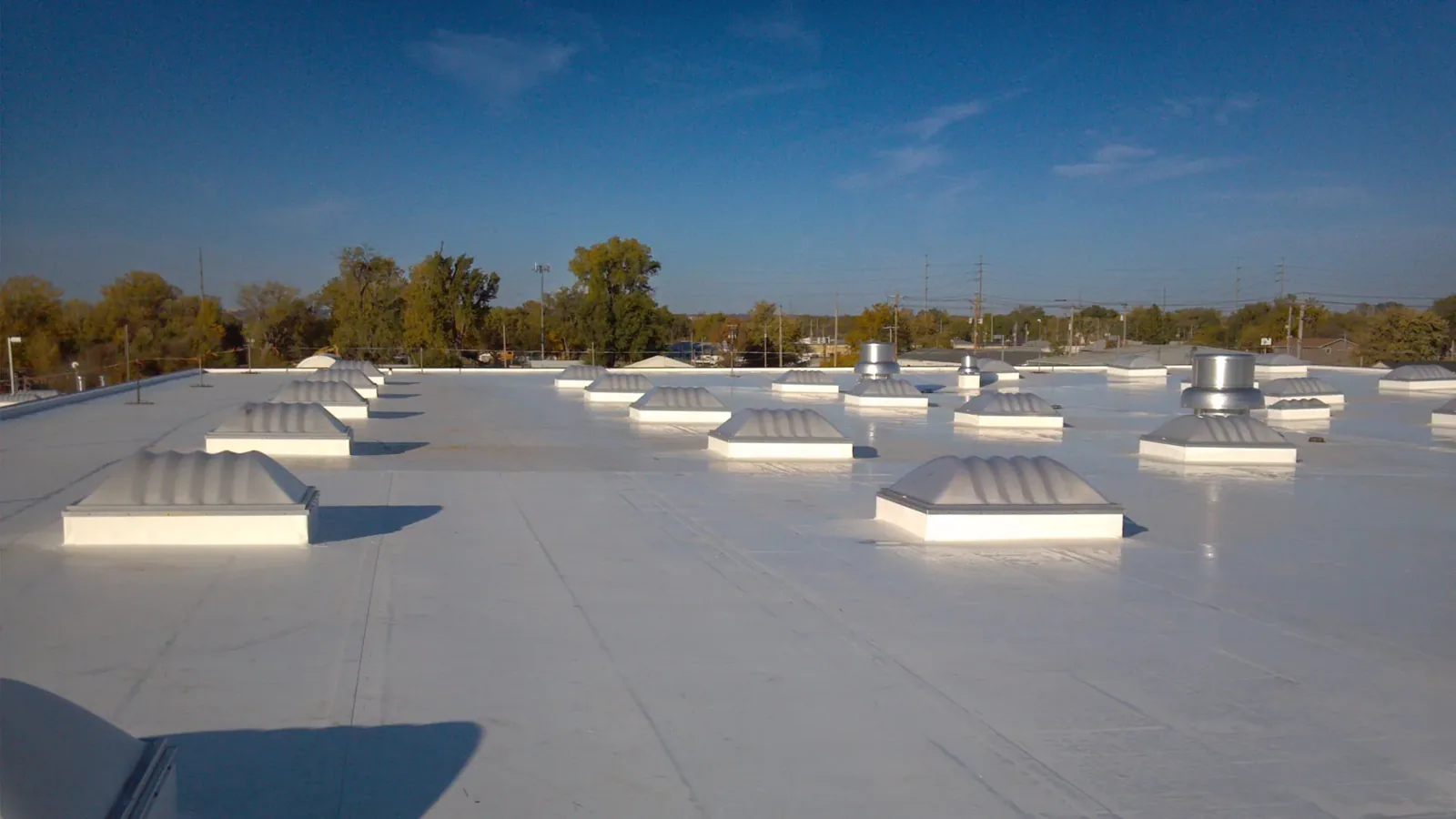
Black soaks up heat in July and helps shed snow in January. White EPDM exists for buildings where the cooling load matters more. The choice depends on what is under the roof and what the Iowa energy code asks of the build-up, and we price both.
Hail and the Rubber Sheet
Hail comes through often enough that 133 reports have been logged within 10 miles of the city center since 2004. One storm on April 7, 2020 dropped stones of 2 inches. A rubber sheet gives under impact where a stiffer one cracks, and a fully adhered EPDM over firm cover board has something solid to push against.
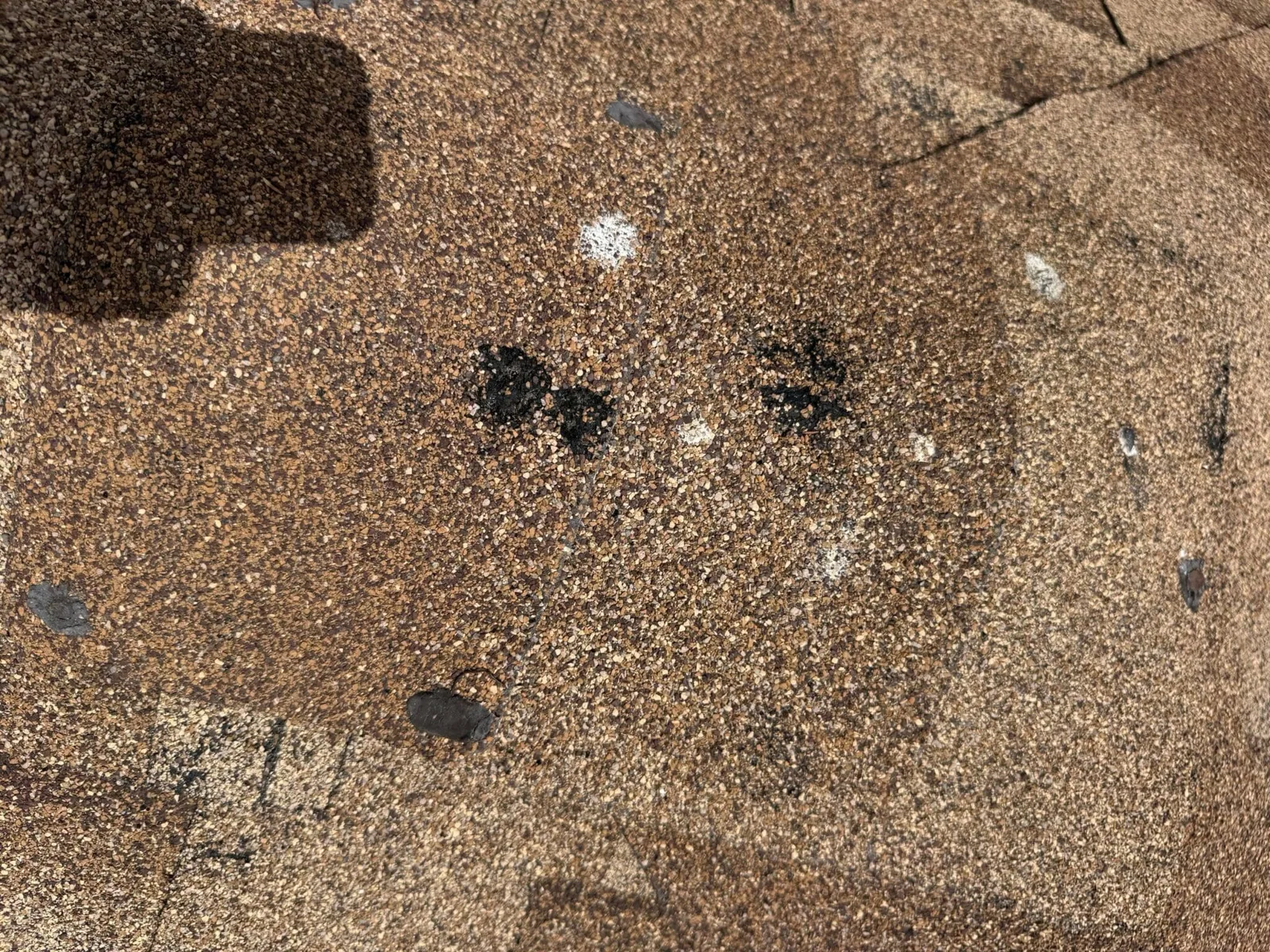
That does not make it hailproof. Stones can cut a sheet at an edge or over a fastener plate, and an aged sheet that has lost its stretch is far more vulnerable than a new one. After a storm we mark and photograph every hit, then scan for wet insulation underneath. Our hail damage repair record goes to you the same day.
Ballasted, Adhered or Attached
EPDM goes down three ways:
- Ballasted. Loose-laid and held by a deep layer of river stone or pavers.
- Mechanically attached. Fasteners and plates hold the sheet to the deck.
- Fully adhered. Bonding adhesive glues the sheet to the insulation or cover board.
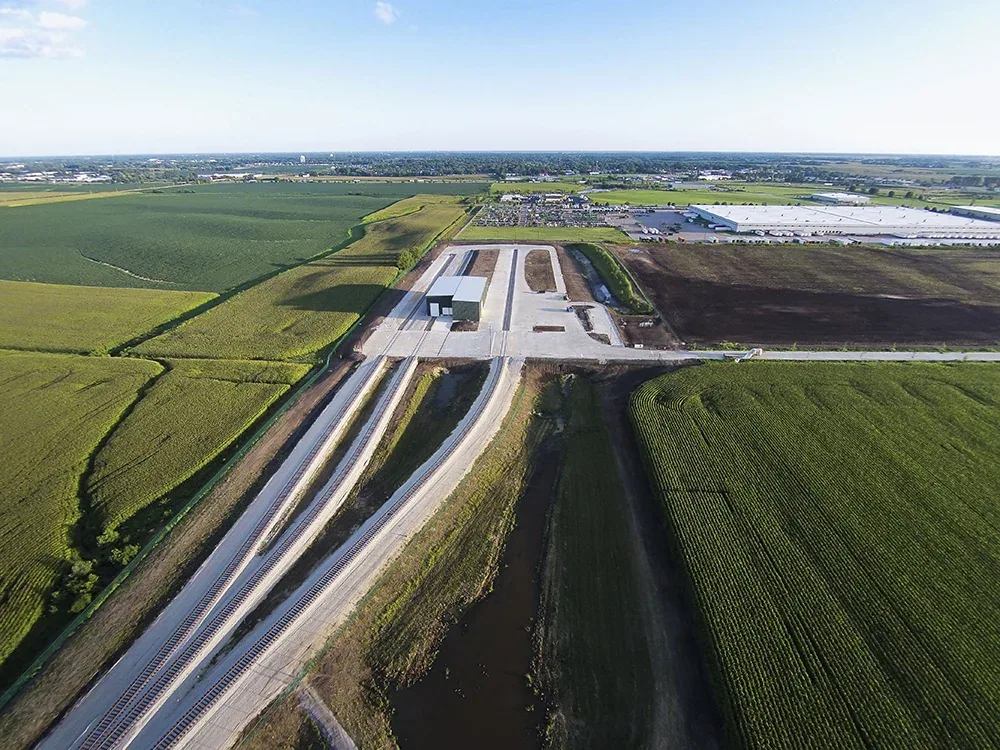
Ballast is heavy. It adds a great deal of dead load before the first flake of snow lands, and the structure has to carry both. Loose stone also becomes debris when the wind turns. Derecho winds hit in August 2020 and again in July 2024, and an EF-2 tornado followed in July 2025, so on most buildings we steer toward full adhesion or a well-designed attached system. A ballasted roof has its place on a structure that was built for it, and we check the framing before we say yes. That check matters most at the big low-slope plants and warehouses of the Eastern Iowa Industrial Center off I-80, where a large roof gives the wind a long run at any loose stone.
Seams, Flashings and Oil
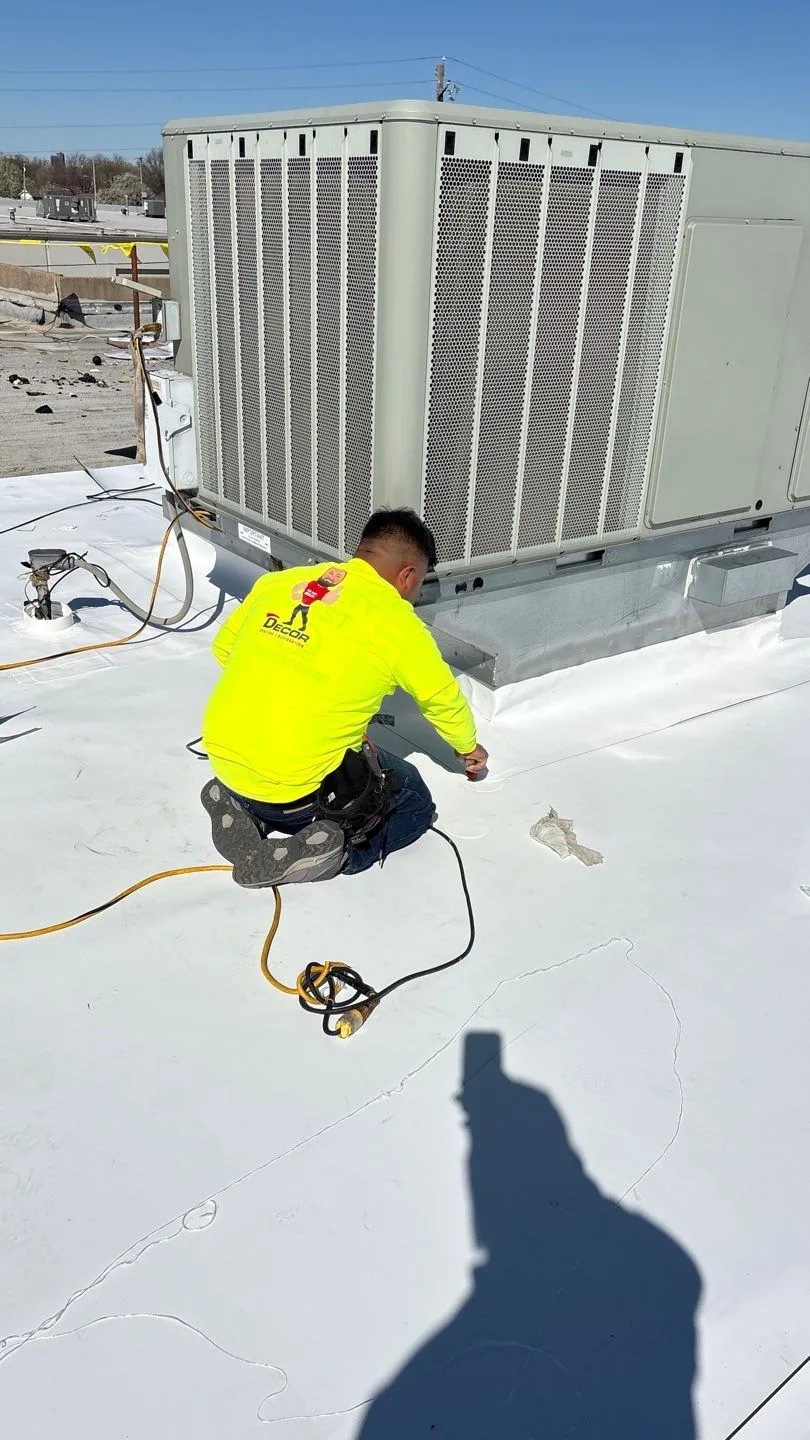
Rubber does not weld. Seams are joined with tape or liquid adhesive, and the join is only as good as the surface under it. Dust, moisture or a rushed overlap leads to a seam that peels months later. Our crew cleans and primes every lap, then rolls it, and we check the edges again before we leave.
Flashings are the second weak point. EPDM shrinks a little over the years, and the sheet pulls at the corners and the base of walls until the termination lets go. That is a repair, not a replacement, if the field sheet is still sound. We re-secure the termination bar, replace the flashing and seal the top edge.
Oil is the third. Petroleum products and animal fats swell rubber. A roof under a kitchen or process exhaust may be better served by PVC, and we say so when we see staining under a fan.
Light Rubber on Old Masonry
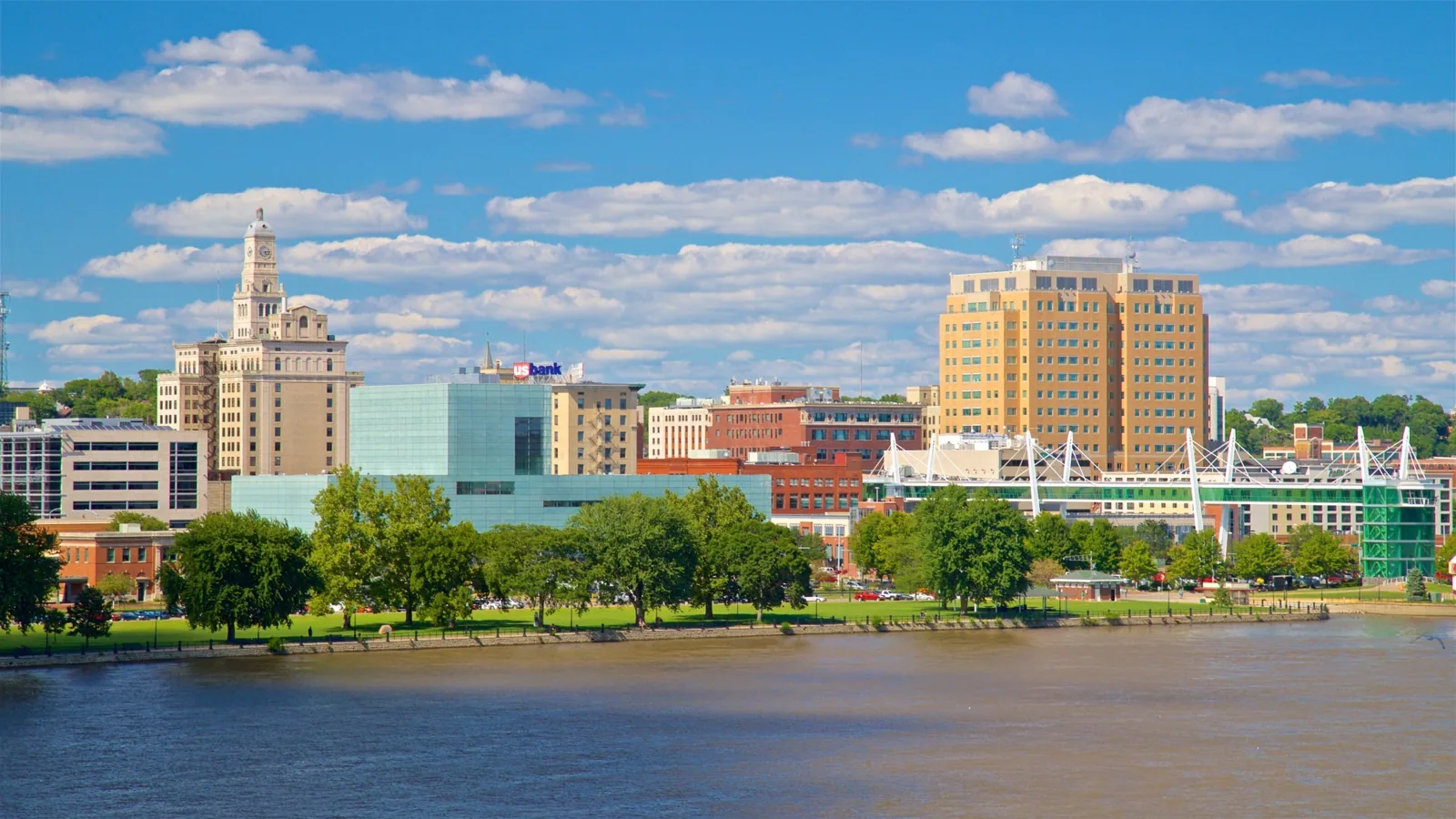
Downtown Davenport's commercial historic district covers 49 acres between 2nd and 5th Streets, and the landmark buildings downtown, from the 1907 Davenport Hotel to the 1931 Adler Theatre building, put historic masonry under low-slope roofs. A cold-applied rubber sheet with no flame suits that kind of roof, and the finished weight is a fraction of a ballasted one.
The wall matters more than the sheet. EPDM is only as secure as the parapet it ends on, so we check mortar, coping and flashing height before we glue anything to it. A termination fastened into soft brick will not hold, and on a downtown Davenport roof the masonry repair comes before the rubber.
Hand Us the Hatch Key
Tell us where the hatch key lives and when the building is quiet. We will go up, check the seams and flashings, and write down what the rubber has left.
Questions About EPDM Roofing
The EPDM on our building has pulled back from the parapets. Is the roof finished?
Not by itself. Shrinkage at the walls is common on aging rubber, and it is fixable if the sheet in the middle is still soft and sound. We press on the field with a gloved hand, check for hard, chalky spots, then re-secure the terminations. If the rubber has gone stiff across the whole roof, the repair is a short-term patch and we price a replacement alongside it.
Should we choose white EPDM or stay with black?
Start with what sits under the roof. A cold storage or air-conditioned space gains from white, while a building heated through most of the year may not. Black also sheds snow faster, which counts on a roof with a drainage problem. We lay the two side by side against the energy code, and the call is usually quick once the use is clear.
Is EPDM a good sheet for a recover over an old built-up roof?
Often, because it is light and goes on with adhesive instead of a torch. The old roof still has to pass a moisture scan, and the framing has to take the added weight, which is where most recovers stall. Our roof recover work starts with that scan so the answer is on paper before a rubber roll is ordered.
Our snow contractor shovels the roof every big storm. How do we protect the rubber?
Give them a map. Mark the drains, curbs, edge metal and walk paths on a roof plan, tell them to leave a thin layer of snow down, and keep metal shovels off the membrane entirely. Plastic blades and wide pushers do far less harm. Ask them to report any cut they see. Our crews can flag problem areas with paint before the first storm.
What does it mean when the seam tape starts peeling at the edges?
Peeling splice tape is a sign the bond failed, usually from dirt or movement, and it will keep going. Cut it back to sound rubber, clean, prime and re-lap with fresh tape or adhesive, then roll the seam. A few failed seams call for seam failure repair. Seams failing across a whole roof tell us the sheet has aged out.
Talk to a Davenport Commercial Roofer
Send the work order, the building address or a few photos of what you are seeing. We will set a walkthrough, go up with whoever has the hatch key, and tell you plainly what the roof needs.