
KEE Membrane Roofing in Davenport, IA
KEE PVC-alloy membranes for Davenport, IA plants with oils, solvents and process exhaust: how the sheet differs, where it pays off, and how it is repaired.
The work order says soft spot near the parts washer exhaust. The maintenance super has stepped on it twice and felt it give.
That is a roof telling you what is landing on it. Coolant mist, oil vapor and cleaning solvents can soften a membrane that was never meant to sit in them, and the damage starts as a spongy patch and ends as a leak. KEE is the sheet chosen for that exposure. It is a PVC-based alloy with a modifier built in to keep the sheet stable under chemical attack. For a plant in Davenport, IA with process exhaust on the roof, it is worth knowing what KEE is, what it costs you, and when it is more sheet than you need.
What KEE Adds to PVC
KEE stands for ketone ethylene ester. In a plain PVC sheet, the plasticizer that keeps the membrane flexible can leach out under heat and chemicals. A KEE alloy uses a modifier that stays in the polymer, so the sheet holds its flexibility and its chemical resistance much longer.
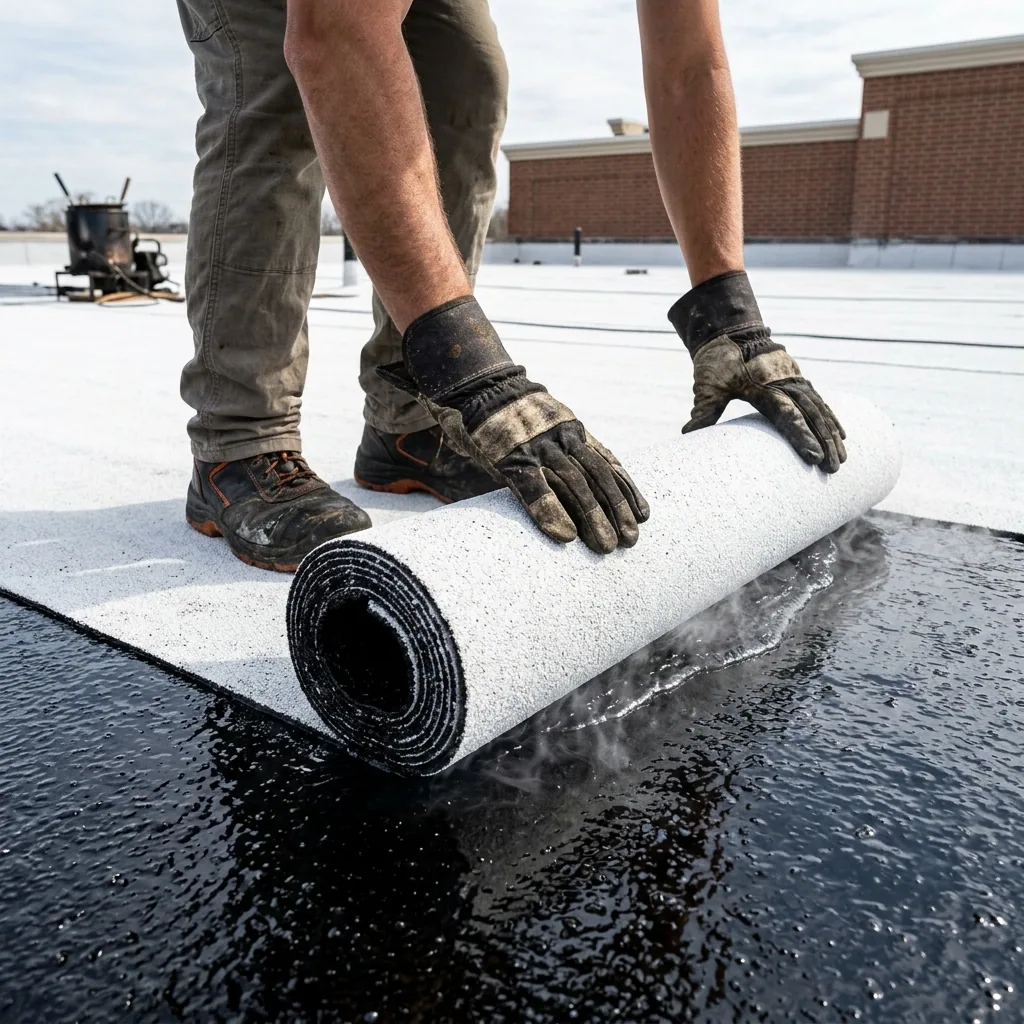
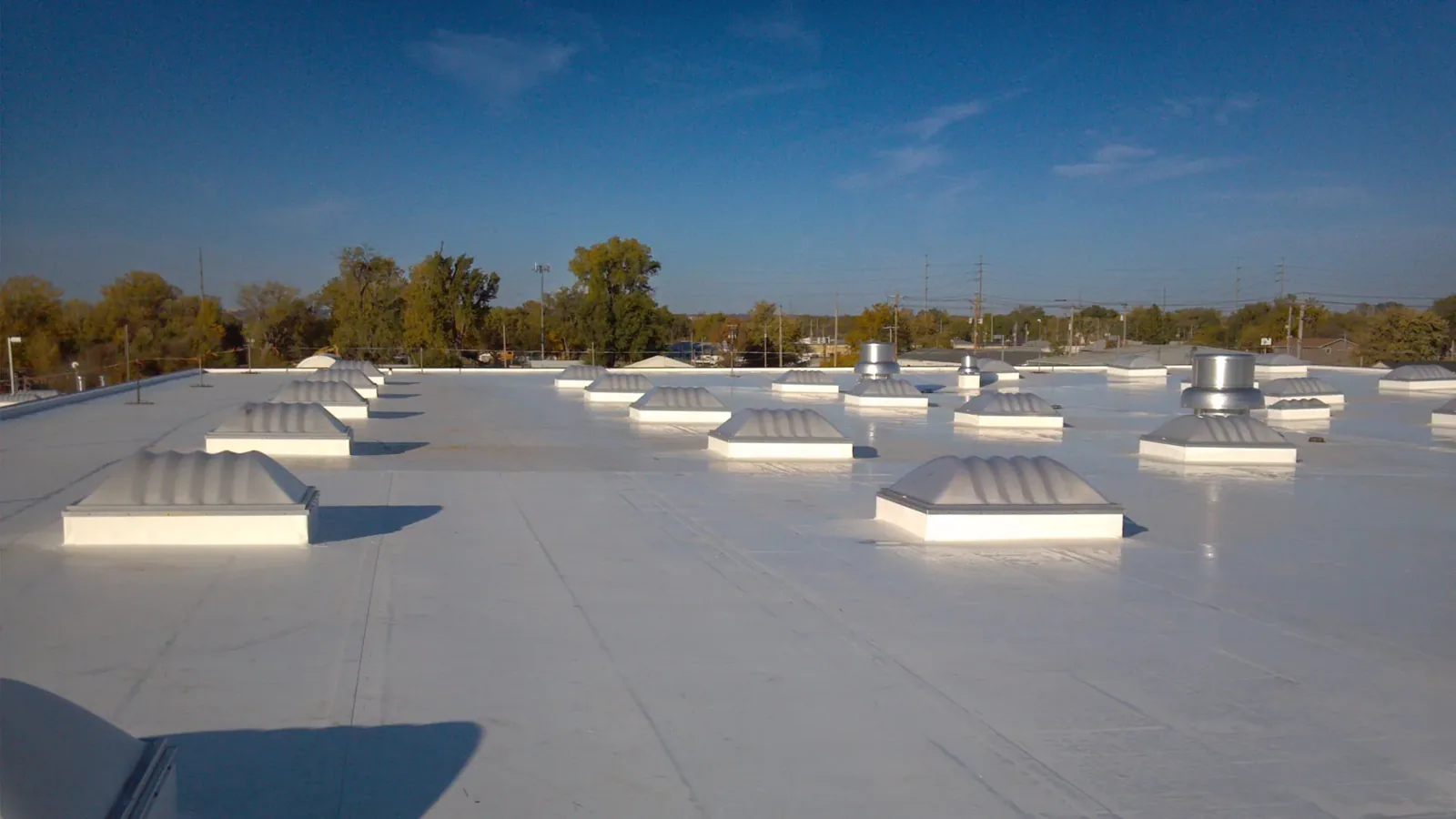
The rest of the build looks familiar. A polyester scrim reinforces the sheet, seams are hot-air welded, and flashings are made from the same material. The finished roof is a single bonded surface that resists oils, fats, many acids and a range of solvents. That is the reason it sits on the short list for restaurant, food, chemical and metal-working buildings, and for any manufacturing plant roof with active exhaust.
Plants With Something in the Air
Making things is the biggest line of work in the Quad Cities, employing nearly 30,000 people, with a cluster of metal fabricators among them. John Deere Davenport Works turns out articulated dump trucks, and Arconic's Davenport Works makes the aluminum sheet and plate that goes into aircraft, spacecraft and defense equipment. A plant that machines or rolls metal can vent coolants, oils and cleaning agents through the roof every shift.
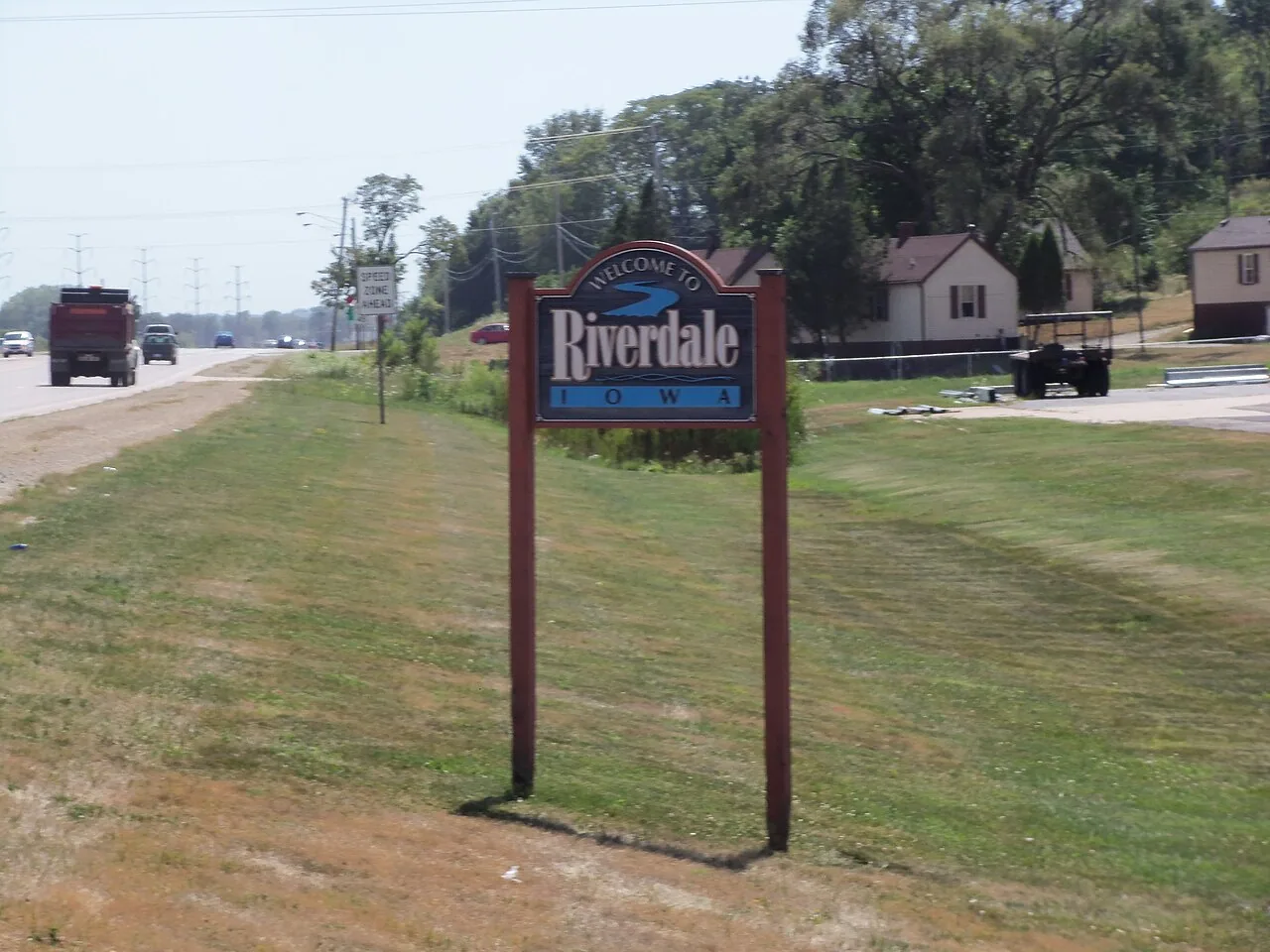
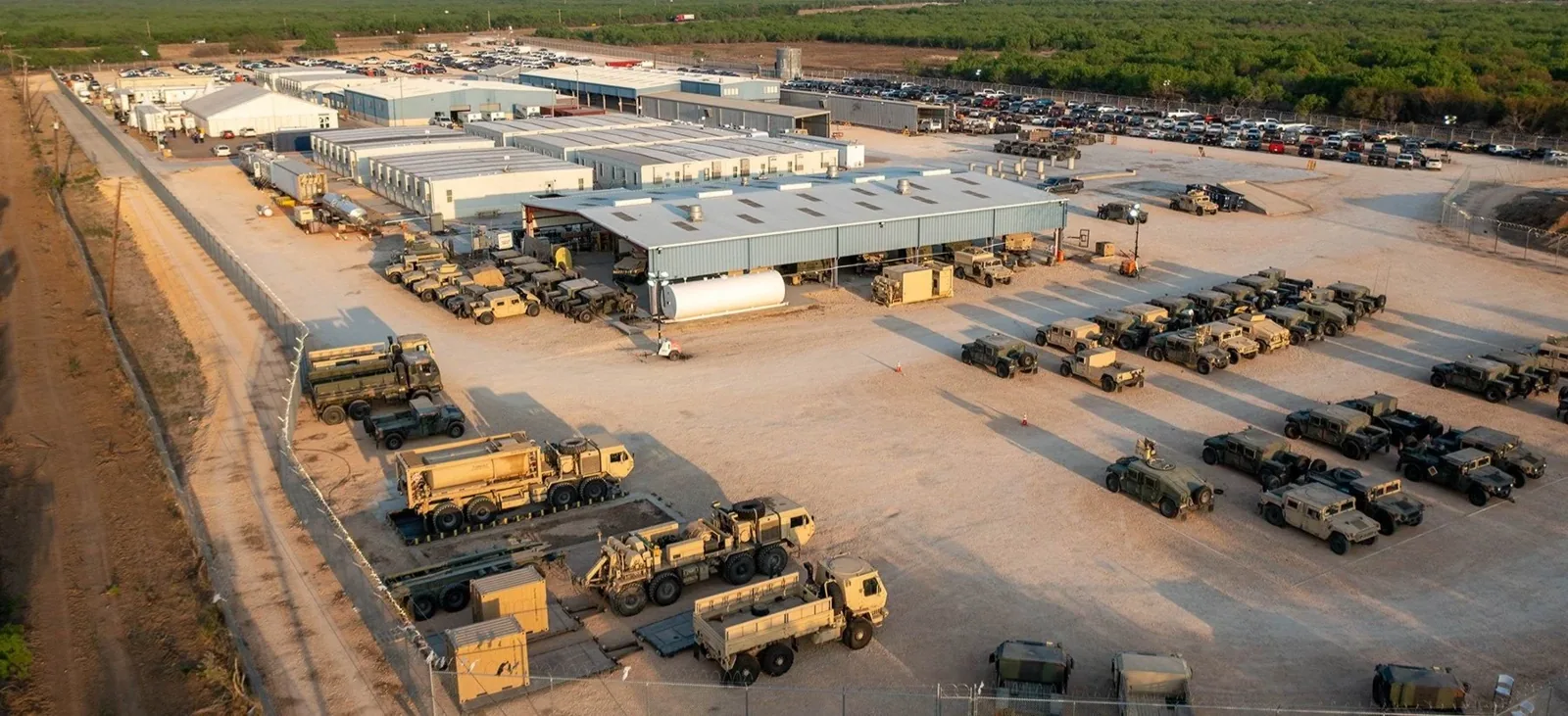
In Riverdale, Arconic's aluminum rolling mill employs about 2,000 people, and over any building that works metal at that scale the first roof question is what vents through it. On Rock Island Arsenal, the Joint Manufacturing and Technology Center runs a foundry and large manufacturing halls, and roofing on a military installation follows a spec written to the Unified Facilities Criteria, with badging, escorts and a schedule set by the mission.
Before we suggest a sheet we ask what vents, how often, how hot, and where the condensate drips.
Where KEE Is More Than You Need
KEE is a premium membrane, and the extra cost is in the polymer. On a roof with no exhaust, no kitchen below and no fuel or solvent exposure, you are paying for resistance the building will never use. A plain warehouse is a better fit for TPO, and a roof with occasional grease is usually well served by PVC.
We put KEE forward when the exposure is constant or severe: daily wash-down exhaust, a fuel storage area on the roof, a battery room vent, a fryer line. The installed price is also driven by flashing complexity, since a roof crowded with penetrations takes more welding time than an open field. Ask for the price of the sheet and the details separately, and you will see where the money goes.
Welding in a Cold Climate
Winter lows in Davenport have reached -29 F, and snow lies on the roof for weeks. KEE stays serviceable through that once it is down, but installation is a fair-weather job.
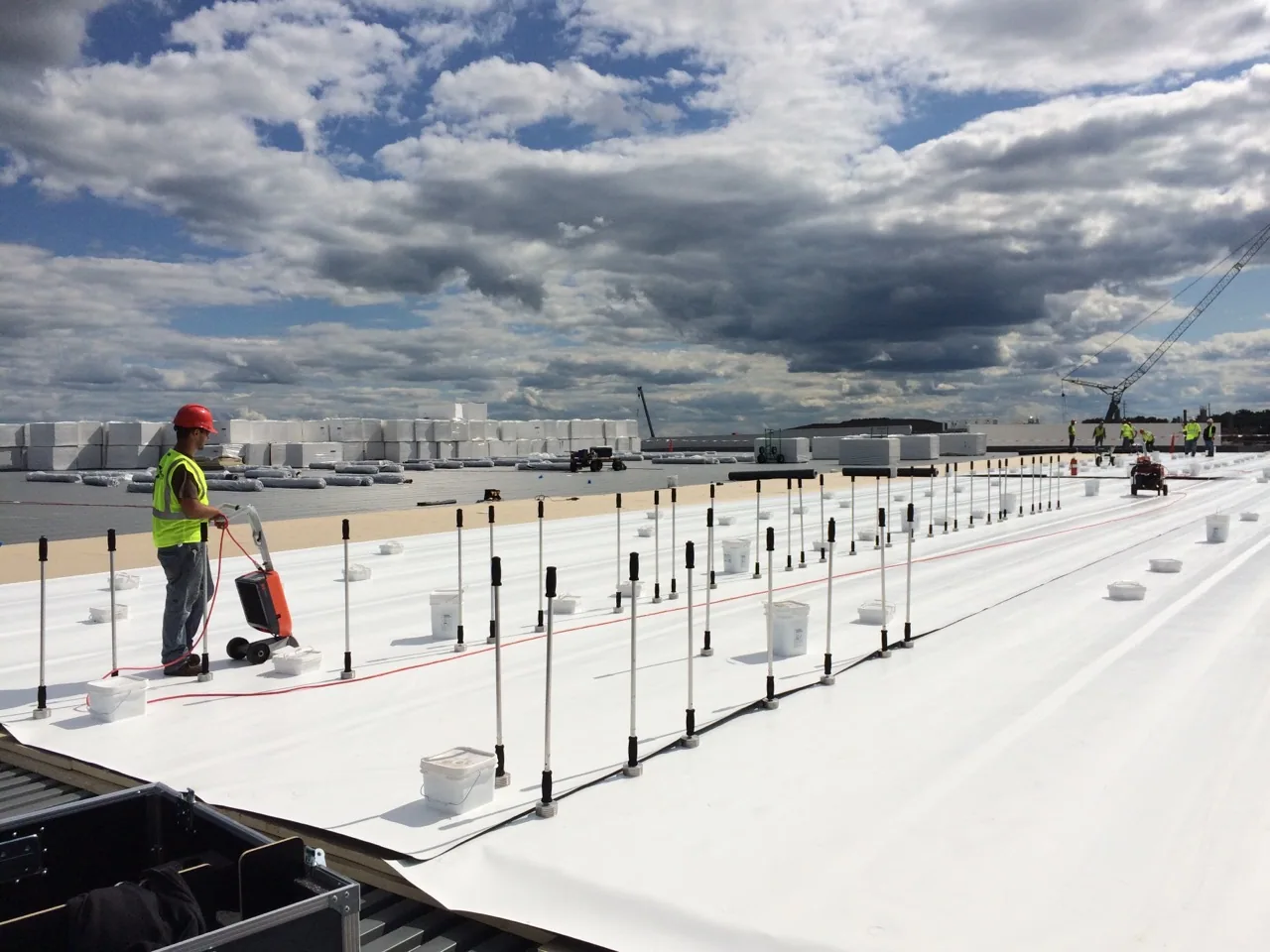
Hot-air welding wants dry, clean sheet and a warm roll. We stage rolls where they stay warm, we weld the day's sheet in one push, and we skip mornings with frost or damp. A rushed cold weld looks fine on the day and opens when the roof first moves. If a roof is leaking in January, we hold the water out with a temporary repair and put the permanent KEE work on the calendar for a run of workable days.
Over Old Roofs and Into Repairs
KEE can be installed as a recover when the existing roof passes a moisture scan and the structure can take the weight. Some KEE sheets tolerate contact with aged asphalt, but we still lay a separation layer or cover board over most old roofs, because contact with residual oils changes how a membrane behaves. The checks are the ones any roof recover goes through.
Repairs follow one rule: match the family. A patch from the wrong polymer may weld to nothing or fail on its first heat cycle. We identify the existing sheet before we cut, make a test weld on a scrap and pull it, and tell you if the old membrane has aged past easy repair.
A KEE selection should be made from the intended exposure and assembly, not the label alone. We compare thickness, reinforcement, attachment, insulation condition and the detail set at drains and curbs. On a repair, the existing sheet composition and weldability need confirmation before a patch is specified. A field sample and seam test can establish whether a compatible tie-in is practical. The submittal should also record the exact product and accessory combination so future maintenance does not rely on memory.
Send the Exhaust Details
Send the work order and a note of what vents onto the roof, or just a photo of the soft spot. We will set a walkthrough, check the sheet and tell you whether KEE is the right call for that building.
Questions About KEE Membrane Roofing
Our wash-down exhaust runs all shift. Is KEE the only sheet that will hold up?
Not the only one, but it is the safest. A resistant PVC can survive moderate exposure, and a walkthrough shows whether that is your case. For daily wash-down, steam, oils and solvents, KEE gives a margin you will not get from a general-purpose sheet. We also add a drip pan or a walk pad at the discharge, since even the toughest membrane lasts longer with less direct contact.
Why does a KEE roof cost more than PVC or TPO?
The polymer is more expensive, and the sheet is installed with more detail work. Because the modifier stays in the membrane, a KEE roof holds its flexibility and chemical resistance for longer, which spreads the cost over more years of service. If that long life will not be used, the premium is wasted. We show the two options with the same scope so the difference is clear.
Can we repair our KEE roof with a PVC patch?
Mixing sheet families is how repairs fail. The materials may look the same, but they can differ in how they weld and how they age, and a mismatched patch can lift in one season. We identify the existing sheet by its markings or a sample sent for testing, weld a scrap first and only then repair. If the sheet cannot be identified, we plan the patch with an extra margin.
What should maintenance do if something spills on the roof?
Contain first, then clean. Stop the source, soak up what you can, flush with water and keep a photo and the date. Call us to look at the area within a few days, since a membrane can show damage only after it dries. Keep a record of the product that spilled, because the manufacturer's data sheet tells us how the sheet is likely to react.
Would a KEE roof suit a manufacturing hall on a military installation?
The government specification writes the roof, and KEE is one of the single-ply families that specification may list. Rock Island Arsenal and other bases set their own access, badging and escort rules, and a project there is written to the federal roofing criteria. Bring us in early, so the membrane, the base access plan and the schedule line up before bids go in.
Explore Related Roofing Work

Talk to a Davenport Commercial Roofer
Send the work order, the building address or a few photos of what you are seeing. We will set a walkthrough, go up with whoever has the hatch key, and tell you plainly what the roof needs.