
Commercial Roofing in the Eastern Iowa Industrial Center, Davenport, IA
Commercial roof repair, recover and replacement for plants and distribution buildings in the Eastern Iowa Industrial Center, Davenport, IA, around shifts.
Someone has taped the shift schedule to the wall next to the roof hatch. First shift ends at three, second shift starts at three, and the roof crew has to be off the lift and out of the dock lane before anyone clocks in. That is the rhythm of roof work in the Eastern Iowa Industrial Center.
The park is 346 acres of light industrial ground on Interstate 80 in northwest Davenport, and the roofs on it are mostly large low-slope manufacturing and warehouse buildings. Big and flat. We handle them the way a plant engineer would: by drainage zone, by shift and by what sits underneath. A manufacturing plant roof and a warehouse roof get different questions, and we ask both sets on the first walk.
Gate, Badge and Hatch
Each tenant controls its own access. Before the walkthrough, we confirm the badge process, safety briefing, roof hatch and fall-protection points with the building contact.
Then the park itself. A rail transload facility on site means rail cars and trucks share the ground near the docks. Crane swing, material trucks and a dumpster all need a spot that does not block a cross-dock. We mark the staging area on the work order and walk it with your shipping lead.
Food Plant Roofs Are Not Warehouse Roofs
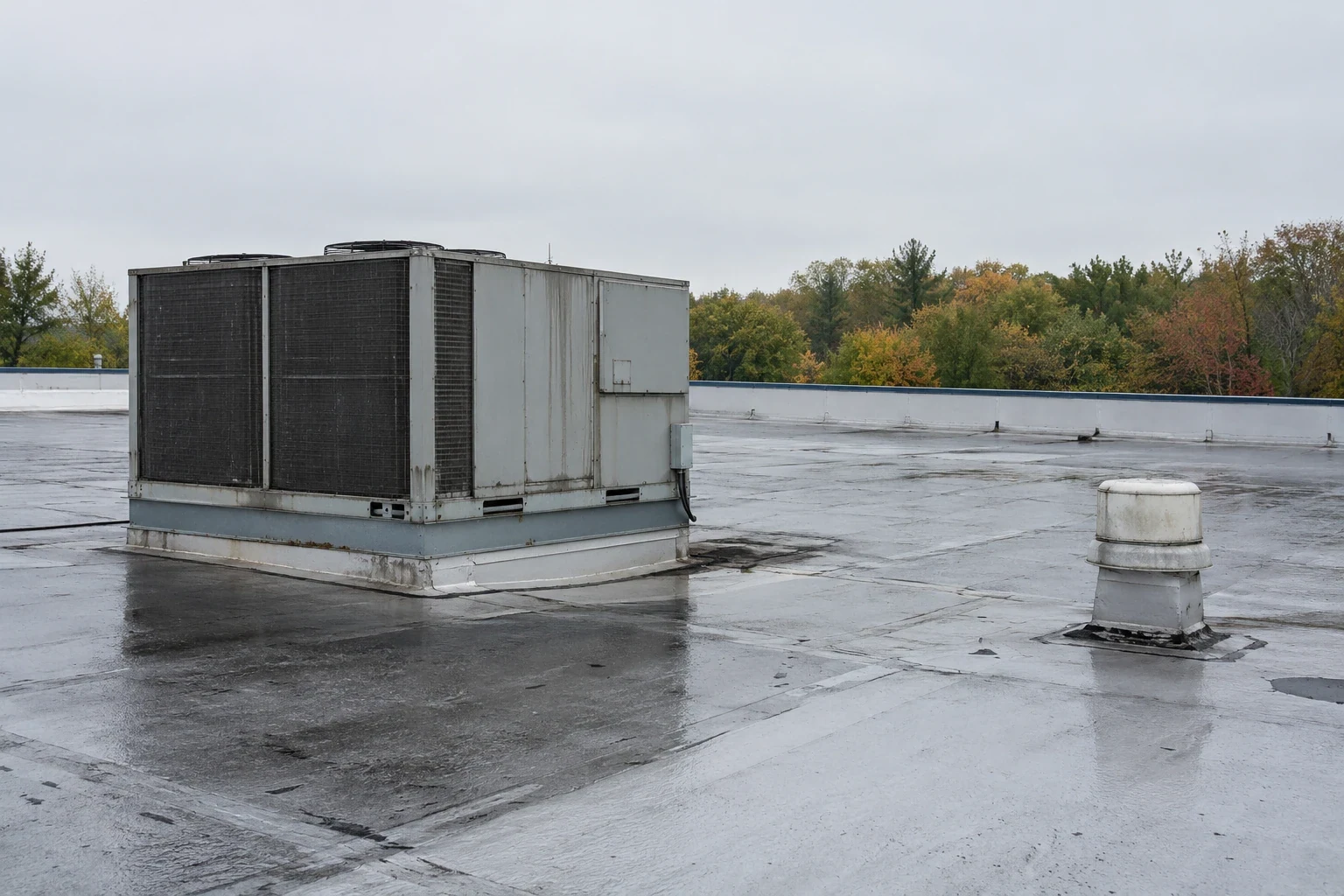
Kraft Heinz built a 382,157 square foot automated meat processing plant on 70 acres here, replacing an Oscar Mayer plant that had run in the Quad Cities since 1946. A processing building asks more of its roof than a dry warehouse does. Wash-down and process humidity rise through the deck. Exhaust stacks, makeup air units and refrigeration condensers fill the roof. Each one is a penetration and a place for water to start.
On a building like that we look for condensation on the underside of the deck, stained insulation around exhaust curbs and corroded fasteners near vents. Odor, dust and fumes matter as well: roofing material cannot drift into an intake, and sealants and adhesives have to be cleared with the quality team before they come up. Where rooms below run cold, a wet roof turns into frost and ice indoors, which makes it a cold storage roofing problem.
Reading a Big Footprint
Amazon's fulfillment center in the industrial center sits on a 158-acre site with a 640,000 square foot footprint. Sterilite's adjoining plant has roughly 2.5 million square feet of manufacturing and warehouse floor area. Those numbers describe floor area, not roof area. We inspect the assembly before naming a system.
On a building that large, the walk starts with a drainage map. We map each zone to its drains and scuppers, then check where additions meet the original building. Those joints move differently from the field. We log every rooftop unit, skylight and penetration, then group the work into zones that can be finished and dried in during a single shift.
Derecho Wind and Hail on Long Roofs
The park sits on Interstate 80 in northwest Davenport, and the storms that matter here come in straight lines. Davenport Municipal Airport read 86 mph in the August 10, 2020 derecho, and the July 15, 2024 derecho swept the region with damaging winds up to 100 mph. On long low-slope roofs, wind pulls hardest at corners and perimeters, so we check edge metal, coping and the fasteners along the outer rows first. On any roof the storm reached, that is where the claim begins.
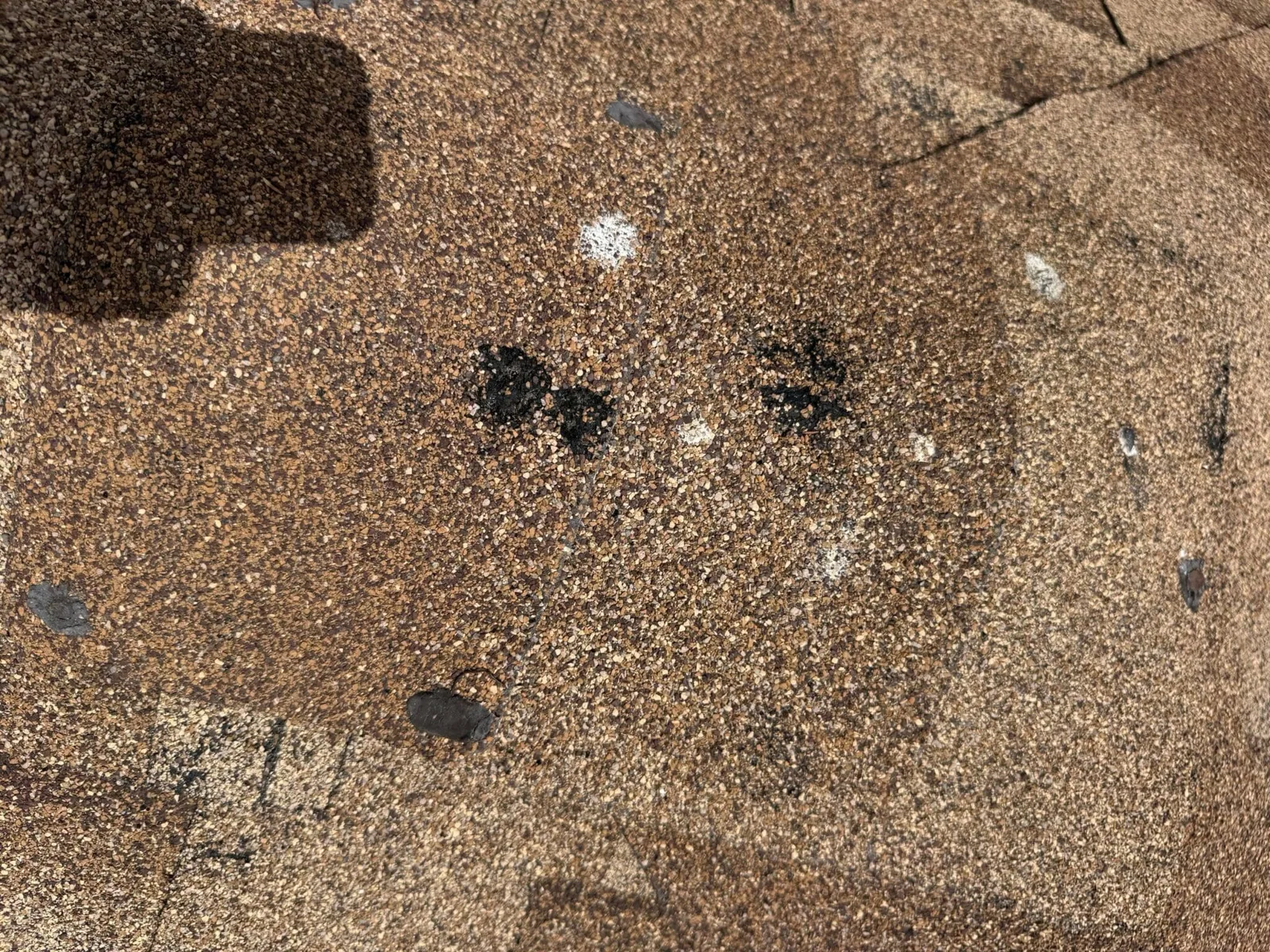
Hail is the second storm. Since 2004 the city center has collected 133 hail reports inside a 10 mile radius, with 2.5 inch stones on April 4, 2023 among them. Hail bruises a membrane and cracks cover board without opening a hole, and the leak shows up months later. A hail damage repair starts with test cuts and a photographed grid, because an adjuster will want to see the pattern.
Cold Swings on Long Runs
A long membrane run moves. Davenport records span 111 F to -29 F, and a very long roof stretches and pulls back with that swing. Seams, base flashings and the places where the membrane is pinned to a wall take the load. Add more than 36 inches of snow a year in the Quad Cities, with January near 10 inches, and drain sumps and low spots hold weight and freeze.
We walk the roof after the first hard freeze looking for pulled flashings and open laps. Mechanical fastening, adhered sheets and ballast behave differently in the cold, so we ask what you have before we pick a repair. A TPO roof and a built-up roof do not accept the same fix.
Shutdown Windows and What Drives Cost
The cheapest roof work in a plant is the work that never touches production. Tear-off over a line, over open product or over a clean room needs a shutdown window, and that calendar is often set a year ahead. We ask for the window before we write a scope. Where the window is short, a recover or a coating restoration can fit when a full tear-off cannot.
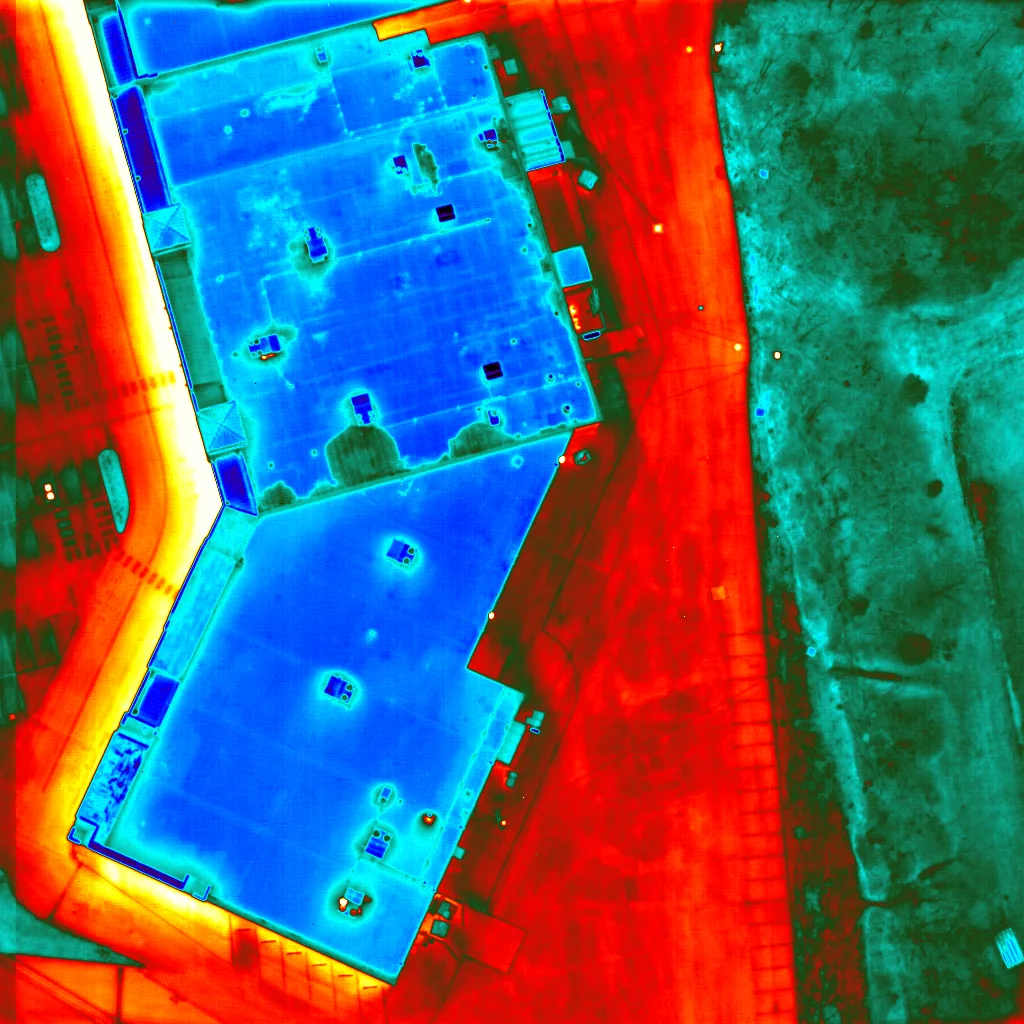
Wet insulation is the biggest cost swing. An infrared moisture survey shows how much of the roof is soaked and how much is dry, and cores confirm it. After that, cost follows deck condition, the number of curbs and penetrations, drainage fixes and how many shifts the dry-in requires. You get photos the same day and a plain call. A yearly maintenance visit keeps small things from becoming a second shift of buckets.
A commercial property with a different operating pattern needs its own access plan. Along the Kimberly Road corridor, confirm occupied hours and delivery routes before equipment is scheduled.
Send the Production Calendar
Send us the shutdown calendar, the building address and the area that leaked. We will set a walkthrough that fits your shifts and come back with a plain recommendation.
Questions About Eastern Iowa Industrial Center
The plant runs three shifts and cannot shut down. How does a reroof even happen?
In sections. We split the roof into zones that can be torn off, dried in and sealed within one shift, then move across the building in order. Equipment below gets covered or isolated first. Work over critical areas goes into scheduled stoppages, which you set. Send us the production calendar, the planned maintenance weeks and the areas that cannot be exposed, and we will build the sequence from those.
Our building shares a driveway with a rail spur. What do you need from us on access?
Give us the rail schedule, the truck routes and the closest spot where a crane can set up without crossing a track. We want to know who has the authority to stop a rail move and how much notice they need. Material deliveries then get timed to the gaps. Flaggers and a marked lay-down area go on the work order, so the dock crew sees the plan before the first load arrives.
Our floor has washdown humidity all day. Does that change the membrane?
It changes how you read the roof more than which membrane you pick. Wet air rises, hits a cold deck and condenses, and that can look like a leak. We take moisture readings, check vapor control and exhaust curb flashings, then decide. If the deck is shedding condensation, a new membrane will not fix it. Ventilation or insulation work has to go with the roof.
An adjuster wants a count of storm damage across a campus of buildings. Where do we begin?
Begin with the buildings that sat on the wind path and the oldest roofs, and photograph the perimeters first. We grid each roof, mark hail hits and edge damage, and write them up building by building. Do not wait for the claim to start the file: documented condition from before the storm helps. Send the dates of the August 2020 and July 2024 storms and the list of previous repairs.
Is a coating realistic on a roof this size, or do we end up replacing it?
A coating is realistic when the membrane is sound and the insulation is dry. We test with a moisture survey and adhesion cuts. If more than a scattered portion of insulation is wet, the coating just seals water in, and replacement is the right answer. Where it fits, a coating buys time on a budget cycle and can be applied zone by zone without stopping the floor.

Talk to a Davenport Commercial Roofer
Send the work order, the building address or a few photos of what you are seeing. We will set a walkthrough, go up with whoever has the hatch key, and tell you plainly what the roof needs.