
Preventive Roof Maintenance in Davenport, IA
Scheduled commercial roof maintenance in Davenport, IA: spring and fall visits, drain clearing, small repairs and photo reports that feed your roof budget.
A second-shift supervisor leaves a note for the maintenance office: water in the corner by the dock, again. By morning the plant manager wants to know why nobody caught it.
Usually the answer is that nobody was looking. A maintenance program fixes that. For a building in Davenport, IA, it puts a roofer on the membrane on a set schedule, clears what needs clearing, fixes what is small, and writes down what is getting worse. The roof stops being something you think about only when it leaks.
Spring and Late-Fall Visits
Two visits a year carry most of the weight. The spring visit is the damage check. We look for what the freeze-thaw cycle and the snow load did to seams, flashings and edge metal between December and March. The late-fall visit is the get-ready check. We clear the drains, pull debris from corners and behind units, and look at anything that would not survive another winter.
Davenport roofs live through a wide swing. The thermometer here has touched 111 F in summer and fallen to -29 F in winter, and membrane that expands and shrinks across a spread like that works its seams every year. Catching a lifted seam in April costs a repair ticket. Catching it in August, after a wet summer, costs wet insulation.
What Goes on the Visit Report
You get a short report after every visit, not a verbal update in the parking lot. It has the same bones each time so you can compare spring to fall and this year to last.
- Drains, scuppers and overflow openings: clear, partly blocked, or blocked, with a photo.
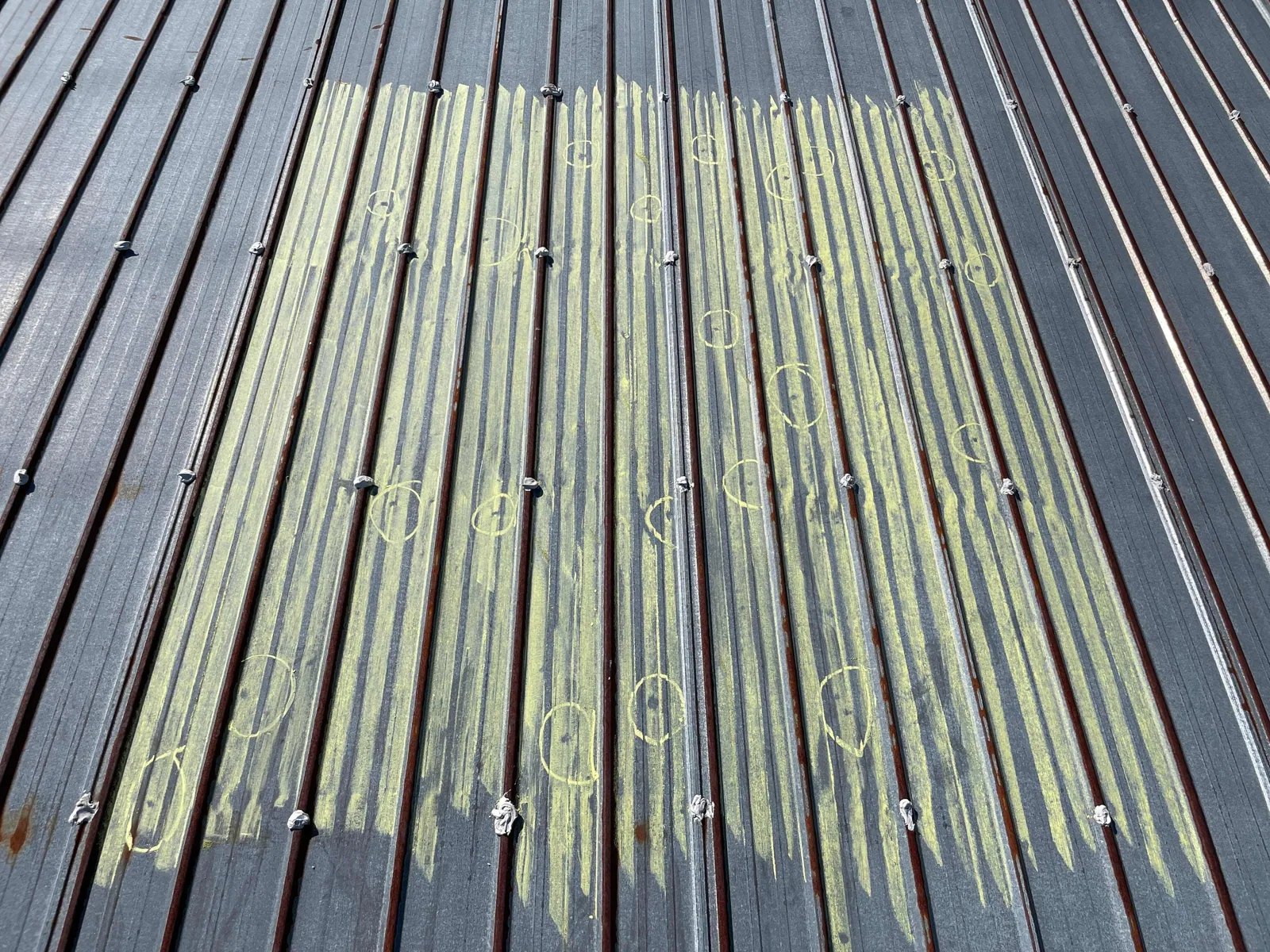
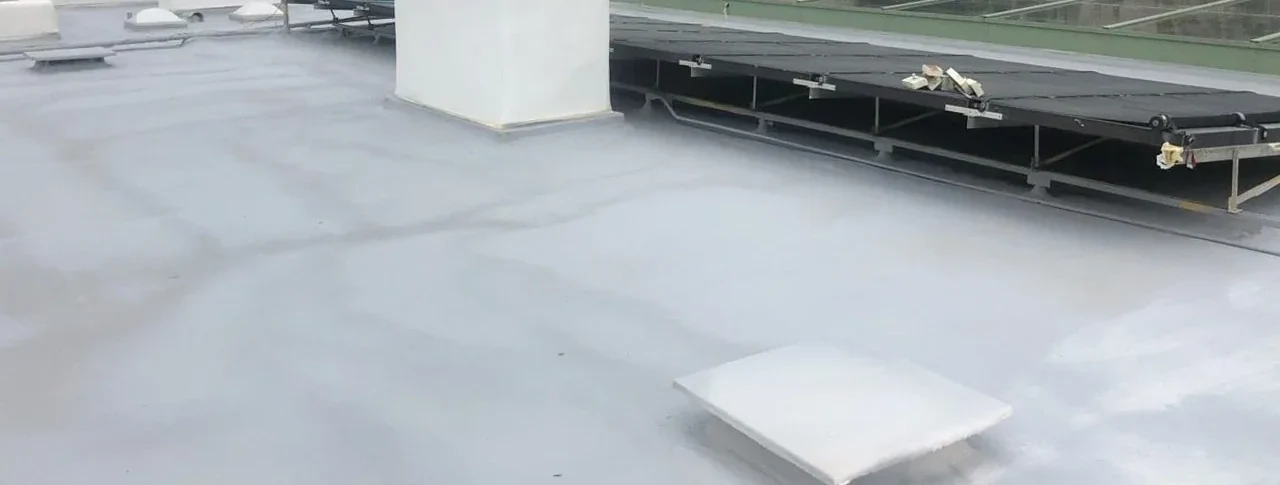
- Seams, laps and field membrane: any lifting, splitting, blistering or punctures.
- Flashings, curbs and pipe boots: sealant gaps, loose terminations, metal that has moved.
- Rooftop units: panel screws, drain lines, and whatever the HVAC contractor left behind.
- Ponding: where water was standing at the time of the walk, and how long ago it rained.
Anything that needs work gets a line, a photo and a priority: fix now, watch, or plan.
Ice, Snow and the Drains
A normal Quad Cities winter drops more than three feet of snow, with January the heaviest month. That weight has to go somewhere when it melts, and most of the time it goes to a drain.
A drain choked with leaves, grit or gravel turns a thaw into a pond, and a refreeze turns the pond into ice that pushes against the base flashing. We check the drain bowls, strainers and sumps on every visit, and we look for the low spots that tell us a drain is not pulling its share. Where roof drains and scuppers are undersized or badly placed, the maintenance report says so, and that goes into the capital plan.
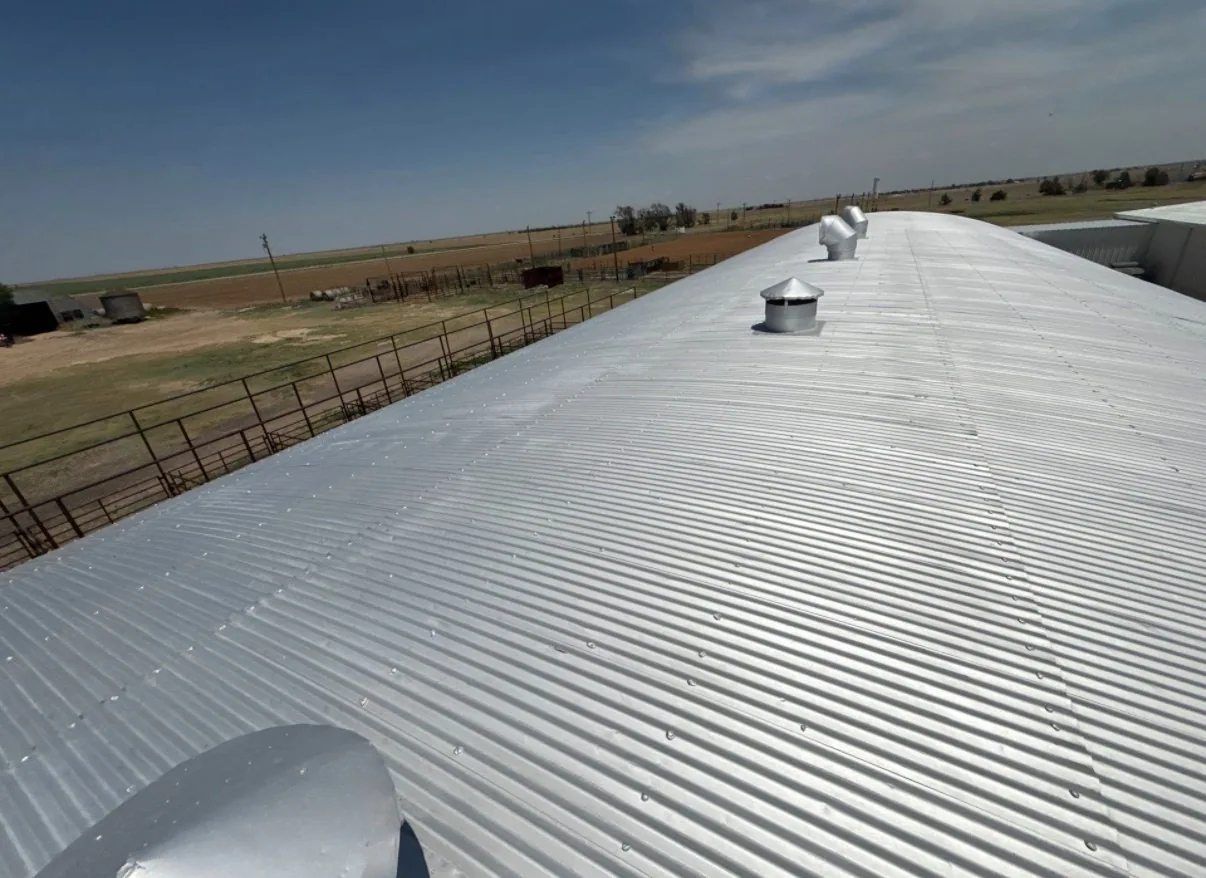
On metal roofs and sloped sections over entries, we also check the snow guards, since a slide of wet snow over a doorway is a safety problem before it is a roof problem.
After a Derecho, After Hail
Weather in this part of Iowa does not wait for the calendar. The derecho of July 2024 pushed gusts near 100 mph through the region, and hail has been reported around the city more than a hundred times since 2004, with stones the size of baseballs in the spring of 2023.
Program customers get a storm check added to the schedule. After a big event we walk the roof against the last visit report, so we can say what changed. That comparison is useful in two ways: it shows where to repair, and it gives you a before-and-after record if the damage belongs in an insurance claim. A building with a clean spring report and a damaged post-storm report has an easy story to tell.
Small Repairs on the Same Trip
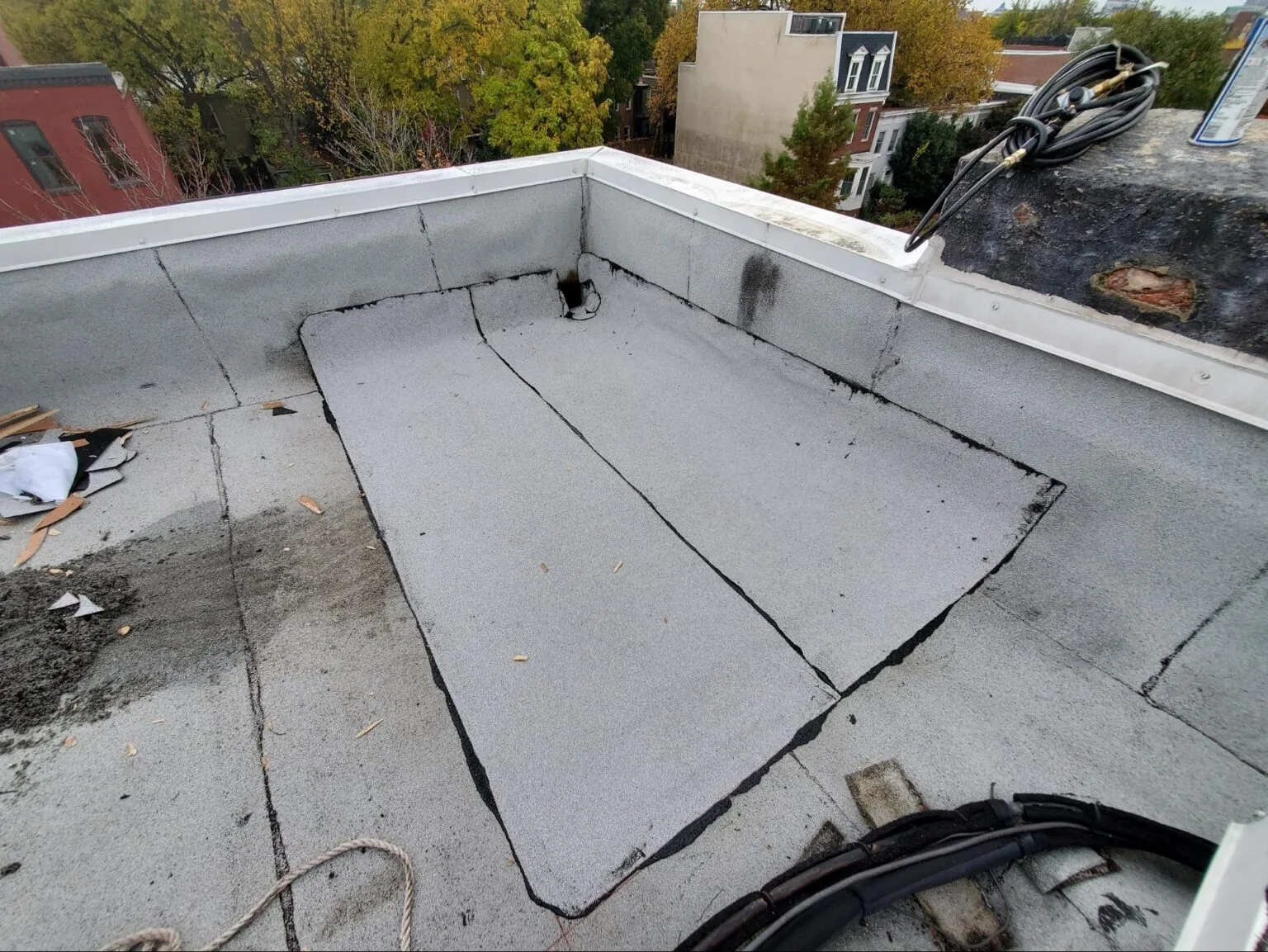
There is no sense scheduling a second truck for a ten-minute fix. On a program visit we carry sealant, patch material, fasteners and replacement boots, and we make the small repairs while we are up there: a split pipe boot, a loose termination bar, a lifted seam, a missing fastener cap on an exposed metal panel.
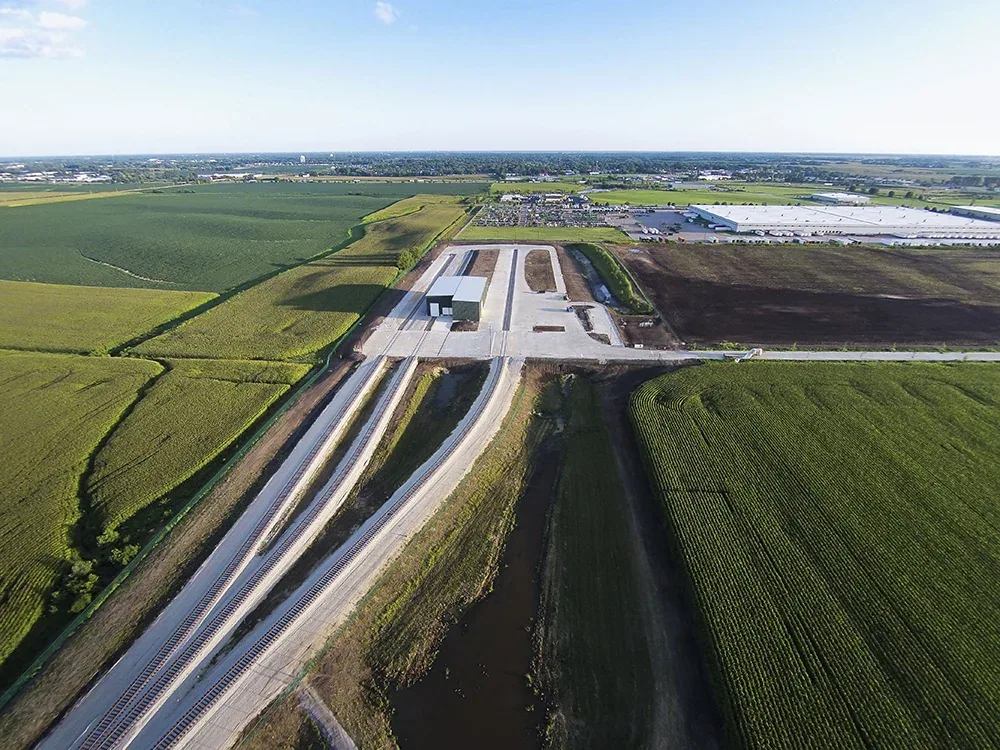
Bigger items get a proposal. A run of failed flashing or a damaged curb is a job for planned commercial roof repair, and we write it up with photos before anyone commits budget. The same visit routine fits a large low-slope building in the Eastern Iowa Industrial Center and a small office roof, with more ground to cover and a badge-in at the gate.
Records That Feed the Budget
A year of visit reports is the best argument for or against replacement you can bring to a finance meeting. It shows how fast the roof is declining, what you spent on repairs, and where the next dollar should go.
We organize the photos and notes by roof section, so a property manager with several buildings can see the whole portfolio on one list. The same records support roof capital planning and a clean handoff if the building changes hands or the facilities team turns over. Owners along a busy commercial corridor like Kimberly Road, lined with retail, apartments and offices, can hand a simple summary to every tenant.
A maintenance log earns its keep when the same defect can be compared season to season. We record drain condition, seam changes, sealant movement and repairs by roof zone, then assign a next action and a due window. Before winter, that means clearing outlets and checking details where snow can back up. After a high-wind event, it means a focused check of perimeter metal and rooftop equipment. The result is a work list that fits a real operating calendar.
Set Up the First Walkthrough
Send us the building list or the last work order that mentioned a roof, and we will set a walkthrough to build the first visit schedule. Emergency work focuses on protecting the building and documenting what the permanent repair will require.
Questions About Preventive Roof Maintenance
We have six buildings and one maintenance man. How should we phase a program?
Start with the two oldest roofs and the ones that already leak. Those get the full spring and fall schedule right away, and the newer buildings go on a lighter once-a-year walk until the first reports come back. After a year of records you will see which roofs deserve more attention, and the schedule can shift to match.
Does a maintenance program replace my own staff walking the roof?
Your staff should keep an eye on drains after storms, and we encourage it. What they will not have is a trained eye for early seam failure, a camera log, and a repair kit in hand. Think of your people as the first alert and the program as the proper check, with the paperwork a lender or insurer expects to see.
What happens when a visit turns up a real problem?
You hear the same day. We send photos with a plain label on each item, and if water is getting in, we make it safe first with a temporary repair. A proposal for the permanent fix follows once you have seen what we saw, so nobody is asked to approve work they have not looked at.
Can we sign up mid-winter, or should we wait for spring?
Sign up when the need shows up. A winter visit is limited by snow cover and cold, so we focus on drains, ice at edges and anything visible from the hatch, then do the full membrane walk when the roof is clear. Waiting only delays the baseline report you will want for the next budget cycle.
Will a program affect the roof warranty?
Most manufacturer warranties expect the owner to keep the roof maintained and to keep records. A program gives you both. Bring your warranty paperwork to the first walkthrough and we will mark what the manufacturer asks owners to do, so the visit schedule and the report format match it.
Talk to a Davenport Commercial Roofer
Send the work order, the building address or a few photos of what you are seeing. We will set a walkthrough, go up with whoever has the hatch key, and tell you plainly what the roof needs.