
Roof Insurance Claim Assistance in Davenport, IA
Roof documentation and carrier coordination for commercial insurance claims in Davenport, IA: loss dates, photos, test squares and scope review.
The adjuster's email has two attachments and one line: send documentation of the loss. The property manager forwards it to the roofer with a single question. What exactly do they want?
That question is where a roof claim in Davenport, IA is won or stalled. A carrier needs proof that the damage came from a specific event, that it is large enough to matter, and that the repair scope is priced fairly. We help build that proof from the roof up. We do not argue coverage and we do not act as your public adjuster, but we make sure the roof speaks clearly.
The Package Behind a Claim
A good roof claim file is mostly boring paper, which is exactly why it works.
- Dated photos of each damaged area, taken wide and close, with a scale reference.
- A roof diagram that marks every finding by location.
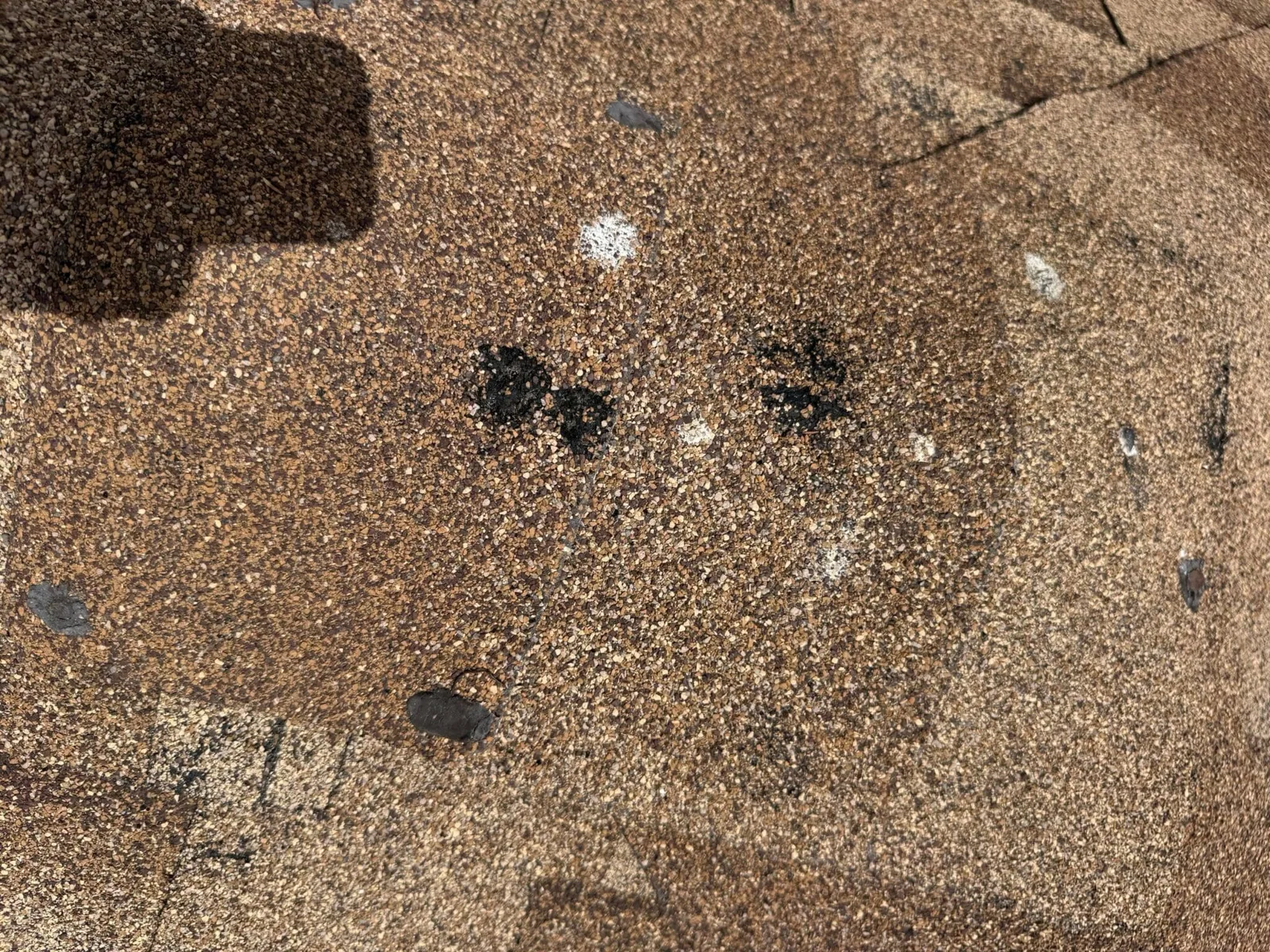
- Test-square results for hail, with counts on each slope.
- Core cuts and moisture readings where water reached the insulation.
- A written description of each finding and the event that caused it.
- A repair scope with materials and details, ready for the carrier to price.
We put it together as the work happens, not afterward from memory. If a photo was not taken on the day of the walk, it usually never gets taken.
Pinning the Date of Loss
Carriers ask when it happened. Roofs do not carry a calendar, so we work from the weather record.
The Quad Cities have a long list of dated events. The derecho of August 10, 2020 put an 86 mph gust on the instruments at Davenport Municipal Airport. Hail reports within 10 miles of the city center include baseball-size stones on April 4, 2023 and two-inch stones on April 7, 2020. The July 2024 derecho brought damaging winds of up to 100 mph across the region, and in July 2025 an EF-2 tornado crossed Davenport. We match the damage pattern on your roof to the storm that fits, using wind direction, hail size and what was damaged first, and the bruising of hail damage reads differently from a wind tear. If two storms could be responsible, we say so, since a claim that guesses at the date draws questions.
Storm Damage and Old Wear
Insurers pay for sudden damage. They do not pay for age, and they will look for it.
So we separate the two before they do. Blistering, alligatoring, worn granules and previous patches get their own column in the report, and storm findings get theirs. That honesty protects the claim. An adjuster who sees an owner has already drawn the line between old and new tends to trust the rest of the file. When it is mixed, as it often is on a roof that has been through a few Davenport winters, we show which findings are fresh using fracture surfaces, clean breaks and the condition of exposed edges.
A fresh commercial roof inspection record from before the storm makes this easier, and a written roof condition report gives carriers a baseline to compare against.
Walking the Roof With the Adjuster
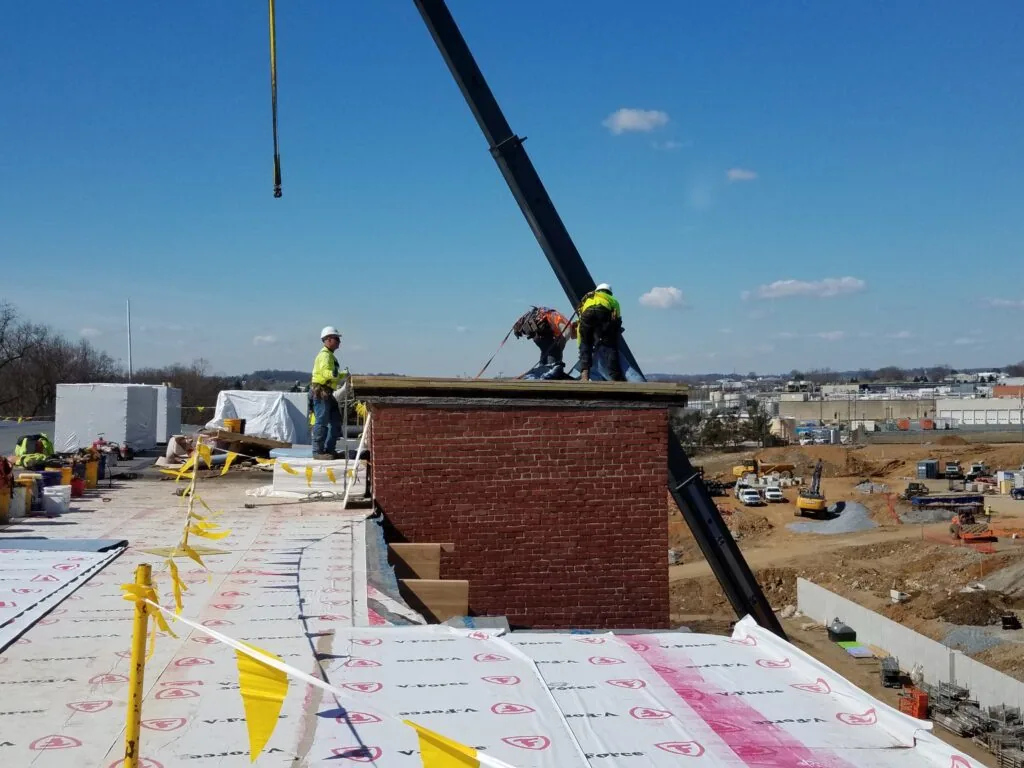
We ask to be on the roof when the adjuster is. It is a collegial visit, not a showdown. We bring the diagram, the test-square marks and the photos, and we point to what we found and why.
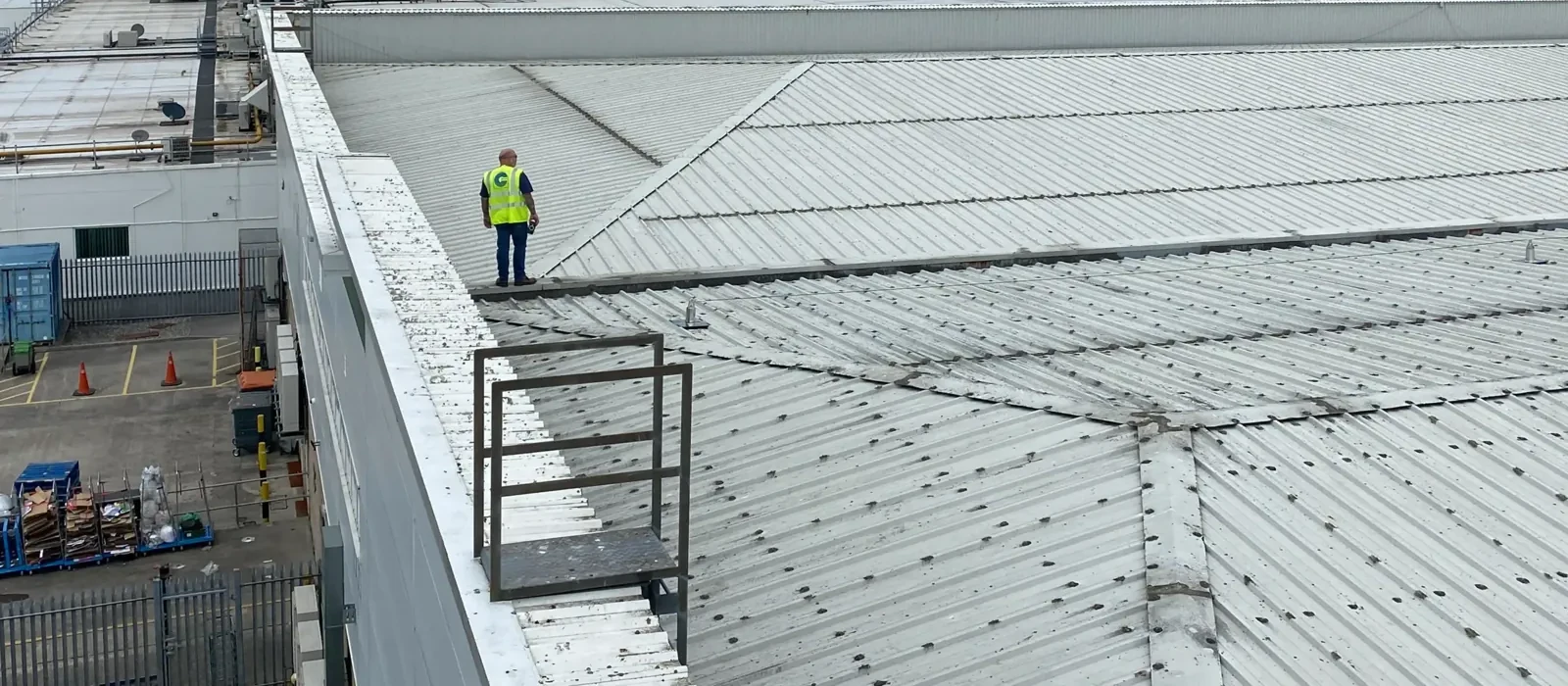
Access is the practical part. Someone has to open the hatch, someone has to cover a production area, and the adjuster needs fall protection. We coordinate all of it with your facility contact. For the older masonry buildings in downtown Davenport, we arrange the lift or ladder ahead of time. A plant in the Eastern Iowa Industrial Center adds a badge and a safety talk to the visit, so we book the adjuster and the roof access together. If a section of roof cannot be reached safely, the drone record fills the gap.
Reading the Scope and the Estimate
When the carrier's estimate comes back, we read it line by line against our scope. The common gaps are quantity, not method: fewer square feet than the roof actually needs, no allowance for disposal, no line for tapered insulation or flashing height, no cost for temporary protection.
Code can matter here. The city has adopted the 2021 International Building Code and International Existing Building Code with local amendments, and the State of Iowa Energy Conservation Code is on its list as well, which can bear on insulation when a roof is replaced. When a repair triggers code upgrades, we document the code section so the carrier can evaluate it. Where the estimate and scope differ, we put the difference in writing with photos, and you decide whether to ask the carrier to reopen it.
Deadlines and the Emergency Work
Policies have notice deadlines, and some carry separate windows for storm claims. Read yours, and ask your agent early. We are roofers, not lawyers, so we do not interpret coverage.
What we do is protect the building while the claim moves. Emergency dry-in work is documented at the time it happens, and the receipts and photos go in the file, since most policies expect the owner to prevent further damage. If the loss involves hail or wind, that dry-in record sits beside the findings from the storm damage walk. A firm that handles several claims at once can ask us for one binder per building, which suits property management companies with a stack of open files.
The clearest claim file connects each roof observation to a dated image and a location on the plan. We describe the visible condition and the repair needed, then distinguish direct storm damage from maintenance or pre-existing deterioration when the evidence supports that distinction. The owner can compare the contractor scope with the adjuster's list item by item. If concealed wet insulation is discovered during approved work, stop at the agreed limit, document the opening and request direction before expanding the scope.
Send the Adjuster's Email
Forward the carrier's request along with the date of loss and building address, and we will set a walkthrough with your facility contact to start building the file.
Questions About Roof Insurance Claim Assistance
Can you tell us whether a claim is worth filing?
We can tell you what the roof shows. If there is fresh damage across several slopes, filing is a reasonable conversation to have with your agent. If the findings are mostly age, we say that too. The coverage question belongs to your carrier, but a walk with test squares gives you the facts to make the call.
The carrier denied the hail claim. Where do we go from here?
Start by asking for the reason in writing, then compare it to the roof. We can run a second set of test squares, document what the carrier's inspector may have missed, and give you a report that answers the stated reason point by point. Whether to appeal or bring in a public adjuster is a choice for you and your agent.
Should we repair the roof before the adjuster comes?
Make the building safe, and stop there. Temporary dry-in is expected and should be photographed. Permanent repairs that remove the damage before it is documented can complicate the claim, so wait for the adjuster's visit unless the roof cannot be left as it is.
Our building was damaged in two storms a year apart. How do we sort that out?
We build a timeline. The earlier inspection report, any prior claim file and the physical condition of the damage let us assign findings to each event. If neither is available, test squares and the age of the exposed surfaces still give a reasonable picture, and we explain the limits in the report.
Do we pay you if the claim is paid?
Documentation and inspection work are priced as services whether or not the carrier agrees. We tell you the cost before the walk. Repair work that follows is quoted separately, so you are never surprised about which bill belongs to which job.

Talk to a Davenport Commercial Roofer
Send the work order, the building address or a few photos of what you are seeing. We will set a walkthrough, go up with whoever has the hatch key, and tell you plainly what the roof needs.