
Built-Up Roofing (BUR) in Davenport, IA
Built-up (BUR) roofing in Davenport, IA: layered felts and asphalt, gravel in high wind, hot-asphalt safety on occupied buildings and reading an aging roof.
The gravel has drifted into a pile against the south parapet, and a bare patch shines where it used to lie. Somebody finally asked why.
Built-up roofing, or BUR, is the oldest layered roof still in regular use: sheets of reinforcing felt mopped together with hot bitumen, then finished with gravel or a coated cap. The layers give it a redundancy that thinner roofs lack, and it has a long record on flat buildings. In Davenport, IA it also has quirks tied to wind, hot asphalt and age. Here is how we read one, and how we decide between keeping it, fixing it and moving on.
Plies, Bitumen and a Surface
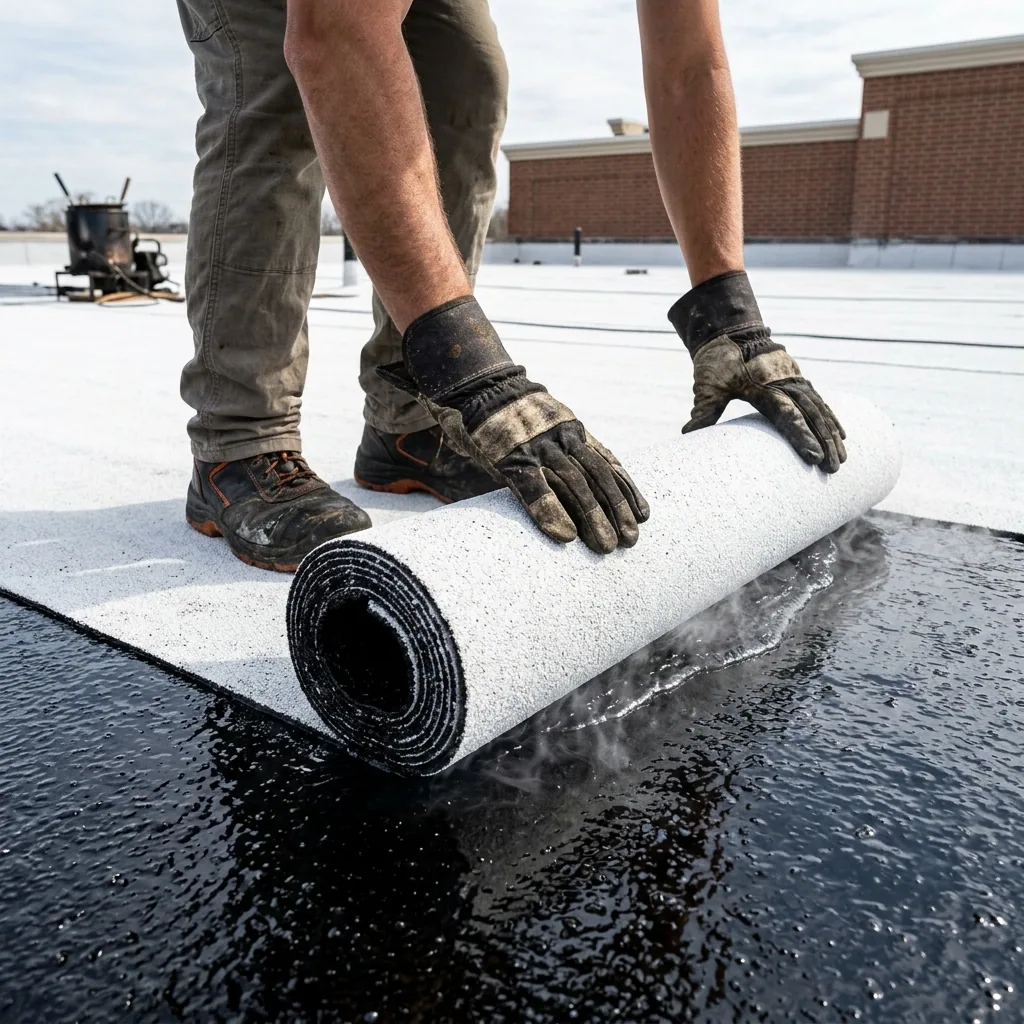
A BUR goes together from the bottom up. A base sheet or vapor retarder sits over the insulation. Then come several plies of felt, each mopped in hot asphalt so that no ply lies against another dry. A flood coat of asphalt closes the stack and holds a layer of gravel, or a mineral-surfaced cap sheet takes the place of the stone.
The strength is the stack. A cut in one ply is backed by the plies below it, and the asphalt between them seals small defects on its own. The price of that strength is weight, and a hot kettle on the site.
The gravel is not decoration. It shades the asphalt from sun, spreads the load of foot traffic and adds fire resistance. When it goes missing, the roof ages fast.
Gravel and the Wind
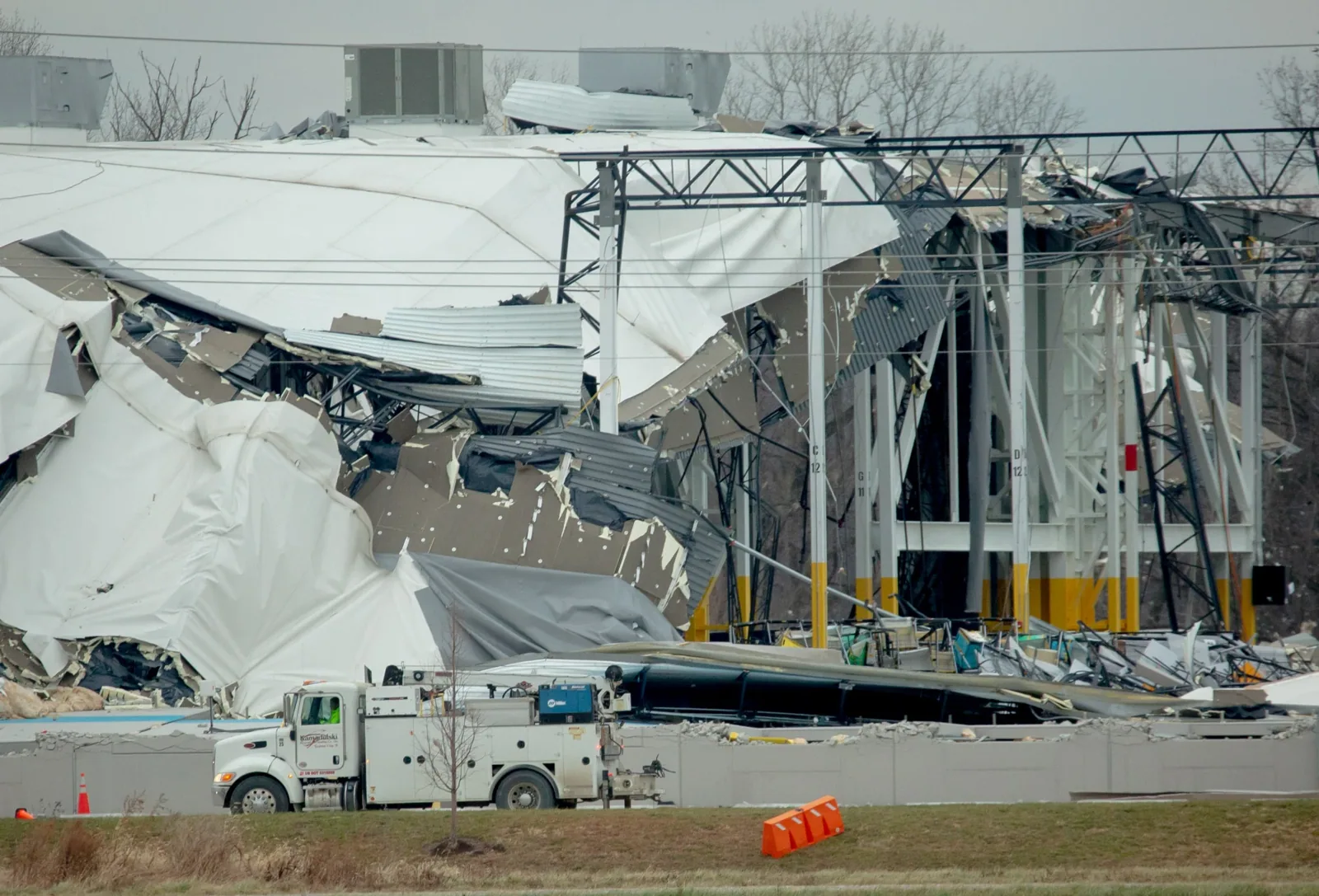
Wind finds loose gravel first. An EF-1 tornado touched down on October 6, 2016 with winds near 115 mph. Its track started at Credit Island, crossed I-80 close to Middle Road in Bettendorf, and left the Scott County Jail with a damaged roof. On July 11, 2025 an EF-2 tornado covered seven miles, beginning southeast of Blue Grass, passing through Emeis Park and ending at Kimberly Road and Fairmount Street.
A gravel-surfaced roof in a storm like that throws stone. It lands on windows, cars and anyone crossing a lot, and it leaves bare asphalt for the sun to bake. So we check embedment: how much stone is stuck in the flood coat, and how much just sits on top. Perimeters get deeper embedment, or a coated surface in place of gravel, and gravel stops are set to the right height. After a blow we sweep, re-flood and re-grave the bare patches, the first round of tornado damage repair on a gravel roof.
Why Owners Hold On to BUR
Three conditions keep a layered roof on the list:
- Heavy traffic. Technicians who service rooftop units all year do less harm to a thick, gravel-covered surface.
- Messy details. Hot asphalt wraps around odd pipes, hatches and curbs in a way sheet goods struggle to match.
- A long hold. An owner who keeps a building for decades values a roof with spare layers.
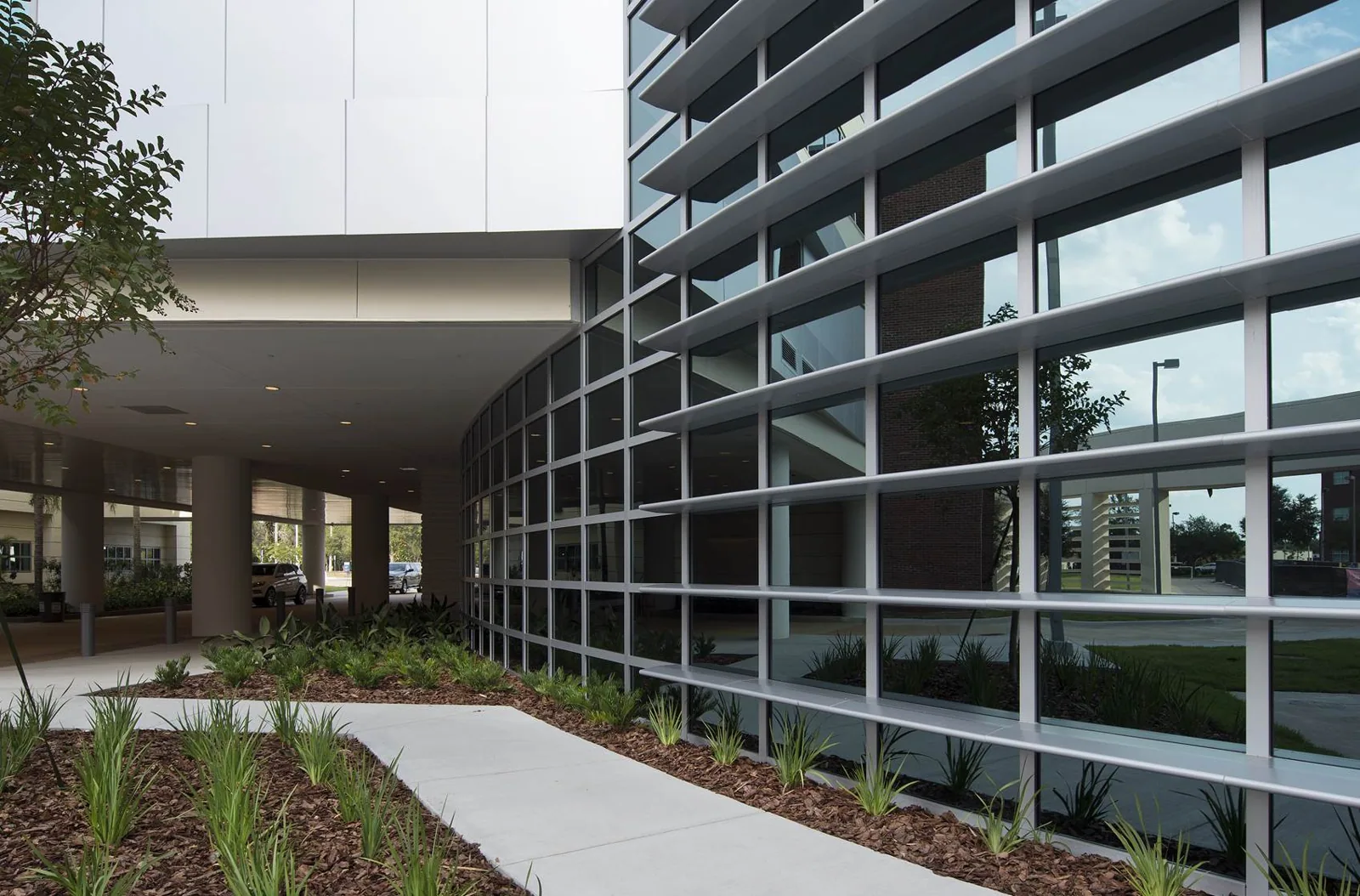
Hospital owners often sit in that last group. Genesis Health System, based in Davenport, runs six healthcare locations with 760 licensed beds, and an owner with patients under the roof thinks hard about redundancy. A hospital roof also carries air intakes and rooftop plant that need protecting, and a thick, layered surface tolerates the service traffic that comes with them.
Hot Asphalt Near People
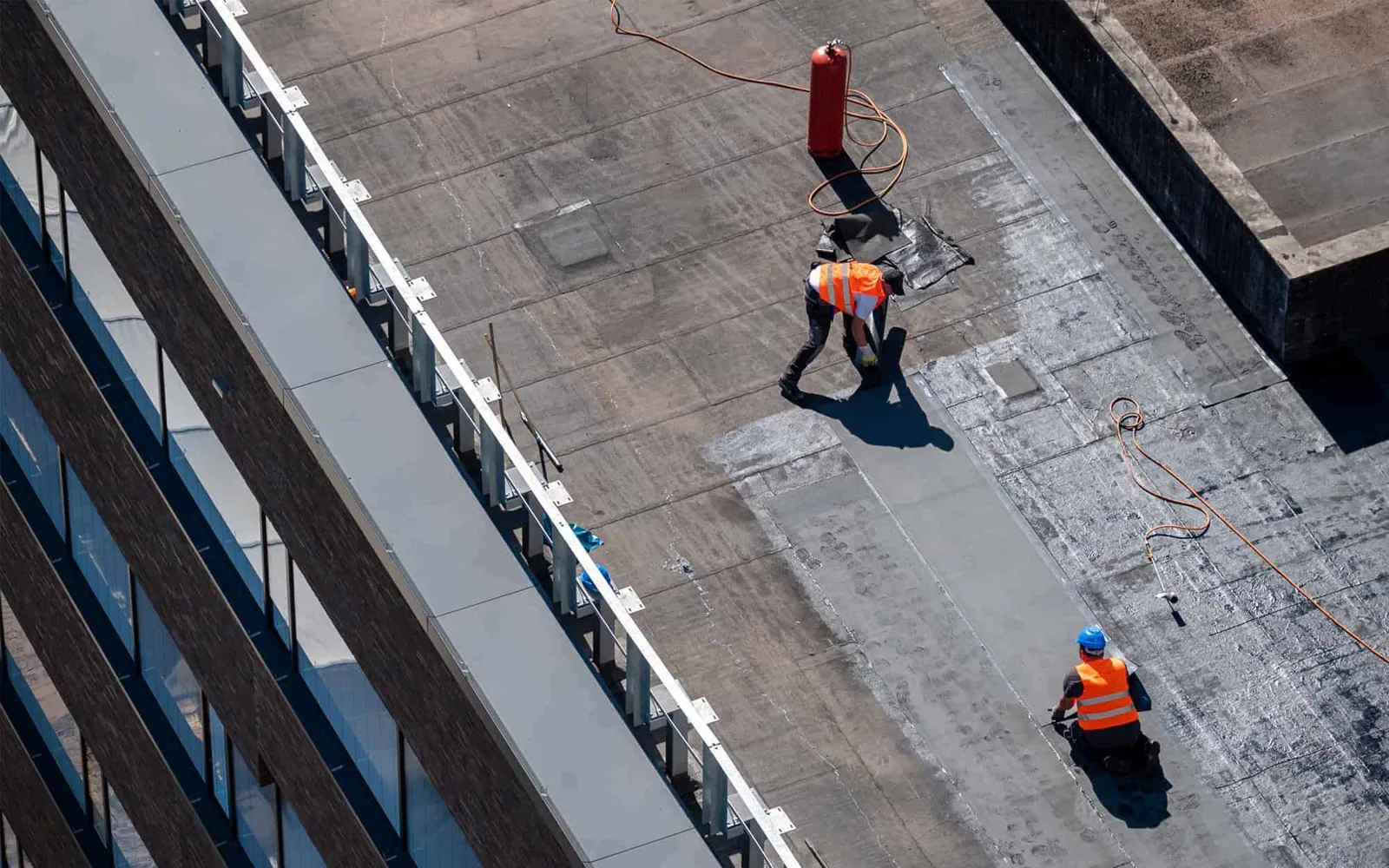
The kettle is the part everyone remembers. It heats asphalt to mopping temperature, and it sits either on the ground with a hoist line or on the roof with a fenced-off footprint. Either way it throws fumes, and it needs a fire plan.
On an occupied building we ask for the air intake locations first. We shield the ones we can reach, keep the kettle downwind of them and start early so the heaviest odor is gone before the offices fill. Tenant notice goes out ahead, with the dates and the hours. If an owner cannot accept hot work at all, we price a cold process or self-adhered system instead, and the modified bitumen option is the closest relative.
Reading an Aging BUR
An older BUR tells you its condition if you know where to look. Alligatoring, a crazed pattern in the surface, means the asphalt has dried out. Ridges along felt joints suggest moisture or movement. Exposed felts mean the flood coat is gone, and slipped flashings at walls and curbs show where the stack has pulled away.
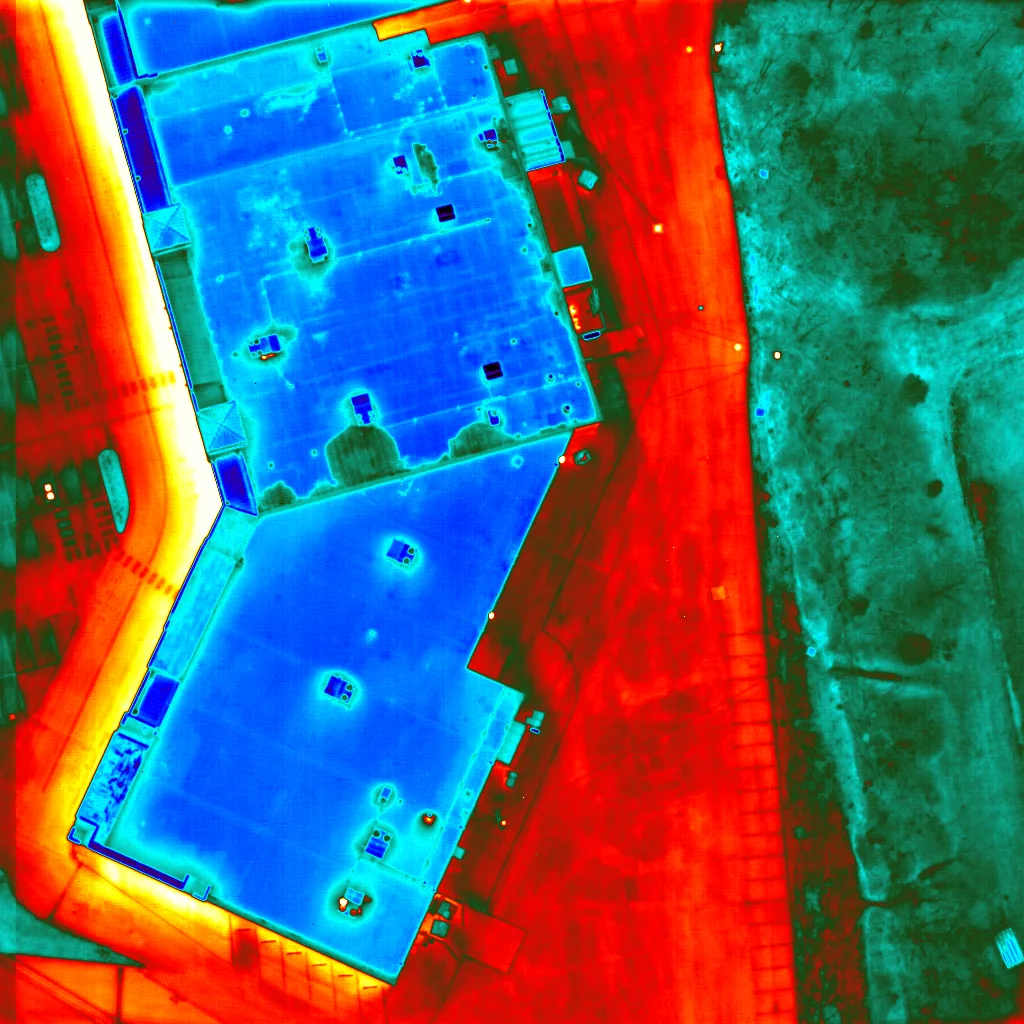
Freeze and thaw does the rest. Water that gets into a split freezes, expands and widens it. Davenport's record low is -29 F, and a split in the felts lets that cold work its way down to the deck. We pair a walk with an infrared moisture survey on a clear evening, then cut cores at the cold spots to see how many plies are wet. If a few areas are bad, a planned repair and a coat of asphalt can carry the roof for years. If the wet area keeps spreading, we say so.
Asbestos Tests and the Next Roof
Older BUR roofs, flashings and cements sometimes contain asbestos. Before any tear-off on an old roof we collect samples and send them for testing, because the results set the disposal plan and the price.
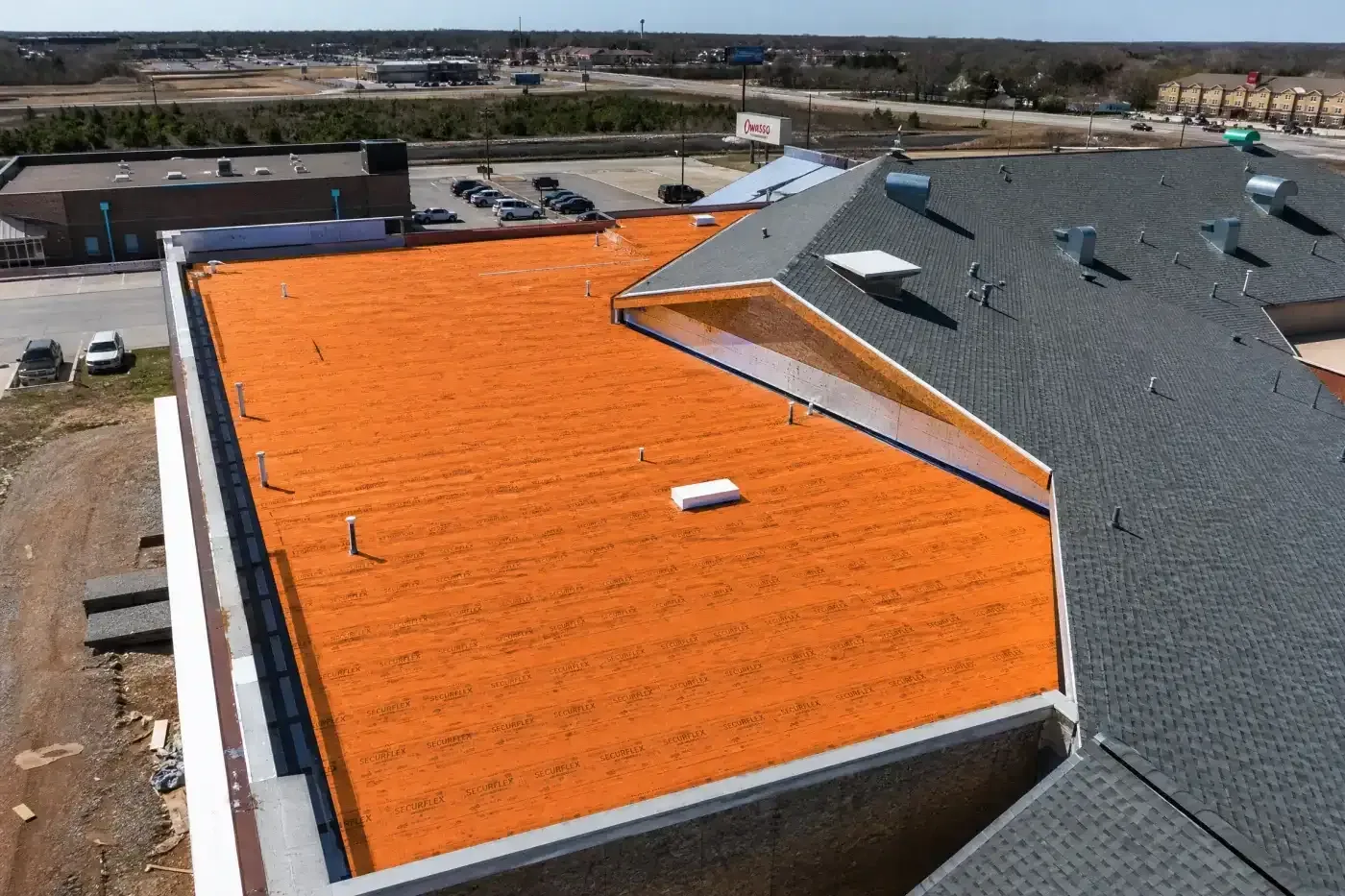
Davenport adopted the 2021 International Existing Building Code with local amendments, and a recover turns on how many layers are already on the roof and how much weight a new one adds. A roof recover over a dry BUR is sometimes allowed. A wet one has to come off. We put both on one sheet side by side, so the cost of each path is plain before you commit.
If the built-up field is dry and sound, acrylic roof coating may be one restoration option to price against a recover.
Pull a Core, Then Call
Send the roof plan and the date of the last repair, and tell us where the gravel has gone. We will set a walkthrough, cut a core if you allow it and give you a straight recommendation: recoat, repair or reroof.
Questions About Built-Up Roofing (BUR)
The gravel is thin along the south wall. Can we just spread more over it?
Spreading helps only if the asphalt underneath is sound. Sweep the bare area, look for exposed felt and cracked bitumen, and photograph what you find. If the surface is intact, we flood it with asphalt and set fresh gravel into the coat, which is the repair that lasts. Loose stone dropped on bare asphalt blows off in the next heavy wind and leaves you where you began.
How can we tell alligatoring from ordinary weathering?
Press a screwdriver edge into the pattern. Weathering leaves a hard, dull surface that is still bonded. Alligatoring breaks into small plates, crumbles, and may show a dry brown layer under the crust. Count how much of the roof is affected and note where it sits near drains and walls. A few patches can be coated. Cracking across the whole field points toward replacement.
Is hot asphalt allowed on a building with patients or residents below?
Often, with controls. The owner and the fire marshal have the last word, and many facilities teams prefer a cold-applied system near sensitive areas. We bring a written plan covering the kettle location, the hot-work permit, the intake covers and the fire watch, and we offer an alternative method so the facility can choose with both in hand.
What does it mean when we see the felts through the gravel?
The protective coat is gone, and the felts are taking sun and rain that should have hit stone. Left alone, they dry, crack and let water into the plies. Cover them soon with a flood coat and gravel, or a coating system if the roof is smooth. Photograph the area, mark it on a roof plan and ask us to check the plies next to it.
Could we switch from BUR to a single-ply without tearing everything off?
Sometimes. The BUR must be dry, flat enough and within the layer limits the city allows. A moisture survey answers the first question, and the framing check answers the second. If both pass, a cover board and a new sheet go over the old roof, which saves disposal and disruption. If not, a tear-off is the right answer and we price it that way.
Talk to a Davenport Commercial Roofer
Send the work order, the building address or a few photos of what you are seeing. We will set a walkthrough, go up with whoever has the hatch key, and tell you plainly what the roof needs.