
Manufacturing Plant Roofing in Davenport, IA
Roof repair and replacement for manufacturing plants in Davenport, IA, scheduled around production, shutdown weeks and the rules inside your fence.
The plant manager has a shutdown week circled on the calendar. The roof has to fit inside it, and the line cannot wait on weather.
That is the real constraint on a plant roof in Davenport, IA. Production sets the dates, and the roofing plan follows. We start with a walkthrough: badge in, safety talk, then up the ladder or through the roof hatch with your maintenance lead. We look at what the roof is carrying, where it leaks and what the building does underneath it. Photos reach your maintenance lead the same day, along with a short written answer.
Reading the Plant Before the Roof
A plant roof lives with the process under it. Heat rises, steam condenses, and exhaust goes out through stacks that were added in different decades. A drip inside may be a roof leak, or it may be condensation on a cold deck.
We ask what runs below the spot before we judge the membrane. Wash-down areas, ovens, plating, cooling water and compressed air all change the answer. Then we trace the leak, because the wet stain on the floor is rarely under the opening in the roof.
When we cannot tell from the surface, an infrared scan and a few core cuts find the wet insulation and separate it from a condensation problem.
Exhaust, Grease and Membrane Choice
Not every membrane likes the air around a plant. Oils, fats and chemical vapors from a process vent can soften or stain some single-ply sheets, and a film on the surface can change how a repair bonds.
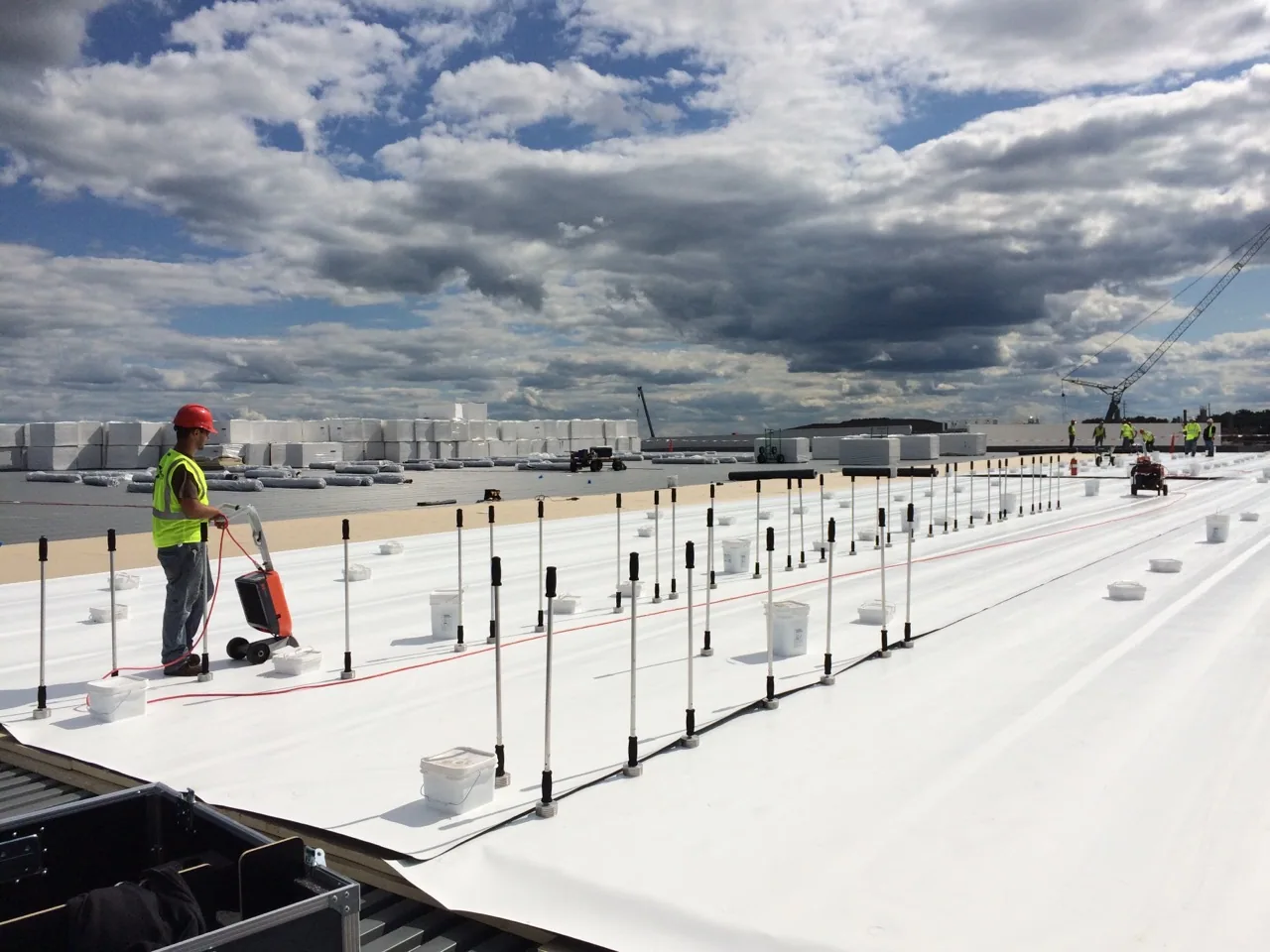
Where the exhaust is heavy, KEE and PVC are the sheets we look at first, since they stand up to grease and many chemicals better than a standard membrane. Near the stacks we test a sample before committing to a repair method. Sheets lose their grip on a dirty surface, and a patch laid over film peels in a season.
A food plant adds one more rule: nothing falls into the product. The Kraft Heinz plant in the Eastern Iowa Industrial Center, a 382,157 square foot automated meat processing plant, shows what is at stake in that setting. Roofing above a clean production floor needs covered openings, vacuumed debris and no open deck over the line.
Shutdown Weeks and Second Shift
Plant work is scheduled from the production calendar. A summer shutdown, a holiday week or a slow stretch between orders is when large tear-offs happen. Outside those windows, we work in smaller pieces.
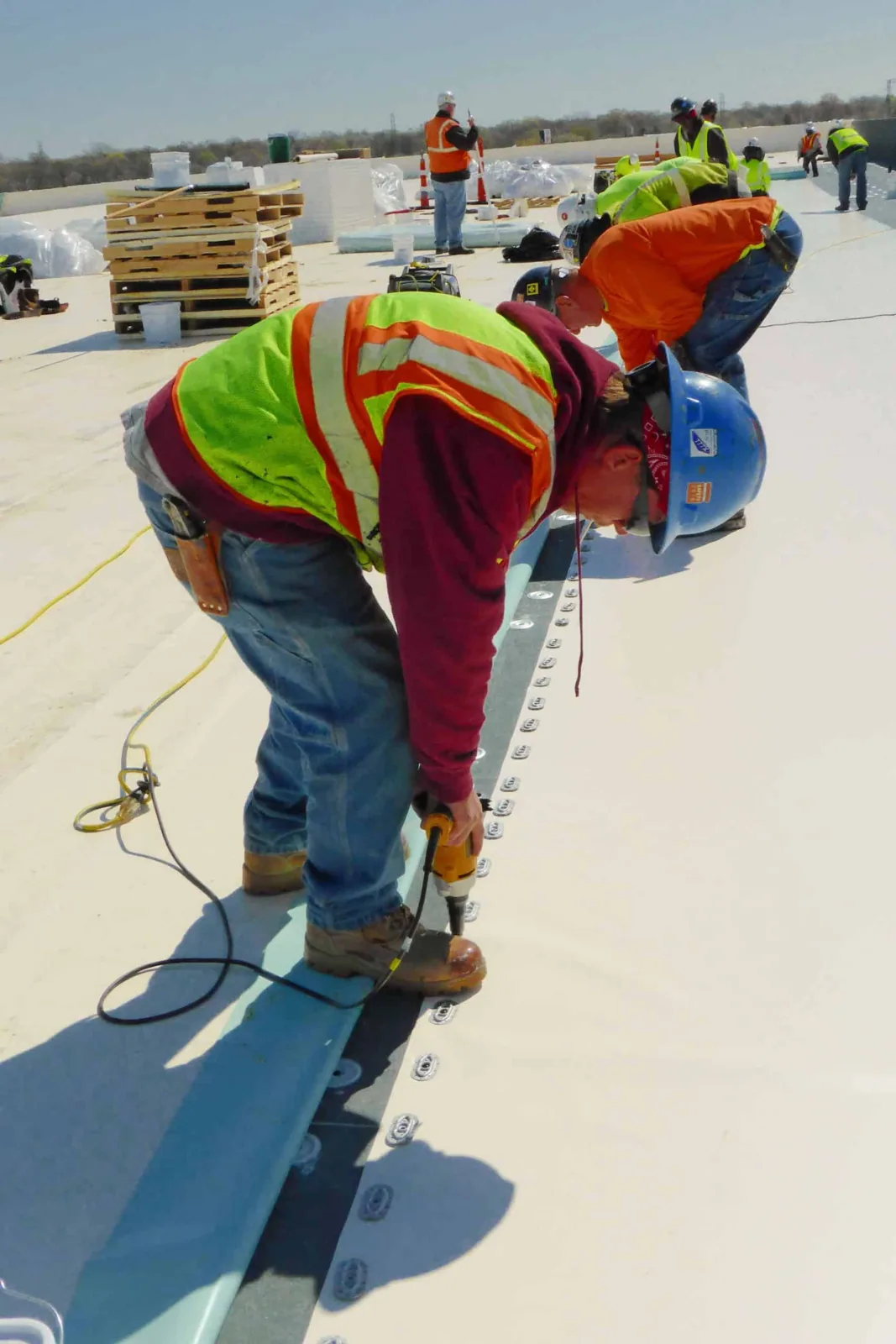
The method is simple. Break the roof into sections no bigger than the crew can dry in before the end of the day. Open one, finish it, move on. Every night the plant is watertight, and every morning the maintenance lead has a short list of what was done.
Second shift gets a plan of its own. Noise, fumes and hoisting are kept away from operators, and a named contact on each shift can call a stop. Shift handoffs are part of the plan, and nobody is asked to shut a line for us. The method is the same one we use for reroofing occupied buildings.
High Bays, Cranes and Heavy Equipment
Deere Davenport Works builds large construction equipment such as articulated dump trucks, and the Arconic Davenport Works rolls aluminum sheet and plate for aviation, space and defense. Heavy fabrication and plate rolling commonly mean tall bays, bridge cranes and wide spans, so the roof work over such halls is high-bay work.
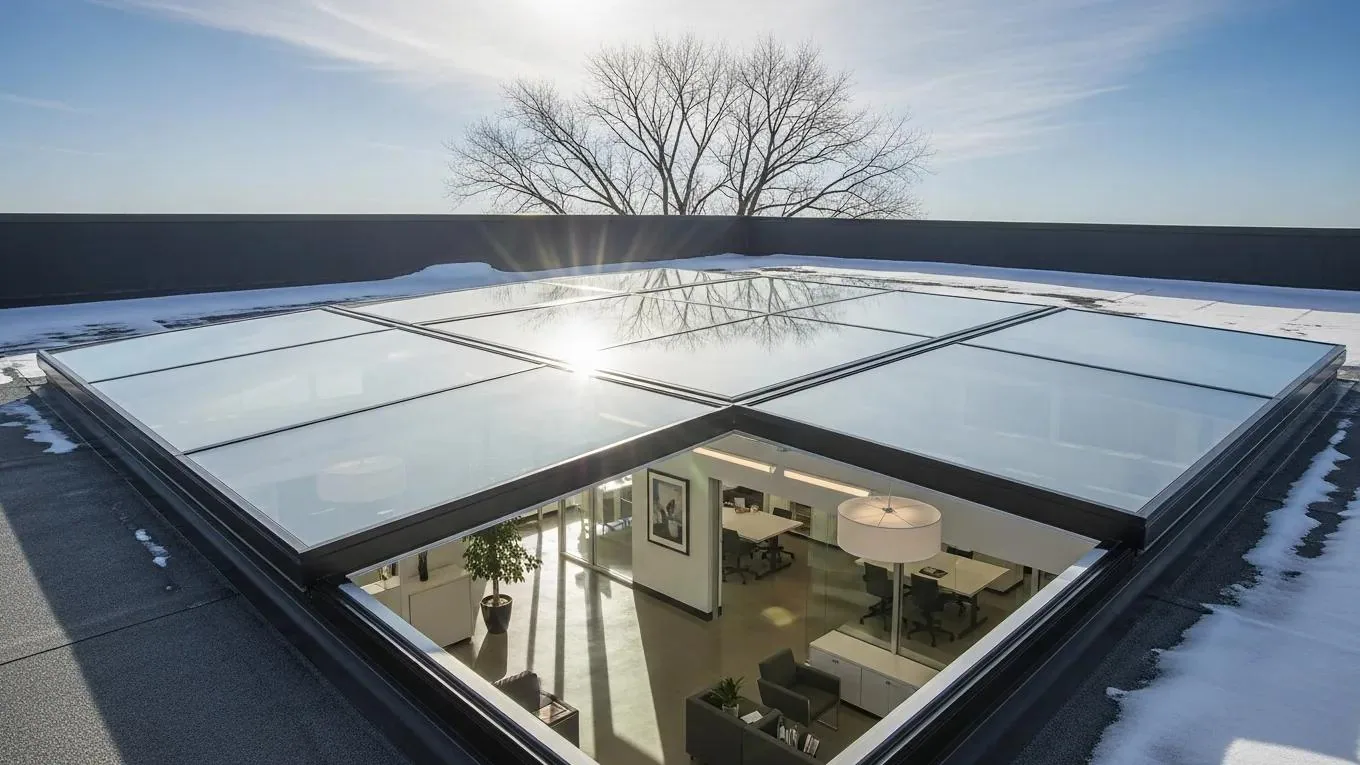
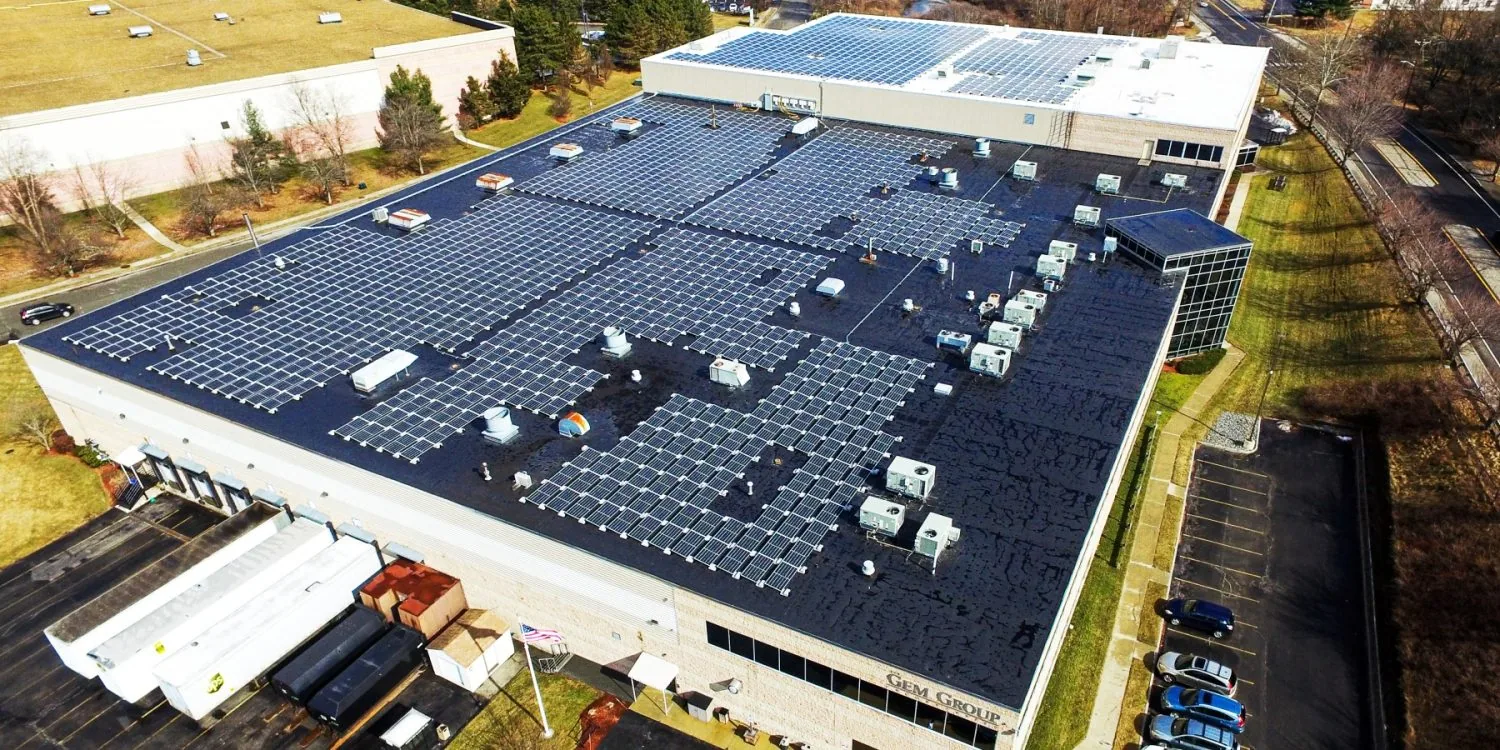
On a high-bay roof the details matter more than the field. Skylights, ridge vents and crane-bay clerestories need flashing that lasts, and each is its own skylight and penetration flashing job. Roof-mounted fans and curbs add weight, so we check the supports and the deck beneath.
If a plant exhausts metal dust or fines, it settles on the membrane and in the drains. We vacuum before welding and clear the drains first, because grit stops water and holds it against laps.
Wind and Hail on Big Buildings
In the August 2020 derecho, Davenport Municipal Airport logged an 86 mph gust, and the NWS Quad Cities documented extensive roof damage across Davenport, Bettendorf and Scott County. Damaging winds lasted 30 to 60 minutes. Tall plant walls catch that wind, and the edges and parapets take the load.
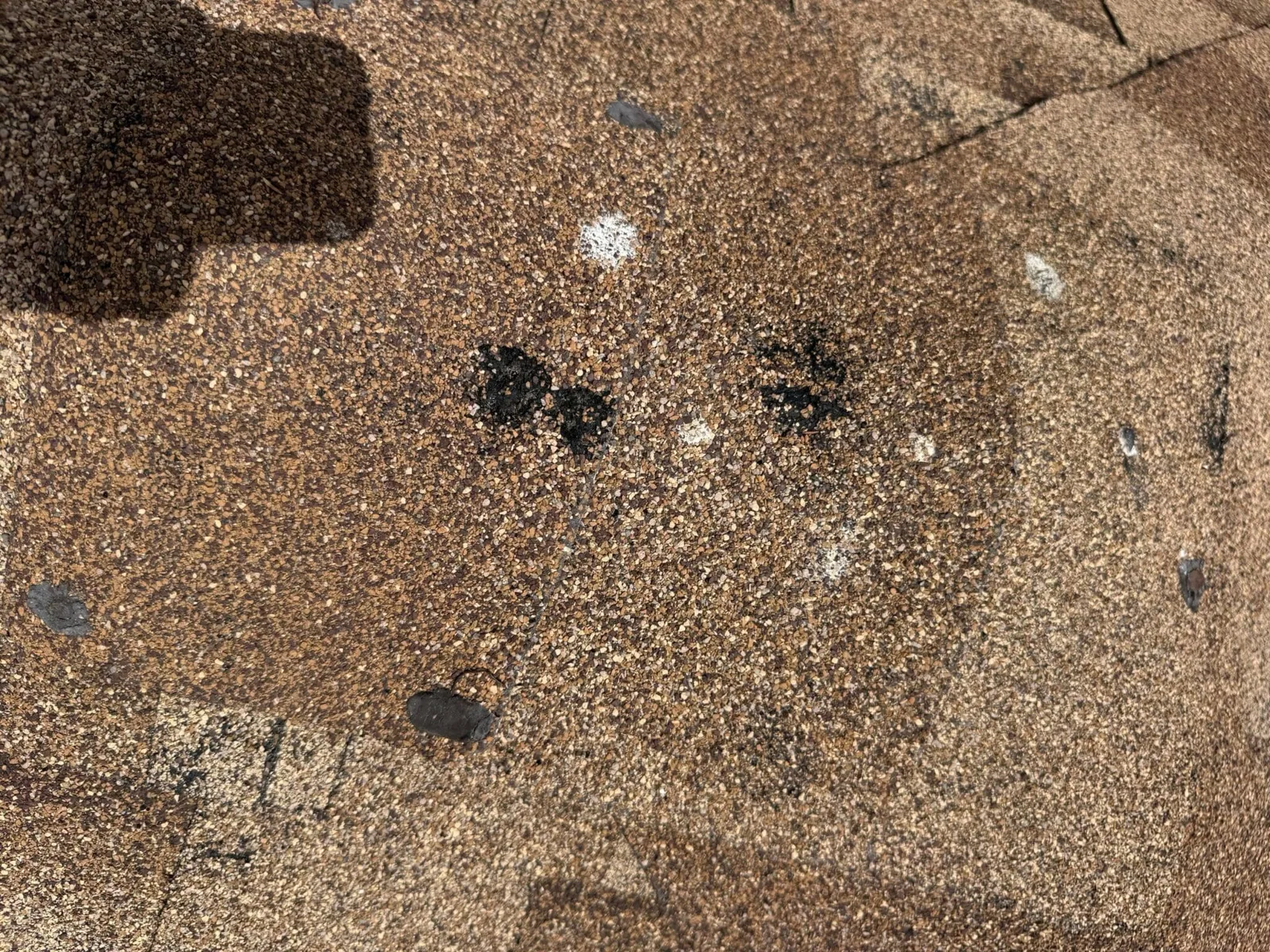
Hail follows a different pattern: 133 reports since 2004 within 10 miles of the city center, and stones of 2.5 inches in April 2023. After a storm we check coping, flashings and the membrane field, and we collect photos for the adjuster. Each building gets a clear hail damage repair scope with those photos attached.
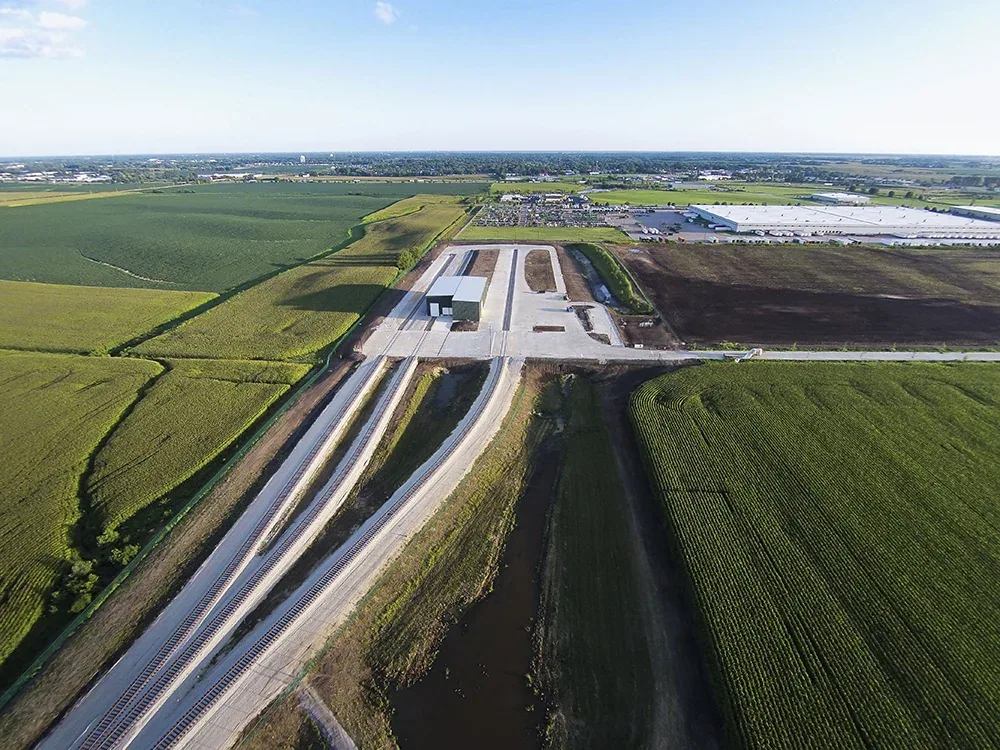
Plants spread across the metro face the same weather. Arconic has a rolling mill in Riverdale, and the Eastern Iowa Industrial Center groups several large buildings on one 346-acre site.
Rules Inside the Fence
Every plant has its own list. Badge in at the gate. Sign the contractor log. Lockout rules for roof-mounted equipment. Hot work permits for torches and welders. Fall protection around skylights and open edges. A fire watch after any hot work.
We ask for the list before the first day, and we fold it into the work plan. Our crew leader walks every new person through it. If a rule seems to slow the job, we follow the rule and change the job.
Plant managers who run more than one building often want a common approach. A manufacturer's roof program puts the plants on one ranked list with a yearly budget. The same thinking applies when a plant has a warehouse attached or a cold storage building on the same site.
Send the Work Order and the Shutdown Dates
Send us the work order, a photo of the problem area and the dates the plant can give up. We will set a walkthrough with your plant manager and plan the roof around production.
Questions About Manufacturing Plant Roofing
Our summer shutdown is one week. Can a replacement fit inside it?
Not always on the whole building. A big plant roof is usually split in phases, with the largest sections timed to the shutdown and the rest done in smaller pieces over the next months. We size each phase to what can be dried in the same day. At the walkthrough we mark the sections on a roof plan, so the shutdown week is spent on the biggest and most urgent areas first.
Exhaust from the line leaves a film on the membrane. Does that change the repair?
Film changes the material choice and the cleaning step. Oil and grease can keep a patch from bonding, so we clean to bare membrane or cut out the contaminated area. Where the exhaust is constant, a grease-resistant sheet is worth discussing for the next replacement. We take a sample of the film into account when we plan, instead of assuming a standard repair will hold.
We run a food plant and cannot have debris or dust above the product. How do you protect the line?
Ask for a containment plan before the date is set. Ours covers sealed openings, vacuum collection at every cut, no open deck over production areas and a daily sweep of the roof. Sanitation or quality staff review it ahead of time, and we adjust the sequence to their requirements. Anything that raises a concern gets a stop, and the work resumes only after quality signs off.
Plant engineering wants a lift for a new rooftop unit. Do you coordinate with the rigging crew?
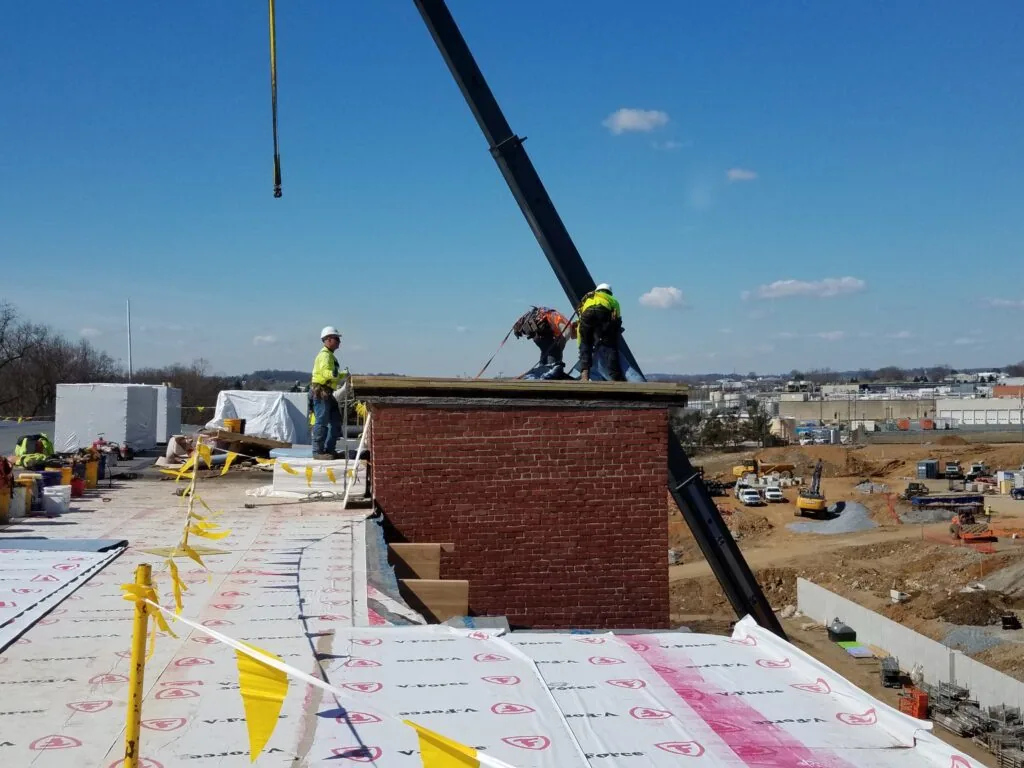
Yes, and the sequence matters. We protect the membrane along the crane path with walkway pads or plywood, flash the new curb before the unit sits, and reseal the penetrations after the electricians finish. One walkthrough with the rigger and the electrician avoids a punctured sheet and a second visit to reflash the curb.
After a derecho, which part of the plant should be looked at first?
Go to the highest roof level first, then the perimeter. Tall walls and parapets take the full wind, and edge metal can lift without a visible leak inside. Next come the skylights, the rooftop unit curbs and any stack flashing. Hail marks show up last, on the membrane field. Dated photos from the first day make the claim easier to document.
Talk to a Davenport Commercial Roofer
Send the work order, the building address or a few photos of what you are seeing. We will set a walkthrough, go up with whoever has the hatch key, and tell you plainly what the roof needs.