
Cold Storage Roofing in Davenport, IA
Roof repair and replacement for cold storage and freezer buildings in Davenport, IA, with vapor control, moisture surveys and phased work over running rooms.
Maintenance finds a patch of frost on the freezer ceiling, right where nothing should be wet. Next to it, a tile of ice has started to hang from a light fixture.
That is a roof call, even though the symptom is inside a cold room. Warm air and moisture are getting through the roof assembly and freezing where they meet the cold. In Davenport, IA we start with a walkthrough: your refrigeration lead, the work order, and a trip up the ladder to the roof. We mark every suspect spot and send photos the same day. Then we give you a plain recommendation.
Vapor Drive That Runs the Wrong Way
In an ordinary building, moisture drifts from the warm inside toward the cold outside in winter. A freezer flips that. Through a Davenport summer, with temperatures that have reached 111 F, the warm side is outdoors, and moisture pushes down toward the cold room.
The vapor retarder and the insulation have to stop it. When the retarder is cut by a hole, a seam or a bad lap, moisture gets into the insulation and freezes. Frozen insulation loses its value, then swells, then thaws and leaves a wet layer behind. A roof insulation and cover board upgrade is often the repair that matters most here, because insulation continuity is the whole job in a cold building.
We cut a core to see what is in the assembly before we say what to fix. The core tells us where the moisture sits and which layer has failed.
Condensers, Lines and Frost Around Penetrations
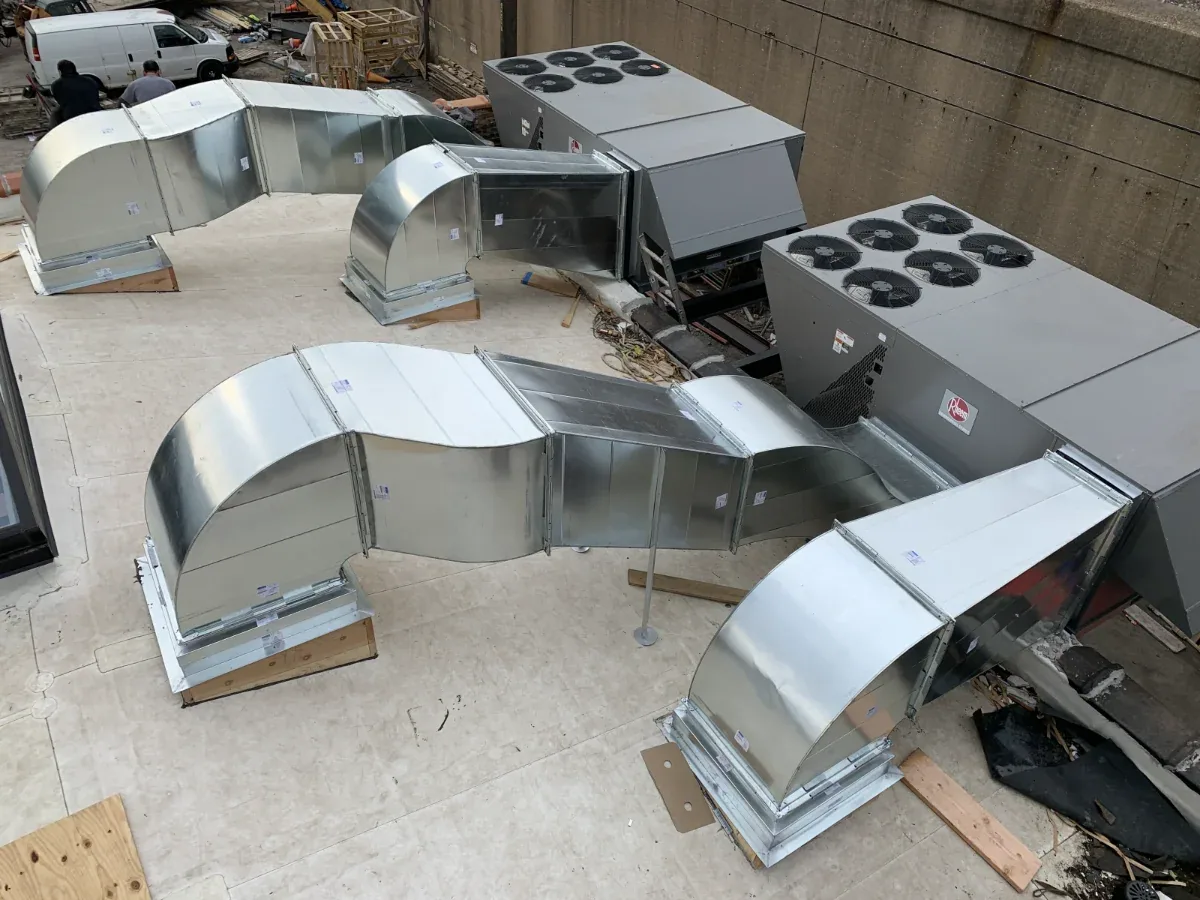
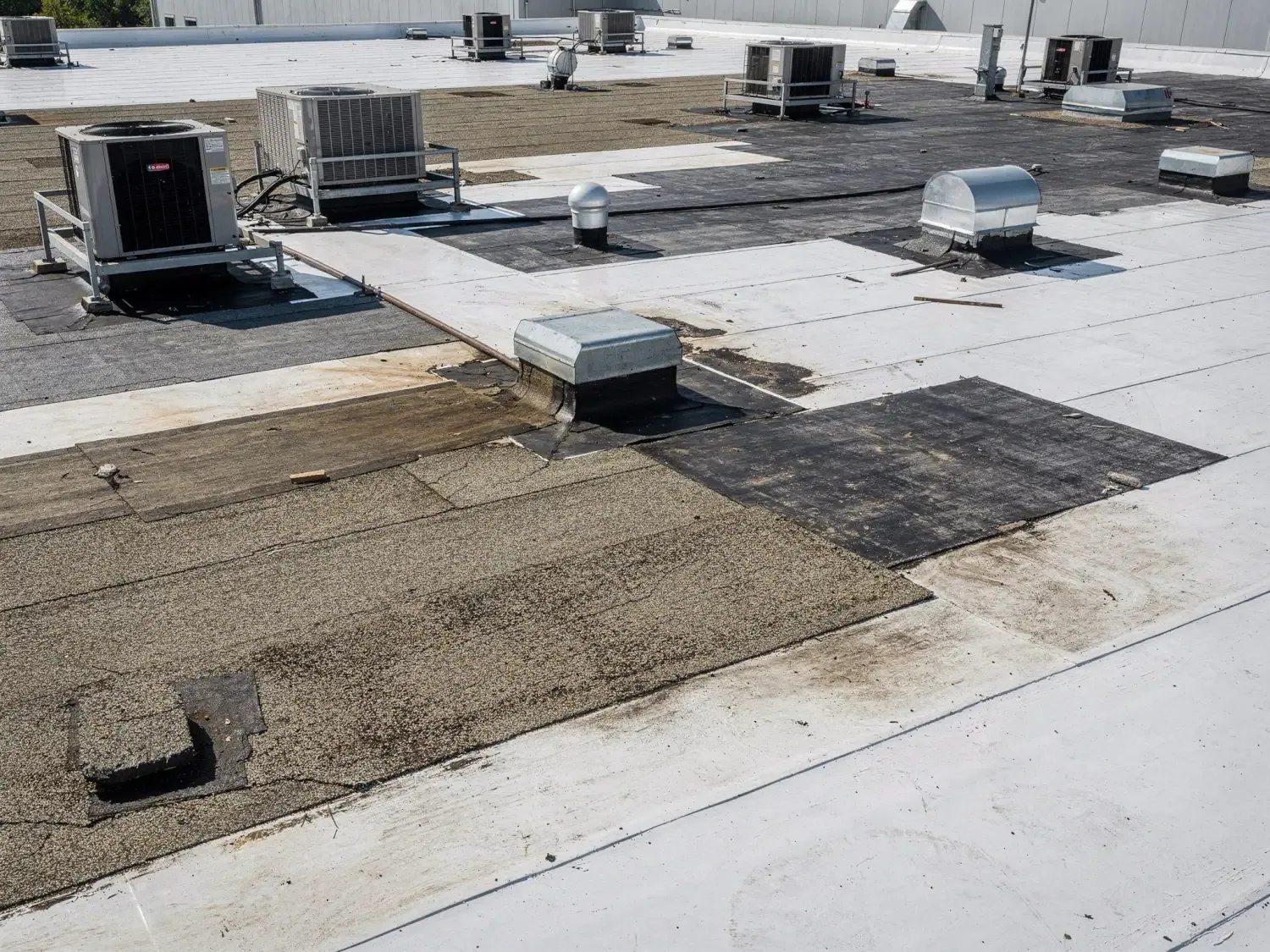
Refrigeration puts hardware on the roof. Condensers, line sets, vent stacks and electrical conduit all pass through the assembly, and each hole is a place for warm air to get in.
We check the curbs, boots and sleeves around every one. Cracked sealant, a missing collar or a gap in the insulation around a pipe leads to the frost patches maintenance finds on the ceiling. When equipment is added or moved, the new curb and support must be tied into the vapor retarder, not just flashed to the membrane.
Bring us in before a condenser is set. Fixing a penetration after the unit is bolted down costs more and takes longer than getting it right the first time.
Why Infrared Struggles on a Cold Roof
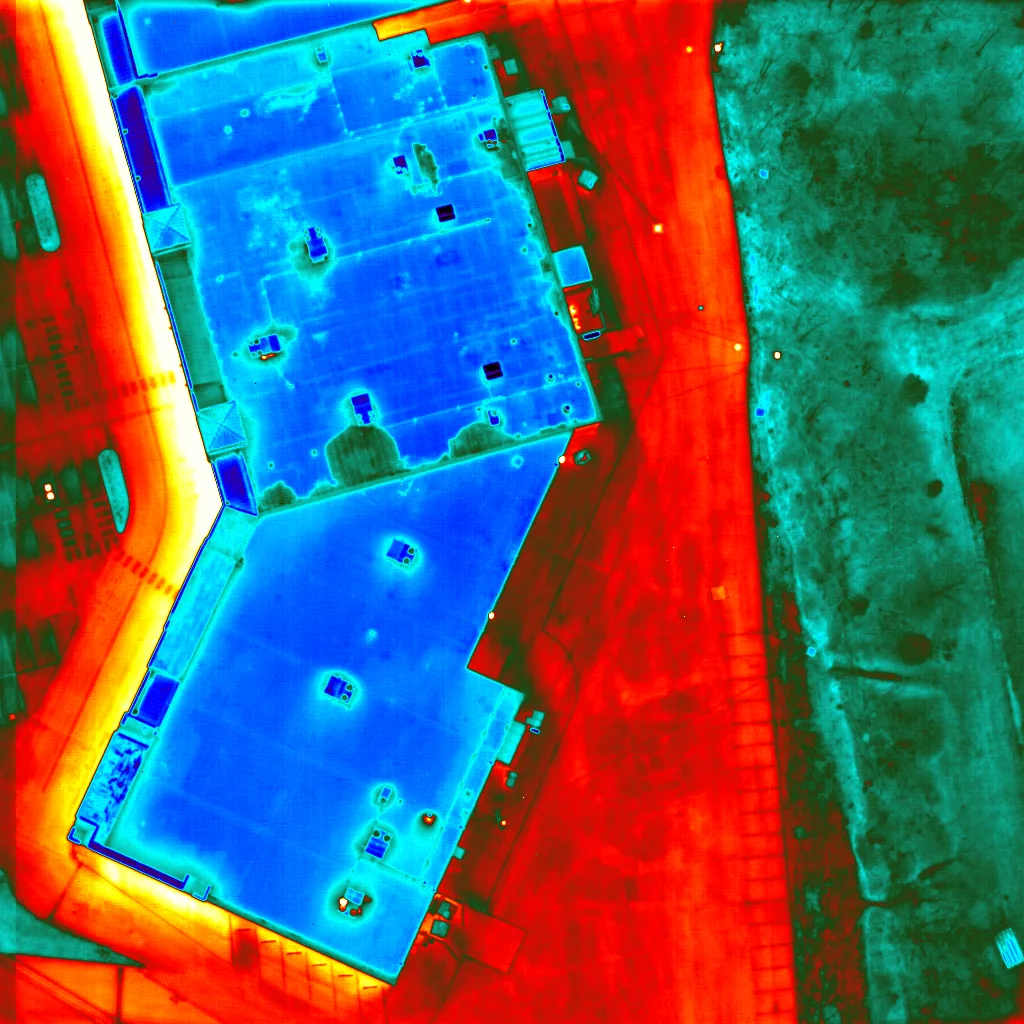
An infrared camera reads temperature differences. A cold-storage roof has a steady cold below it, which flattens the contrast the scan depends on. A wet area may not stand out the way it would on a warm building.
We still scan when conditions allow, but we lean on cores and moisture probes. A grid of cuts, each patched the same day, gives a reliable picture. An infrared and core-cut moisture survey pairs the two methods and shows where each is trustworthy.
The final map separates wet insulation from dry, so you can see which part of the roof needs replacement and which part only needs repair. That keeps the capital request tight.
Replacing a Roof Over a Running Freezer
The refrigeration does not stop for us, and nobody wants the freezer to see weather. So the roof comes off in small sections and goes back the same day.
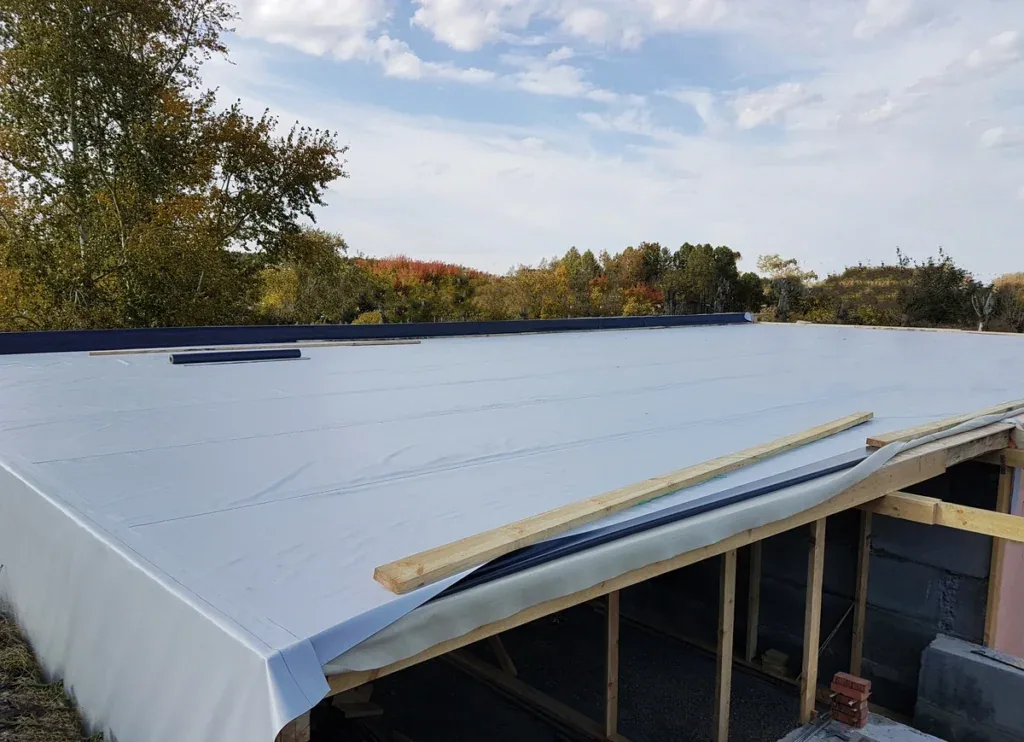
A section opens, wet insulation comes out, new insulation and a continuous vapor retarder go in, and the membrane is closed before the crew leaves. The product stays cold and the dock stays open. A full commercial roof replacement on a cold building takes more steps than a standard reroof, because each layer has to be sealed to the next.
Spray foam is one option to discuss. A spray polyurethane foam roof adds insulation with no seams, which suits some cold buildings. The choice depends on what the existing assembly allows.
Snow in January, Heat in July
Davenport has recorded a low of -29 F, and a typical Quad Cities year brings over 36 inches of snow. Snow on a freezer roof does not melt from below, because the insulation holds the heat in the building and the surface stays cold. Drifts sit longer and drains stay frozen longer.
Then summer swings to the other side. The membrane heats, expands and strains at every seam. Over a year, that roof goes through a great deal of movement.
We check drains and edge details before winter and again after the thaw. A drain that stayed frozen all winter can leave a pond that tests every lap on the roof.
Food, Rail and the Interstates
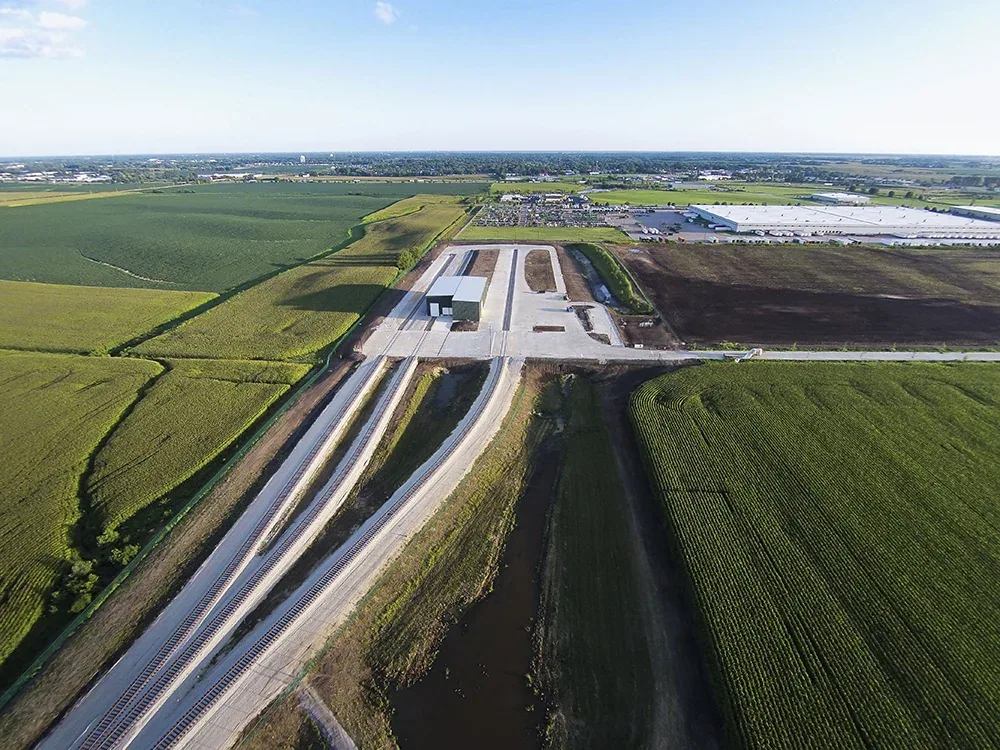
Cold buildings cluster where food moves. The Eastern Iowa Industrial Center on I-80 has an on-site rail transload facility, and barge service within 5 miles. Kraft Heinz put an automated meat processing plant of 382,157 square feet there, and Tyson Fresh Meats and Hy-Vee are among Scott County's employers. Anyone moving food through that corridor needs a roof that does not fail in July.
For work in the Eastern Iowa Industrial Center, the questions are the same ones that apply to a plain distribution center or a manufacturing plant: shift schedules, access rules and the dock calendar. Freezer buildings add the vapor layer on top. Operators with cold rooms in several buildings can run their roofs on one schedule, the way logistics and 3PL operators do.
Send the Work Order and the Room Temperature
Send us the work order, a photo of the frost or ice, and the temperature of the room below. We will set a walkthrough with your refrigeration lead and tell you what the roof is doing.
Questions About Cold Storage Roofing
Frost keeps coming back at the same ceiling spot. Is that the roof or the refrigeration?
Both can cause it, and the roof is cheaper to rule out first. Frost in one place suggests warm air or moisture entering above it, often at a penetration or a damaged vapor retarder. If the frost follows the evaporator or the door, it points to the refrigeration side. We walk the roof above the spot and cut a core there. The core usually settles the question.
Can you replace the roof while the freezer stays at temperature?
Yes, in phases. We open a small section, replace the wet insulation, set the vapor retarder and close it before the day ends. Your refrigeration lead gets a daily update, and a named contact can call a stop if the room temperature moves. The plan breaks the roof into sections at the walkthrough, so there are no surprises on the first morning.
Why cannot the infrared camera just scan our roof and show every wet area?
Temperature contrast is what the camera reads, and a steadily cold building hides it. The scan still helps on a clear evening, and it narrows where to cut. But the answer comes from cores and probes. We use the scan to place the cuts and the cuts to confirm what the scan suggests. Together they produce a map you can plan a budget around.
We are adding a rooftop condenser next year. What should the roof team handle?
Bring us in before the unit is set. The curb, the line penetrations and the vapor retarder around them are roof work, and they need to be built in the right order. We also check the deck and the supports for the added weight. A short meeting with your engineer and your refrigeration contractor avoids a leak at the new curb in its first winter.
How cold is too cold to work on the roof?
Adhesives and sealants set the limit, since many stop curing below a certain temperature. Mechanically attached systems and heat-welded seams are more forgiving, and we plan the cold-season work around those methods. We also protect the crew with breaks and traction. If a day is too cold for the product, we hold the work and dry in what is open.
Explore Related Roofing Work
Talk to a Davenport Commercial Roofer
Send the work order, the building address or a few photos of what you are seeing. We will set a walkthrough, go up with whoever has the hatch key, and tell you plainly what the roof needs.