Roofing for Logistics and 3PL Operators in Davenport, IA
Roof repair and replacement for logistics and 3PL operators in Davenport, IA, planned around client inventory, dock traffic, rail cross-docks and peak season.
A client emails at ten past seven: their pallets in aisle fourteen are wet, and they want to know whose problem that is. The shift supervisor has a photo. The sprinkler pipe overhead is dripping, and nobody has been on the roof since fall.
For a logistics or 3PL operator in Davenport, IA, a roof leak lands on someone else's inventory. It turns into a conversation with a customer, not just a maintenance ticket. We aim to give you answers fast: where the water entered, what is exposed, what a temporary fix looks like today, and what the permanent fix takes. Then we plan around your docks, not ours.
Client Stock and the Paper Trail
When several clients share one building, a roof leak becomes a records problem as much as a repair problem. Whoever has product under the wet spot wants a date, a photo and a cause.
We write findings with that audience in mind. Each visit records the time we arrived, what we saw on the roof, where the water entered and which bays sit beneath. Photos carry locations. If the cause is a clogged drain, the report says so. If it is a failed seam, it says that. You get something you can forward to a client without rewriting it, and something your insurer can use if the loss is large. For emergency roof repair, share the affected bay, roof access details and any sensitive product below so the dry-in can be planned around site operations.
Cross-Docks, Rail Spurs and Open Doors
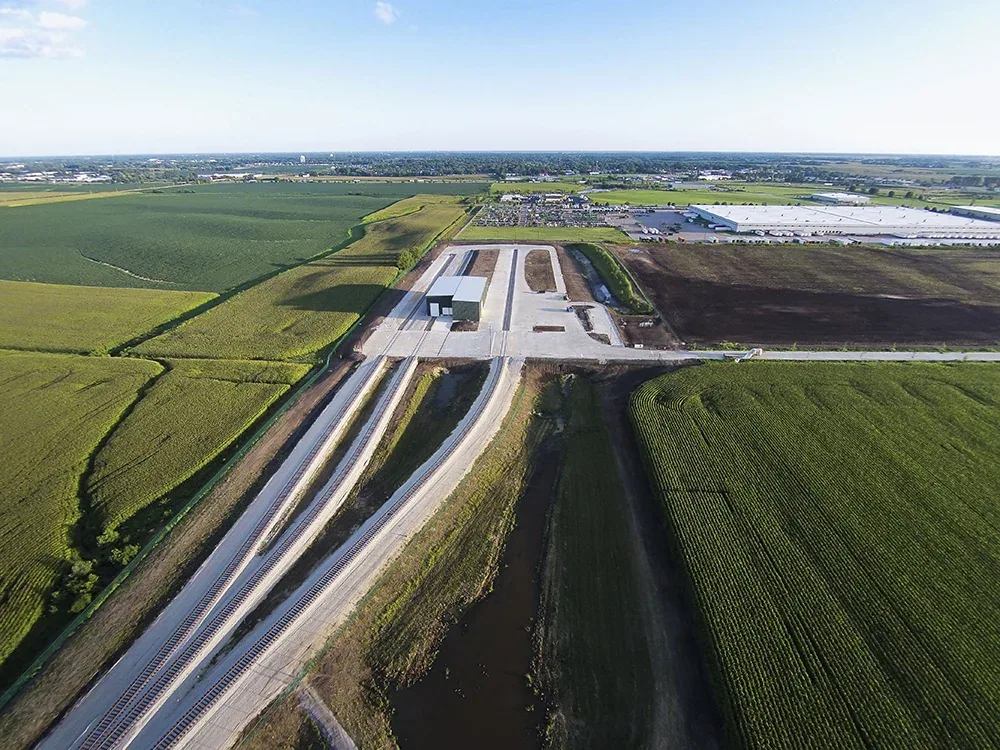
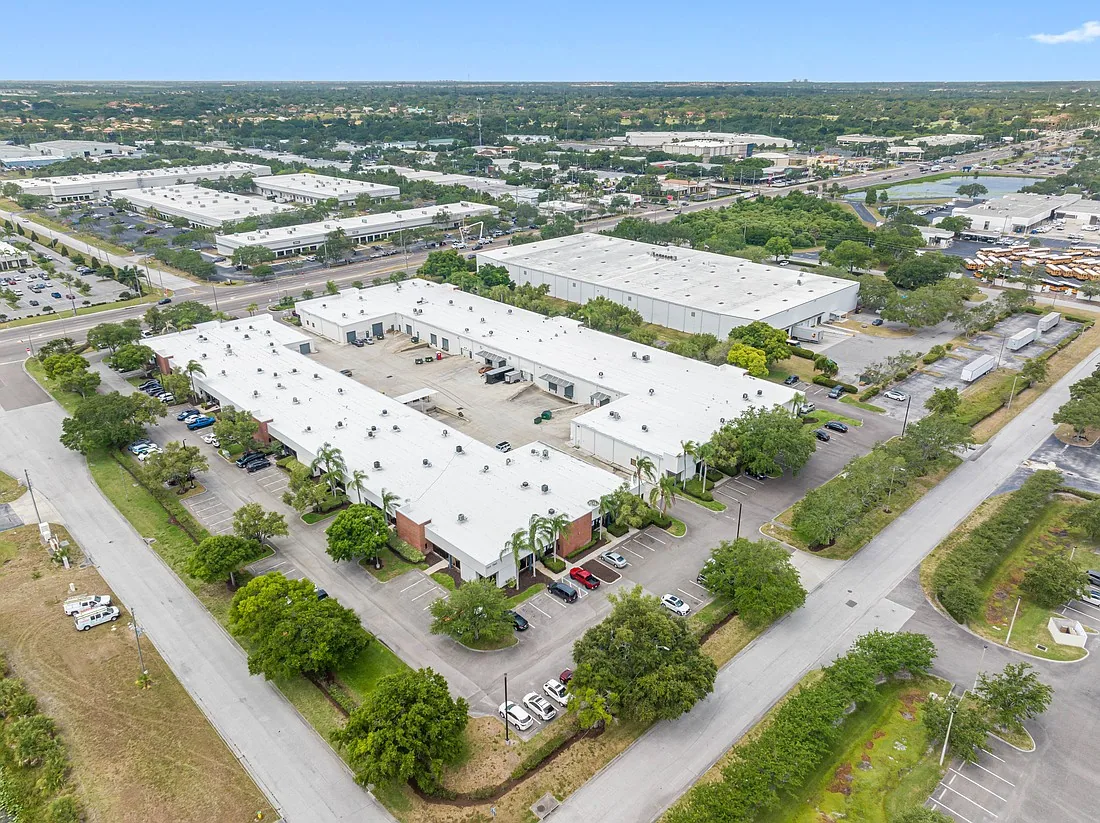
Several freight modes meet at the Eastern Iowa Industrial Center. The park has an on-site transload facility with capacity for over 20 railcars and a 20,000 square foot warehouse with truck and rail cross-docks, and barge service lies within 5 miles. That kind of building runs open doors for long stretches.
For roof work, open doors mean wind and weather entering at the dock walls, and traffic everywhere underneath. We stage materials away from the aprons and the rail side. Hoisting happens in the quietest window. Perimeter work near cross-dock doors is sequenced so no door is blocked for a full shift. The drains and scuppers over the dock apron get checked first, since that is where ice builds up and drips across a door.
Landlord, Tenant and the Roof Call
Many 3PL operators lease the building. The roof may belong to the landlord, the repair duty may belong to the tenant, and the first leak may belong to nobody until someone makes a call. We ask three things at the outset: who owns the roof, who pays for repairs below a set threshold, and who has to approve the scope.
Then we shape the paperwork to fit. If the owner or investor holds the capital side, the report goes to them with photos and a rating. If a property management company runs the building, we work through their work order system. You stay in the loop on dock impact either way.
Interstate Spokes and Truck Courts
Distribution here follows the highways. I-80, I-74 and I-280 all serve Davenport, with I-280 forming the western and southern part of the Quad Cities beltway. East Moline is served by I-74, I-80, I-88 and I-280 together. Out at Walcott, the I-80 interchange holds a large truck stop and a complex of restaurants, motels and truck facilities. In Milan, the John Deere North American Parts Distribution Center is counted among the biggest warehouses anywhere.
An operator with buildings on more than one of those spokes needs one standard for roofs. We keep one report format, one rating scale and one calendar across sites through a multi-site roof program.
Working Back from Peak
Your calendar has a rush, and so does ours. Spring is hail season. Stones 2.5 inches across fell on April 4, 2023, and the city center has logged 133 hail reports within 10 miles since 2004. Summer can bring derechos, as August 2020 and July 2024 showed. Winter brings a snow load that settles on every flat bay.
So the best roof work happens before your volume climbs. A spring and fall preventive maintenance visit clears drains, checks seams and flashing and records what changed. If a client is planning rooftop solar or heavier equipment, bring us in early. A solar-ready roof is easier to build before the first panel goes up than after.
At a distribution building, dock traffic and trailer staging can constrain lift placement and roof access. Before mobilization, we map the work zone, confirm the loading windows and keep fire lanes and roof egress available. Inside, identify whether a leak threatens stored goods, conveyors or electrical controls, then move protection to the right bay. Repairs can proceed in sections if the membrane and weather allow it. A daily handoff lists open areas, dry-in status and the next shift's access needs.
Send the Dock Schedule and the Work Order
Send us the work order, a photo of the wet bay or your dock schedule for the week. We will set a walkthrough around your busiest hours and tell you what is safe to leave and what needs a crew today.
Questions About Logistics and 3PL Operators
Water reached a client's pallets overnight. What should we capture before anyone cleans up?
Photograph the wet area from a distance and up close, with the aisle marker and a clock in frame. Record which racks and pallets are exposed, and note the date and time of the last dry check. Then get us up on the roof while the weather still shows. We will mark the entry point, photograph the membrane and drain conditions and write a short statement of cause. That package is what your client will ask for, and it is much easier to build on day one than on day ten.
Our building has rail and truck cross-docks. How do you keep both working during a roof job?
We divide the roof so staging, lifts and debris chutes sit away from the rail door line and the truck court. Work above an active door happens in the hours you say are slowest, and we protect the door with a covered walkway or a barricade. We agree on one radio channel or one point person who can pause a pick within seconds. Expect to give us a layout drawing of the dock plan up front.
We lease the building and the landlord owns the roof. Who should call you?
Either of you, but the report should reach both. A tenant call gets the water stopped quickly, and the landlord needs the scope and the photos to approve the repair. Tell us which of you pays under the lease and we will address the report accordingly. If the repair duty is split, we mark each defect by cause so both sides can see where the line sits.
Peak season starts in October. Is it too late to tackle a roof in September?
For repairs and drain work, no. For a full replacement, it depends on the lead time for the membrane and the weather in the fall, and a late start can run into cold-weather limits on adhesives and seams. A September walkthrough gives you a clear list: fix before peak, fix after peak, plan for spring. Do not let a small leak ride into the holiday rush.
How do we judge a roof we have never been on, for a building we just leased?
Ask the landlord for the roof history, then have us walk it before the move-in. We check drains, seams, penetrations and any areas of ponding, and we take a baseline photo set. The baseline protects you later. If a dispute starts about who caused a leak, a dated record from before your racking went in settles the argument faster than recollection does.
Talk to a Davenport Commercial Roofer
Send the work order, the building address or a few photos of what you are seeing. We will set a walkthrough, go up with whoever has the hatch key, and tell you plainly what the roof needs.