
Multi-Site Roof Programs in Davenport, IA
One roof program across many buildings in Davenport, IA and the Quad Cities: shared reports, one schedule and one contact for sites on both sides of the river.
The regional facilities director keeps a spreadsheet with nine sites on it. Four are on the Iowa side, three are in Illinois, and two have not had a roofer on them since the last tenant moved out. Every site manager has a different contractor in their phone, and no two roof reports look alike.
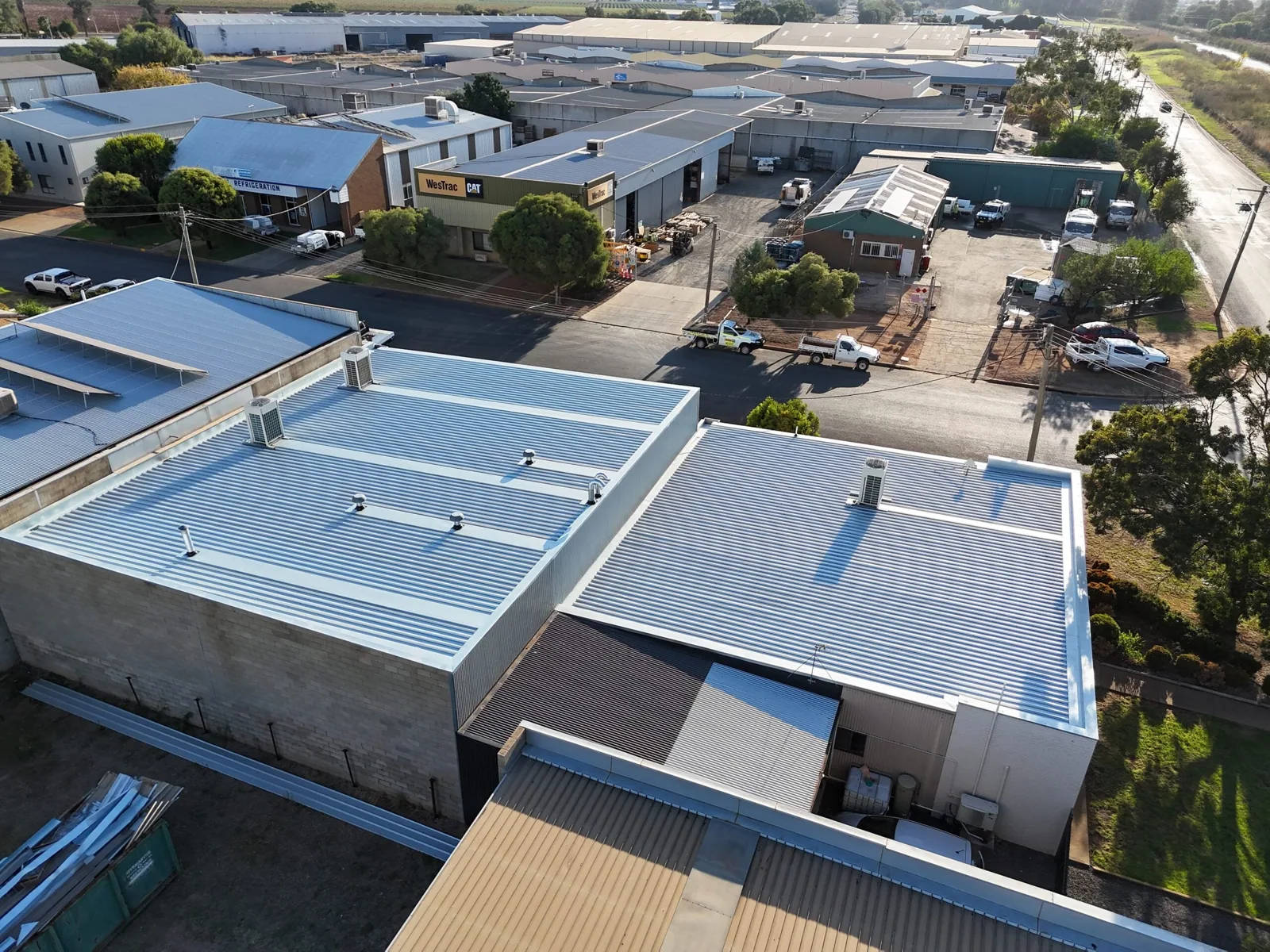
A multi-site program replaces that patchwork with one scope, one schedule and one point of contact. For owners with buildings in Davenport, IA and across the Quad Cities, we run the same inspection, the same report format and the same repair routine at every address, and the director gets one summary instead of nine stories.
One Scope for Every Address
The program starts with a standard scope. Every building gets the same walk: drains and scuppers, seams and laps, flashings, edge metal, rooftop equipment and signs of past repairs. Every building gets the same photo set and the same priority labels, so a report from a small office reads like a report from a plant.
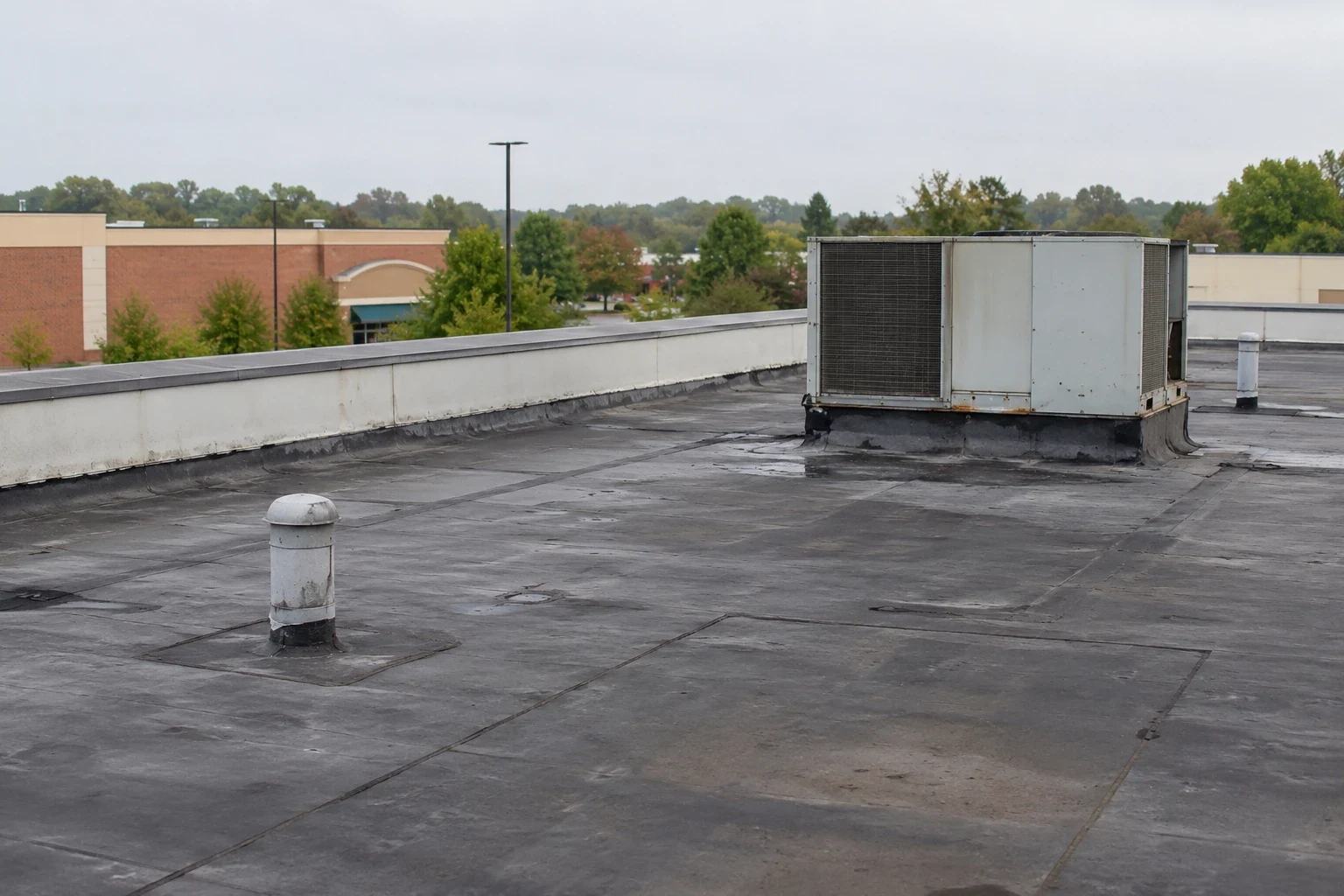
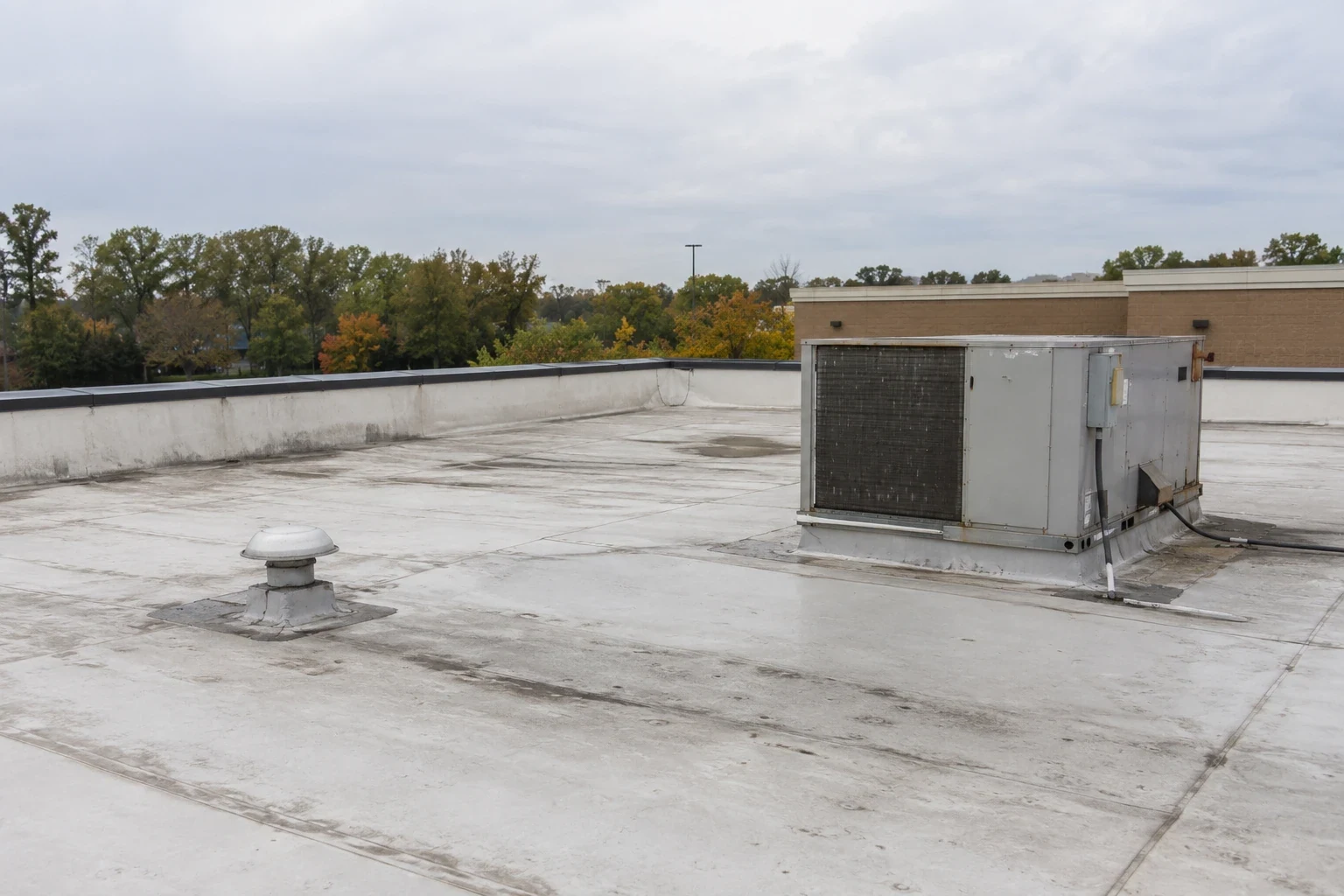
Standard scope does not mean standard roofs. A flat TPO field on a warehouse and a standing seam panel run on a clinic fail in different ways, so the checklist adjusts to the system on each building. What stays constant is the format, which is what lets a facilities director put two buildings side by side and see which one needs money.
The first pass doubles as an inventory, the kind of file that good roof asset management depends on, and it becomes the baseline for every later visit.
Routing Across the River
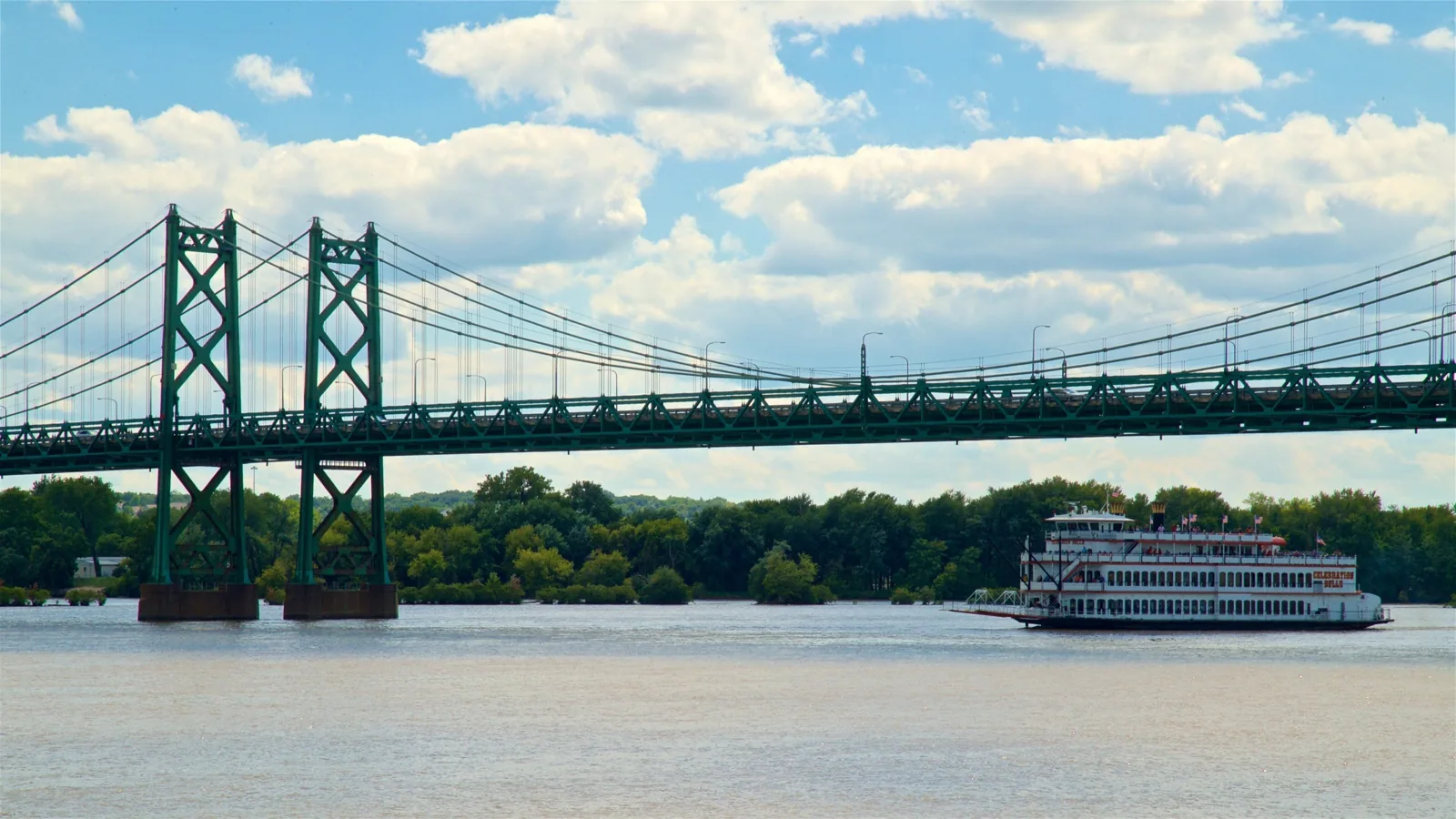
The Quad Cities spread over two states and a river, and the route sheet reflects it. The I-74 bridge carries about 70,400 vehicles a day, the busiest of the five Mississippi River road bridges, and I-280 loops the beltway on the west and south. A crew crossing at the wrong hour loses a visit to traffic.
We group sites by geography and bridge. A Davenport day might cover the Eastern Iowa Industrial Center and Brady Street, then head to Bettendorf. A day in Illinois might link Moline, East Moline and Milan. Deere & Company shows how widely one owner can be spread across the metro: Davenport Works, corporate headquarters in Moline, Harvester Works in East Moline and the parts distribution center in Milan sit in four different towns.
Owners in Bettendorf and farther out in Clinton or Muscatine get their own blocks on the calendar, so a remote building is not an afterthought.
Ranking the List
Not every building needs the same attention in the first year. The first pass produces a ranked list, and the program follows it.
Buildings with active leaks and buildings with sensitive contents go to the top. Newer roofs in good shape move to a light schedule: one walk a year, drains cleared, small repairs made on the same trip. Aging roofs with documented decline get the full spring and fall routine plus a place in the multi-year plan.
That plan is built the same way as any roof capital plan, but across the whole list at once. The director sees which roofs are candidates for replacement and which can wait another cycle, with photos behind every call.
A Shared Calendar and Storm Response
Program sites are scheduled in blocks: spring damage checks, late-fall readiness visits, and storm checks added when the weather calls for them. The calendar is shared with every site manager, so nobody wonders when the crew is due on their roof.
Storms are where a program earns its keep. The July 2024 derecho swept the region with gusts as strong as 100 mph, and the Weather Service counted 10 tornadoes in its Quad Cities coverage area. When an event like that crosses a portfolio, we do not wait for nine separate calls. We start with the buildings most exposed and the ones holding the most at risk, working from the last report on each, and we send a single status to the director as the list gets cleared.
When a program site has an open roof, its report sets out the exposed areas, temporary protection needs and the next repair decision. That sits on top of regular preventive roof maintenance, which keeps the list of surprises short.
Stores, Restaurants and Working Hours
Chains have their own rhythm. Hy-Vee, Walmart and Von Maur are among the employers listed in Scott County, and any retailer of that kind runs from early morning to late night with deliveries in between. A roof visit that blocks a loading door at the wrong time costs the store something.
We work out access with each store: which door for the ladder, when deliveries arrive, who signs us in. Work that makes noise, smell or dust is scheduled for the quiet hours. A grocery store with refrigeration on the roof needs extra care around condenser lines and drains, and the program notes that for every visit.
Owners who manage whole brands will recognize the problem from retail and restaurant chain operations: the roof is one maintenance item among many, and it needs to be easy to ask for.
One Summary Up the Chain
The director reports to someone, and that someone wants a page, not a binder. Each quarter we send a program summary: sites visited, ratings by building, repairs made, open items and the money spent against the plan.
Behind that page sits the full file for each building, ready for the site manager, the insurer or a buyer. If a property is sold, its file comes out of the program and goes with it. If a new one is bought, it enters the same format on the first walk.
Site managers still call us directly when something happens. The director sees the same entry in the next summary.
Send the Site List
Send us the list of addresses, even if it is just a spreadsheet with a few notes. We will set walkthroughs in a route that makes sense across the river and start the first inventory.
Questions About Multi-Site Roof Programs
We have buildings on both sides of the river. Is that one program or two?
One list, one schedule. Iowa and Illinois sites share the same scope, report format and contact, and the routing groups them by bridge and geography. The only differences are local, such as permit rules for the jurisdiction, and we note those in each building's file.
Will a small office roof get the same attention as the plant?
It gets the same format and a schedule that fits its condition. A small, healthy roof may need one walk a year with the drains cleared. A plant with an old roof and a record of leaks gets the full spring and fall routine. Time follows risk, and the report reads the same on both.
How do you pick which building gets the first visit?
Buildings with active leaks first, then those with the most at stake underneath, such as stock, equipment or tenants who pay for climate control. The oldest roofs follow. We ask for a short list of known problems from each site manager before the first week, and that list sets the opening schedule.
What happens when a derecho hits half our list at once?
We triage from the last reports. Roofs that were already weak or that hold sensitive contents get walked first, and temporary repairs go on any open roof the same day. A status goes to the director as the list is cleared, so nobody sits waiting for news from their own site.
Can site managers still call you directly?
Yes, and they should. The site manager knows when the leak showed up and who has the key. We log the call in the program file, and it shows in the next summary. The director keeps the overall view without becoming the switchboard.
Explore Related Roofing Work

Talk to a Davenport Commercial Roofer
Send the work order, the building address or a few photos of what you are seeing. We will set a walkthrough, go up with whoever has the hatch key, and tell you plainly what the roof needs.