
Roof Asset Management in Davenport, IA
A roof inventory, condition scores and a storm log for every building you own in Davenport, IA, so roof questions get answers from a file, not memory.
The facilities director asks a plain question at the budget meeting: how many of our roofs are in trouble? Nobody at the table has a number. There is a folder of old invoices, a few photos on somebody's phone, and a memory that the east building leaked once.
Roof asset management swaps that memory for a record. For owners in Davenport, IA, we walk each roof, write down what is up there and what shape it is in, and keep the file current after every storm and every repair. The budget question gets a straight answer, building by building.
The Inventory Walk
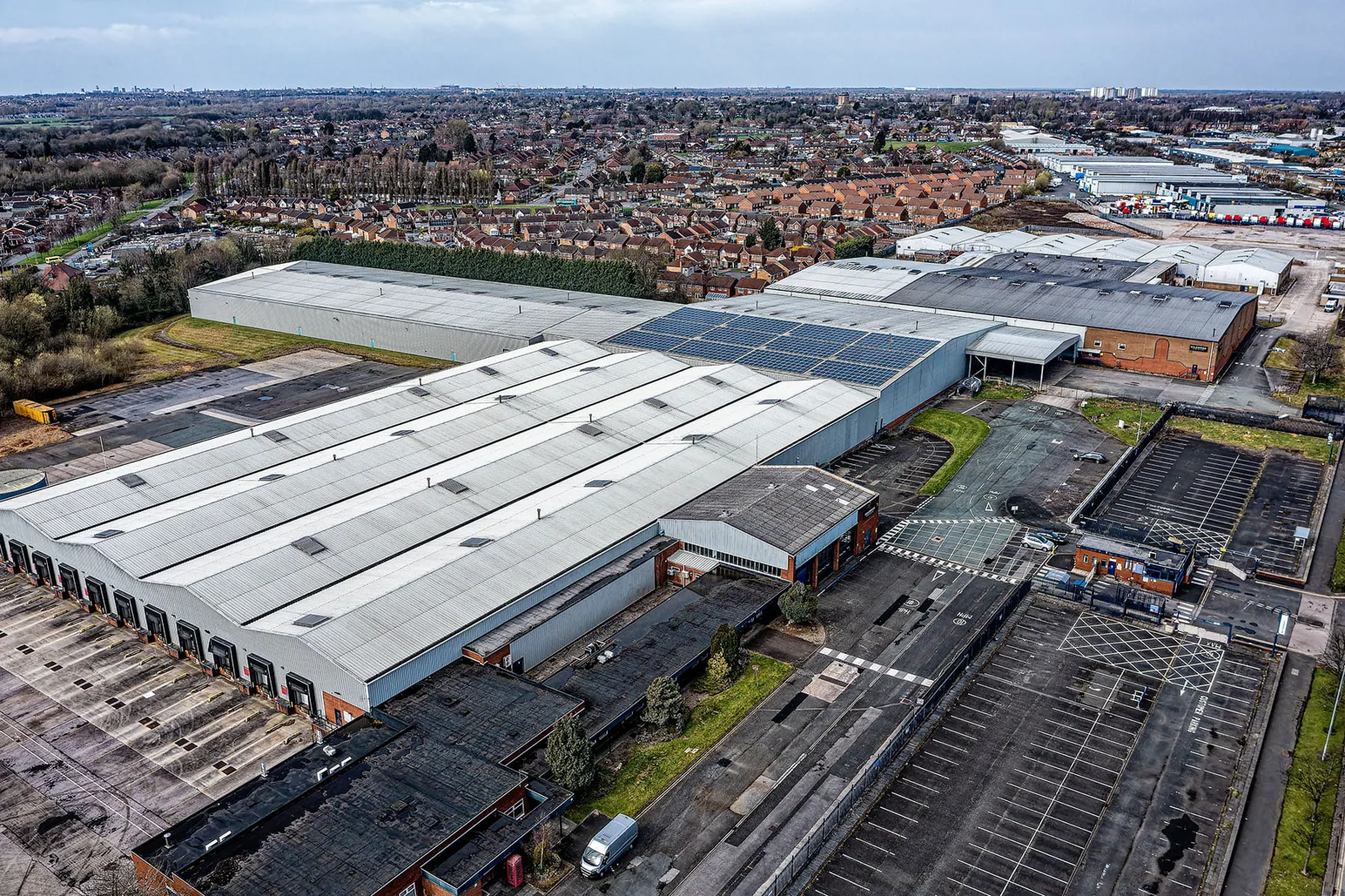
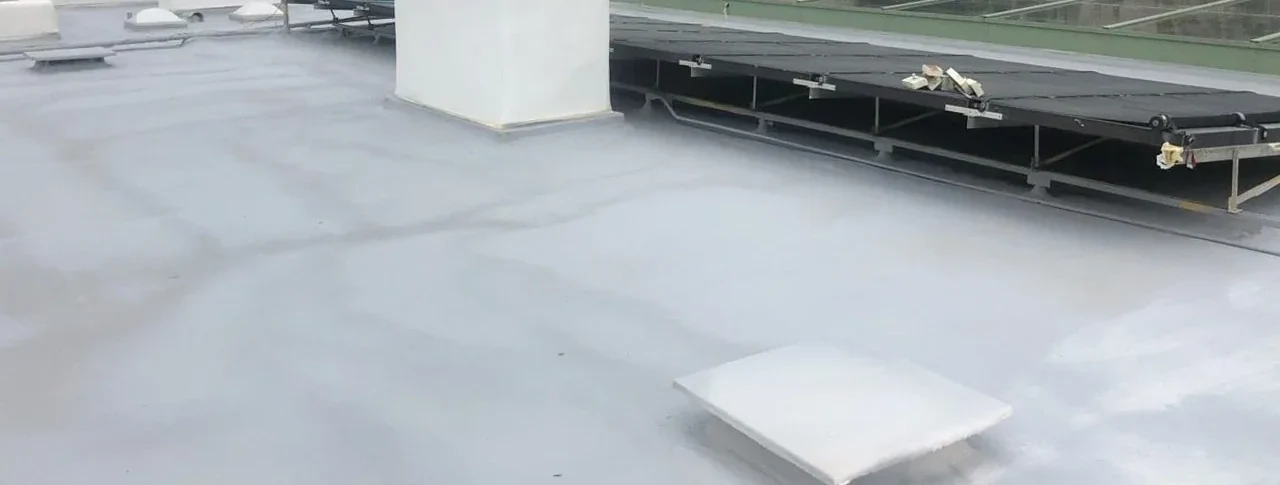
The first pass is a count. We go up on every roof and log the basics: membrane type, deck, insulation, drain and scupper count, and every unit, hatch and skylight sitting on the surface. Approximate age goes in where the paperwork supports it and gets marked unknown where it does not.
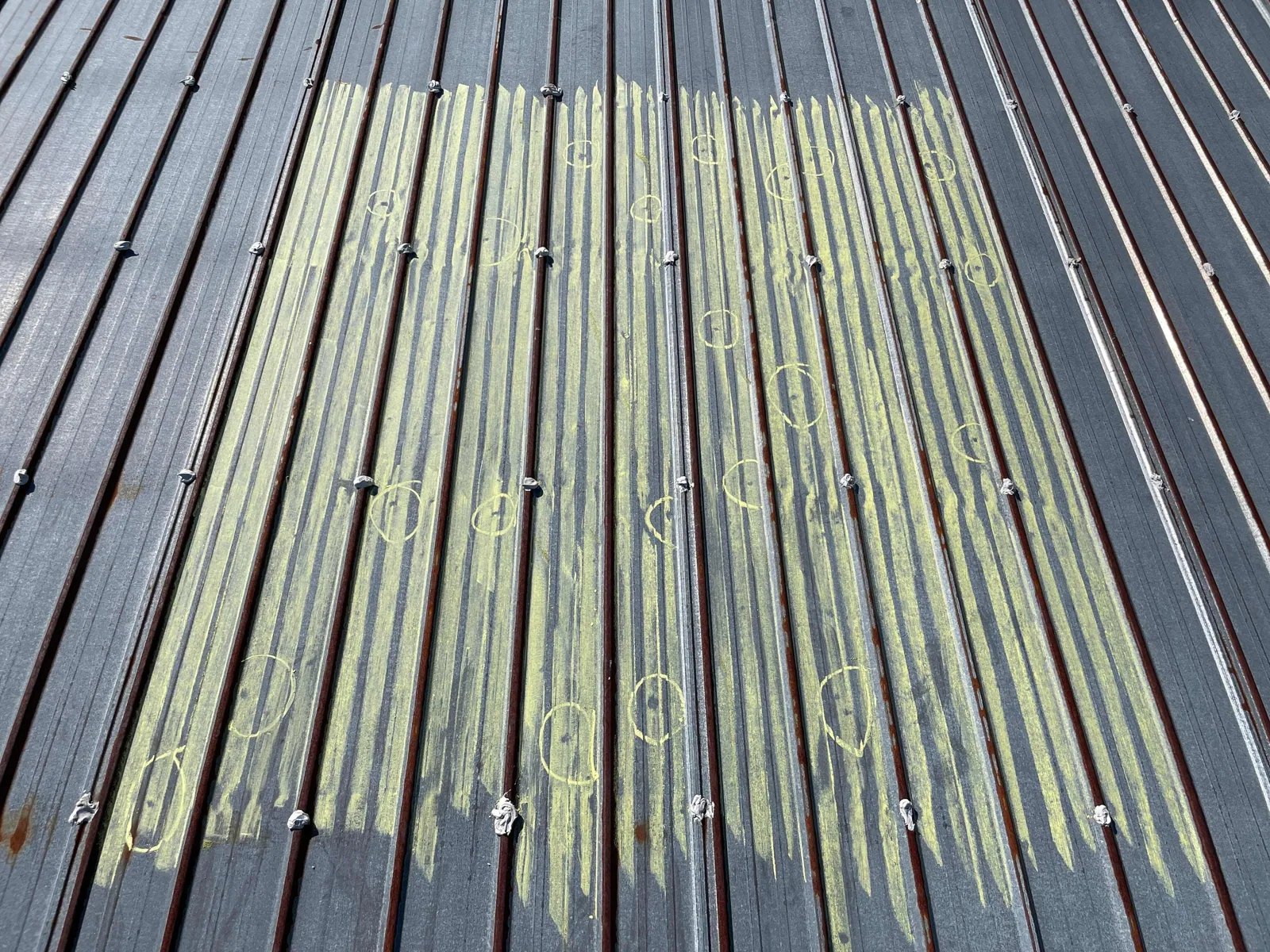
Plans and invoices help, but the roof tells the truth. A building that was recovered once shows two membranes where the file says one. A curb added by an HVAC contractor appears on no drawing. We photograph each section, give it an ID, and mark the spot so the same corner can be found again two years from now.
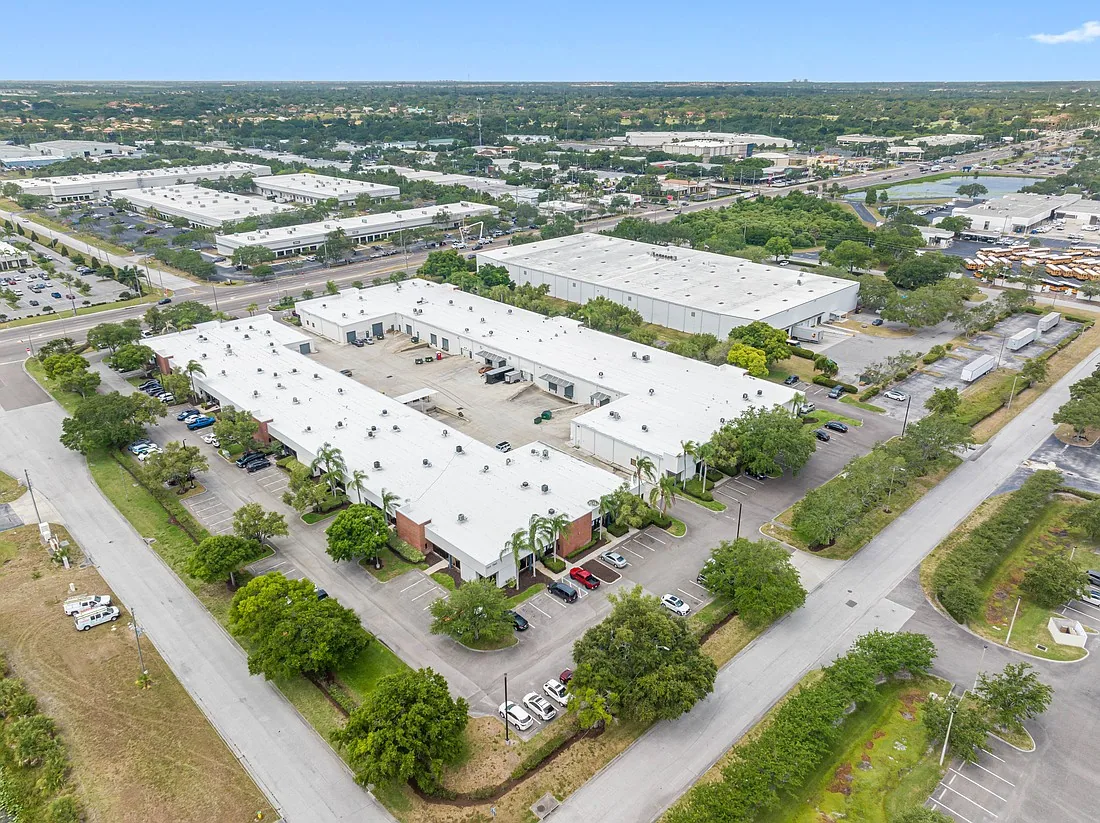
A health system with six locations across Davenport, DeWitt, Silvis, Aledo and Maquoketa, as Genesis Health System has, needs one list instead of six folders. The inventory is that list. It also gives a new maintenance hire something to read on day one besides a ring of keys.
Condition Scores That Mean Something
Every roof section gets a score, and the score has to be traceable to something we saw. We rate seams and laps, flashings, edge metal, drainage, surface wear and prior repairs, then roll those into a simple call: sound, watch, or plan.
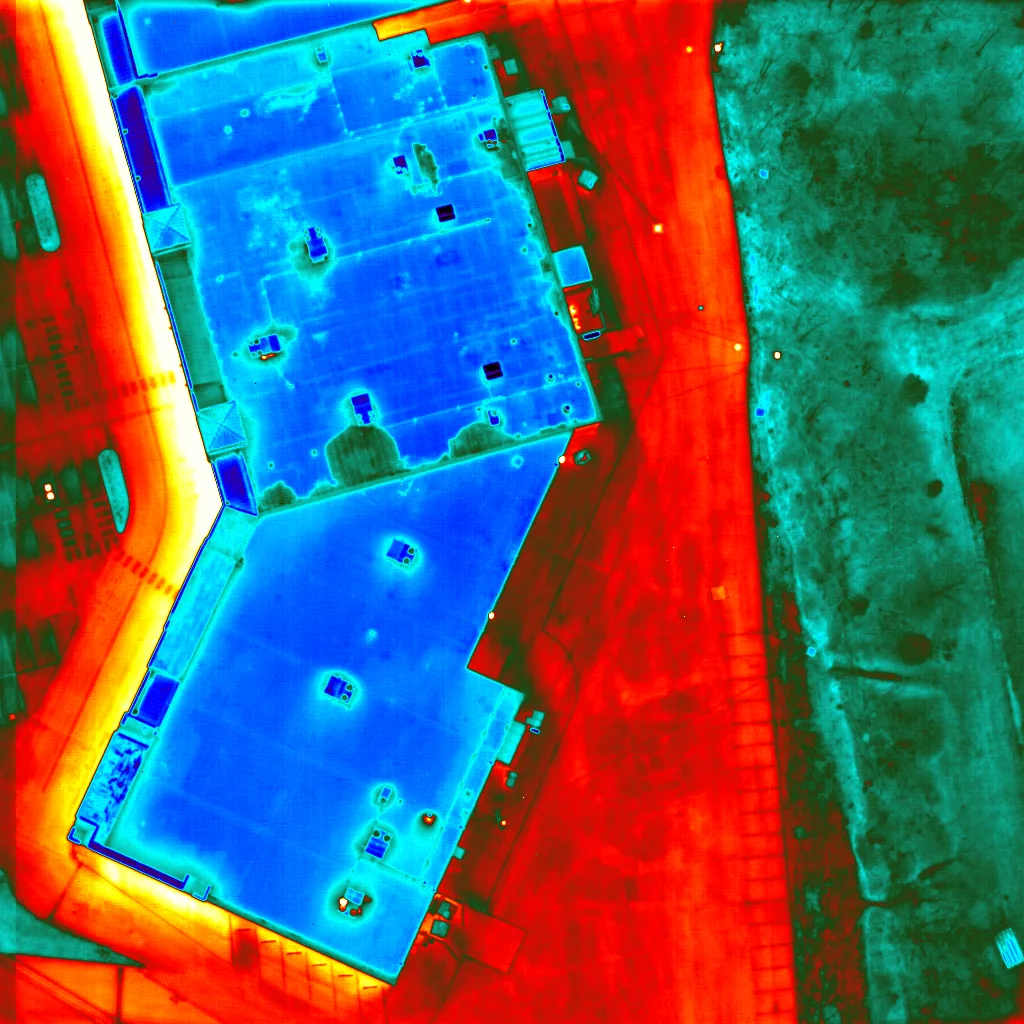
Eyes on the roof are only part of it. A membrane can look tight and sit on wet insulation, so on roofs that matter we add an infrared moisture survey and confirm with a few cores. On roofs that are hard to walk, a drone pass covers the field and the edges without sending anyone near a drop.
The score comes with a remaining-service estimate written as a range, never a single year. Nobody can promise a date, and a range keeps the budget conversation honest.
Storm History on File
Davenport roofs carry a weather record, and the file should carry it too. The derecho of August 2020 peaked at 86 mph at the municipal airport. Another derecho in July 2024 raked the region with gusts reaching 100 mph. Then in July 2025 an EF-2 tornado, estimated at 120 mph, ran seven miles across the city, passing Emeis Park and finishing near Kimberly Road and Fairmount Street.
A roof file should know which of those events a building went through. After each storm we walk the affected roofs against the last report and log what changed: lifted edge metal, creased membrane, dented units, new ponding. If the damage belongs in a claim, the before-and-after pages are already written, which helps with insurance claim assistance.
The file also keeps the quiet storms. Hail is the quiet one: 133 reports have been logged around the center of town since 2004, and a roof that took baseball-size stones in April 2023 deserves a different look than one that did not.
A Ledger of Every Repair
Repairs are data. When a roof collects its fourth patch in the same corner, that is a finding, and without a ledger nobody sees it.
Each work order that touches a roof goes on the ledger with a date, a location pinned to the section ID, a photo and a short description of the fix. Over time the ledger shows three things:
- Which roofs are spending money on small fixes that keep returning.
- Which details fail on more than one building, such as pipe boots or a specific flashing at a curb.
- Which repairs may touch a manufacturer warranty and need the right paperwork.
That trail is what turns routine preventive maintenance into a decision tool. A roof that eats repair tickets every spring is telling you something the condition score alone might miss.
Reading the Portfolio
Once the roofs are scored and logged, the list can be sorted. Sort by condition and you find the roofs that need money. Sort by use and you find the ones where a leak costs the most: a clinic with exam rooms below, or a plant floor where product sits under the deck.
Retail along Kimberly Road and the roof over a single-level enclosed mall like NorthPark Mall carry different tenant risks than a warehouse. The college campus on Brady Street, home to Palmer College of Chiropractic and about $35 million in reported campus improvements over five years, raises a different question: when a project touches the roof, did anyone record what was cut, added or sealed? The file asks it for you.
For owners who answer to a lender or a board, that sorted list is the document that gets read. It feeds directly into roof capital planning and into the schedule for the written condition reports that follow.
Keeping the File Current
A record that stops growing goes stale in a year. We update the file after each maintenance visit, each storm check and each repair, and we send a short change summary so you can see what moved without reading the full set.
The file stays yours. If the facilities manager changes, the next person gets the inventory, the photos and the ledger in a format that opens without us. Owners who run buildings through a property management company usually want one file per building that the manager can pass to the next owner, and the format supports that. For several buildings at once, the same structure scales to a multi-site program, with the Eastern Iowa Industrial Center or the Brady Street Corridor grouped the way your team already thinks about them. A Brady Street building and a plant on I-80 can share a spreadsheet and still have separate histories.

Send the Building List
Send us the list of buildings, or the last work order that mentioned a roof. We will set a walkthrough and start the inventory with the roof that worries you most.
Questions About Roof Asset Management
We own eleven buildings and have no roof records. Where do we start?
Start with the roofs that have leaked in the last two years and the ones sitting over expensive space, such as clinical rooms, server closets or stored product. Those get the full walk first. The rest of the buildings follow in batches, and by the end of the first pass you have a ranked list instead of a pile of folders.
Can you work from reports another roofer already wrote?
Send them over. Old reports, warranty papers and invoices go into the file as history, clearly marked as coming from someone else. We still walk the roof ourselves, because paper from three years ago does not say what the last two winters did. Where our findings and the older ones differ, both stay on record with dates.
Our building has two roof layers and a newer addition. How is that recorded?
Each section is its own line. The original roof, the addition and any recover layer get separate IDs, scores and photos, because they age at different rates and may carry different warranties. The log notes where the sections meet, since that seam of two systems is where flashing trouble tends to start.
Who owns the file if we stop working with you?
You do. The inventory, scores, photos and ledger are delivered in formats any roofer, lender or insurer can open. Nothing in the file depends on us being involved, and a clean handoff is one of the reasons to keep the record in the first place.
After the July 2024 derecho we patched a few places. How do those show up?
As dated entries tied to the exact section and photographed where possible. If the patch came from a prior contractor and no photo exists, the entry says so. On the next storm check we look at those spots first, since a quick patch after wind damage is often the first place a second event finds a weakness.
Talk to a Davenport Commercial Roofer
Send the work order, the building address or a few photos of what you are seeing. We will set a walkthrough, go up with whoever has the hatch key, and tell you plainly what the roof needs.