
Roof Condition Reports in Davenport, IA
Written roof condition reports with dated photos for Davenport, IA buildings, written for the plant manager, the lender and the adjuster who will read them.
The adjuster asks for photos of the roof from before the storm. The only ones anyone can find came from a leasing brochure, taken from the parking lot. That is not evidence of much, and the claim conversation gets harder from there.
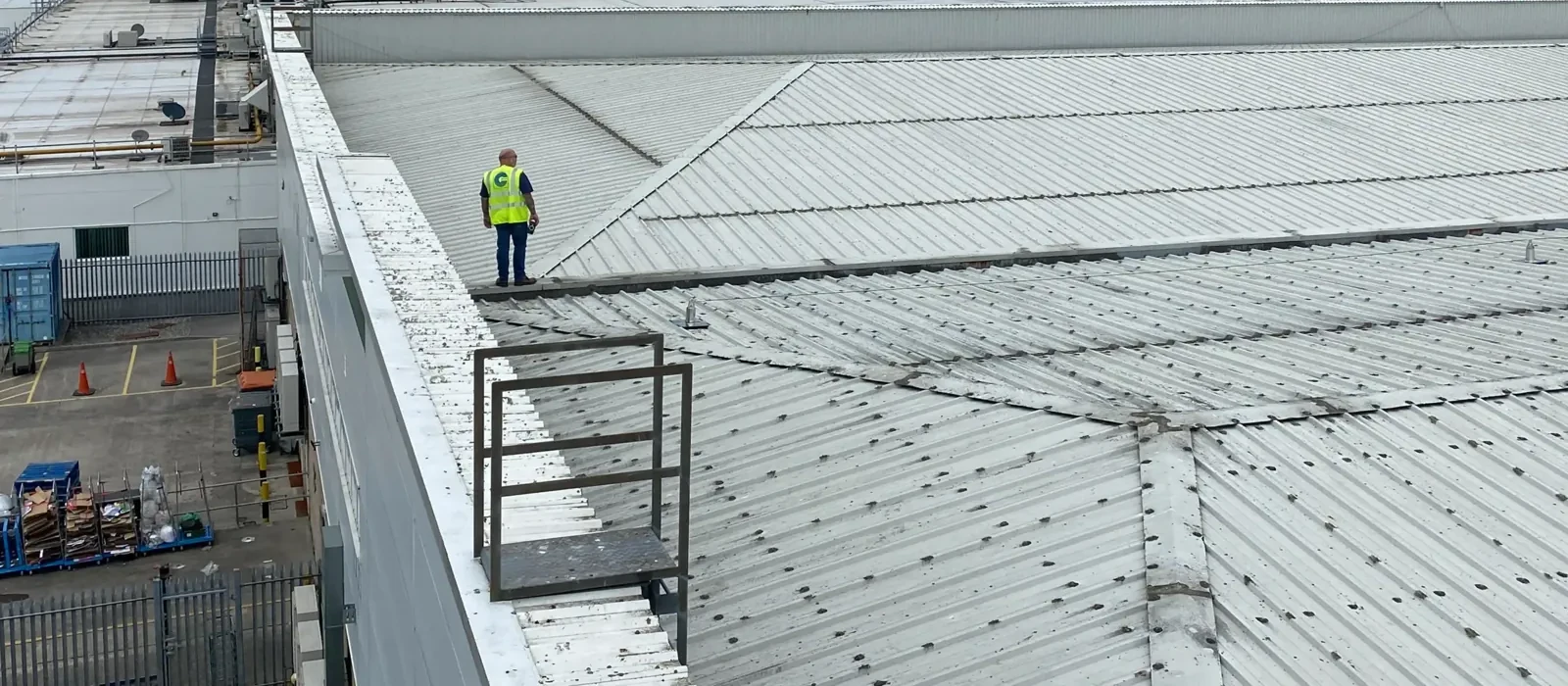
A written condition report fixes that problem before it starts. For buildings in Davenport, IA, we walk the roof, photograph what we find, and put it on paper in a form that a plant manager, a lender and an insurer can each pick up and use. It is a record of the roof on a given day, with dates and locations attached.
Anatomy of a Report Page
Every finding gets the same layout so nobody has to hunt. A page covers one roof section and carries:
- A section ID that matches the roof map, so the spot can be found again.
- A wide photo for location and a close photo for the defect.
- One or two plain sentences on what we saw and why it matters.
- A priority label and the recommended action.
The front of the report holds the roof map, a short summary of overall condition and a list of the items that need action first. Anyone who reads only the first two pages should know whether to call a crew or keep walking. The pages behind are for the person who has to approve the work or defend it to someone else.
Photos That Hold Up
A photo has to answer three questions: where is this, what am I looking at, and when was it taken. A close shot of a split seam with no reference tells a reader nothing, so every defect gets a wide frame that shows the nearest drain, curb or wall.
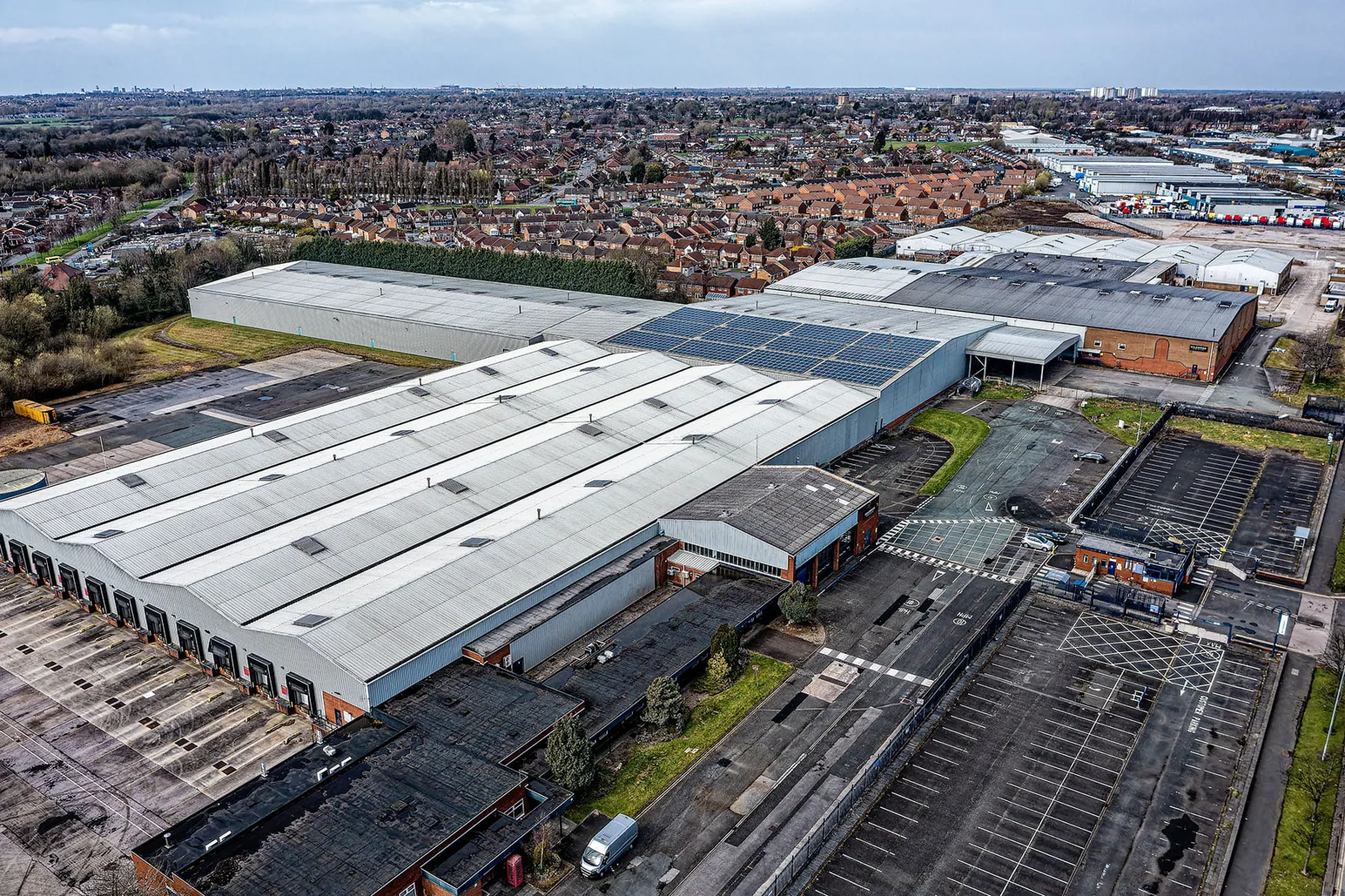
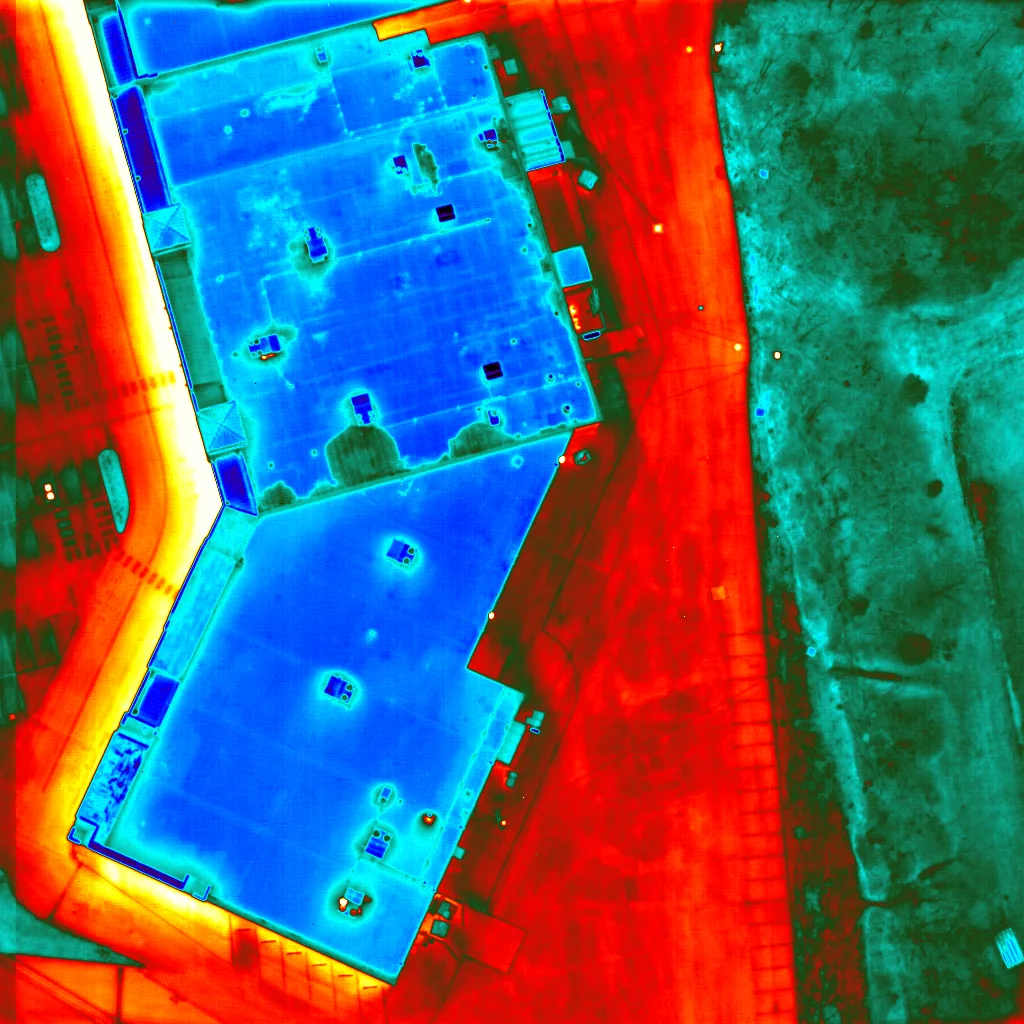
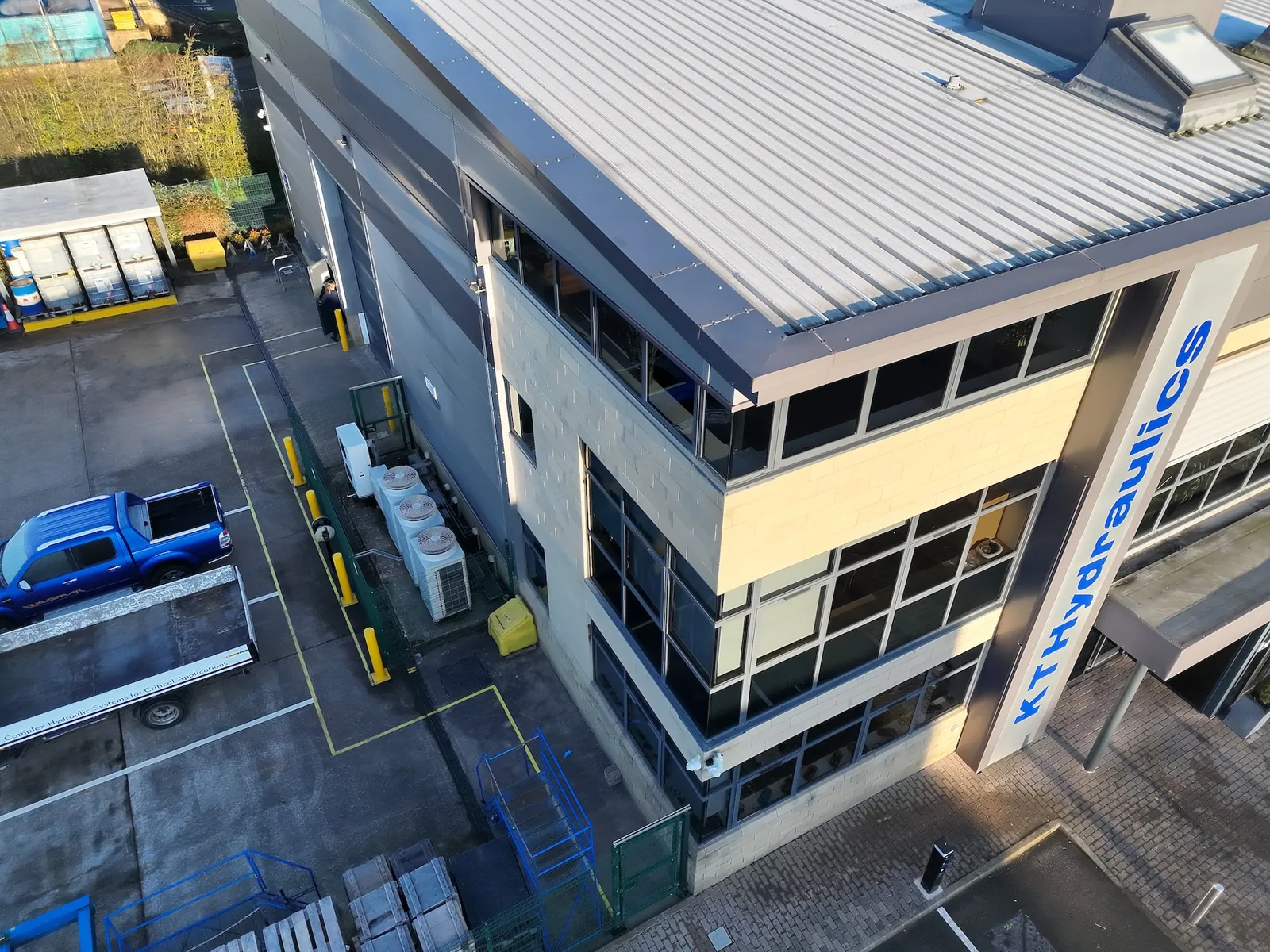
We date every image and tie it to a section ID. On large or hard-to-reach roofs we add a drone pass for the overall view, and where moisture is the question we include the thermal images from an infrared moisture survey, with core locations marked on the map.
Photos go to you the same day as the walk. The written pages follow once they are labeled and ordered, so the people who need to move fast are not waiting on formatting.
Three Labels, Used Consistently
Every item in the report carries one of three labels: fix now, watch, or plan. We do not invent a fourth, and we do not leave an item unlabeled.
Fix now means water is getting in, or will in the next storm. A split seam over a dock, an open flashing at a curb, a drain that no longer drains. Watch means the condition is real but stable, and we write down what we will look for on the next visit. Plan means the item belongs in the capital sheet and not the repair budget.
The labels carry across visits. When the next report comes, you can set the two side by side and see which items moved from watch to fix now, which were repaired, and which are new. That comparison does more work than any single report, and it is the foundation of a good commercial roof inspection history.
Older Roofs and Masonry Edges
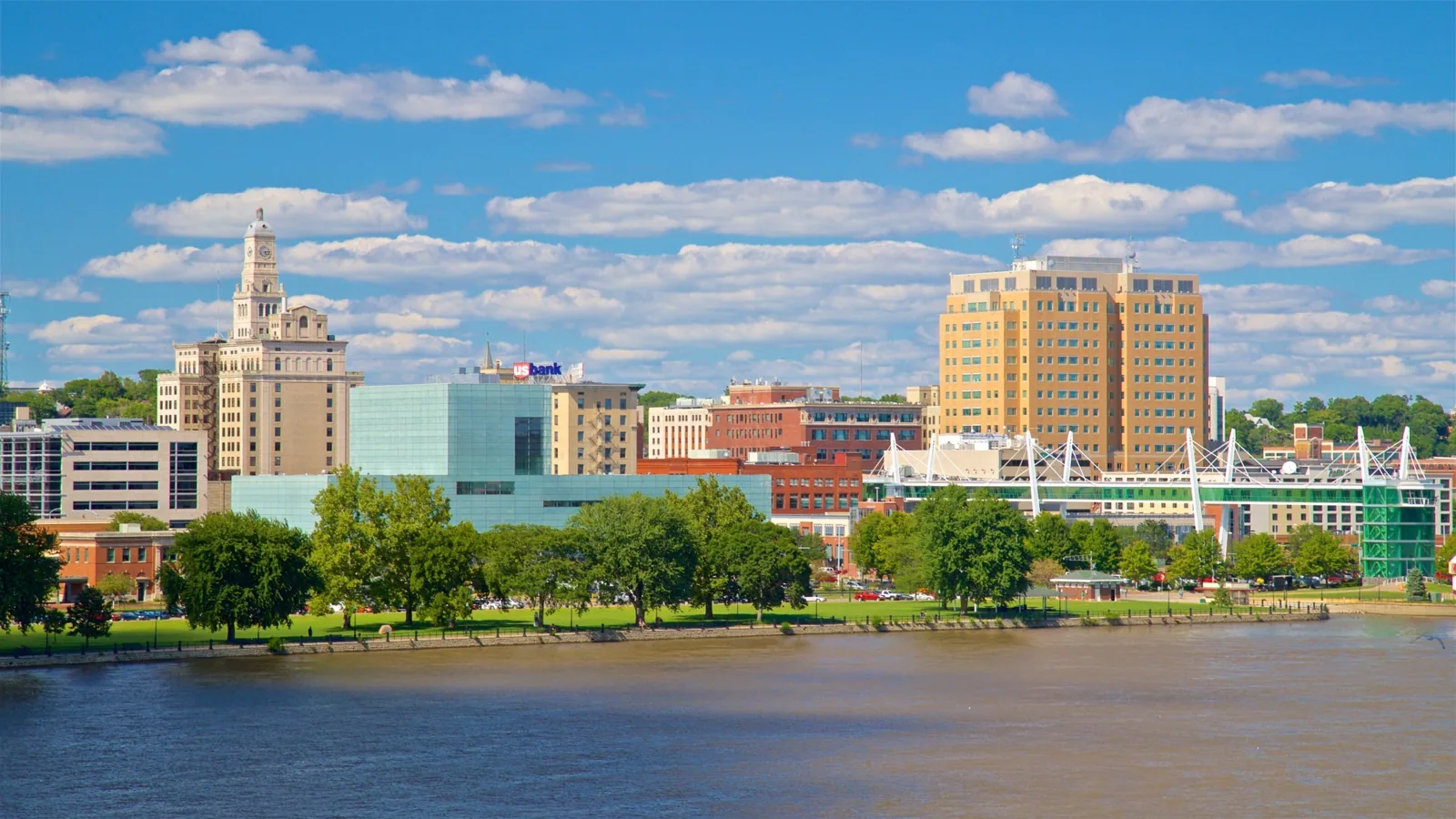
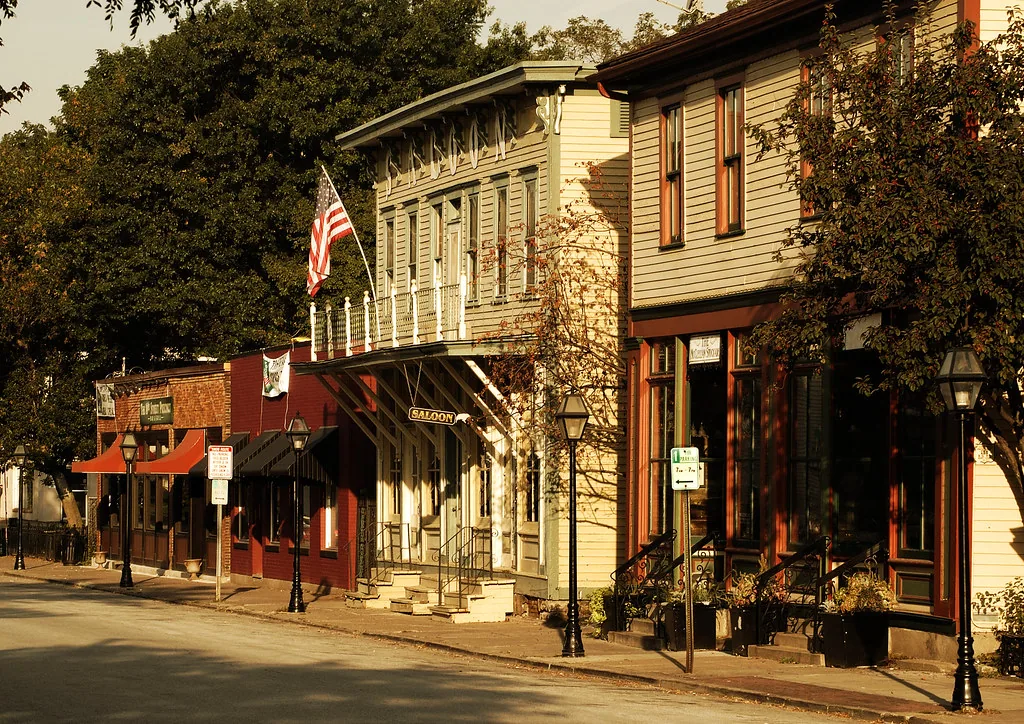
Downtown Davenport's older landmarks run from the Davenport Hotel of 1907 to the Art Deco Adler Theatre building of 1931, with the Hotel Blackhawk and Union Station between them, and historic masonry with low-slope roofs behaves nothing like a new distribution building. On an older masonry building, parapets, coping joints, mortar and old flashing reglets get their own pages. In downtown Davenport those edge details can fill more of the report than the field of the roof does.
The Village of East Davenport adds another reason to write things down. A 1901 fire destroyed 20 acres of the village, and its buildings date mostly from 1848 to 1910, so older masonry and wood-frame roofs there warrant a careful look. Owners in the Village of East Davenport get a report that records what is hidden under the roof covering as far as we can see it, and says clearly where we could not see.
Reports After Hail and Wind
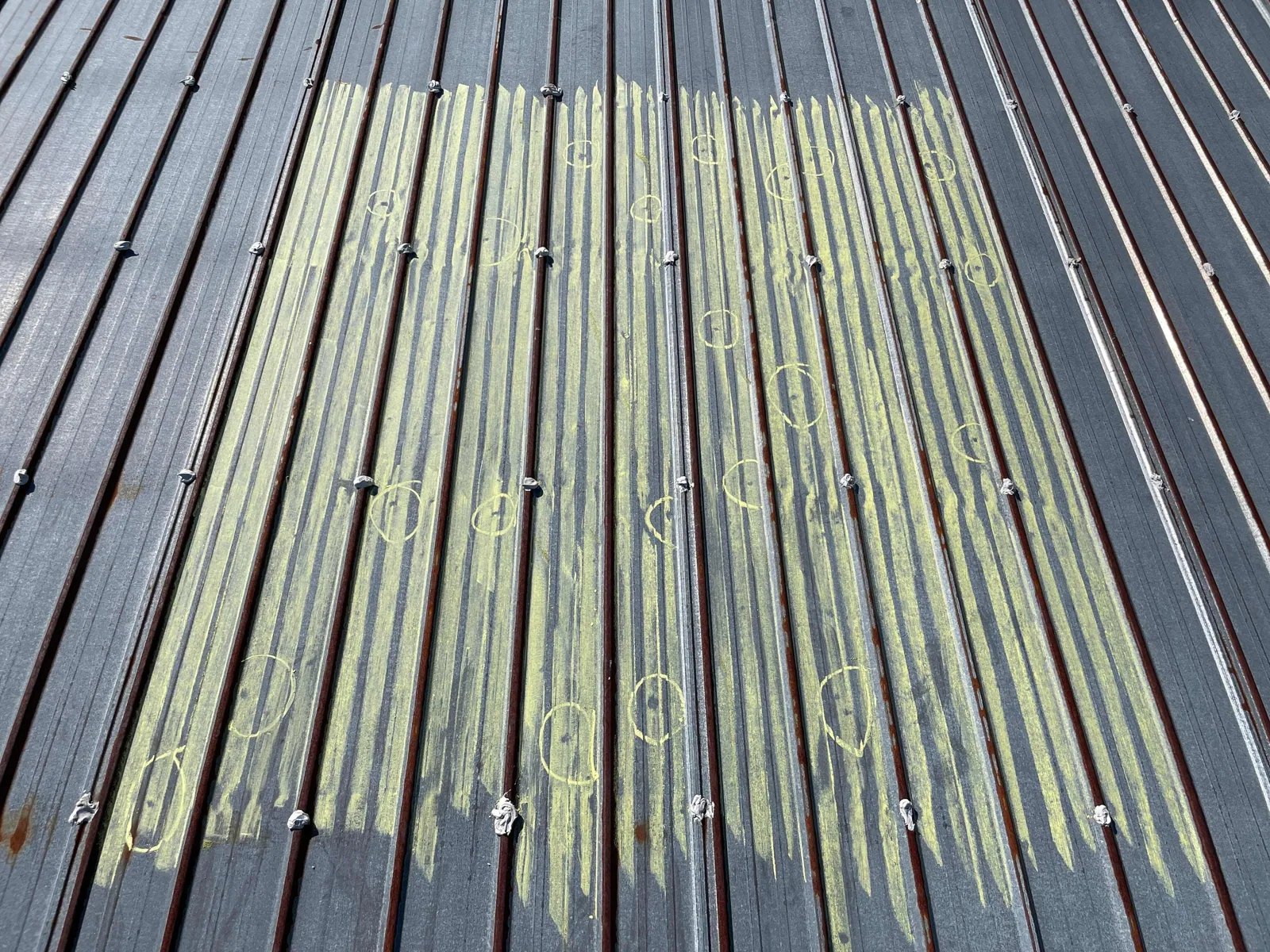
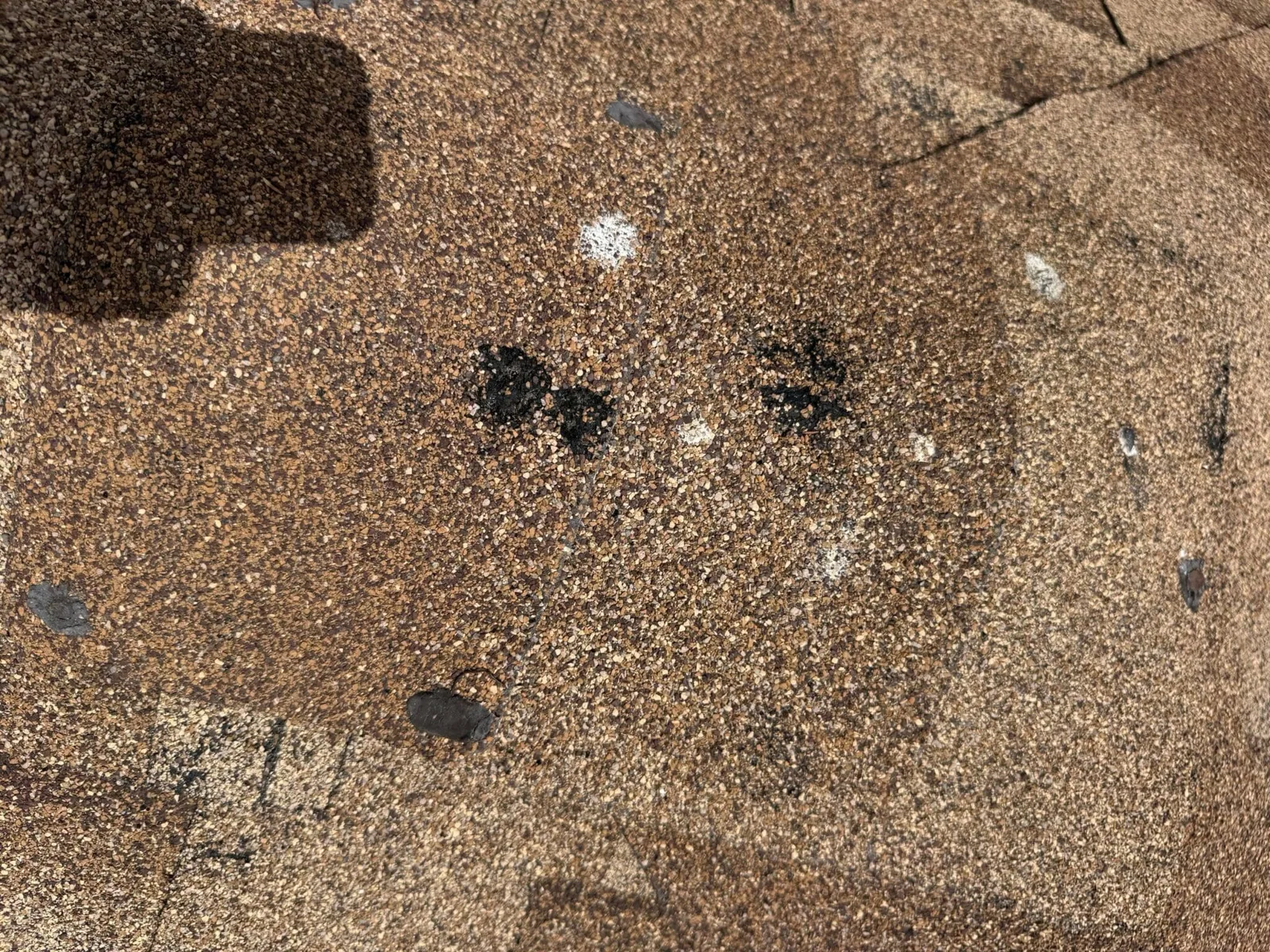
Hail leaves marks that fade or get covered by the next season. Hail reports within 10 miles of the Davenport city center include a 2 inch event on April 7, 2020 and a 2.5 inch one on April 4, 2023. A report written within days of an event like that catches bruised membrane, cracked cover board and dented metal while they are still easy to date.
Wind and tornado paths leave their own trace. The October 6, 2016 EF-1 tornado crossed I-80 near Middle Road in Bettendorf and left widespread roof damage there, the kind of thing a dated report pins down. After wind, the pages focus on edge metal, perimeter fastening, creases at corners and the rooftop units. The format is the same as a routine report, so the storm findings drop into the same comparison.
If the damage is claimable, the report supports claim documentation without a second trip, and the repair scope follows from the same pages. Bruised membrane points toward hail damage repair, while a lifted edge points toward wind repair, and the report says which is.
Who Ends Up Reading It
A condition report travels. It goes to the plant manager first, then to finance, then often to a lender, an insurer or a buyer's attorney. One report cannot be rewritten for each, so we write the first two pages for the person who skims and keep the detail behind. A federal or public owner, whether on Rock Island Arsenal or at the Quad Cities VA Clinic on West Locust Street, can require findings in a set format, and the pages can follow it.
For a buyer or refinancing party, the same findings feed a separate due diligence roof survey. For a building with manufacturer coverage, the report notes the details that matter for warranty management, so a claim does not stall on missing photos.

Set the Walkthrough, Get the Photos
Send the address and the name of whoever holds the roof hatch key. We will set a walkthrough, and you will have photos the same day and a written report to follow.
Questions About Roof Condition Reports
An adjuster is coming Thursday. Can the report be ready by then?
Photos go out the same day as the walk, and the written pages follow once they are ordered and labeled. Tell us the adjuster's date when you call and we will schedule the walk early enough to leave time. If the roof is not safe to walk, we use a drone pass and say so in the report.
Our building has old brick parapets and a newer membrane. How is that handled?
Parapets, copings and the field each get their own pages. A masonry wall and a membrane age on different clocks, and the repairs involve different trades. The roof map marks where one system meets the other, because that joint is where the details usually give out.
Do you write the report differently for a lender than for our own staff?
The findings stay the same. What changes is the cover summary and the level of detail up front. A lender wants overall condition, remaining life and open items. Your maintenance staff wants the work list. Both read from the same pages, so nobody argues over whose version is right.
What if the report says the roof is in good shape?
Then it says so, with photos to back it up, and that has value. A clean report with dates is useful at renewal time, at a sale, and if a storm hits later. It becomes the before picture. We still note the items worth watching so the next visit starts from a list.
Can the report be used in a dispute with the roofer who installed the roof?
It records conditions as we found them, with locations and photos, and that can help whoever is sorting out a dispute. It does not assign blame, and we do not write it to take sides. If an attorney or the manufacturer needs more detail, we can add pages with core samples or closer images.
Talk to a Davenport Commercial Roofer
Send the work order, the building address or a few photos of what you are seeing. We will set a walkthrough, go up with whoever has the hatch key, and tell you plainly what the roof needs.