
Roof Warranty Management in Davenport, IA
Keep manufacturer roof warranties in force in Davenport, IA with dated records, correct repairs and clear notice after storms, so a claim has paper behind it.
The facilities manager finds the warranty binder in the bottom of a file cabinet. The roof is leaking, the cover letter names a contractor that no longer answers the phone, and last summer somebody swapped a rooftop unit without telling anyone in the office.
That is the usual way warranties get lost: not through one big mistake, but through small gaps in the record. For owners in Davenport, IA, warranty management means reading the terms once, keeping the roof in the state those terms expect, and writing down every visit, repair and storm so a claim has paper behind it on the day it is needed.
Reading the Terms First
Warranties differ, so the first job is reading yours. A manufacturer may cover the membrane alone, or the whole roof system including labor for repairs. A contractor may add its own workmanship coverage on top, with its own period and its own exclusions.
We pull out the parts that decide a claim: what counts as a defect, which storm conditions are excluded, what the owner must do to keep coverage, and who must perform repairs. Many warranties limit coverage for wind above a stated speed, for hail, for ponding water and for damage caused by other trades. Others require periodic inspections, prompt notice and written approval before anyone changes the roof.
The result is a one-page summary of obligations kept next to the roof file. Anyone who inherits the building can read it in five minutes.
Foot Traffic and Other Trades
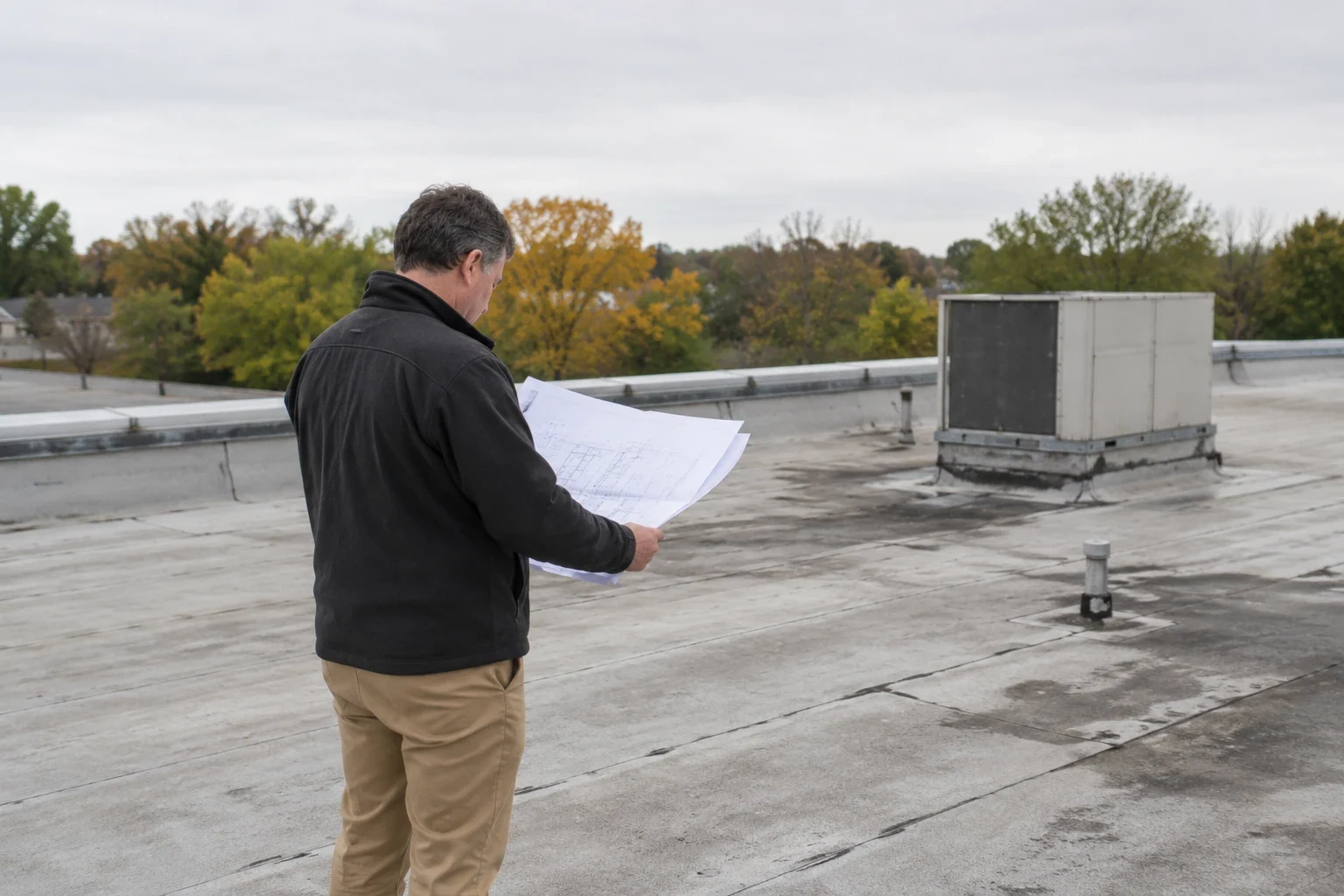
The most common reason a warranty gets argued is traffic. HVAC technicians, antenna installers, security contractors and solar surveyors all walk the roof, and each of them can puncture a membrane or set a new curb on it.
The answer is a rule the whole building follows. Walk pads go where service routes run. Anyone who needs to cut, fasten or flash something notifies the roof contact first. We log the visit, inspect the work and repair any damage the same trip, so the record shows it was caught and fixed. This matters most on the retail and office buildings along Kimberly Road, where tenants may hire their own mechanical contractors and the owner can miss it until the next leak.
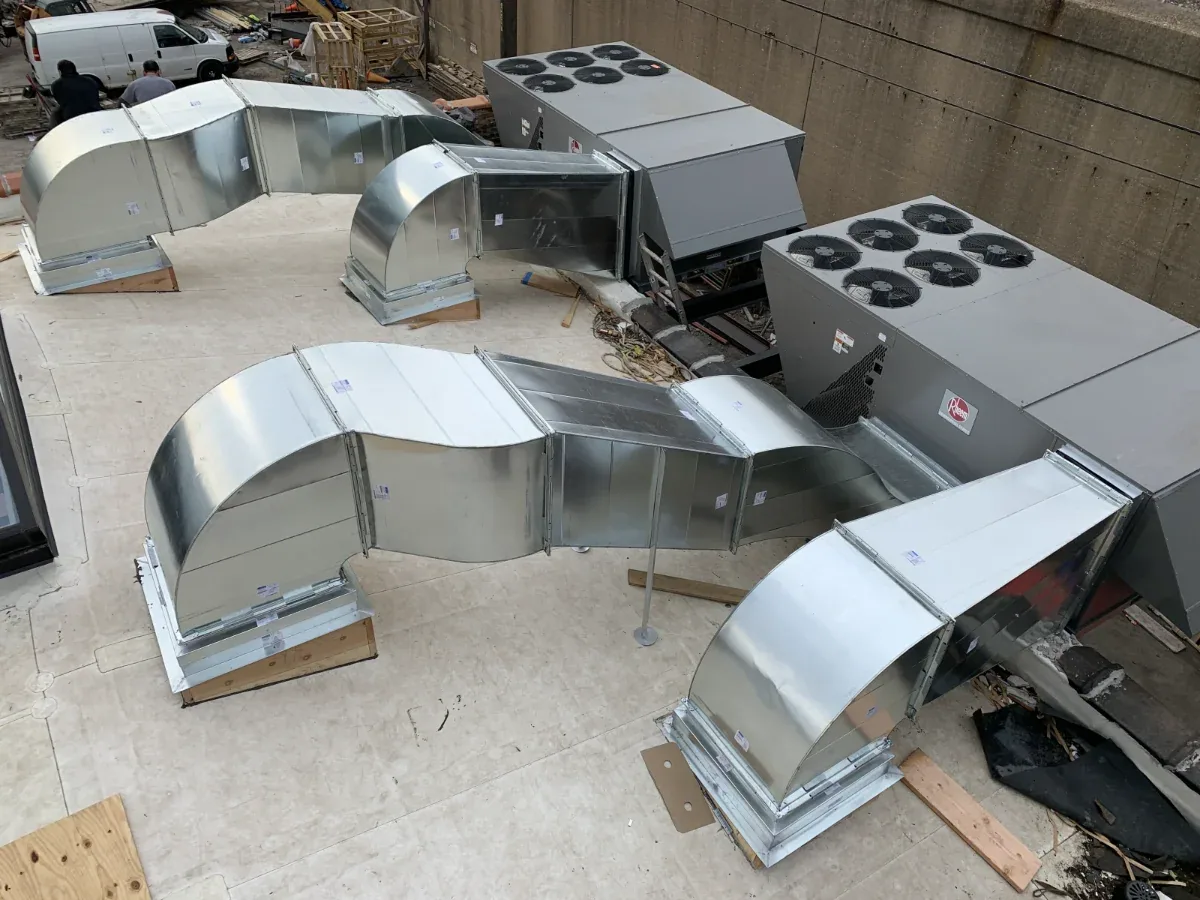
Units sitting on curbs and platforms are frequent culprits, so the way they are set matters. A new unit on its curb or support gets the same treatment: seal it once, document it, and protect the membrane around it.
Maintenance the Paper Expects
Most warranties assume an owner who looks after the roof. In practice that means clear drains, debris pulled from corners, small repairs made promptly, and a written inspection on a regular rhythm.
In the Quad Cities, that rhythm follows the weather. A Quad Cities year averages more than 36 inches of snow, and ice at the drains is where trouble begins. A spring visit catches what the freeze-thaw swing did to seams and flashings, and a fall visit gets the roof ready for the next load. Both visits end in a dated report, which is exactly what a manufacturer's claims reviewer asks to see.
A schedule like that is what preventive roof maintenance puts on the calendar, and each dated report adds to the condition report history on the roof. An owner who has the paper does not have to argue about whether maintenance happened.
Notice After a Storm or Leak
Timing matters on a claim. Most warranties set a window for notice after a leak or damage is discovered, and a late call can be treated as a lack of maintenance.
When water shows up, the order is simple. Make the area safe and stop the water with a temporary repair. Take photos of the roof, the interior and the weather conditions. Send notice in the form the warranty requires. Our emergency roof repair crews can dry the opening in on the same call without changing anything the manufacturer would want to see.
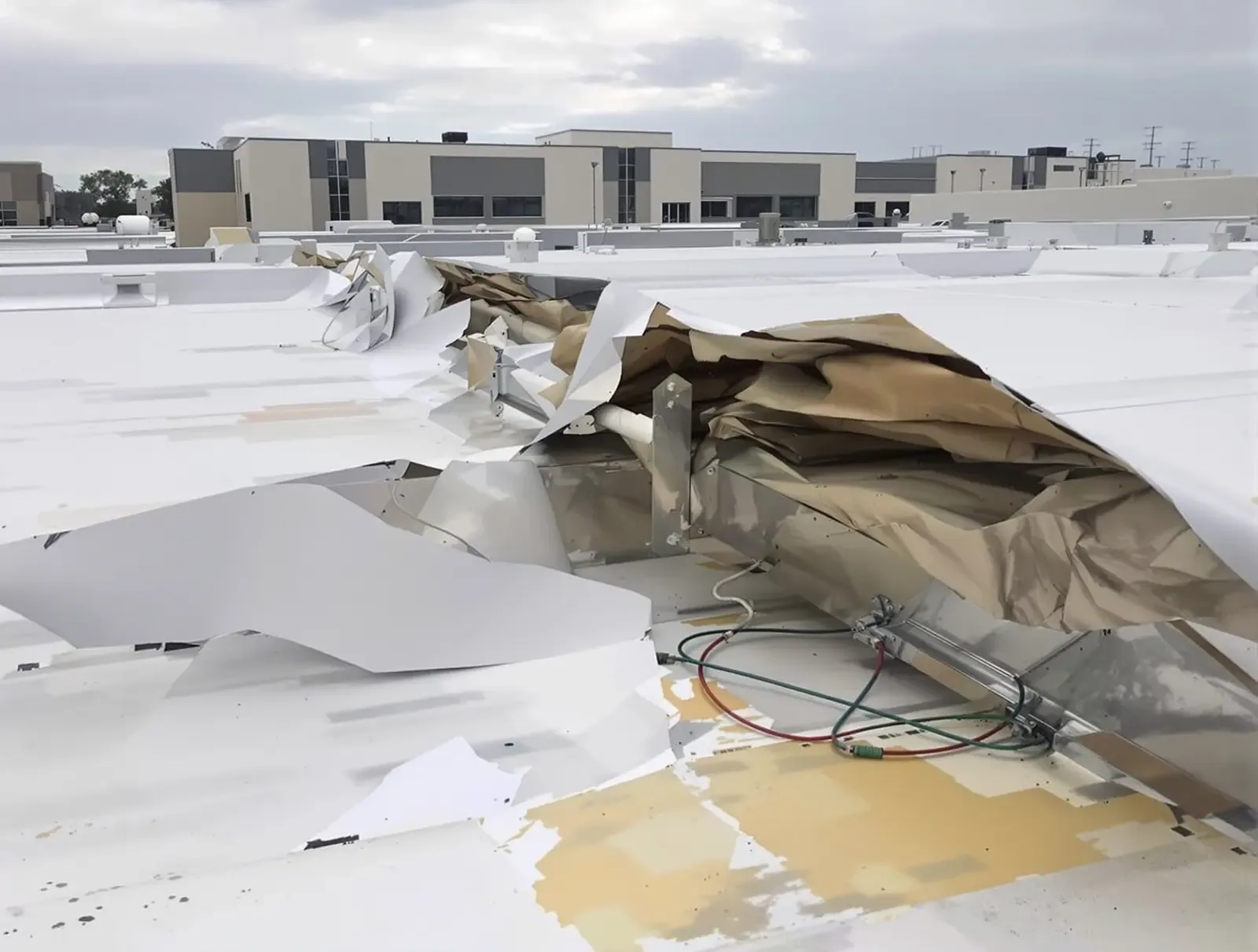
Storm exclusions deserve a second look. On August 10, 2020 the two area airports logged 86 mph at Davenport Municipal and 79 mph at Quad City International. In the July 15, 2024 derecho, gusts across the region reached 100 mph. If your warranty excludes wind above a stated speed, the weather record for the event matters, and so does a record of the roof's condition the day before. Repairs after gusts like that, including wind damage repair, should follow the manufacturer's details so the fix does not create a second problem.
Repairs That Protect Coverage
A repair can keep a warranty alive or end it. Patches made with the wrong sealant, an incompatible membrane or the wrong fastener are the usual damage, and they often show up months later as a peeled seam.
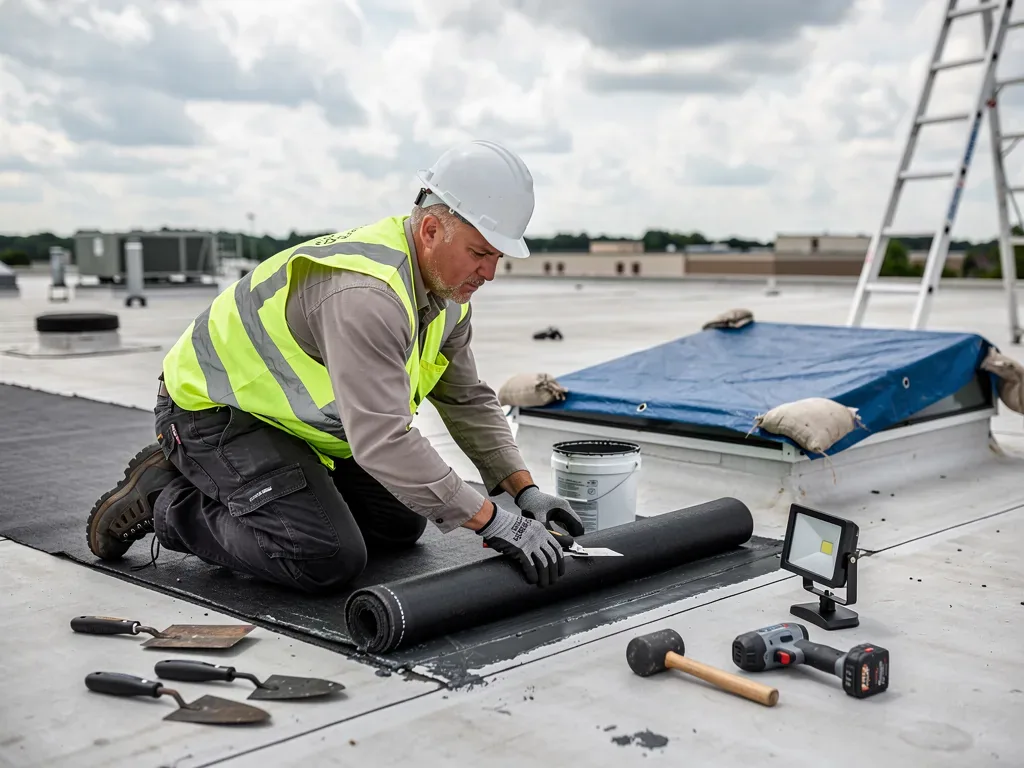
We make repairs with materials and details that match the existing system, and we photograph the work before and after. Where a warranty requires its manufacturer or an accepted installer to handle a repair, we say so before touching the roof and work with the owner on how to get that done. Nothing in a warranty file should come as a surprise at claim time.
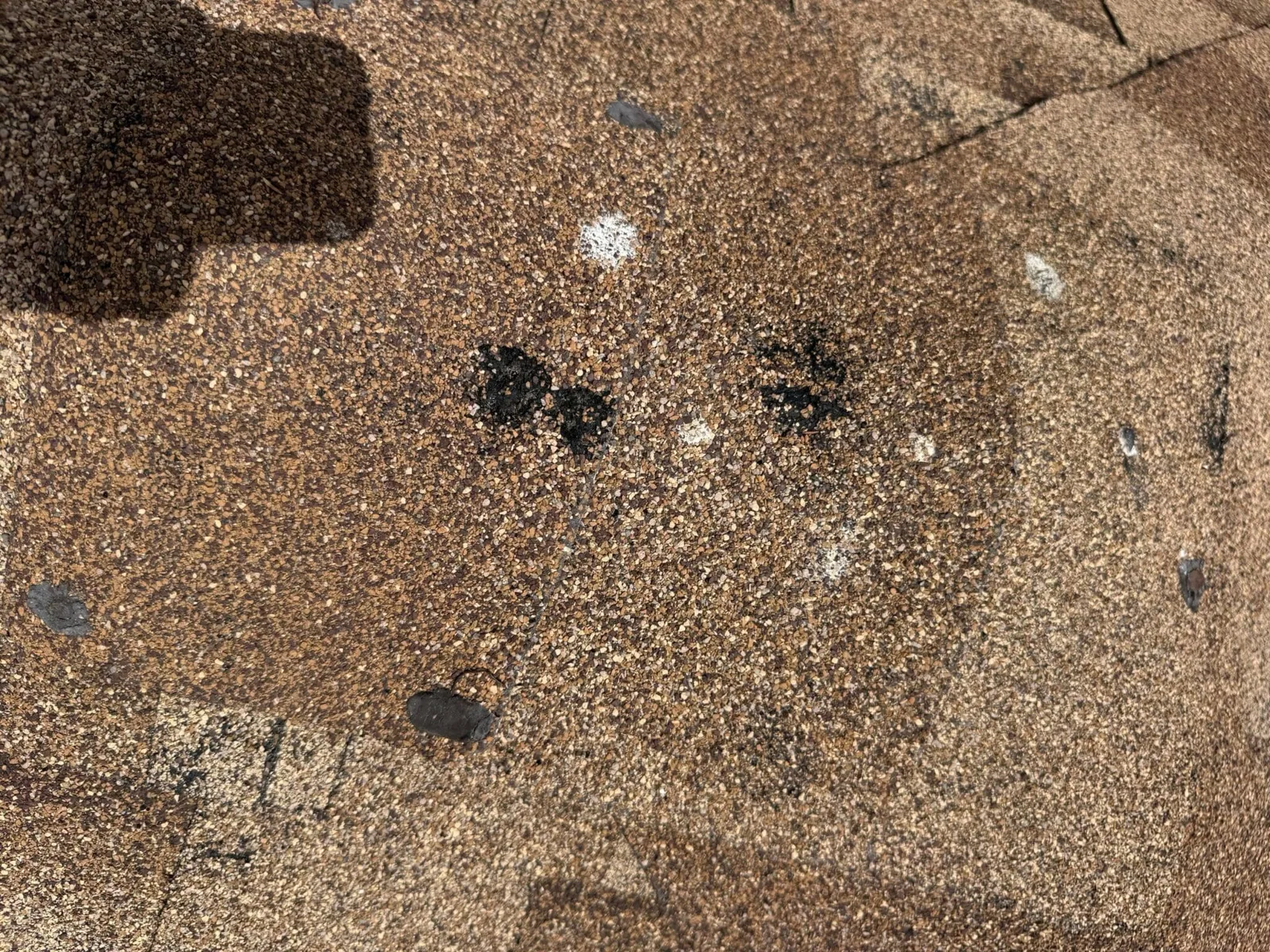
Hail is the same story. Hail the size of baseballs was reported within ten miles of Davenport's city center on April 4, 2023, and hail damage that is not documented can leave a roof short of coverage later, because bruising does not always leak right away.
Dates, Transfers and Sales
A warranty has a calendar, and the roof file should too. We track start and end dates, inspection due dates and notice windows so nobody finds out in the final month that coverage ended.
When a building sells, many warranties can be transferred, often with a form, a fee and a deadline. A buyer in the Eastern Iowa Industrial Center or anywhere else in the market will usually ask for the warranty, the maintenance records and a current survey. The same paper supports a roof survey for acquisition or refinancing, and a warranty that has been kept in order makes that review shorter.
Bring the Warranty Binder
Send us the warranty paperwork and the last work order that mentioned a roof. We will set a walkthrough, mark what the warranty asks of the owner and build the schedule from there.
Questions About Roof Warranty Management
A tenant's HVAC contractor cut into our roof. Did that void the warranty?
Not automatically, but it can if the cut is not flashed to the manufacturer's detail or no one reports it. Have us inspect and repair it right away, and log the contractor and the date. A prompt, documented fix keeps the question from coming up later.
The roofer who installed our roof has gone out of business. Who handles the warranty?
The manufacturer's coverage normally stays with the manufacturer, though a contractor's workmanship coverage may not survive the company. Read your paperwork to see which one you have. We can sort the two and tell you who to notify and what a repair should look like in the meantime.
Our warranty excludes wind above a certain speed. What do we do after a derecho?
Document first. Photograph the roof before any cleanup, record the storm's gusts from the nearest official readings, and compare with the last condition report. Then call us to make the roof safe. Whether the wind exclusion applies is the manufacturer's call, and your paper trail is what you bring to that conversation.
We are selling the building. Can the warranty go to the buyer?
Many can be transferred, usually with a form, a fee and a deadline after closing. Check the terms early, since missing the window can end coverage. We help assemble the records the new owner will need, including inspection reports and repair history.
A leak showed up. Should I call you or the manufacturer first?
Call us for the dry-in, then send notice to the manufacturer the same day or the next. Stopping water is urgent and does not conflict with a claim when it is done with photos. Notice has its own clock, so do not let temporary repairs delay it.
Talk to a Davenport Commercial Roofer
Send the work order, the building address or a few photos of what you are seeing. We will set a walkthrough, go up with whoever has the hatch key, and tell you plainly what the roof needs.