
Single-Ply Membranes
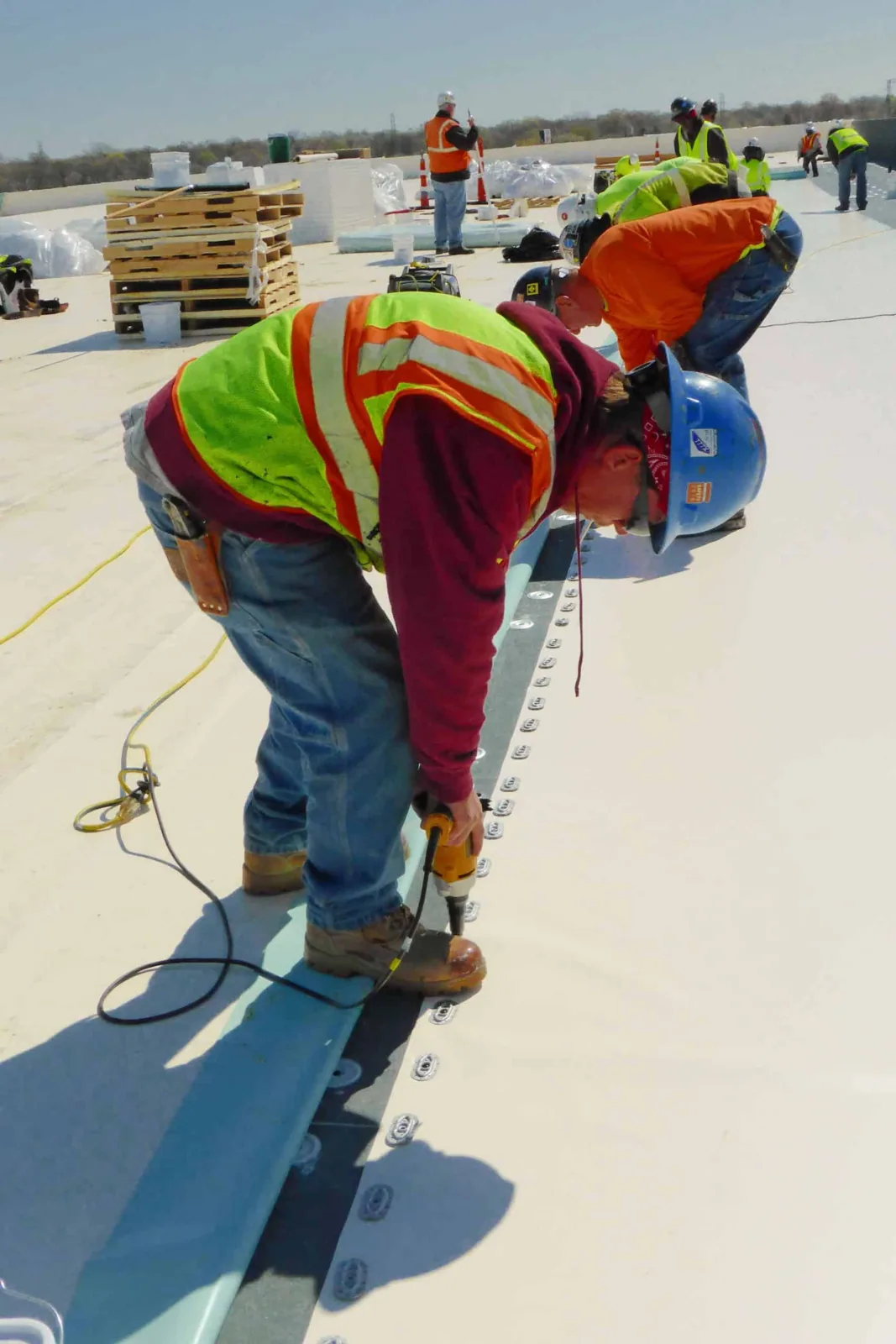
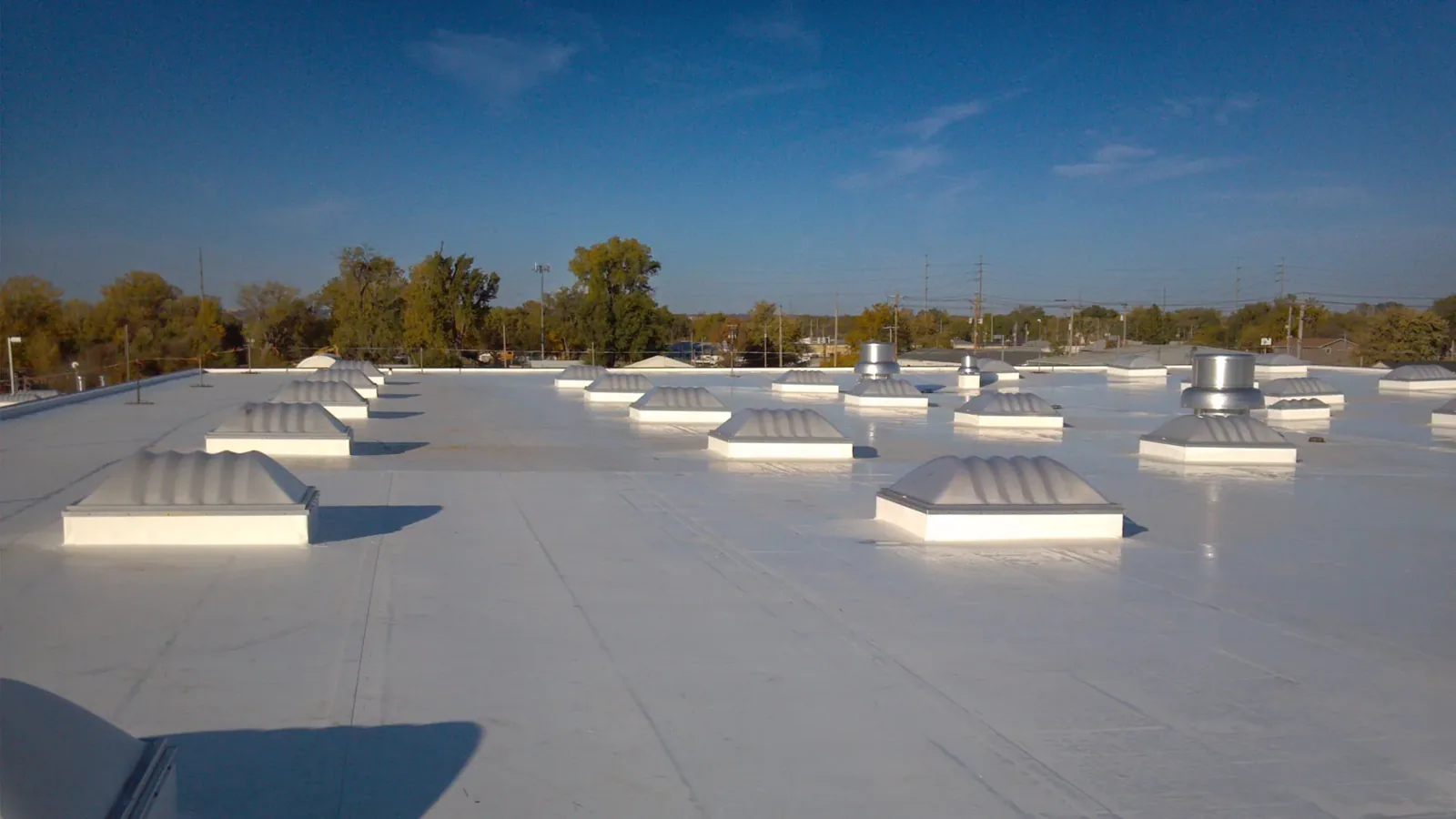
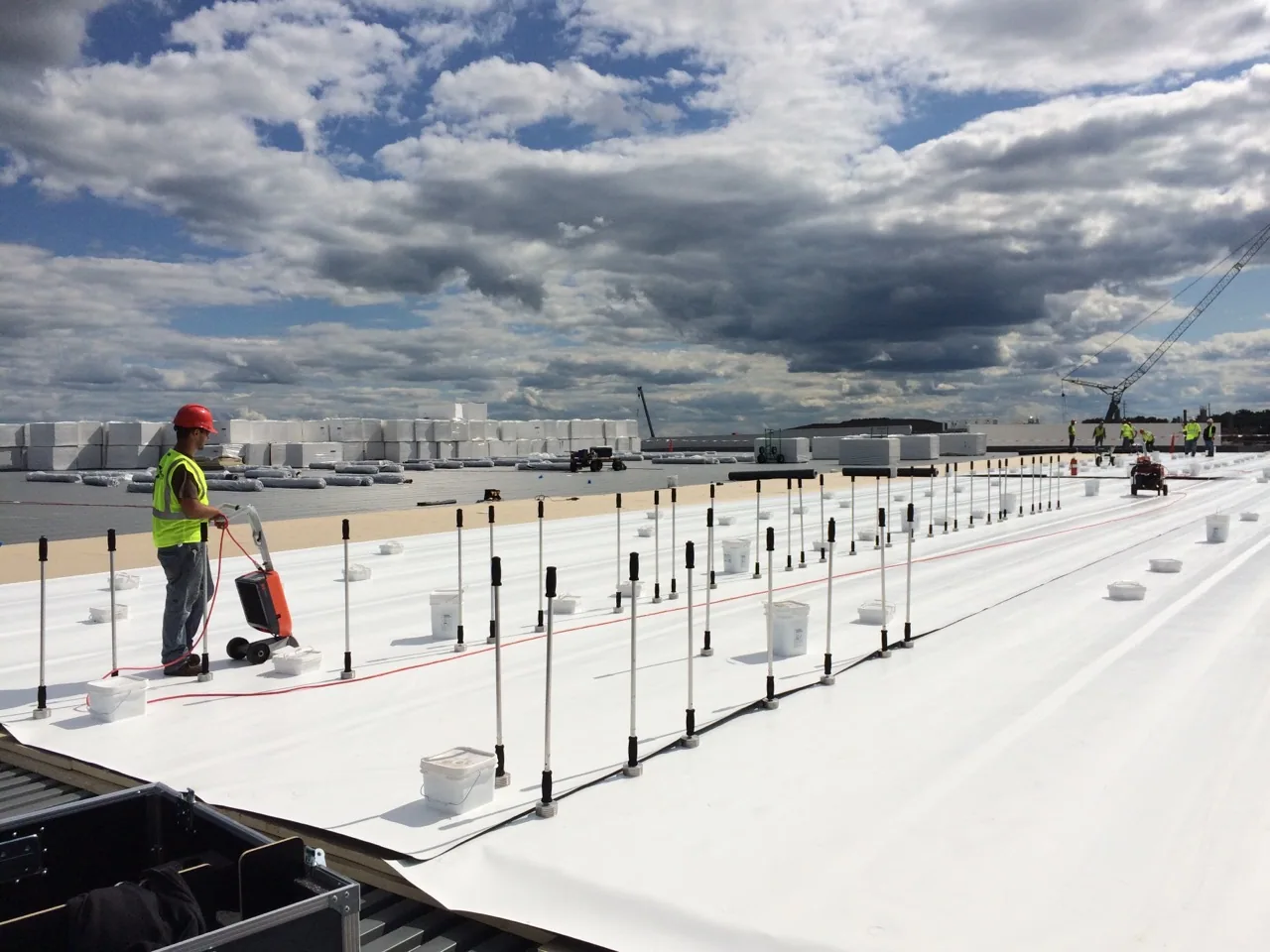
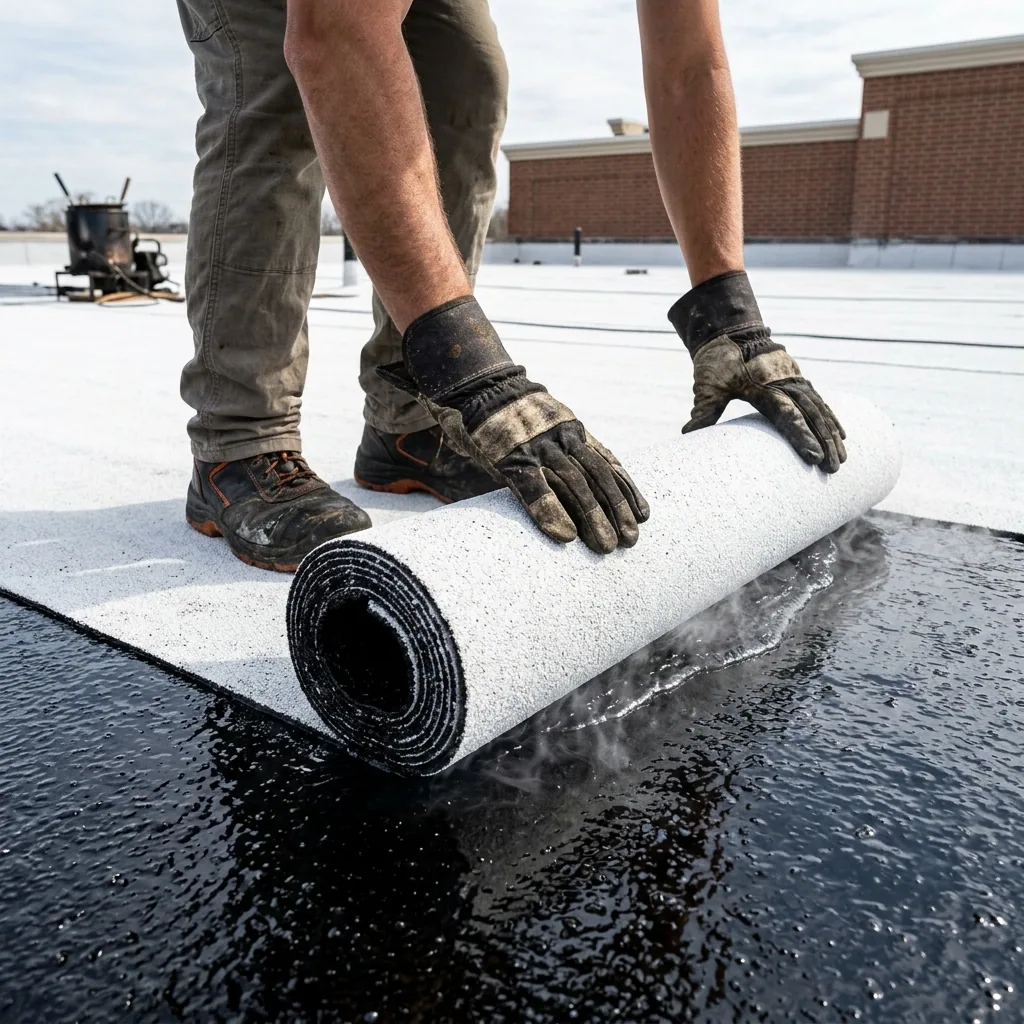
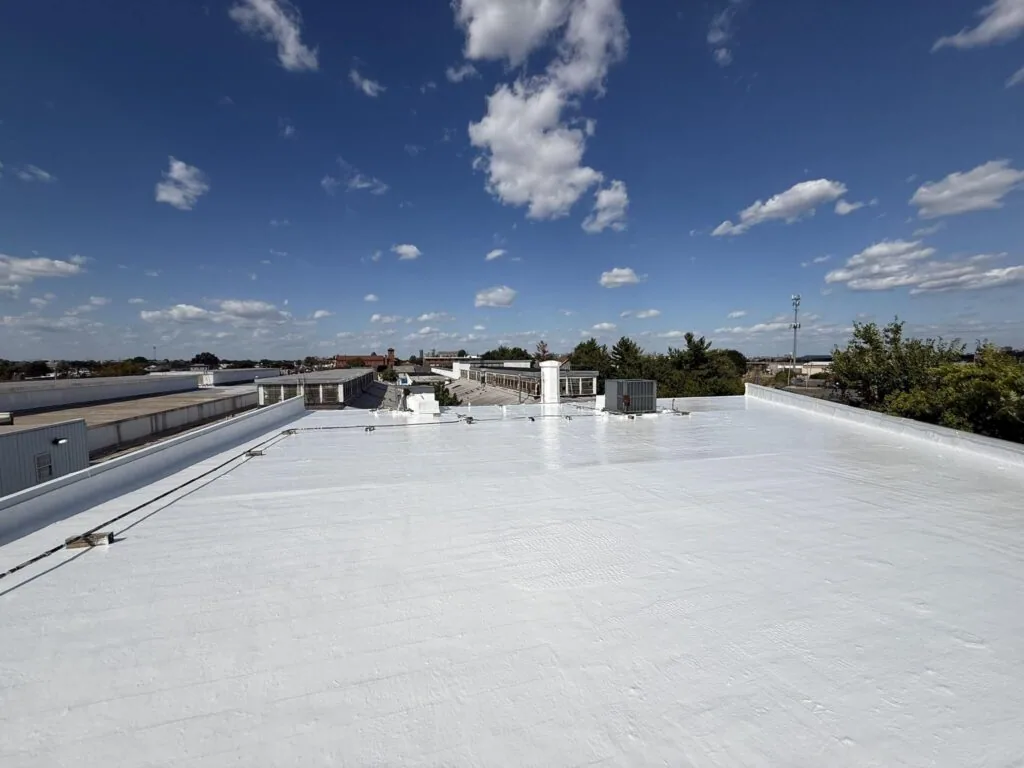
Sheet membranes come in rolls, get welded or adhered at the seams, and cover most big flat roofs. TPO is the white, heat-welded choice for large low-slope plants and warehouses, the kind of building that makes up most of the Eastern Iowa Industrial Center. PVC and KEE earn their place where grease, oils and exhaust would break down other sheets, such as kitchens and process buildings.
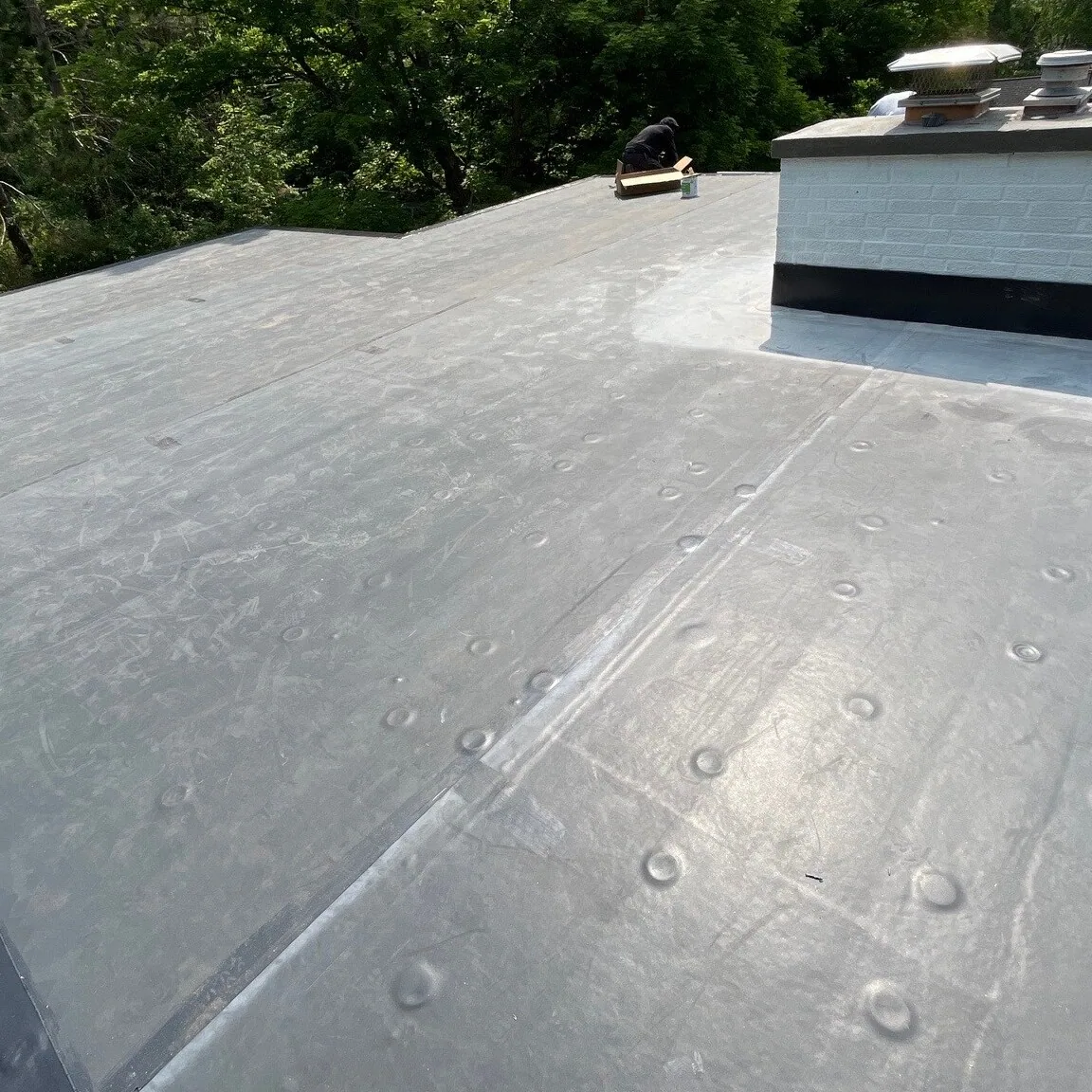
EPDM is the black rubber sheet. It flexes well through a climate that has recorded 111 F highs and -29 F lows, and its seams get close attention at every walkthrough.
Layered Bitumen Roofs
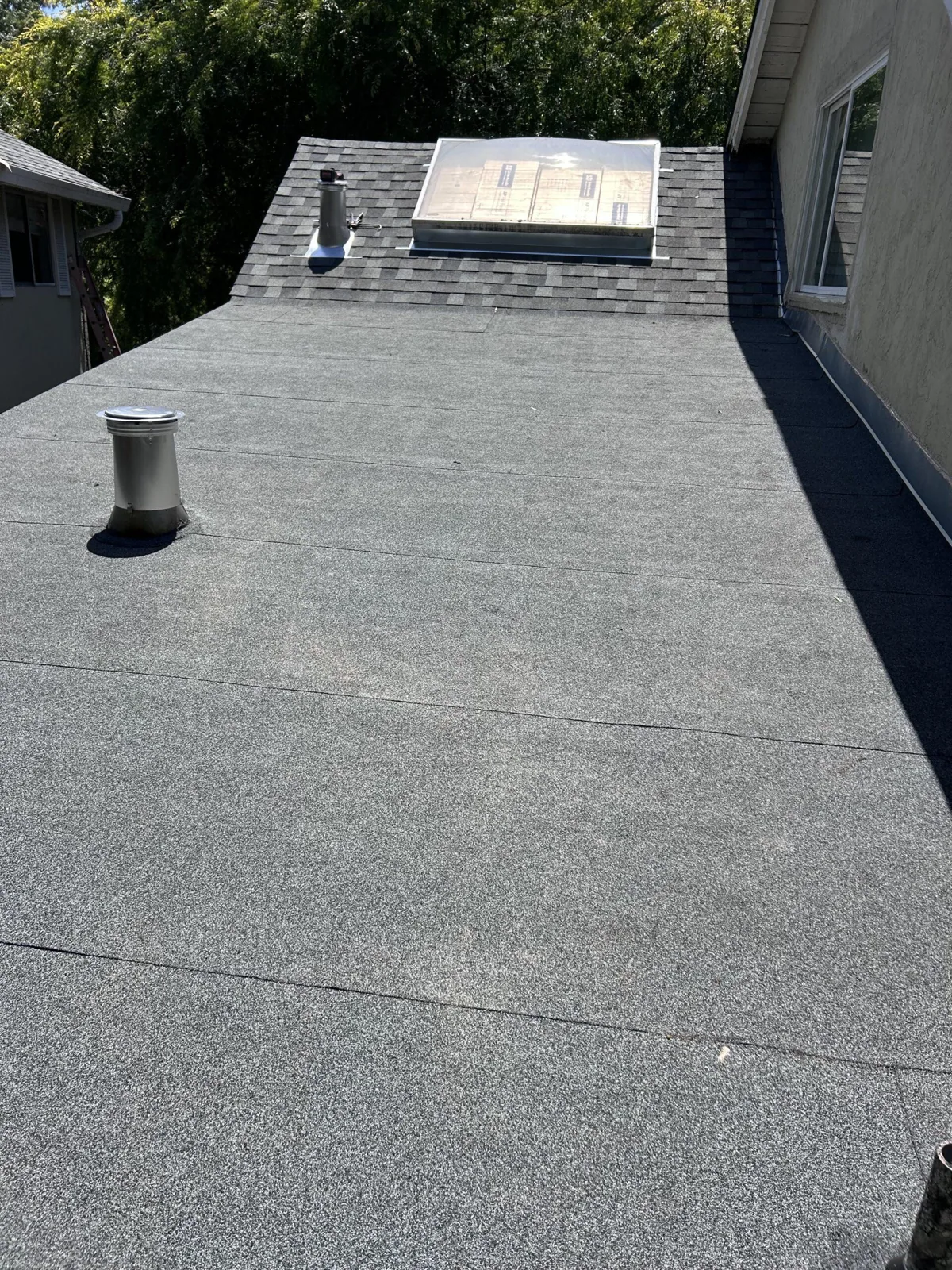
Plies of felt and asphalt have kept buildings dry for generations. Built-up roofing stacks those layers under a gravel or cap surface. Modified bitumen adds polymer-reinforced sheets that are torched, mopped or self-adhered, depending on the building and the fire rules on site.
On a historic downtown building such as the 1907 Davenport Hotel or the 1924 Union Station, a core sample is the only honest way to learn what layers sit under the top surface.