
Roofing for Property Management Companies in Davenport, IA
Roof repair, condition reports and storm response for property managers running several buildings in Davenport, IA, scheduled around tenants and work orders.
The work order reads: bucket in the second-floor corridor, tenant upset, building four. An hour later a second ticket lands from a property across town. Neither one has a roof history attached.
That is the daily shape of roofing for a property management company in Davenport, IA. You are not managing one roof. You are managing a queue of them, each with its own tenants, its own hatch key and its own owner waiting on a number. We work the queue with you: one walkthrough per building, photos the same day, and a short recommendation you can drop straight into an owner report.
Sorting the Queue
A drip at a unit curb, a stain after a heavy melt and water in a stairwell all read the same on a ticket. They do not cost the same to fix, and they do not deserve the same urgency.
We sort what comes in to three lanes:
- Active leak into occupied space: a temporary repair the same day, the permanent fix once the deck dries out.
- Worn but dry: a scheduled repair on the next maintenance visit.
- Aging with no leak yet: onto the capital list, with a photo of what we saw.
That sorting keeps a patch from standing in for a decision, and keeps an owner from approving a full replacement for a seam problem. Leak repair on a commercial roof begins by finding where water actually enters, which is rarely under the stain.
Tenant Notice and Roof Access
Every building has its own rules. One lease wants two days of written notice. Another wants the notice drafted by the manager and signed off by the owner. We ask early who holds the roof hatch key, whether the route is a ladder or an interior stair, and what the lease says about roof access.
Then we write the tenant notice with you: the dates, the noise window, the entrances to avoid. Residents in an apartment building need different wording than suites in an office building, and a retail tenant mostly wants to know the walkway stays open. The crew badges in at the leasing office, works the hours you set, and leaves the roof door locked behind them.
Kimberly Road Offices and River Brick
Kimberly Road runs about six miles through central Davenport, I-74 to I-280, lined with retail, apartments and offices. A manager with several addresses on that stretch can be holding roofs of very different ages that look alike from the street. Each one gets its own look.
The older side of town works differently. The Village of East Davenport covers 72 acres by the river, with most structures put up between 1848 and 1910. A fire in 1901 burned through part of it, which is why roofs in old brick and wood frame get a slow, careful inspection. Parapet caps, old tie-ins and original drains fail in their own ways. The shop owner downstairs can tell you where the water landed. The roof tells you where it came in.
The Storm File
The August 2020 derecho blew for 30 to 60 minutes across Davenport, Bettendorf and Scott County, and the National Weather Service documented extensive roof damage. After a storm like that, every manager in town needs a roofer at the same time, and the one holding a clean file has the easier call.
So build the file before the weather does. A baseline photo set of each roof, drains marked, a contact for each building. When the July 2025 EF-2 tornado crossed Davenport and ended near Kimberly Road and Fairmount Street, owners with a recent photo record could show which damage was new. Insurers ask that first. When the job is storm damage roof repair, the work starts from that record, and the adjuster or any restoration contractor on the claim can work from the same photos.
One Report Per Building, One Program Across Them
Owners and investor groups want a ranking: which roof first, which can wait, which is fine. We deliver that as a written condition report for each building, with photos and a plain rating, and then roll the buildings into a multi-site roof program that fits the budget cycle.
Managers change jobs. Properties change hands. The report is what survives. Keep the drain map, the warranty paperwork and the hatch key location in the same folder, and the next person on the account starts on page two instead of page one.
For a manager with a long list, the order of work matters as much as the work. We mark each roof as repair now, maintain, or plan, and note which ones share a drain or wall with a neighboring building so one visit can cover both.
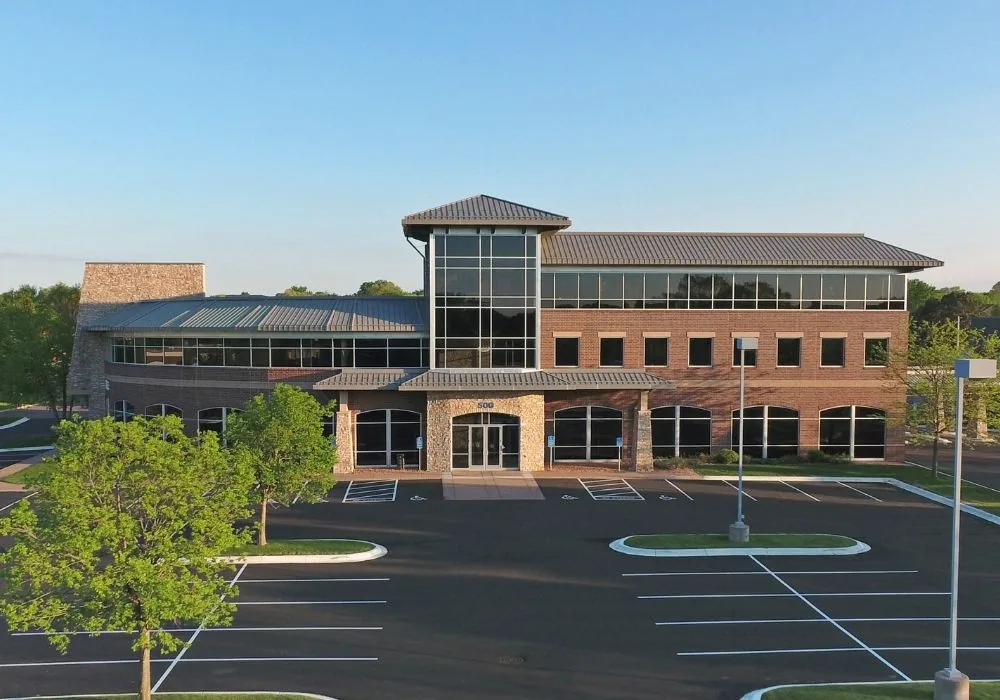
Send the Ticket, Set the Walkthrough
Send us the work order or the address list for your next three problem buildings. We will set a walkthrough with whoever holds the hatch key, and you will have photos and a plain recommendation the same day.
Questions About Property Management Companies
A tenant reports a leak late Friday. What should the property manager do first?
Get a photo of the ceiling stain and the floor below it, and write down when it last rained or melted. Put a bucket and plastic under the drip and move anything valuable. Then call with the address and the spot where the water showed. Do not send maintenance up with roof cement. A smear over the wrong spot hides the real entry point and makes the repair harder to find. For an emergency leak, the first visit is about locating the opening, stopping active water and recording what needs permanent repair.
Our owner wants a five-year roof plan for a mixed set of buildings. What do you need from us?
Send the address list, the roof age wherever you know it, the last two years of leak tickets and any warranty papers. We walk each roof, rate it, and return one ranking with photos. Buildings with repeat tickets and wet insulation move to the front. Roofs that are sound but worn go on a maintenance list with a recheck date. The owner sees the order of work and the reasoning, not just a stack of reports.
Residents on the top floor complain about roof-day noise. Can the work be limited?
Split the loud work from the quiet work. Tear-off, fastener driving and equipment hoisting go in a short window you set with the residents. Seam welding, flashing and cleanup are quieter and can run later. Post the notice with the dates and an on-site contact, and keep the staging away from the bedroom side of the building. Residents tolerate a noisy Tuesday far better than an unexplained week.
Our downtown building leaks every spring thaw and the patch never holds. Where do we look?
Start at the drains and the low edge. Winter ice can freeze a drain bowl solid, and the first warm day sends meltwater backward under the flashing instead of down the pipe. Check the parapet base and old tie-ins next, since older masonry buildings shed water differently than a modern membrane. If the same corner has been patched twice, plan a section repair with new flashing rather than a third patch.
How do we tell a roof that needs replacing from a roof that needs a better maintenance routine?
Pull the ticket history first. Leaks that move around the building and keep returning after repairs point to wet insulation, and that is a replacement or recover conversation. Leaks that repeat at the same drain, curb or edge point to a detail that needs fixing. An infrared moisture scan settles the argument in one visit, and a few core cuts confirm what it shows. Present the owner with the scan map, not an opinion.
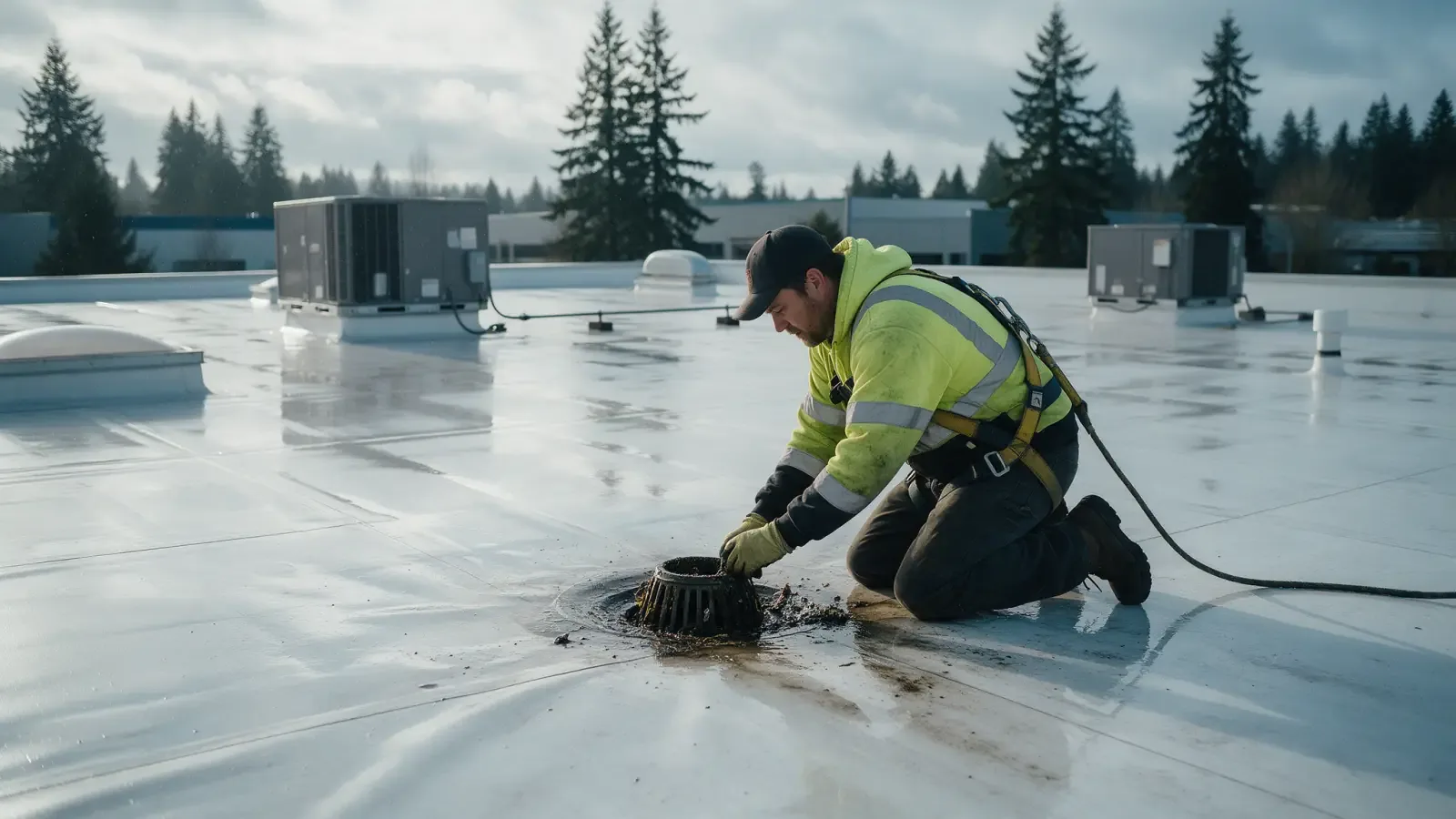


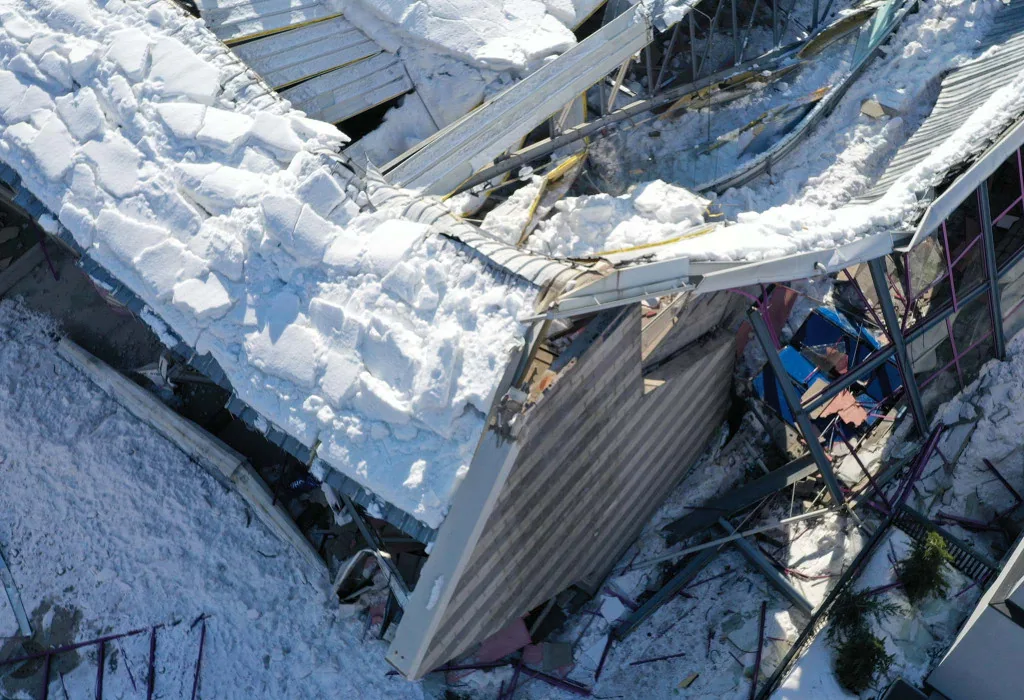
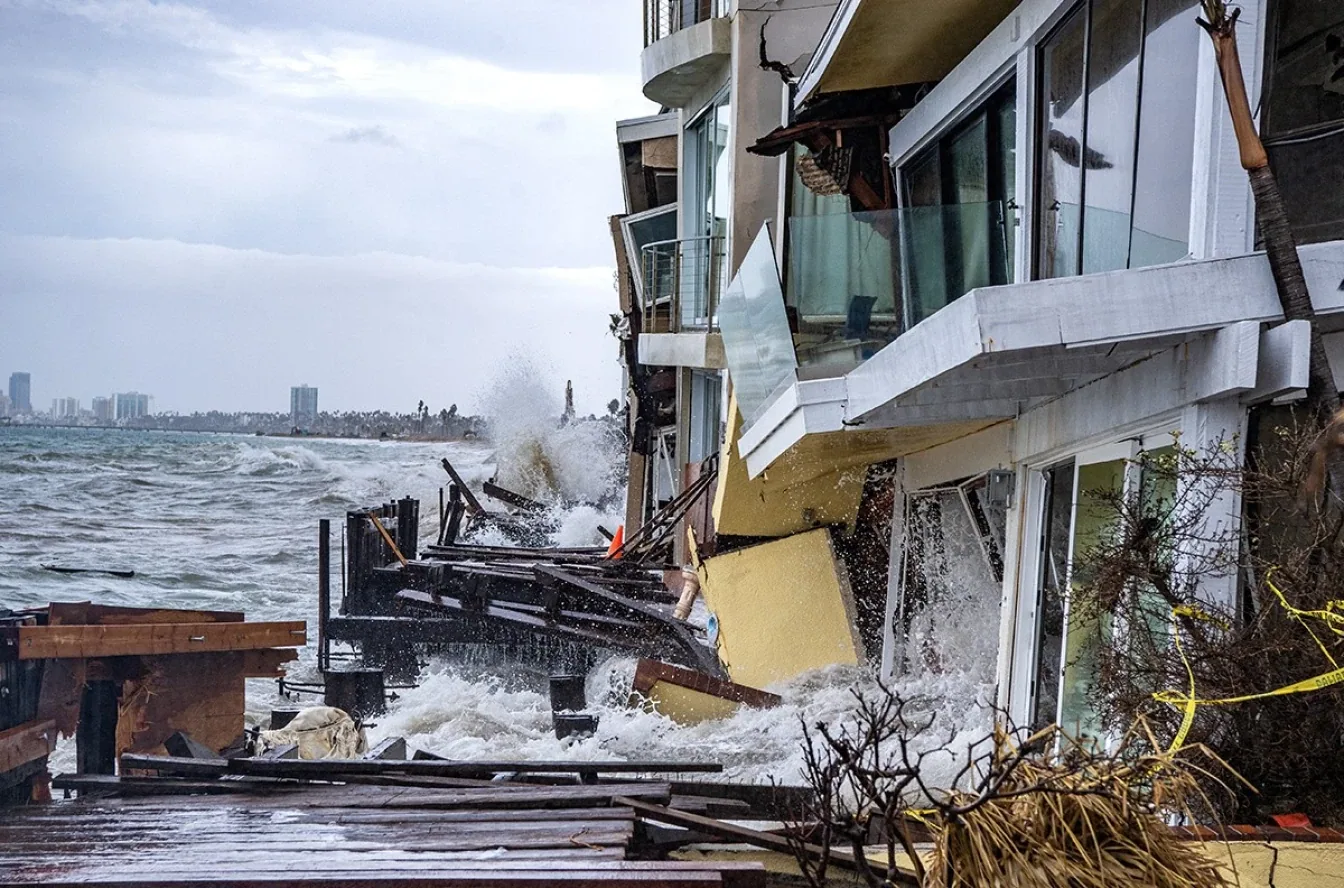

Talk to a Davenport Commercial Roofer
Send the work order, the building address or a few photos of what you are seeing. We will set a walkthrough, go up with whoever has the hatch key, and tell you plainly what the roof needs.