
Roofing for Insurance Adjusters and Restoration Work in Davenport, IA
Roof documentation and storm repair for adjusters, owners and restoration contractors in Davenport, IA: test squares, moisture maps and written scopes.
The adjuster has a full calendar, one hour for your roof, and a ladder that does not reach the high section. The owner is standing in the lot holding a photo of a stained ceiling. Whoever has the better record of that roof by the end of the hour tends to set the course of the claim.
We support that hour for property owners, adjusters and restoration contractors in Davenport, IA. We go up, document what the storm did and what it did not, and write the findings in plain terms a carrier can follow. We do not decide coverage. We describe the roof accurately: where the damage is, how large it is, what caused it and what the repair involves.
The First Call After the Storm
Storm claims start with a phone call, usually from a property manager standing in a wet stairwell. The first goal is to stop more water from getting in. A temporary dry-in over the open area, tarps, sealed tears and cleared drains buy the building time and show the carrier the owner acted. Our emergency crews focus first on temporary protection and a photo record of the damage as found.
Before we touch anything, we photograph the damage as found: wide shots, close shots, and a tape or marker in the frame for scale. Keep every receipt for the temporary work. A carrier reading the file weeks later should be able to tell what the storm broke and what the crew did to protect it.
What the File Needs
A good roof file is built from specifics. We assemble these before the adjuster arrives:
- Dated photos of every slope, penetration and drain, taken before any cleanup.
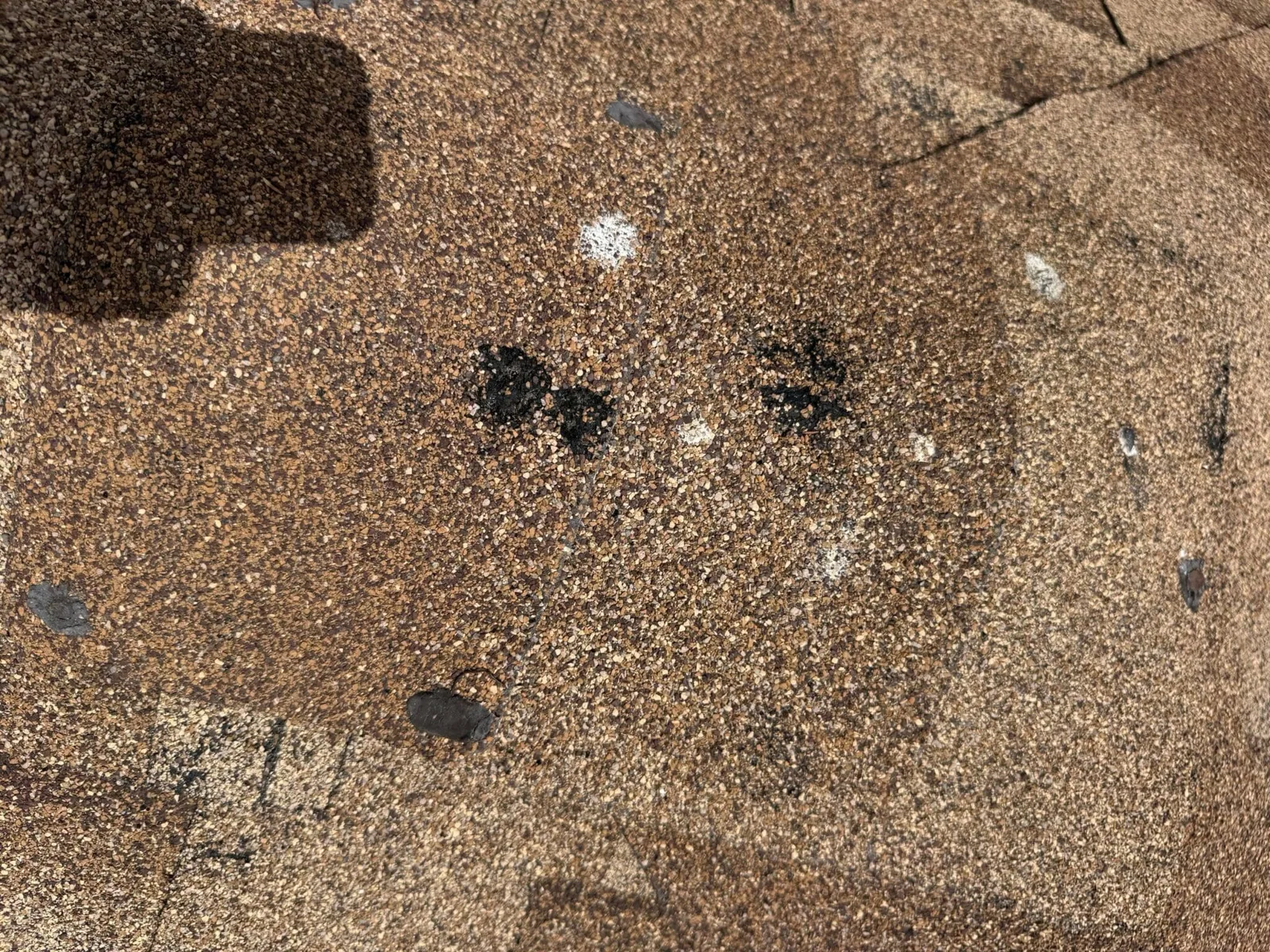
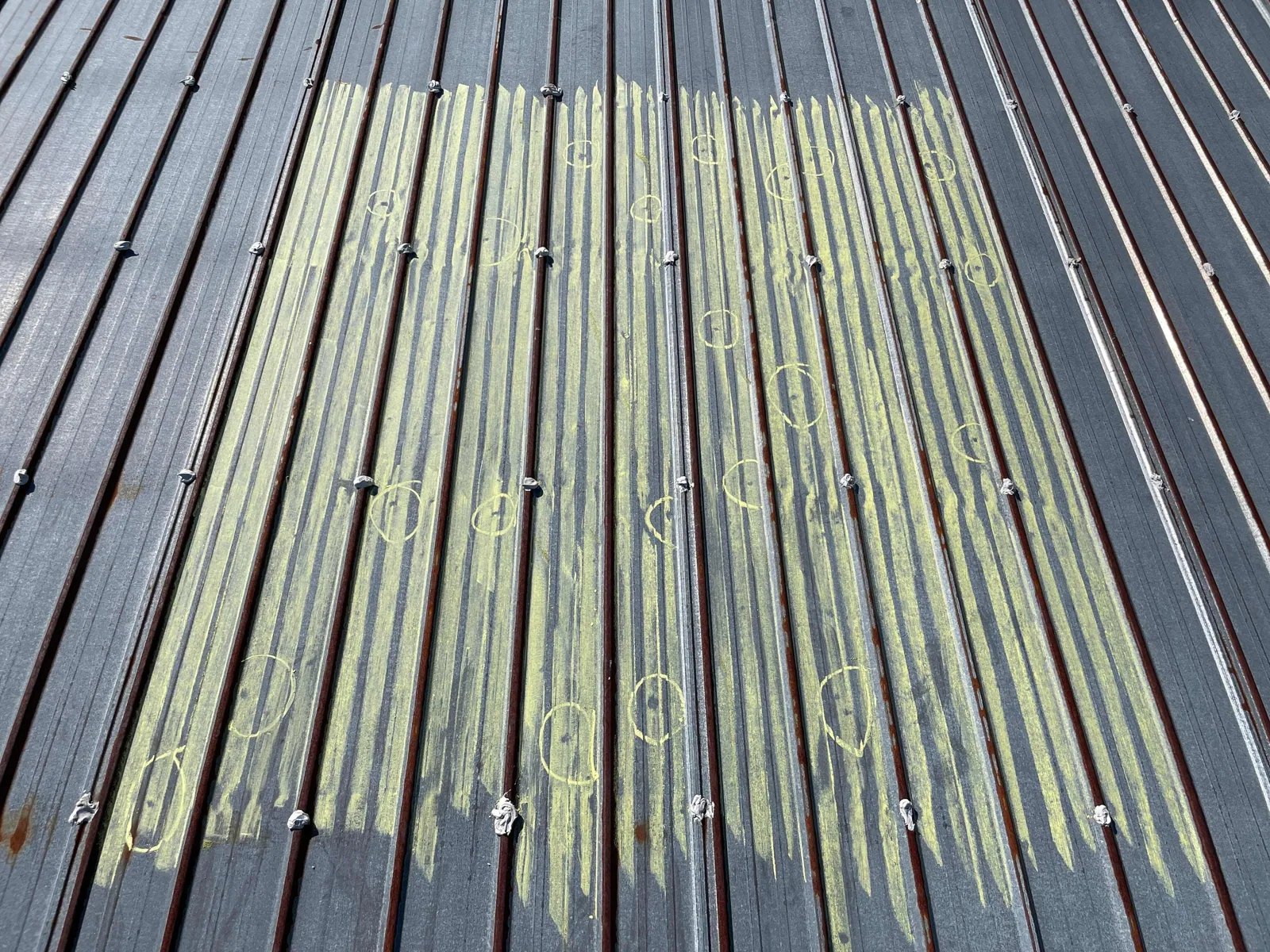
- Test squares on each slope, with the hit count and the size of the marks.
- A measured roof plan with the damaged areas outlined.
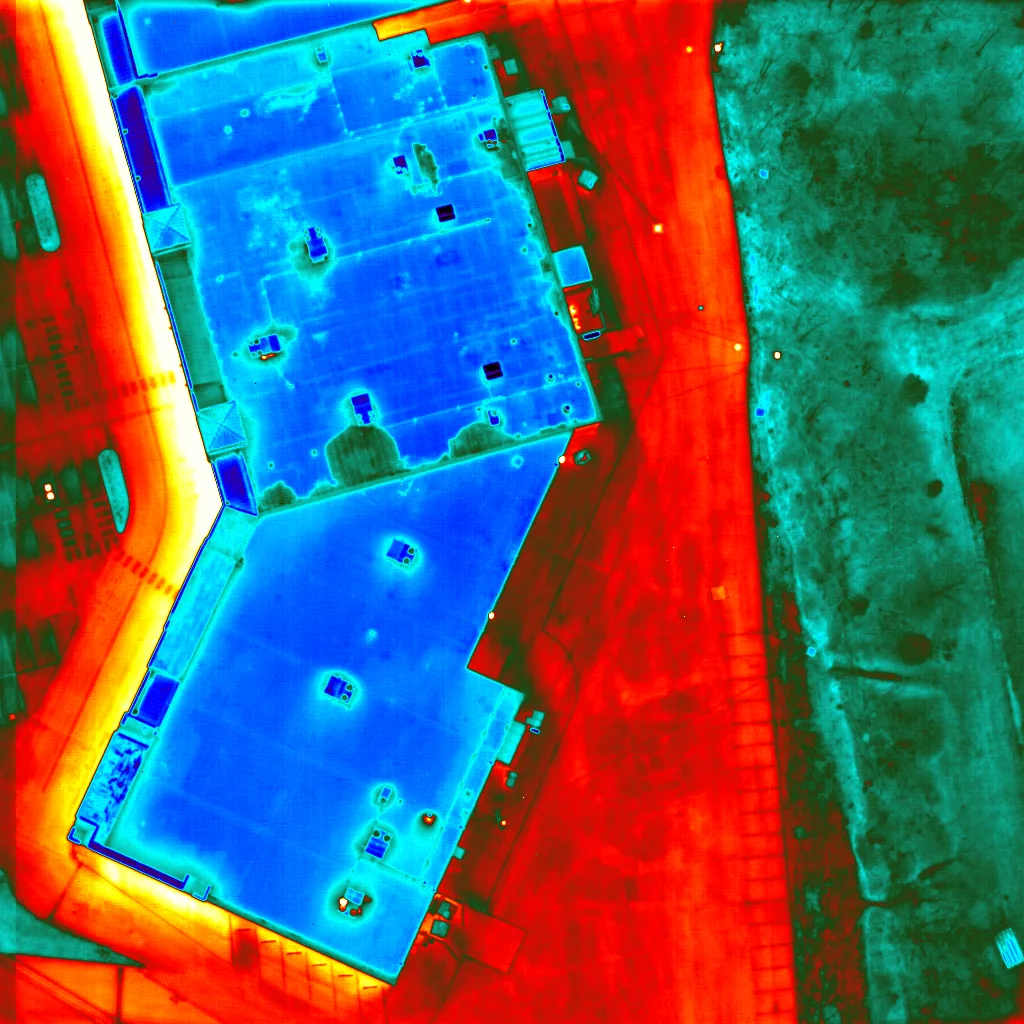
- An infrared moisture map that shows wet insulation under membrane that looks intact.
- A drone overview for a roof too big or too unsafe to cover on foot in a hurry.
Hail is the hard one. Since 2004, 133 hail reports have been logged within 10 miles of Davenport's city center, and baseball-size 2.5 inch hail was reported on April 4, 2023, so an older roof can carry marks from several storms. We record the size, spacing and direction of hail damage so the file shows which marks belong to which storm, and we say plainly when we cannot tell.
The Adjuster's Roof Walk
Ask the adjuster to schedule the roof walk with us. We meet whoever holds the roof hatch key, set the ladder, and walk the same route we used for our own report. We point out each finding and the photo that goes with it, and we mark the test squares so both sides count the same spots.
We keep two roles apart. The carrier decides coverage and the owner decides how to respond. Our role is to describe the roof: what is damaged, what is worn and what is wet. When we disagree with a finding, we say why, in writing, with a photo attached. That is easier on everyone than an argument on a hot roof.
Davenport Storms on Record
The August 10, 2020 derecho registered 86 mph at Davenport Municipal Airport, and it ranks as the costliest thunderstorm disaster in U.S. history at roughly $11.2 billion. Extensive roof damage followed in Davenport, Bettendorf and the rest of Scott County, where the damaging winds lasted 30 to 60 minutes. A roof that sat in wind that long can lose fasteners and edge metal well before a leak appears.
A second derecho arrived on July 15, 2024, with winds up to 100 mph. On July 11, 2025 a seven-mile EF-2 track, estimated at 120 mph, began southeast of Blue Grass, went through Emeis Park and finished near Kimberly Road and Fairmount Street. In October 2016 an EF-1 tornado that began at Credit Island and crossed I-80 near Middle Road damaged the roof of the Scott County Jail.
An owner who files after several storms needs a roof record that separates one event from another. Dates on the photos do that job.
Working With Restoration Contractors
Water mitigation crews dry the inside while the roof is still open. Their work is wasted if the next rain comes through the same hole. We talk with the restoration contractor first: where the opening is, which interior areas sit under it, and when the dry-in will be finished. They tell us where they found moisture, and we check the roof above it.
A short daily note keeps everyone on one story: what was done, what is open and who is on site. That habit helps property management companies coordinating several vendors, and public agencies that need a claims contact copied on every update.
Hidden Damage and Supplements
The first estimate covers what is visible. The rest shows up when the tear-off starts: wet insulation under a membrane that looked fine, deck that has rusted or rotted, or flashing that cannot be reused. Document each item as it is found, with a photo before the area is covered, a moisture reading and a measurement. A supplement backed by that record is a short conversation.
Code can change the scope too. The 2021 IBC and IEBC apply in Davenport with local amendments, and the State of Iowa Energy Conservation Code, which bears on insulation, sits on the city's list as well. Replacing a membrane may bring requirements the old roof never met, so ask the carrier how those items are handled before the work is priced. On a claim, those requirements belong in the claim documentation early and as separate lines in the storm damage scope.
Send the Date of Loss and the First Photos
Send the loss date, the building address, whatever photos exist and the adjuster's name if one is assigned. We will set the roof walk, bring the documentation, and send back a written scope the whole claim team can read.
Questions About Insurance Adjusters and Restoration Work
The adjuster only looked from a ladder at the edge. Can we ask for a second review?
Yes. Request it in writing and attach our report, the test square photos and the moisture map, so the carrier is looking at the whole roof and not one corner. Offer to meet on the roof with the hatch open. A second review works best when it brings facts the first visit had no time to collect.
How do we tell hail from this spring from hail on an older roof?
Size, spacing and direction tell most of the story. Fresh marks on metal show bright, unweathered edges, and marks from one storm all lean the same way. On membrane we check the test squares for bruising and compare them to the hail dates on record. When the evidence is mixed, our report says so rather than guessing.
Do we have to wait for the adjuster before we cover the roof?
Protect the building first and photograph it before you do. Policies generally ask for reasonable steps to prevent further loss, so check yours, and keep receipts and any material removed in case the adjuster wants to see it. Permanent repairs can wait for the carrier's visit.
Our buildings across three cities took damage from the same storm. How do you set the order?
We rank by open water first, then by who is inside, then by how fast the damage will spread. A roof with a torn seam over an occupied floor goes before a roof with dented coping. You get one tracker with every address, its status, and the documents each carrier will ask for.
Our restoration crew already tarped the roof. What do you add?
A look under the tarp. Tarps hide wet insulation and damaged deck, and they can sit in the wind and chafe the membrane. We lift one corner at a time, photograph what is underneath, check the moisture, and decide whether the temporary cover stays or a better dry-in replaces it.


Talk to a Davenport Commercial Roofer
Send the work order, the building address or a few photos of what you are seeing. We will set a walkthrough, go up with whoever has the hatch key, and tell you plainly what the roof needs.