
Drone Roof Inspections in Davenport, IA
Drone imaging for large, steep or hard-to-reach commercial roofs in Davenport, IA, with photo records that sit alongside a hands-on walk of the roof.
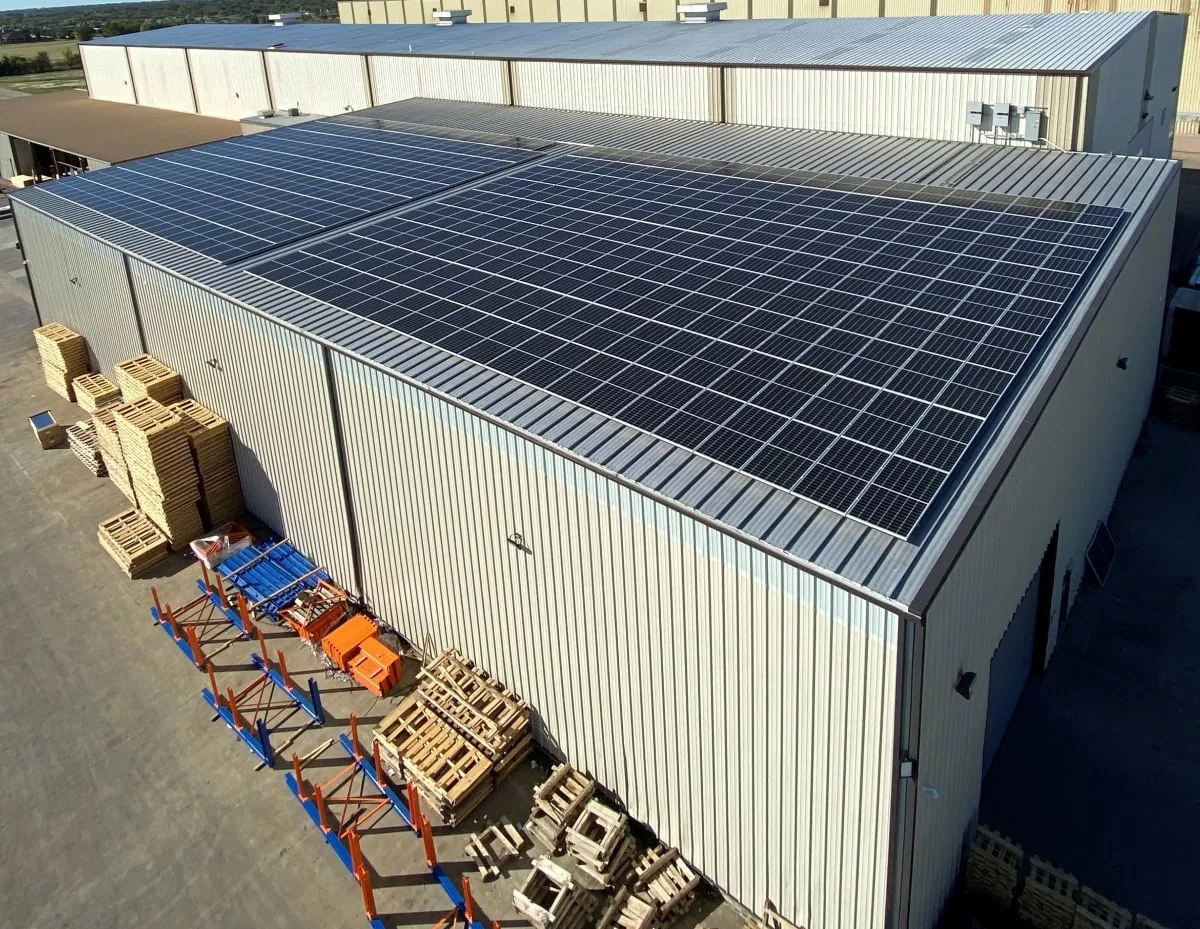
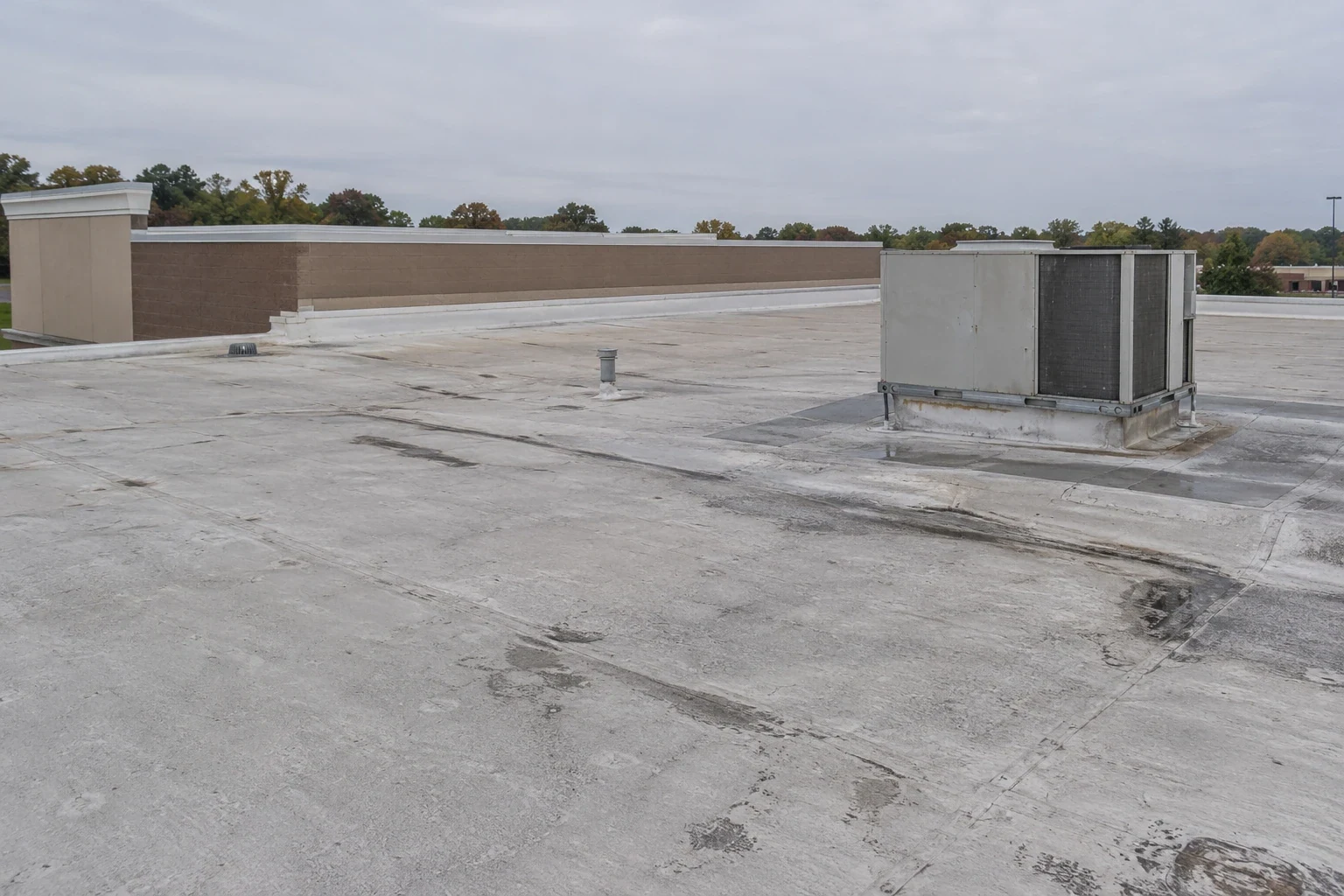
Some roofs cannot be walked in an afternoon. A distribution building with roof stretching acre after acre. A steep metal roof over a production hall. A brittle old membrane no one wants to put a boot on.
For those, we send a drone up first. In Davenport, IA the aircraft covers the whole roof in a fraction of the time, and the images go into your file. It does not replace a person on the roof. It tells the person where to go.
Where a Drone Earns Its Keep
A drone is the right first step in a few situations:
- Large low-slope roofs where walking every square foot would take most of a day.
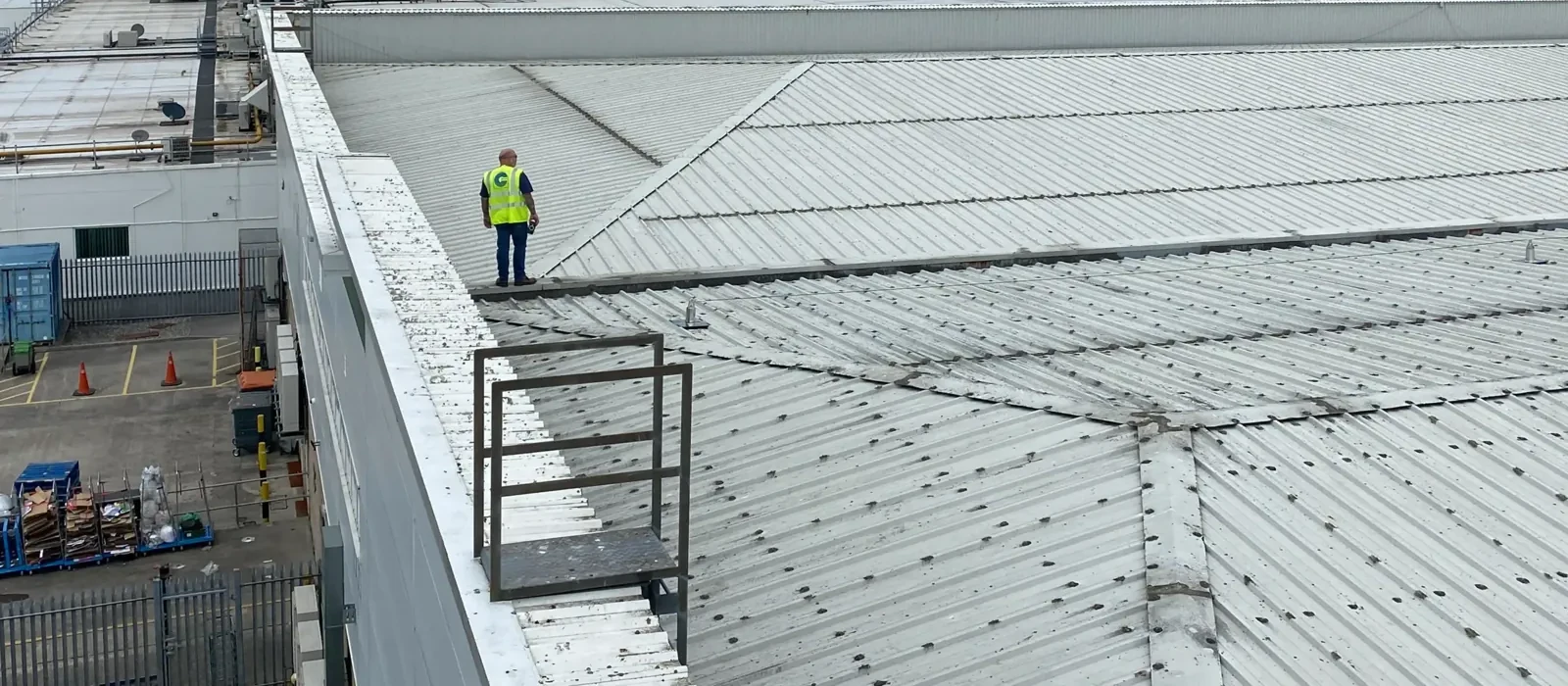
- Steep or slick surfaces, such as metal panels in cold or wet weather.
- Roofs with weak spots, where foot traffic could do more harm.
- Tall buildings or roofs with no safe ladder or hatch access.
- Post-storm checks across many buildings, where speed matters.
On a roof that is small, simple and easy to reach, a drone adds little. We tell you that rather than selling the flight. A person with a camera does a fine job on most small roofs. Our standard commercial roof inspection remains the base.
Weather decides the schedule. We fly in calm, dry conditions with good light, and we hold off when wind picks up. A gusty afternoon is a day the drone stays in its case.
What the Flight Records
Photos come in two sets. First, an overview of the whole roof, which shows ponding patterns, discoloration, debris, patched areas and the layout of drains and equipment. Second, close images of each area of interest, taken low and slow enough to read seams, fasteners, flashing and surface wear.
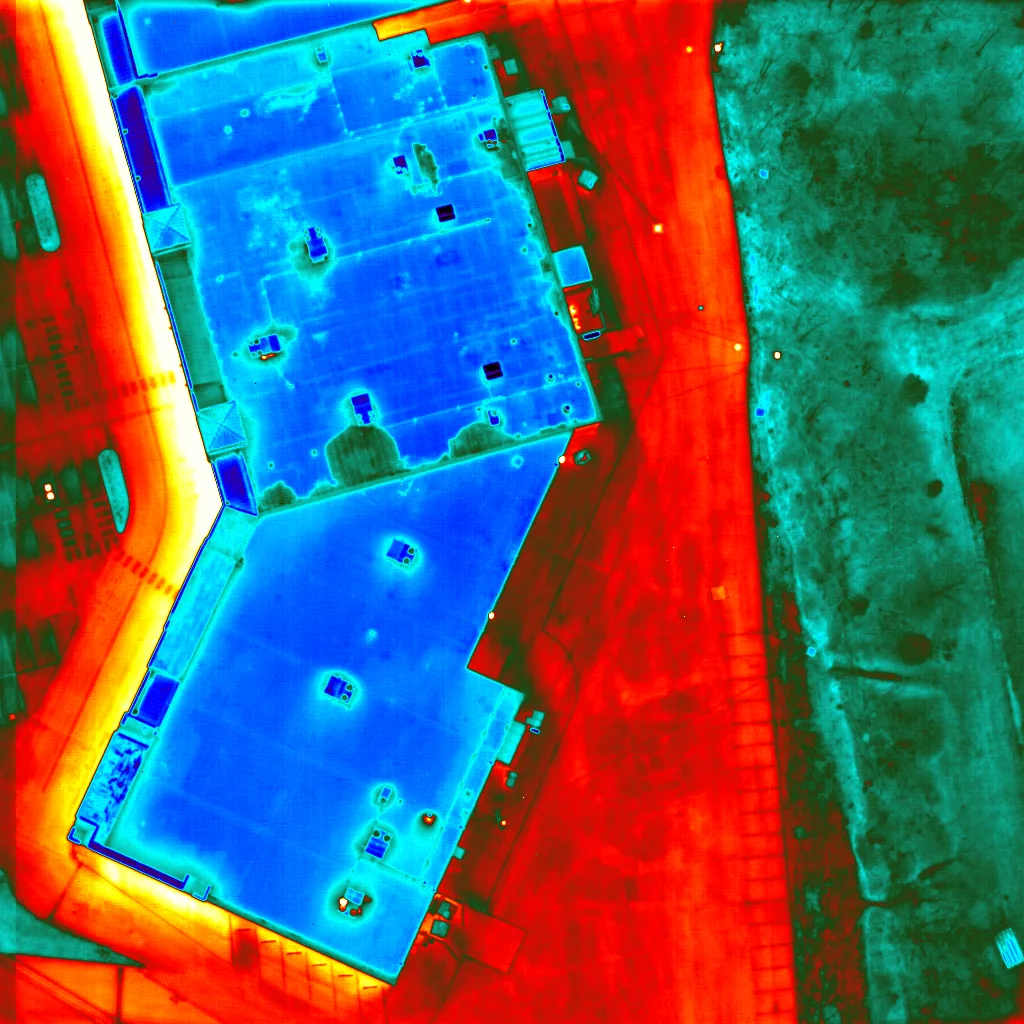
The camera can capture a thermal image too, which helps spot temperature differences that suggest wet insulation. We treat that as a clue, not a verdict. Confirming moisture takes a ground-truth step, which is why drone flights often pair with an infrared moisture survey and core cuts.
Flight Planning and Site Rules
Before any flight, we deal with the paperwork. We check airspace limits, since Davenport Municipal Airport sits about 7 miles north of downtown, and Quad City International Airport lies three miles south of Moline. We confirm the weather, the building's rules about overhead flight, and who needs to know we are on site.
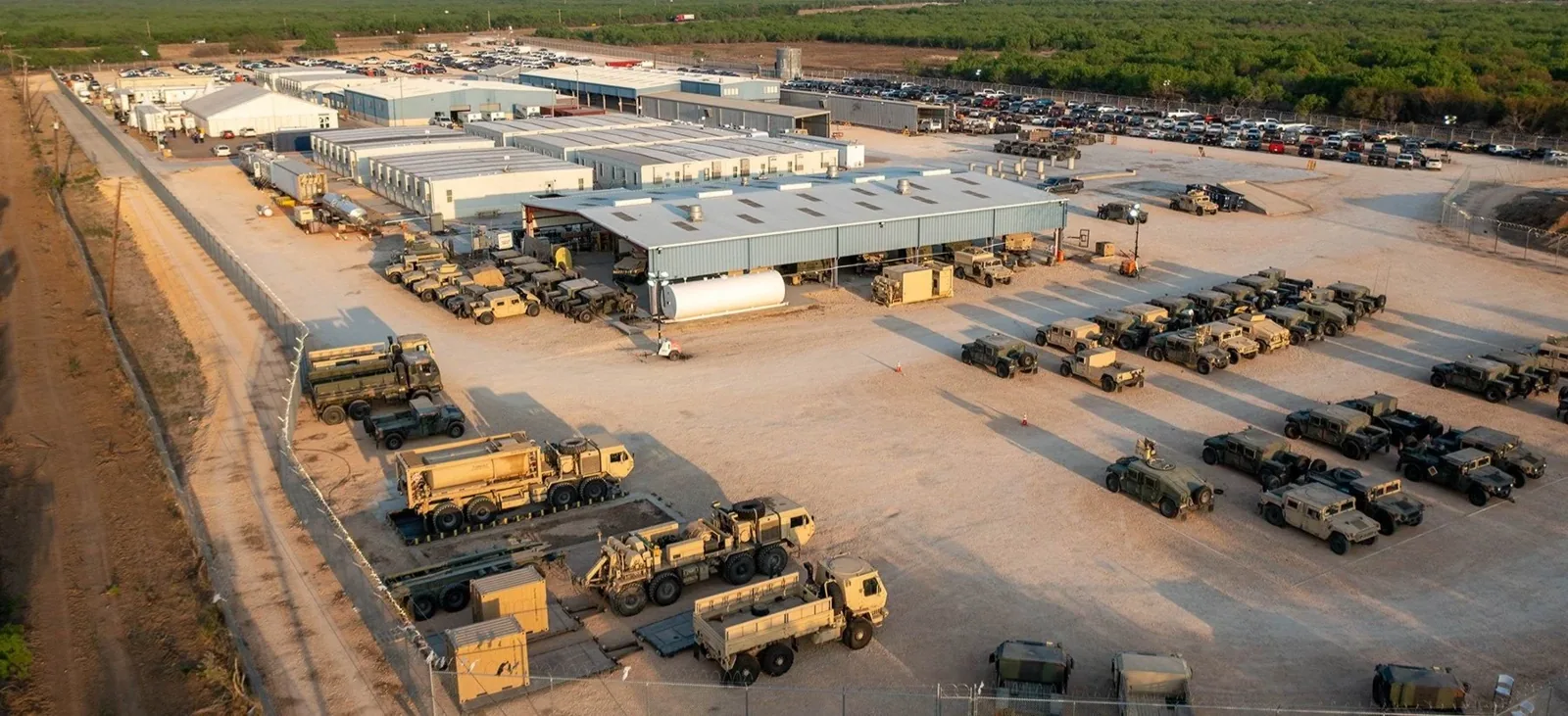
On a plant, the safety manager may want a briefing and a no-fly zone over certain areas. On a secure site, such as property near Rock Island Arsenal, drone flights can be restricted or prohibited, and we follow whatever the site allows. If a flight is not permitted, we move to ground and lift-based methods. Military installation roofing runs through the same access and escort process, and the drone is cleared in it or left out.
Big Roofs in the Industrial Center
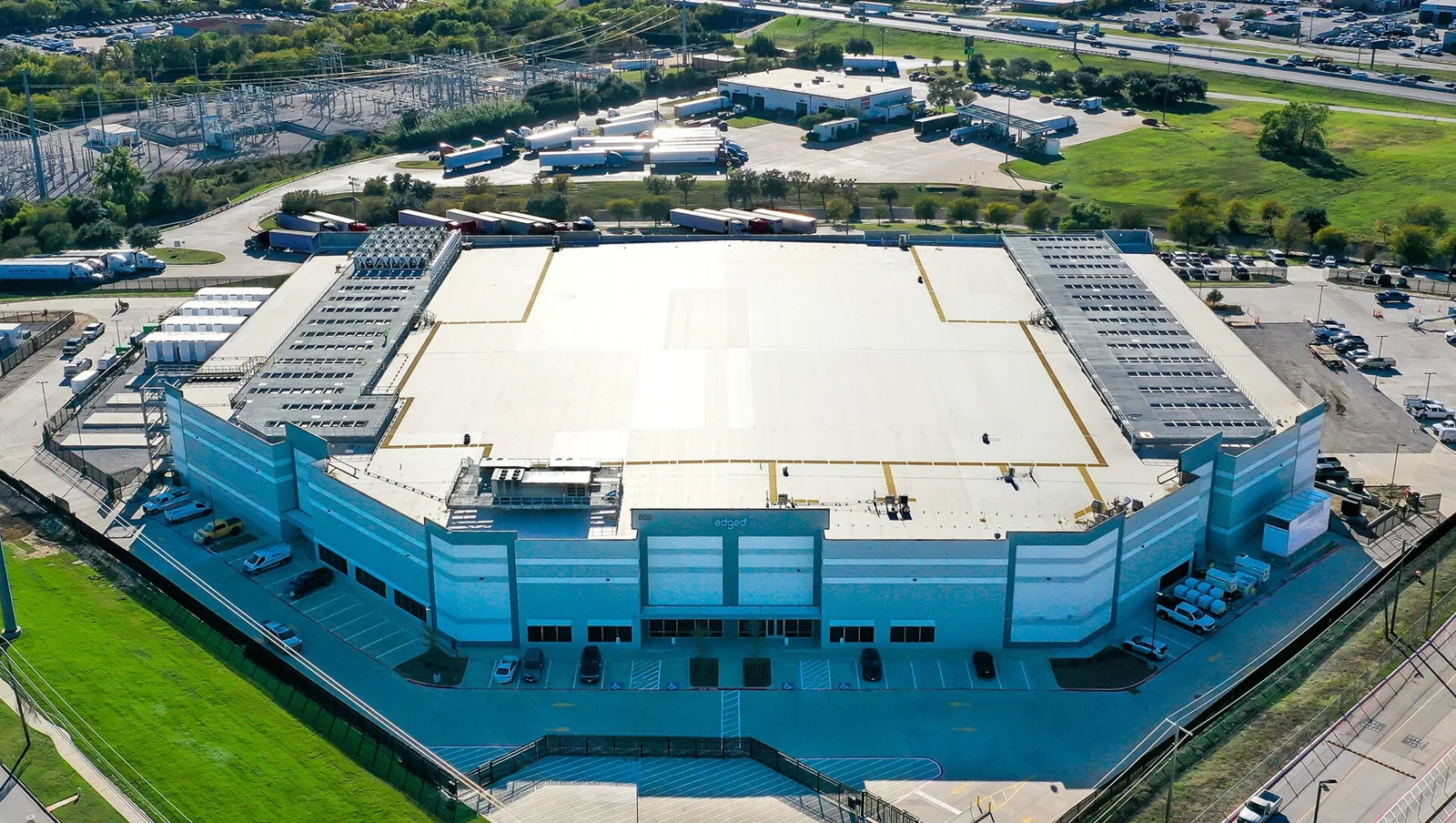
Scale is the point. The Eastern Iowa Industrial Center on I-80 holds buildings like Amazon's 640,000 square foot fulfillment center, Kraft Heinz's 382,157 square foot plant, with Sterilite's 2.5 million square foot manufacturing and distribution center beside the park. Buildings at that scale leave a great deal of roof to cover on foot, and a walk takes many hours.
A drone gives a facilities team a first full view in much less time. It shows where to focus the hands-on walk, where repairs have piled up and where drainage is working or not. For owners of distribution center roofing and big box retail roofing, that first view helps set the repair and replacement budget. The same sequence applies to any roof in the Eastern Iowa Industrial Center: flight first, boots second.
What a Drone Cannot Tell You
A drone cannot feel a soft spot underfoot. It cannot tell you how wet the insulation is. It cannot probe a seam to see whether it is truly bonded. It cannot see under a wall of ice or snow.
That is why we use it as one tool among several. Findings that matter get a follow-up from someone on the roof, with a moisture meter, a probe and a core cutter. After hail, for example, a drone shows hits and scuffs across the field, but confirming whether a membrane is actually bruised takes hands-on work, and a hail-damaged roof gets that second step before any repair scope is written.
What You Receive
The deliverable is a set of dated, labeled images tied to the roof plan, plus our notes on what they show and what to do next. We organize them by area, so your team can scroll to the loading dock or the north wall and see what was found there.
Keep the set. A year from now, another flight over the same roof shows exactly what changed. That record feeds directly into roof condition reports and long-range planning.
If your team plans to hand the images to an engineer, an insurer or a buyer, tell us up front and we will format the set for that reader, with the overview first and the close-ups behind it.
A drone image is strongest as a map, not a verdict. It can show debris paths, ponding outlines, displaced edge pieces and which roof sections need closer access. It cannot confirm a hidden wet layer or prove a seam weld is sound. We pair the flight record with ground observations and identify any area that needs hands-on testing. That distinction matters after the July 2024 derecho, when wind marks may cover more than one roof plane and the repair file needs defensible locations.
Send the Address, Set the Flight
Send us the building address, the roof size if you know it, and any site rules for overhead flight. We will set a flight window with you and follow it with a walk of the spots that need hands-on attention.
Questions About Drone Roof Inspections
Does a drone inspection replace walking the roof?
No. It makes the walk smarter. The drone gives a complete view and points to the areas worth a closer look. A person still needs to confirm seams, test for moisture and check the details a camera cannot judge. On very fragile or steep roofs, the walk is limited to the places that are safe, and the drone covers the rest.
Can you fly over an operating plant or occupied building?
In most cases, yes, with limits. We stay clear of people, we avoid flying over active work areas and we follow your site rules. We talk with the plant manager or building engineer first, and we pick a time that works for your schedule. If any area is restricted, we leave it off the flight plan and cover it another way.
Do I need to be present for the flight?
You do not have to stay on the roof, but we ask for a contact who can meet us, open access and answer questions. For larger sites, we like to review the images with the facilities lead afterward, so the findings make sense before the report goes to anyone else.
What does the drone find that a ground inspection might miss?
Patterns. From above, ponding shows as a shape, not a puddle. Old repairs line up. Drain locations become obvious. Staining, fastener lines and track marks from foot traffic stand out. Those patterns help diagnose why a roof is failing. A ground inspection catches detail, and the drone catches the big picture.
Is drone imagery enough for an insurance claim?
It supports one, but it is rarely the whole story. Dated images show the extent of storm damage across large roofs. Adjusters usually also want hands-on findings and written notes. We combine the two, so the record holds up when someone reviews it later.
Talk to a Davenport Commercial Roofer
Send the work order, the building address or a few photos of what you are seeing. We will set a walkthrough, go up with whoever has the hatch key, and tell you plainly what the roof needs.