
Due Diligence Roof Surveys in Davenport, IA
Roof surveys for buyers and lenders in Davenport, IA: fast walks inside a short inspection window, plain condition ratings and a reserve view for the model.
The offer is signed and the clock is running. The inspection period is short, the seller's broker has forwarded one roof invoice from some years back, and the buyer's analyst needs a number for the roof reserve by the end of the week.
A due diligence roof survey answers that request. For acquisitions and refinancing in Davenport, IA, we get on the roof inside your window, record what is there, and give the deal team a condition rating, a list of immediate repairs and a reserve view they can drop into the model. The seller's paperwork gets checked against the roof, not taken on faith.
Working Inside the Window
Speed is half the job. When the inspection period opens, we want the access arrangements settled the same day: who has the roof hatch key, whether a ladder is fixed or portable, and whether tenants need notice before we walk above their space.
We ask for what the seller has: roof plans, warranty papers, repair invoices, the last inspection report if one exists. We go up with that paper in hand and compare it to the surface. Findings come in two passes. A quick call goes to the deal team as soon as the walk is done, covering anything that could change price or terms. The written survey follows with photos and ratings. It separates what we could inspect directly from areas that need testing or another visit, then ties each finding to a repair, monitoring step or reserve decision. For a portfolio, a shared rating scale makes unlike roofs easier to compare without hiding differences that affect their schedules.
Tenants and production lines keep running during the walk, so we coordinate with the property manager and stay out of the way of anyone's day.
What the Survey Covers
The scope follows the roof, building by building:
- Membrane, seams, laps and surface wear across the field.
- Flashings at walls, curbs, penetrations and edges, plus edge metal and copings.
- Drains, scuppers and overflow openings, with attention to ponding.
- Rooftop equipment, curbs and the way each is sealed.
- Evidence of past repairs, recovers and extra layers.
- Moisture in the insulation, where the deal justifies testing.
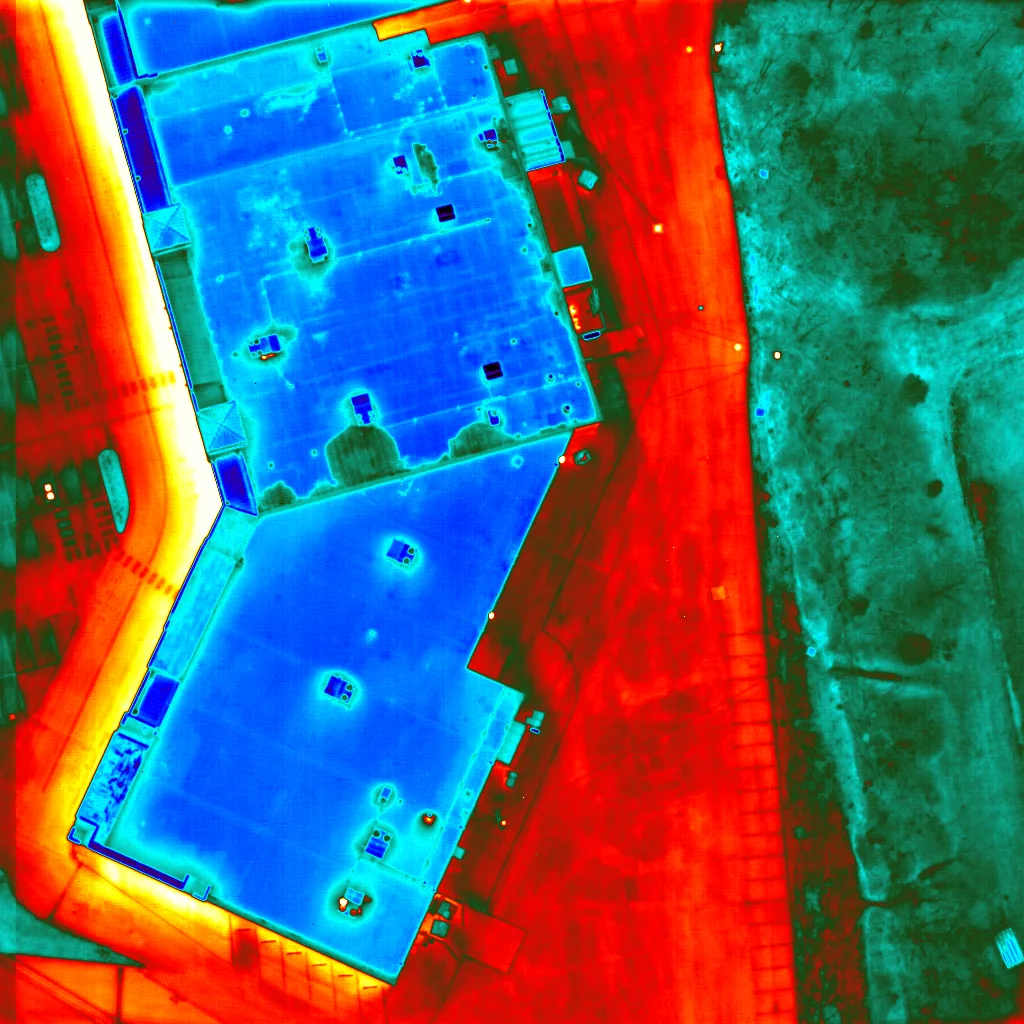
Moisture is the one that moves prices. A roof can look tight and sit on wet insulation. An infrared moisture survey maps the suspect areas, and a few cores confirm them. On large or awkward roofs, a drone inspection gets the overall picture quickly and spares everyone a long walk across open deck.
Numbers for the Model
An analyst cannot use a paragraph that says the roof is fair. We turn findings into three buckets the model can take in: immediate repairs needed to keep water out, items likely to need work within the hold period, and roofs that will need replacement or major restoration somewhere in the horizon.
Each roof gets a remaining-service range with the reasoning beside it. We do not put dollar figures on the page unless the scope is clear, and we describe the cost drivers instead: deck condition, insulation depth, drain count, access and how far the work must fit around tenants. Where the findings point toward a larger project, the same data feeds roof capital planning after closing, so the buyer does not start from scratch.
Investors who hold several properties often want the same format across the whole portfolio, which is how real estate investors and REITs compare one acquisition against another.
Vacant Boxes and Older Retail
Retail deals raise a specific question: what has been happening on the roof over the vacant space. Take NorthPark Mall on West Kimberly Road: one level, enclosed, 1,074,000 square feet, with two vacant big-box spaces. What is happening on the roof above those spaces is a question only a survey answers for a buyer.
Over a vacant box we check for drains no one has cleared, rooftop units left running or abandoned, and patches from a tenant who has since left. A vacant space often has no one in it to notice a leak, which is why we check the interior ceilings where access allows.
The same approach applies along the whole Kimberly Road corridor, where retail, apartments and offices sit side by side, and to older centers. The roof questions on a shopping center turn on tenant space, shared drains and who maintains what.
Industrial Footprints and Downtown Masonry
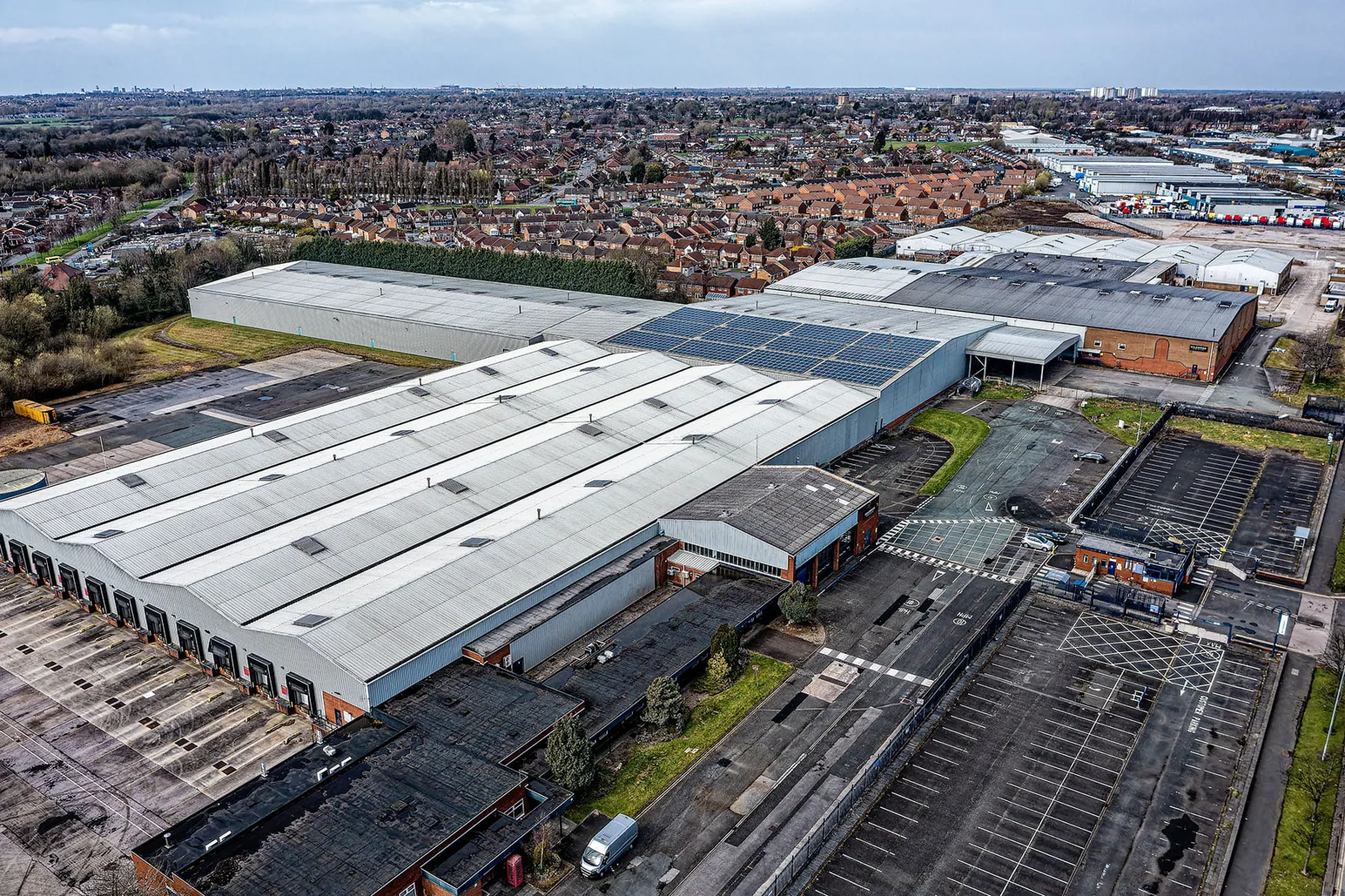
Industrial acquisitions need a different plan. The Amazon fulfillment center in the industrial park has a 640,000 square foot footprint, and Sterilite's plant beside the park adds about 2.5 million square feet of manufacturing and warehouse space. A building at that scale gets its walk planned in zones and can take more than a day. Buyers in the Eastern Iowa Industrial Center should see drainage, edge condition and unit curbs rated first, because those are the details that give out first.
Downtown buildings are another category. Union Station (1924), the Davenport Hotel (1907) and the Hotel Blackhawk (1914) sit among historic masonry buildings, and low-slope roofs dominate the district. For a deal in downtown Davenport, the survey spends time on parapets, copings, flashings at masonry and any past tuckpointing that could affect the roof edge.
Riverfront buildings also carry flood risk in the loan conversation. April 2019 put water about 6 feet deep across roughly 15 square blocks after a temporary barrier failed, and lenders may ask about it in the same review as the roof.
When a survey becomes a budget decision, the next step is a documented roof warranty management that keeps repair and replacement options on the same schedule.
Send the Inspection Dates
Send us the address, the inspection window and whatever roof paperwork the seller has shared. We will set a walkthrough inside your dates and keep the deal team posted.
Questions About Due Diligence Roof Surveys
Our purchase agreement gives a short inspection window. How fast can you get on the roof?
Tell us the dates when you call and we will work backward from them. Access is the usual delay, so send the property manager's contact and the name of whoever has the roof hatch key. We aim to give the deal team a verbal call right after the walk, with the written survey to follow.
The seller will not allow core cuts. What can the survey show without them?
Infrared scanning and a close walk still tell a lot: wet areas, soft spots, fastener patterns, previous patches and how the drains behave. We say plainly what we could not confirm and which findings are less certain without cores. You can then decide whether to push for access or adjust the reserve.
The lender wants a roof reserve. How do you set one?
From the condition ratings and the remaining-service ranges for each roof section. We list immediate repairs, near-term items and the expected replacement window. The lender sees the reasoning and the photos, which tends to go better than a single number with no support.
Does the survey cover the roof over a vacant big-box space or empty plant?
Vacant space is walked like any other, with extra attention to drains and units that may have gone unmaintained. We also look at ceilings below when we are allowed in, since a slow leak can run a long time without anyone noticing.
Can the same survey support a refinance a year after we buy?
Mostly, with an update walk. We compare the roof to the first report and note any change, new damage or completed repairs. Lenders usually want a recent date on the findings, and an update keeps the original photos useful instead of starting over.
Talk to a Davenport Commercial Roofer
Send the work order, the building address or a few photos of what you are seeing. We will set a walkthrough, go up with whoever has the hatch key, and tell you plainly what the roof needs.