
Split and Open Seam Repair in Davenport, IA
Open and split seam repair on commercial roofs in Davenport, IA: probing every lap, re-welding or re-bonding by membrane type, and when seams mean replacement.
The plant manager points with the toe of his boot. A seam near the dock wall has opened, and the gap is wide enough to take a pencil. Nothing is dripping yet. He walked up here because the insulation below sounded different when someone tapped the ceiling.
Seam failure is the quiet kind of roof damage. In Davenport, IA, it often shows up in late winter, after a freeze and thaw has pried at every lap. We probe each seam by hand, mark what we find, and give you a repair scope sorted by what is leaking now and what will leak next.
How Each Membrane Is Joined
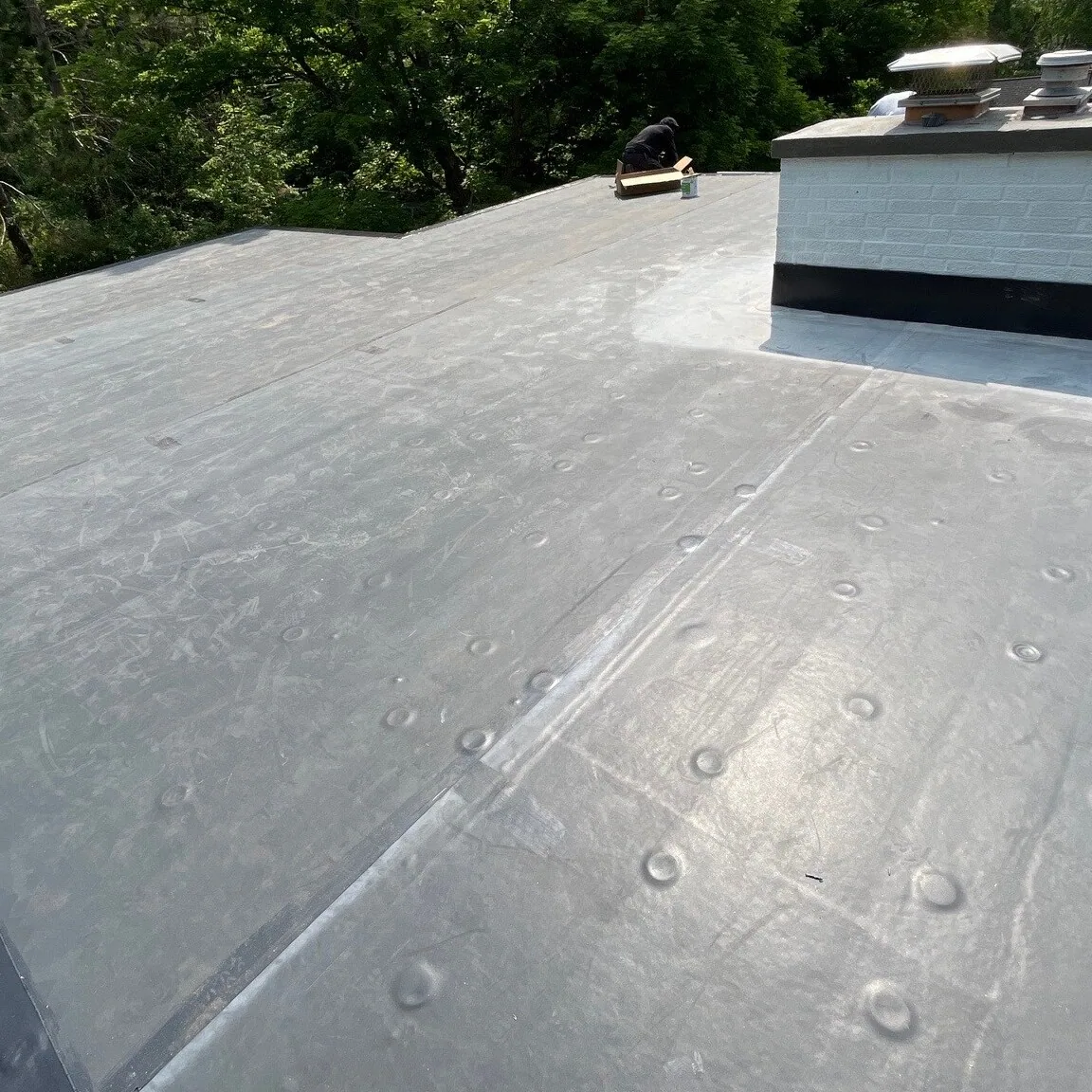
The repair depends on how the seam was made. Single-ply sheets such as TPO and PVC are heat-welded, so the two sheets fuse into one. EPDM is joined with seam tape or splice adhesive, a chemical bond between layers of rubber. Modified bitumen laps are heat-welded or bonded with cold adhesive. Built-up roofs have lapped plies mopped in asphalt.
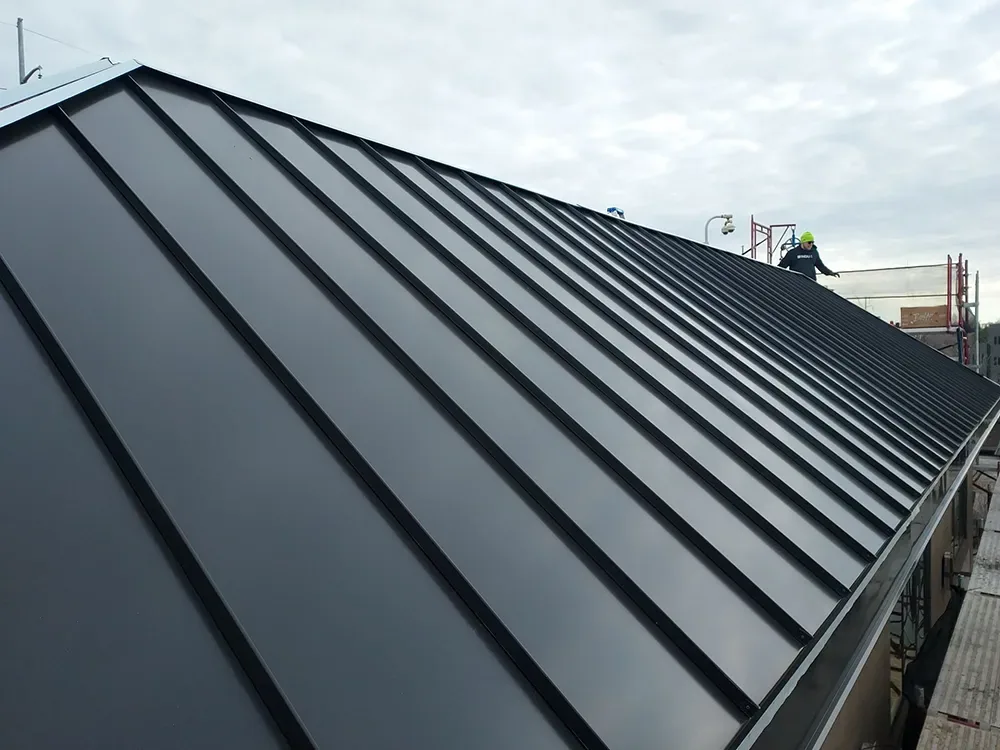
Metal roofs have their own seams. Standing seam panels lock together mechanically and rely on sealant inside the rib, while exposed-fastener panels depend on screws, washers and lap sealant.
Before we pick a repair, we confirm what the roof is. A fix that bonds on TPO will not stick to EPDM.
Why Seams Open
A seam is the weakest line in a roof, because it has to be made on site with a person, a machine and whatever the weather allowed that day. A weld made on a dusty or damp sheet can look fine and release a few seasons later. A tape seam laid in cold weather may never fully cure.
Movement is the long-term cause: Davenport has recorded air temperatures from 111 F down to -29 F, and a roof swings with them, so every seam is pulled both ways every year. Winter loading adds to it. Snow across the Quad Cities adds up to more than three feet in an average year, and the ice behind that snow pries at laps near drains and low spots.
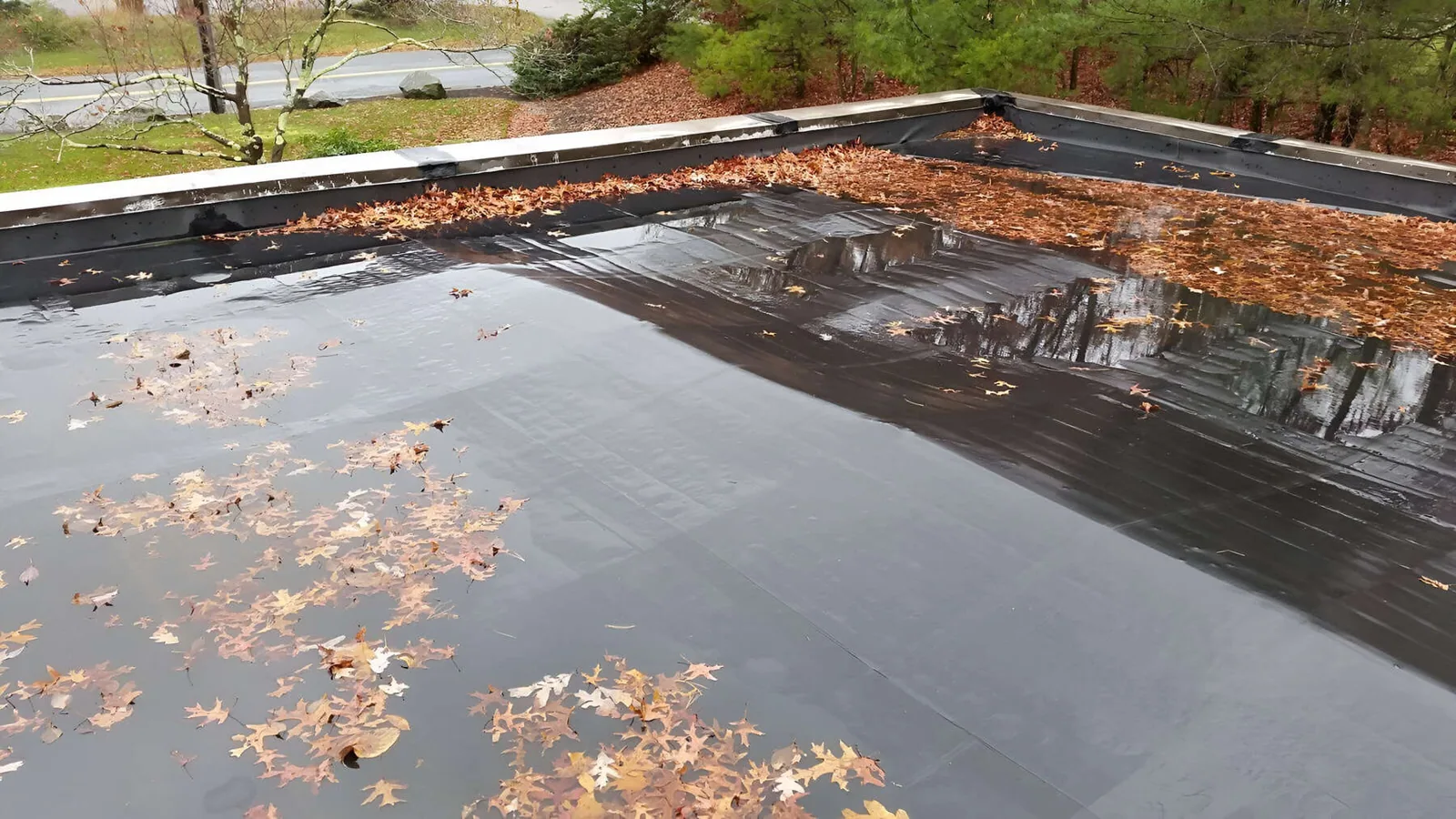
Foot traffic and standing water matter as well. A pond over a seam softens the bond. This is why we look at ponding areas before we recommend repairs at the laps.
The Probe Walk
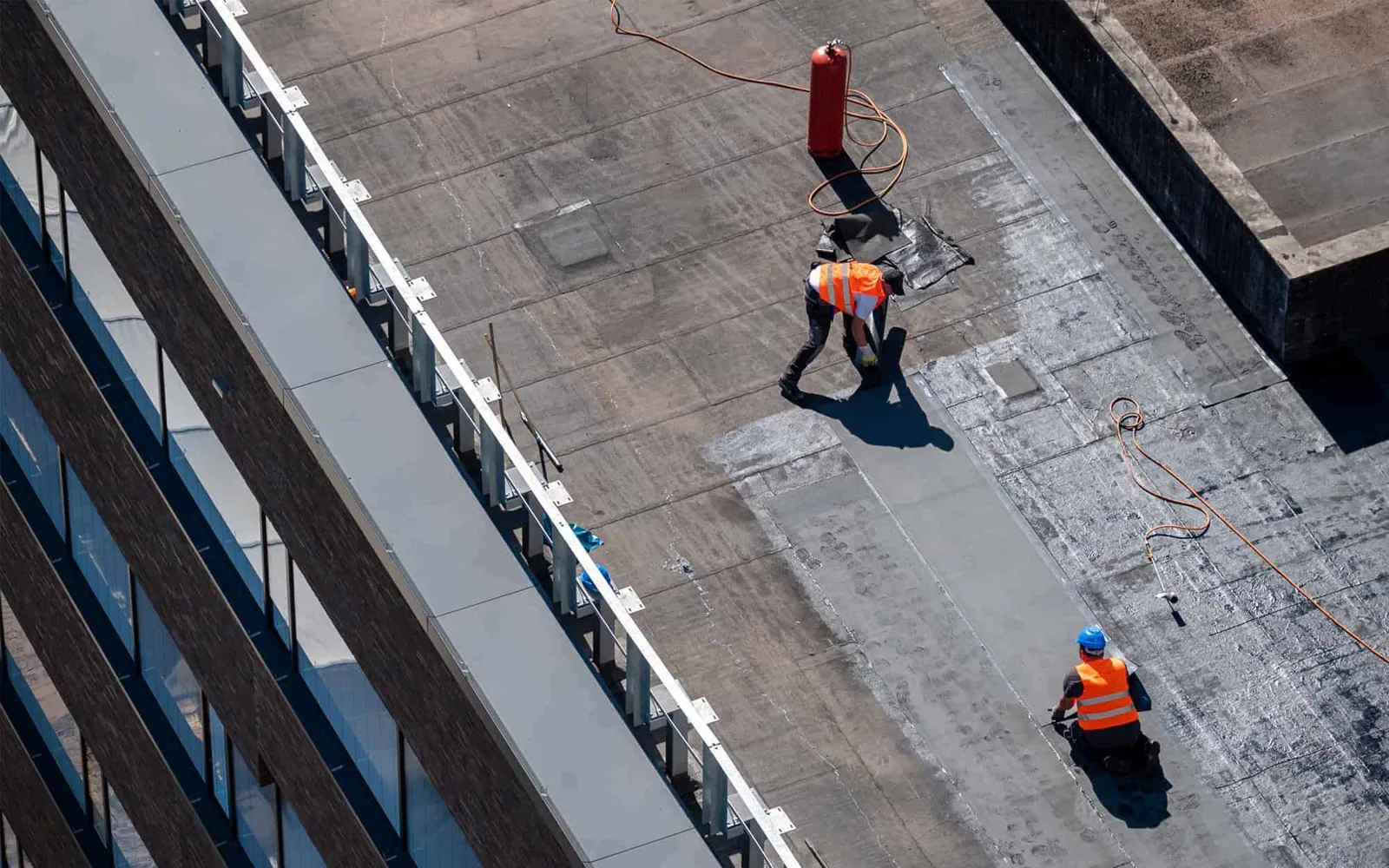
Seams do not always look open. A weld can be partly bonded, with a gap you can only feel. So we run a blunt probe along every lap and mark each failure with paint. Cut-outs at corners, T-joints where three layers meet, and the first few feet off a wall get extra attention, since those are the spots that fail first.
We map what we find on a roof diagram: open seam, partial seam, fish-mouth (a curled lip along the edge of a lap), or a seam that probed tight but shows stress. By the time we come down, you have a drawing showing exactly where the work is.
This is also when we check the flashing at the walls, since a seam that ends at a wall often fails where the two details meet.
Repair Methods
On heat-welded membranes, a small open seam can be re-welded after cleaning and drying. A longer failure, or one where the sheet edge has curled or shrunk, gets a cap strip: a new piece of membrane welded across the lap. EPDM seams get fresh seam tape over a primed, scrubbed surface. Modified bitumen gets new material heat-welded or cold-bonded into the lap.
For metal, the fix is new sealant tape, replaced fasteners with oversized washers, and panel reseating where the seam has lifted. We replace damaged panel clips rather than smear over them.
Each method has a temperature window for the adhesive or the weld. That window sets the calendar on any planned roof repair. We book seam work for dry, mild days, and when a leak will not wait for one, we seal it temporarily and return to finish the job properly.
Wide Low-Slope Roofs From I-80 to Kimberly Road
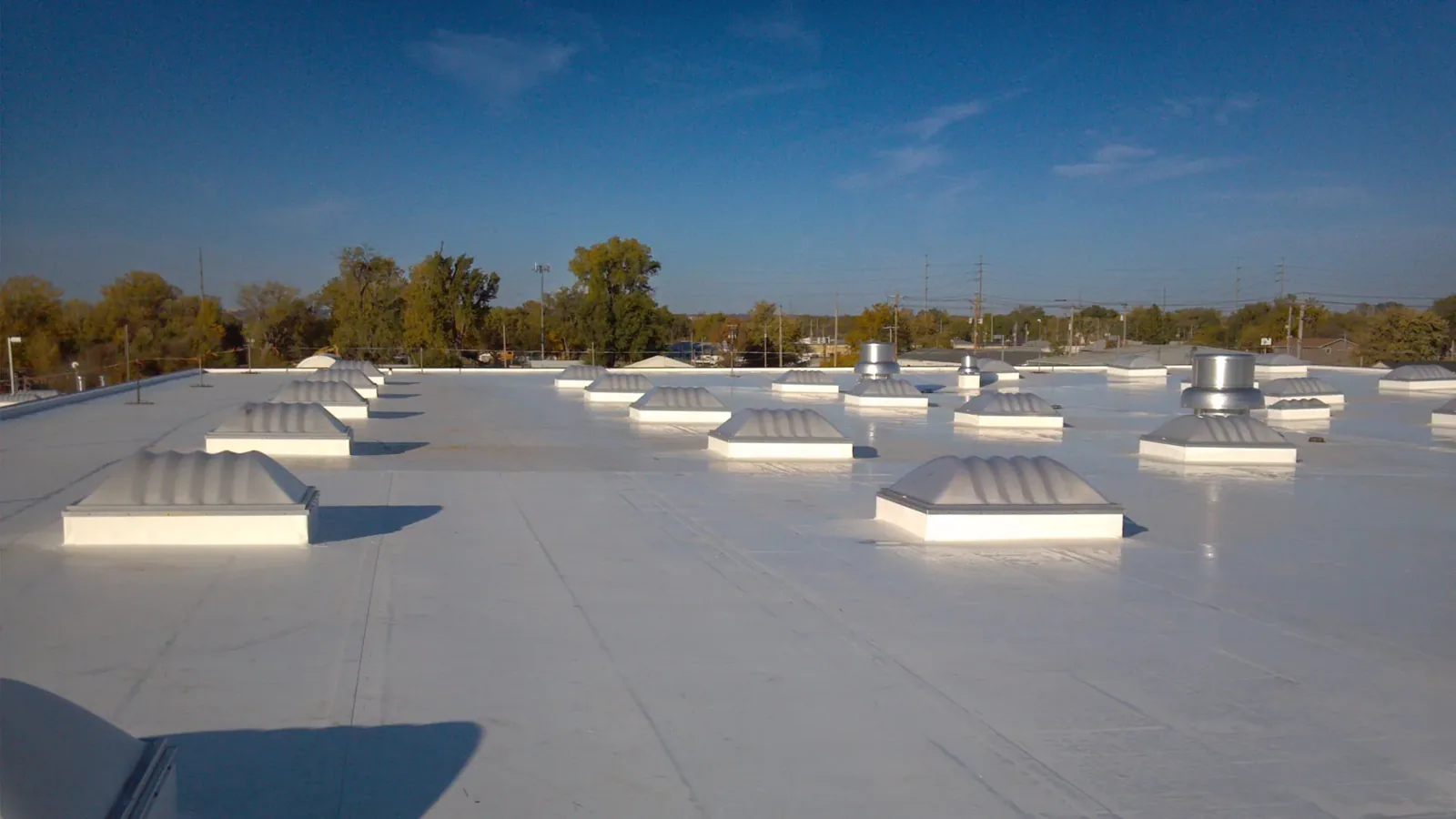
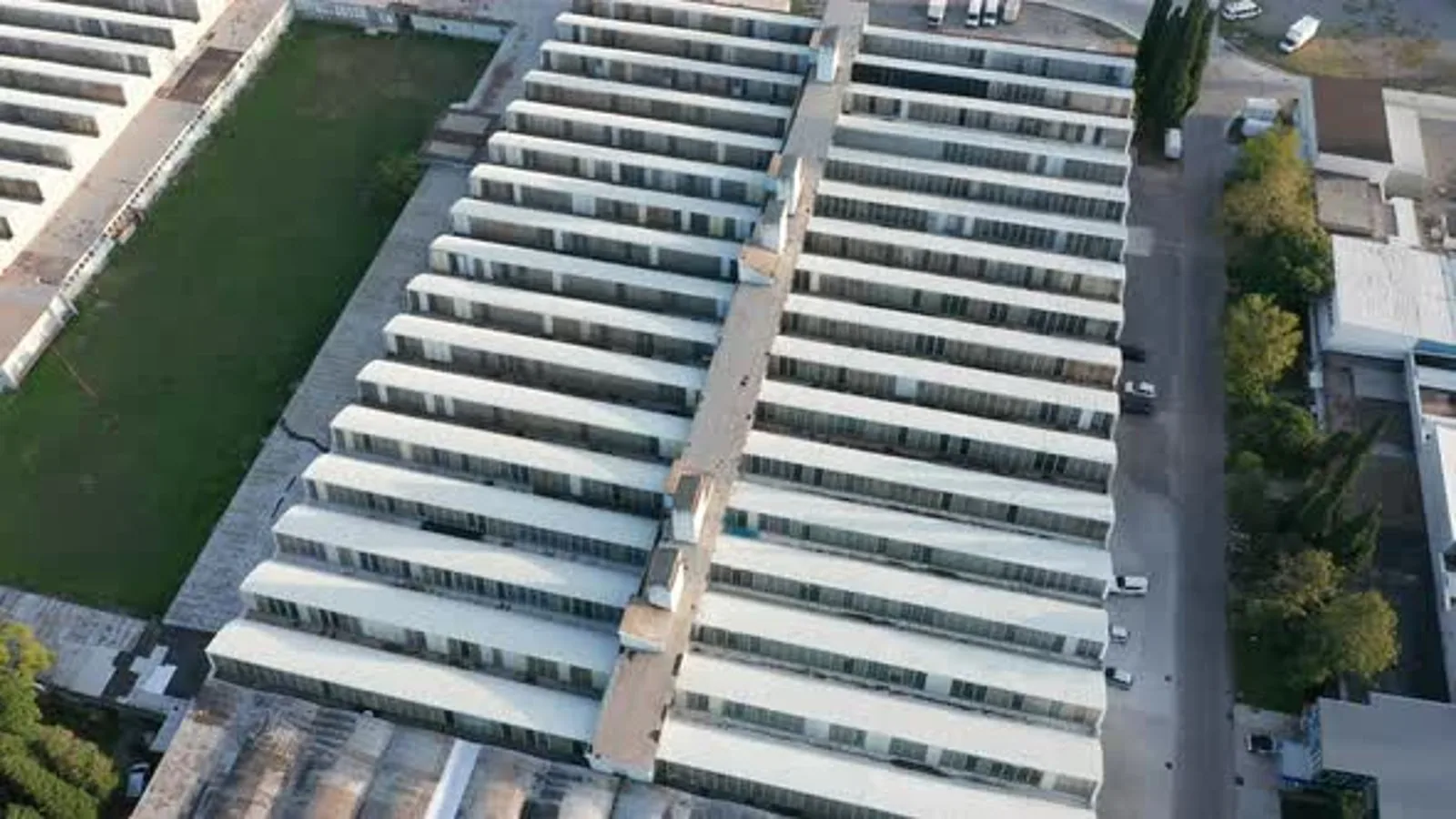
The Eastern Iowa Industrial Center on I-80 is mostly large, low-slope manufacturing and warehouse buildings. Roofs like that are made of many sheets, and each sheet boundary is a seam. On a manufacturing plant we map the seams in the roof areas over the production floor first, because a leak there stops work.
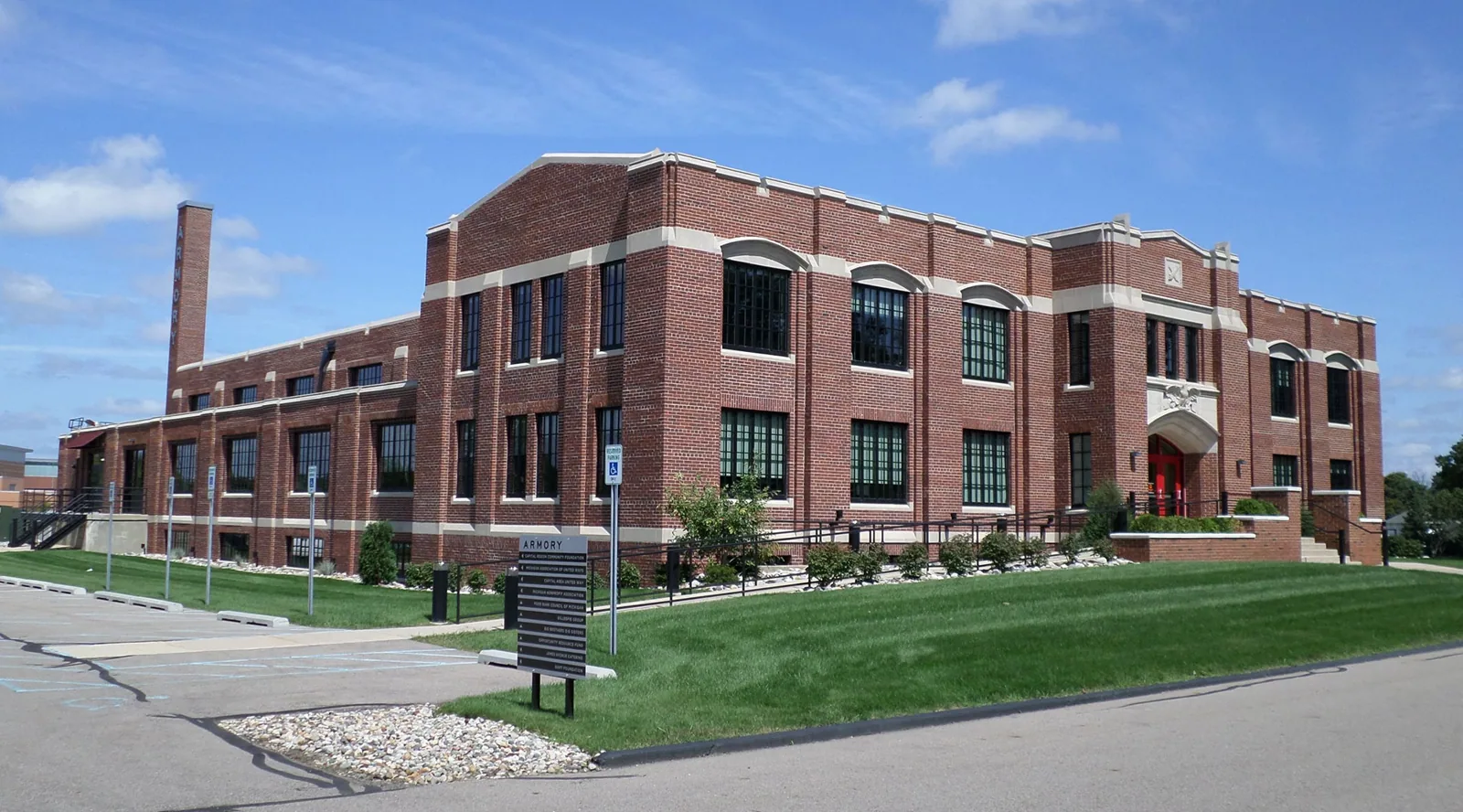
The Iowa Army National Guard's Davenport Readiness Center on West Kimberly Road is a one-story building with a drill hall and vehicle work bays. If the roof over an armory like that is a sheet membrane, the seams above the bays and the drill hall get the same probe walk.
In the Eastern Iowa Industrial Center, we aim to finish seam repairs before the first hard freeze, because cold limits what the adhesives and tapes can do.
Seam symptoms can point to different failures: a weak weld, movement at a lap, contamination, or stress where the sheet meets a curb. We probe the seam on both sides of the visible opening and check whether water has travelled beneath the membrane. A small isolated split can be prepared and welded; repeated openings may show that the system or attachment is moving. The repair record should show the tested limits and the next area to inspect after wind-driven rain.
Send the Work Order and a Photo of the Lap
Send us the work order, a photo of the open seam, and the best day for a walkthrough. We will probe the roof with you, mark every failure and give you a plain list of repairs, in order.
Questions About Split and Open Seam Repair
How do I tell a failed seam from one that only looks rough?
A probe settles it. A sound seam resists a light push with a blunt tool along the edge, and the sheets stay fused. A failed seam lets the probe slide under the lap. Discoloration, dirt tracks in a line, or a curled edge are warnings, but they are not proof. We probe the whole run and photograph both the good and bad sections for your file.
Can seams be repaired in the cold, or do we wait for spring?
Cold limits the method more than the calendar. Hot-air welding works on cold days, with the crew keeping the surface dry and warmed. Adhesives and tapes have minimum temperatures, so on those systems we may use a temporary seal through January and make the permanent repair when the weather allows. We never close a seam over frost or ice, because it will not hold.
We have seams opening on three roofs we manage, all installed by the same contractor. Is that a defect claim?
Maybe, and the paperwork matters more than the seams. Pull the installation date, the warranty and any inspection records. We document each open seam with photos and diagrams, and name the likely cause, whether workmanship, movement or age. You or your counsel can take that to the installer or manufacturer. We do not make the legal call, but we give you the evidence.
At what point do open seams mean the roof is finished?
When failures stop being isolated. A few opened laps on a sound roof are a repair. Failures along most of the seams, brittle membrane, or wet insulation beneath them point to the end of the roof's life. We look at the total picture, including an infrared moisture scan if needed, and give you a repair-or-replace comparison. Sometimes the best advice is to patch for one more winter and plan the replacement.
Will a coating hold open seams closed?
Not by itself. A coating adds a skin over the surface but does not bond two sheets that have separated. Seams have to be repaired first, then the roof is cleaned and coated. In that order the coating can protect the repair and extend the roof. Reversed, the coating hides a problem that keeps moving underneath.
Talk to a Davenport Commercial Roofer
Send the work order, the building address or a few photos of what you are seeing. We will set a walkthrough, go up with whoever has the hatch key, and tell you plainly what the roof needs.