
Commercial Roofing in Wilton, IA
Commercial roof inspection, repair and replacement in Wilton, IA, for rail-served industrial buildings and historic downtown roofs, with fast storm response.
A freight train rolls by on the Iowa Interstate line, and you can hear it over the phone while the supervisor describes a wet spot on the ceiling. A rail-served building in Wilton, IA works that way: the shift keeps running, the deliveries keep coming, and the roof has to be fixed around both.
We work on low-slope and metal roofs that need a repair, a recover, a replacement or a coating, and the plan bends around your schedule. Wilton has two kinds of roof to think about: industrial buildings that take freight from the railroad, and buildings in the downtown historic district. The first walk is the same for both. We go up, check the drains, seams and flashings, take photos, and give you a straight answer in a written commercial roof inspection.
Buildings That Take Freight
Iowa Interstate Railroad freight service reaches local industry in Wilton. A building with a rail connection runs on a delivery rhythm, and that rhythm is the first thing we ask about. Which doors are busy and when? Where do trucks and rail cars wait? Which lane has to stay clear at shift change?
Work near an active track needs coordination. Before staging a crane or lift near a track, we confirm the site access and clearance requirements with the rail contact and set the work date around them. We plan staging away from the track where the site allows, keep debris off rail beds, and tell your dock lead where we are each morning. On a manufacturing plant roof, we also ask where the exhaust fans, vents and stacks sit, since leaks often start at those curbs.
The Depot, the Candy Kitchen and the Parapet
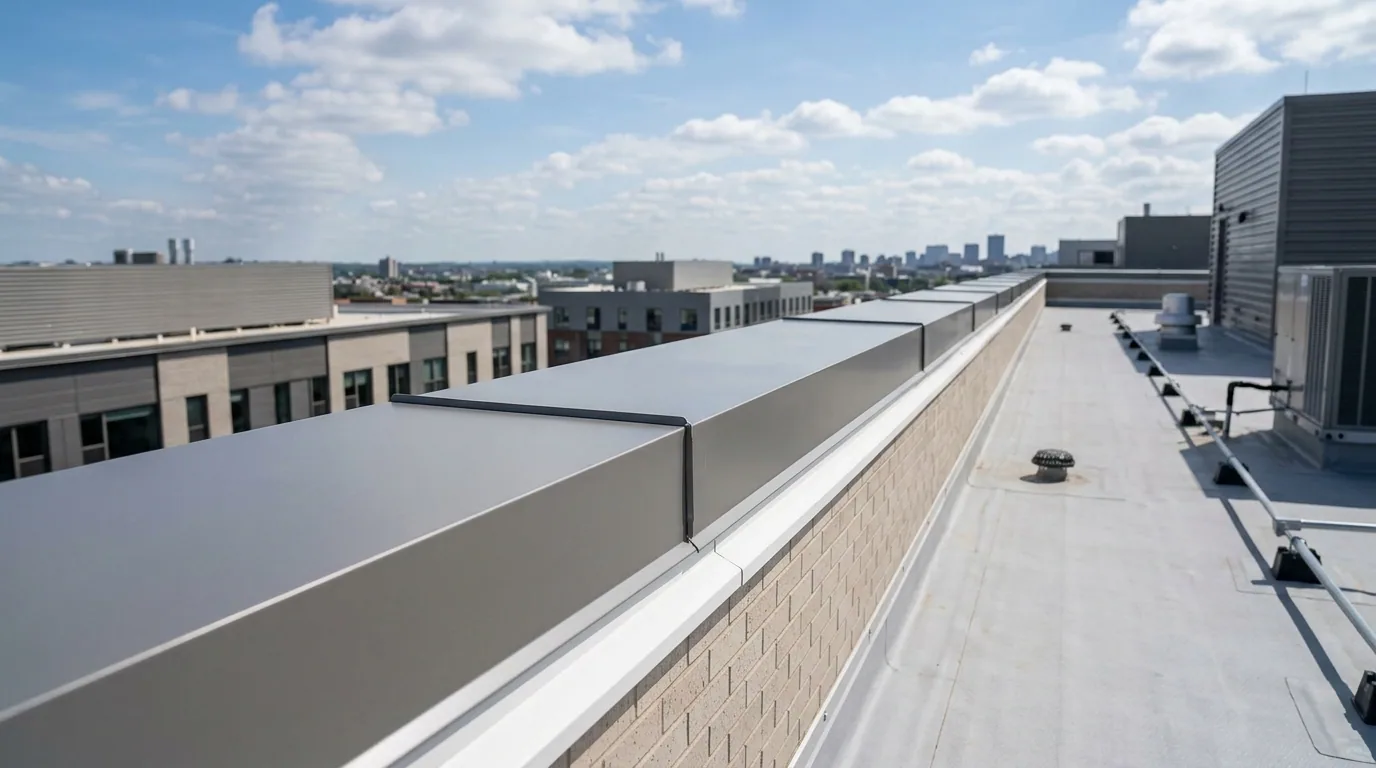
Wilton's downtown historic district includes an 1898 Rock Island Railroad depot and the Candy Kitchen. Where a downtown building has a low-slope roof behind a front wall, the parapet is the weak point. Water gets behind the wall cap, through open mortar joints, or under a counterflashing that has pulled away.
We check the cap, the joints, the base flashing and any scupper through the wall. An edge metal and coping repair often fixes a leak that looks like a membrane failure. For roof work visible from the street, we review the existing metal profile, color and trim before ordering replacement pieces. Interior finishes can hide a leak for a long time, so we look for staining at the top of the wall.
Three Miles Off the Interstate
Wilton sits about three miles south of I-80 at Iowa Highway 38 and County Highway F58. For a roof job, that is a logistics fact. Material trucks, lift equipment and dumpsters make the three-mile run from the interstate, so delivery windows and haul routes belong in the schedule before we order anything.
The August 2020 derecho readings come from regional airports. Quad City International, about 30 miles east of Wilton, recorded a 79 mph gust, and Davenport Municipal Airport recorded 86 mph. Those stations document the regional wind event. At a Wilton building, we check edge metal, fasteners and rooftop equipment for movement before the next rain tests them.
Snow Load and the Freeze Cycle
Snowfall in the Quad Cities adds up to better than three feet a year under the 1991 to 2020 normals, and January is the worst of it. Davenport's records run from 111 F down to -29 F. Temperature changes can stress seams, terminations and flashing, so we inspect those details from the roof field to the perimeter.
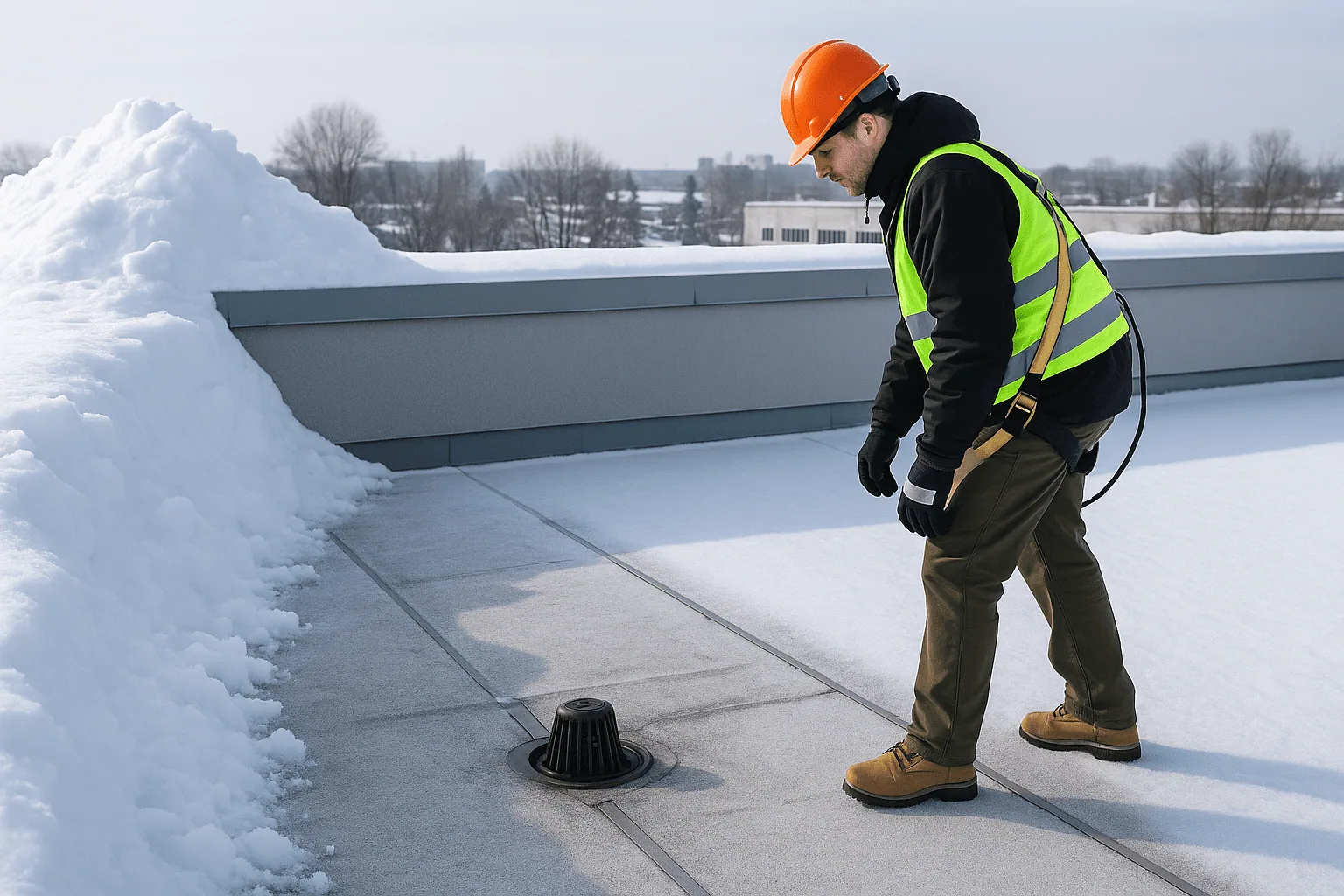
Drains matter most in winter. When ice plugs a drain or scupper, water stays on the roof, adds weight, and wears the membrane faster. We look for low spots, ice damming at the edges, and snow that drifts against a wall or rooftop unit. After a heavy storm, ask your maintenance team to walk the ground around the building for sliding snow and fallen metal. A short snow and ice roof damage repair call can save a season of leaks.
Scope, Timing and Cost
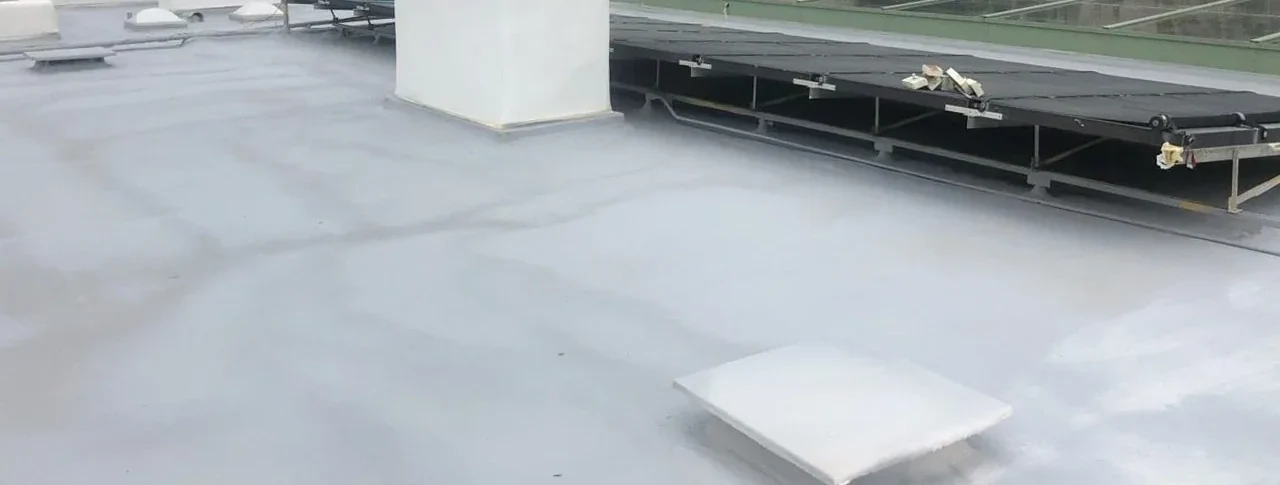
The first question is whether the roof can wait. A dry roof with minor seam wear can often be repaired this season and replaced on a plan. A roof with wet insulation, soft decking or repeated patches is closer to the end. The roof coating and restoration route fits some membranes when the insulation is dry and the surface is sound.
Cost moves with roof area, number of layers, wet insulation, access, crane time, disposal and the time of year. A building with freight deliveries may need the work split into sections so the dock stays open. A downtown building with a parapet may need masonry repair along with new flashing. For owners who run more than one building, a roof capital plan spreads the spending over several years instead of one emergency. If your portfolio also includes a roof in Davenport or Muscatine, we can build the same walk and photo log into the schedule so priorities compare condition, not reporting order.
If the next property has tighter access, record the lift location and delivery window before setting crew dates; the those details determine where material can be staged and how crews reach the roof.
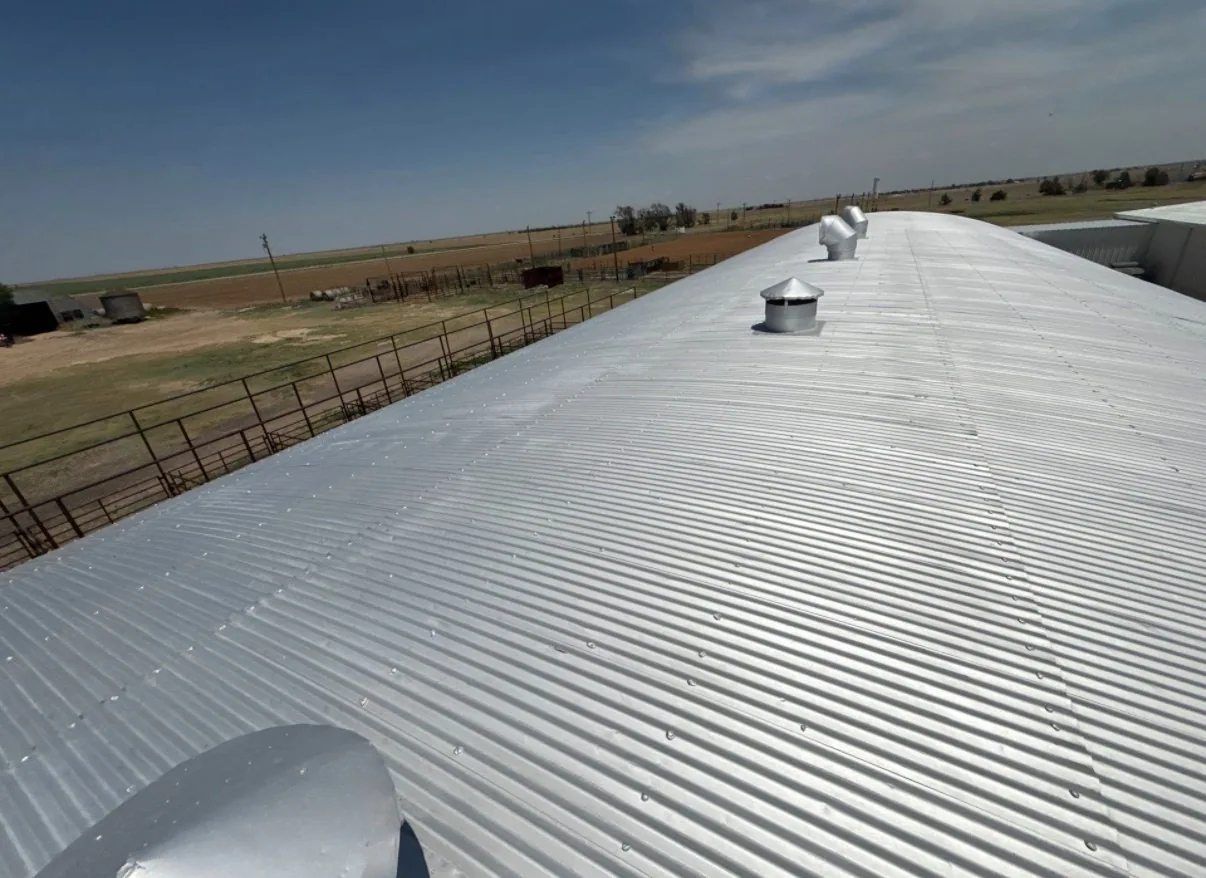
For a Wilton property, the first useful detail is how the roof drains during a thaw. We check low points, downspouts and overflow paths after snow has begun to melt, then look for staining that indicates water reached the deck. A recurring pond may need insulation or slope correction rather than another surface patch. For metal roofs, snow guards and fasteners deserve a separate look because sliding snow can load gutters and edge details. The report separates immediate leakage from seasonal work.
Send the Work Order or Set a Walkthrough
Send the address, the work order and the hours your doors are busiest, and tell us whether the track runs close to the wall. We will set a walkthrough that fits your shifts.
Questions About Wilton
Our building sits close to the rail line. Can a crane set up near the track?
Not without a plan that includes the railroad. We find out the distance from the track, the swing radius of the crane and the clearance rules before we book a lift date. Where the layout is tight, we stage the crane on the opposite side of the building or use a smaller lift and more trips.
The back wall of our downtown storefront stays damp, and the flat roof sits behind a front wall. What gets checked first?
The top of that wall and the flashing where it meets the roof. Cracked mortar, a loose cap or a lifted counterflashing lets water run down inside the wall. We also look at any scupper that passes through it. If those are tight, we move to the membrane and drains.
We are about three miles from I-80 and materials come by truck. Does that add cost?
It adds scheduling more than dollars. Delivery windows, lift placement and dumpster swaps all need to be fixed ahead of the crew. On a small repair, we bring what we need in one trip. On a replacement, we stage materials where they stay dry and out of the way of your drivers.
The airport reading from the 2020 derecho was 79 mph. Should our roof be checked because of that?
It is a prompt to inspect, nothing more. A walk of the edges, the rooftop units and the flashing takes little time, and a dated set of photos helps whether or not anything is found. If the walk turns up loose metal or opened seams, we write them up for your insurer.
We want to replace our roof in stages over several budget years. Does that work?
Yes, when the sections are chosen well. We start with the worst area and tie each new section into the old roof so water cannot get between them. A written plan keeps the order straight: which section, what system, what it will cost to maintain the rest until its turn comes.
Talk to a Davenport Commercial Roofer
Send the work order, the building address or a few photos of what you are seeing. We will set a walkthrough, go up with whoever has the hatch key, and tell you plainly what the roof needs.