
Snow and Ice Roof Damage Repair in Davenport, IA
Repair of commercial roof damage from snow load, drifts and ice dams in Davenport, IA: what we check, how winter patches hold, and how to document the loss.
A drift has packed itself against the penthouse wall, and the first warm afternoon of the week sends meltwater underneath it. By Thursday there is a stain on a ceiling tile in the break room and a bucket in the aisle. That is a common way for winter damage to reach a work order in Davenport, IA.
The roof carried the load for weeks. The water shows up when the weight shifts, softens and runs. We go up with your maintenance lead, find where the snow sat, and sort what we see into three groups: leaking now, stressed and likely to leak later, and needs a structural opinion before anyone sends a crew across it.
Where the Drift Builds
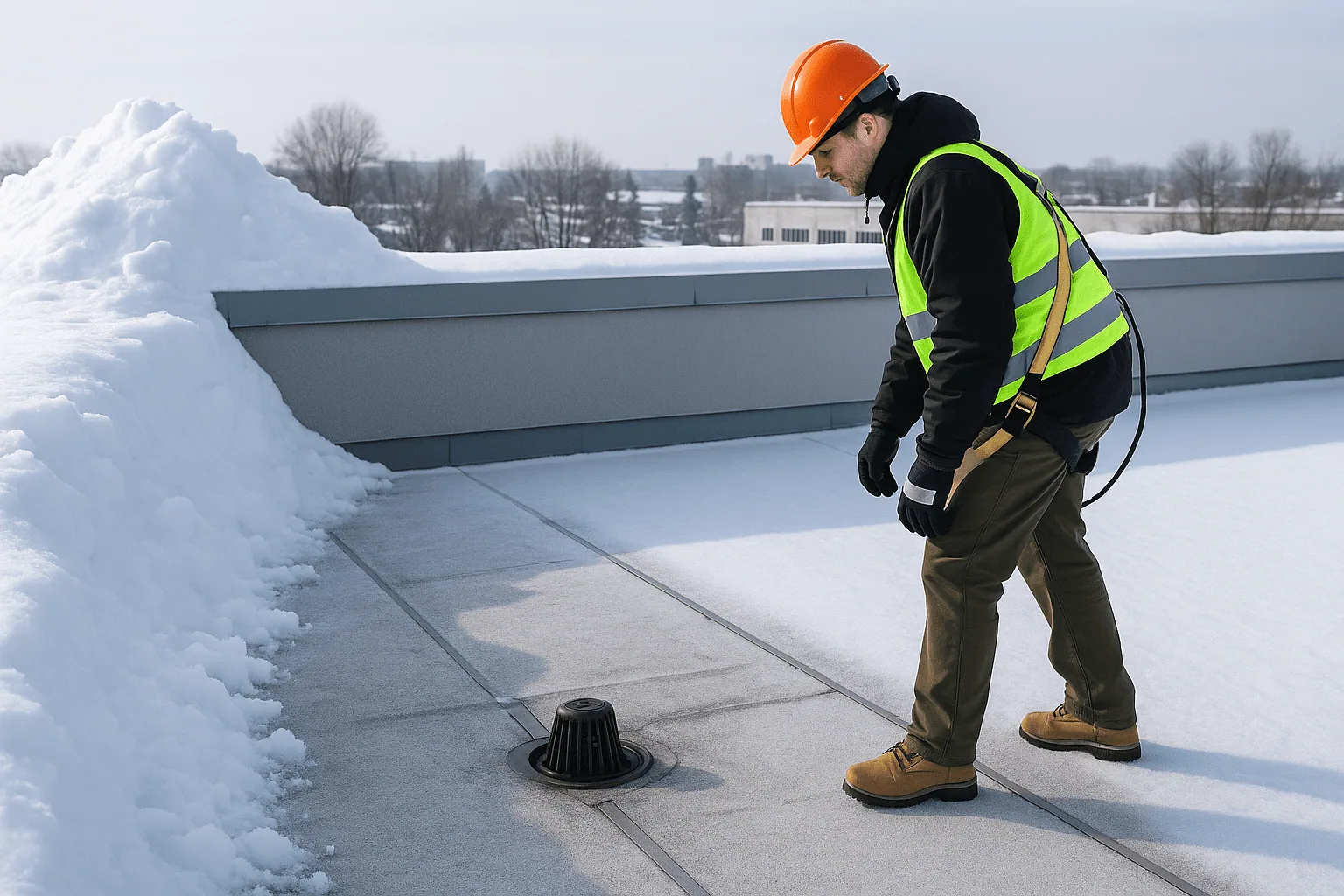
Wind does not lay snow evenly. It scours the open field of the roof and dumps the load where something stops it: the foot of a parapet, the lee side of a penthouse, the notch between two roof levels, the downwind face of every rooftop unit.
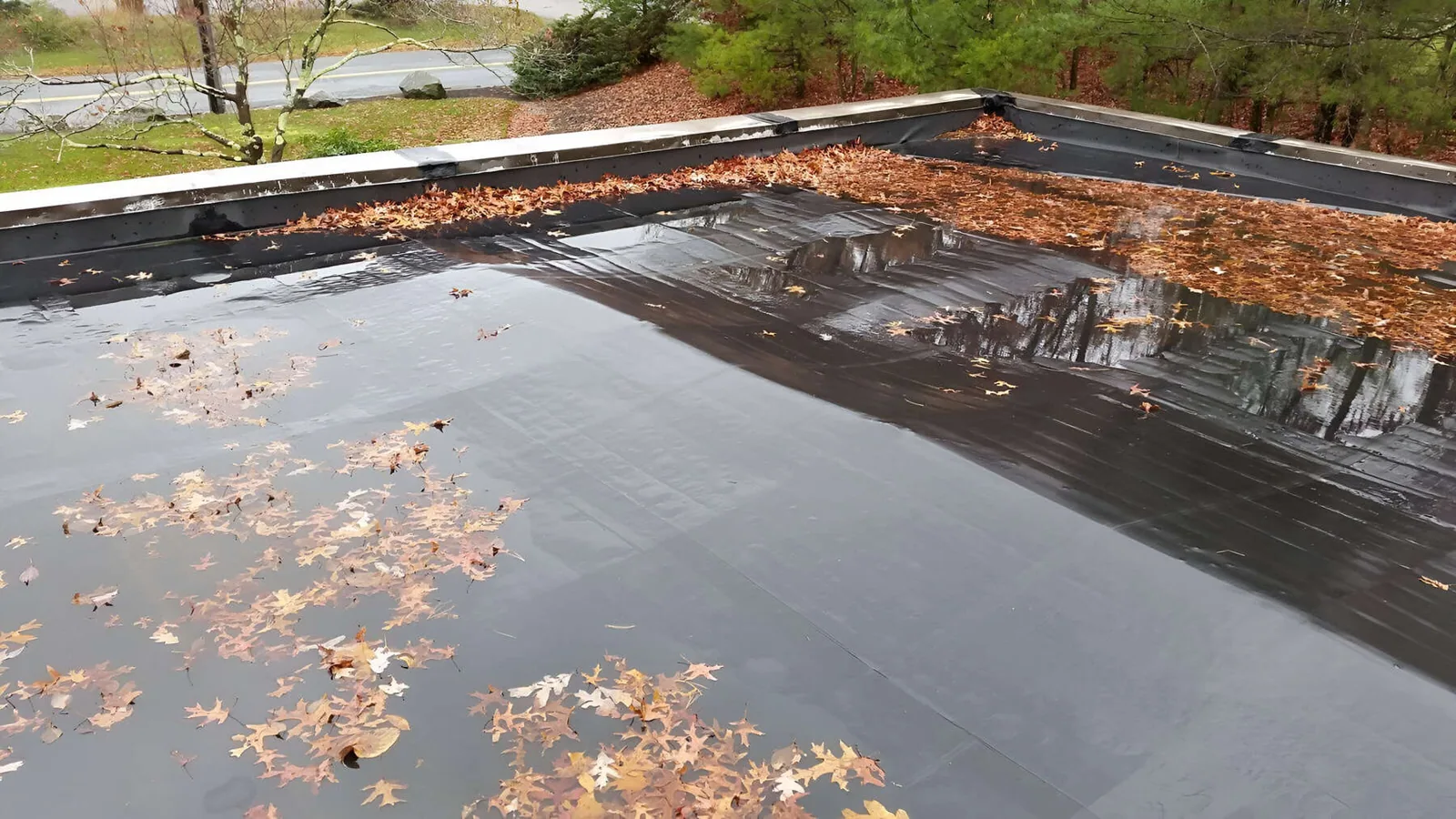
We look at those spots first. We check for a deck that has dipped, a membrane stretched tight across a step-up, and water that now stands where the roof was dry in October. A dip that holds water tells us the structure moved. That is a call for your engineer, and the report will say so in plain words. If the same low spot keeps meltwater after the thaw, it turns into a ponding water repair stacked on top of a load problem.
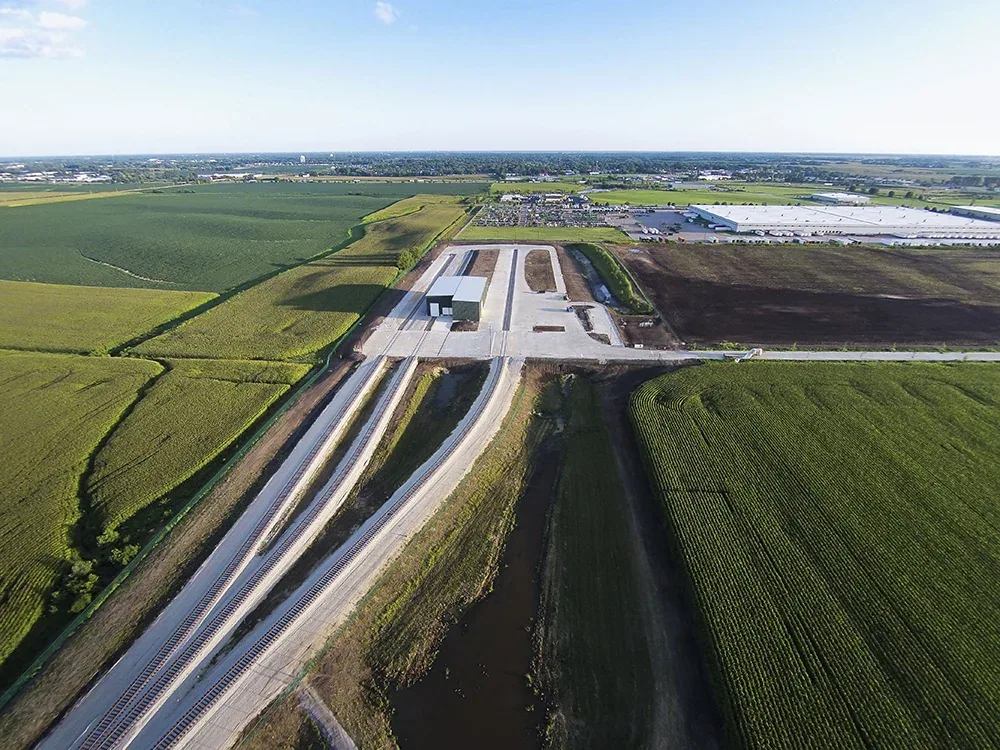
Low-slope manufacturing and warehouse buildings like those in the Eastern Iowa Industrial Center, where Kraft Heinz built its processing plant, leave wind a wide stretch of open roof to work across.
Ice at the Edge and in the Gutter
An ice dam starts with heat. Warm air leaks through the deck near a penetration, a skylight curb or a poorly insulated wall line, and the snow above it melts. The meltwater runs to the cold edge and refreezes. The next melt has nowhere to go, so it backs up behind the ice and looks for a way in.
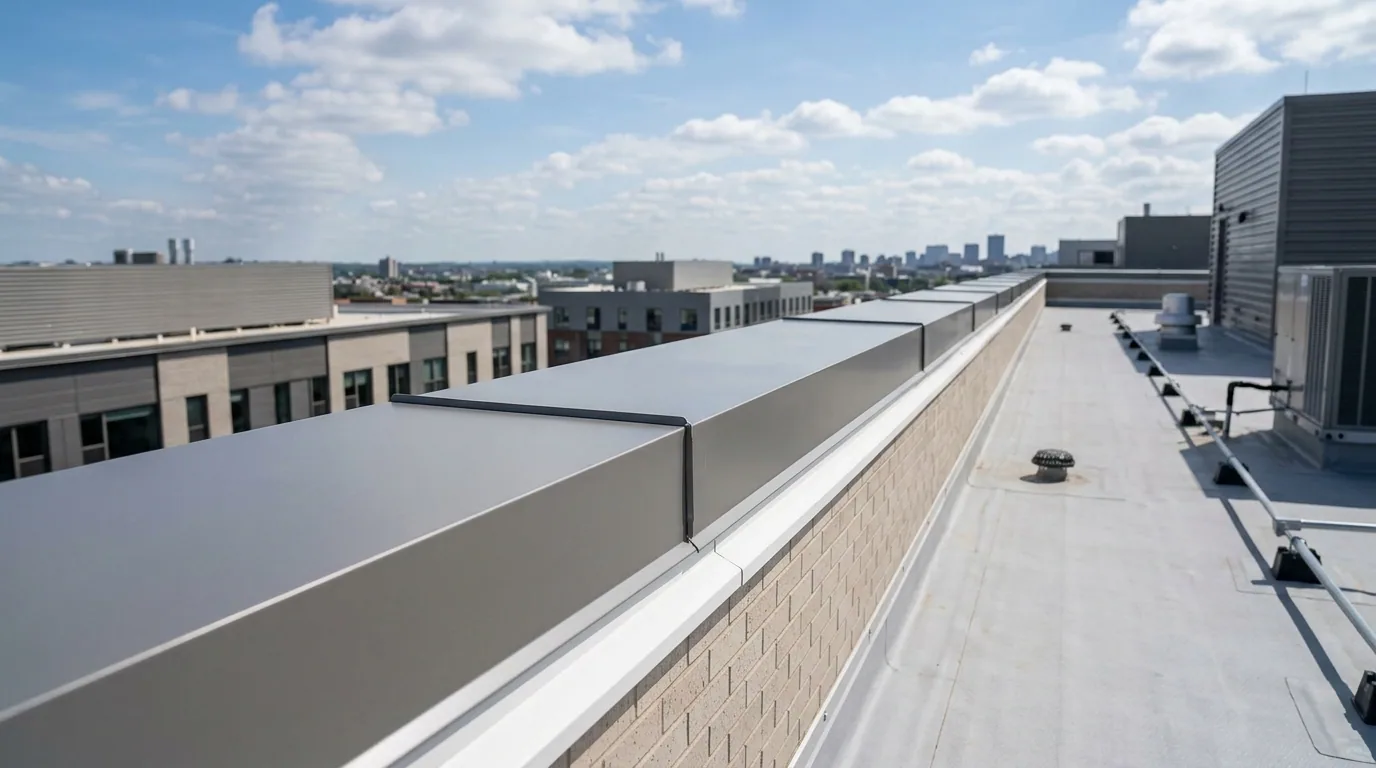
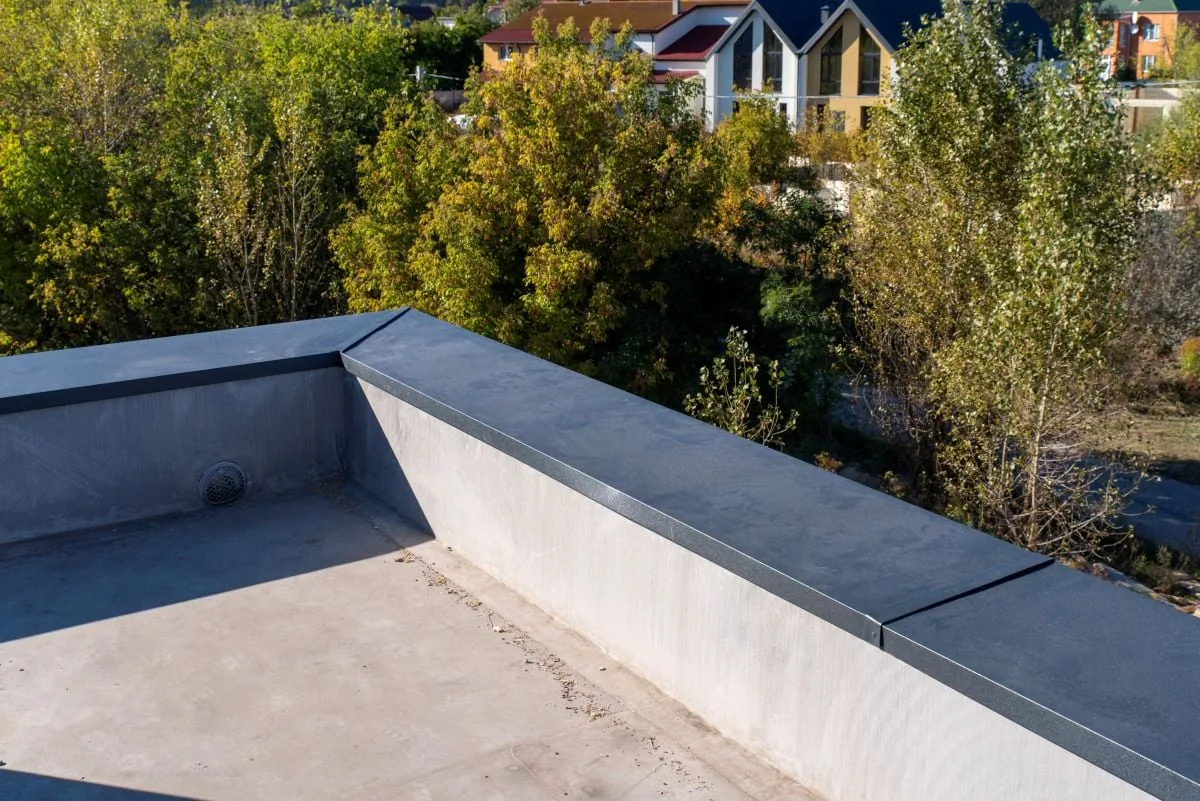
Gutters and edges need the closest look. Where an older masonry building downtown, near Union Station or the Davenport Hotel, has a built-in gutter behind the parapet, a gutter full of ice can push water straight into the wall. Work on edge metal and gutters starts with clearing the channel and checking the metal for lift. Outlets get the same attention, since roof drains and scuppers that freeze shut hold water against the field of the roof.
The Cold Swing and the Seam Line
Davenport's records span 140 degrees, from 111 F in summer to -29 F in winter. A roof lives across that whole range. In deep cold the membrane stiffens and shrinks, and the places where it is held fast, at walls, curbs and pipes, take the pull.
January alone averages about 10 inches of snow in the Quad Cities, with December and February close behind. Each warm spell lets water into a small split. The next freeze expands it.
- Seams. Lifted edges, open laps and pulled welds, the start of a seam failure repair.
- Terminations. Counterflashing that has opened at the top and flashing that has dropped. Each one is a flashing repair in waiting.
- Field cracks. Splits at stress points, usually near drifts and rigid penetrations.
Damage Done by the Shovel
Some of the worst cuts on a winter roof come from the people trying to help. A steel blade, a shovel with a sharp corner, an ice chipper swung near a curb.
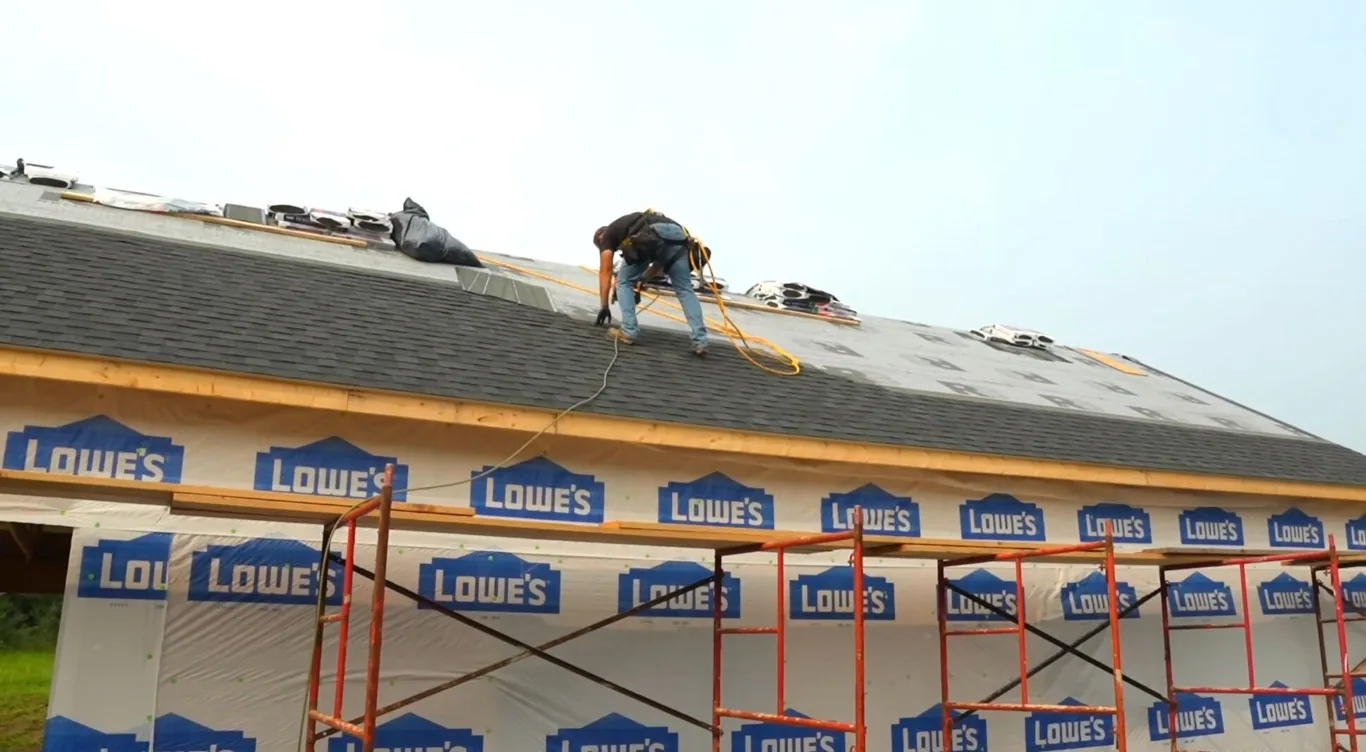
If your crew clears the roof, give them a short set of rules. Leave a thin layer of snow on the membrane. Use plastic or wood tools. Keep clear of skylights, vents, flashings and drains, and mark them before the storm if you can. Do not pile removed snow on the roof, because that adds weight where you just took it off. Treat the ladder and the roof hatch as controlled access, with fall protection in place at every edge.
What Holds in January
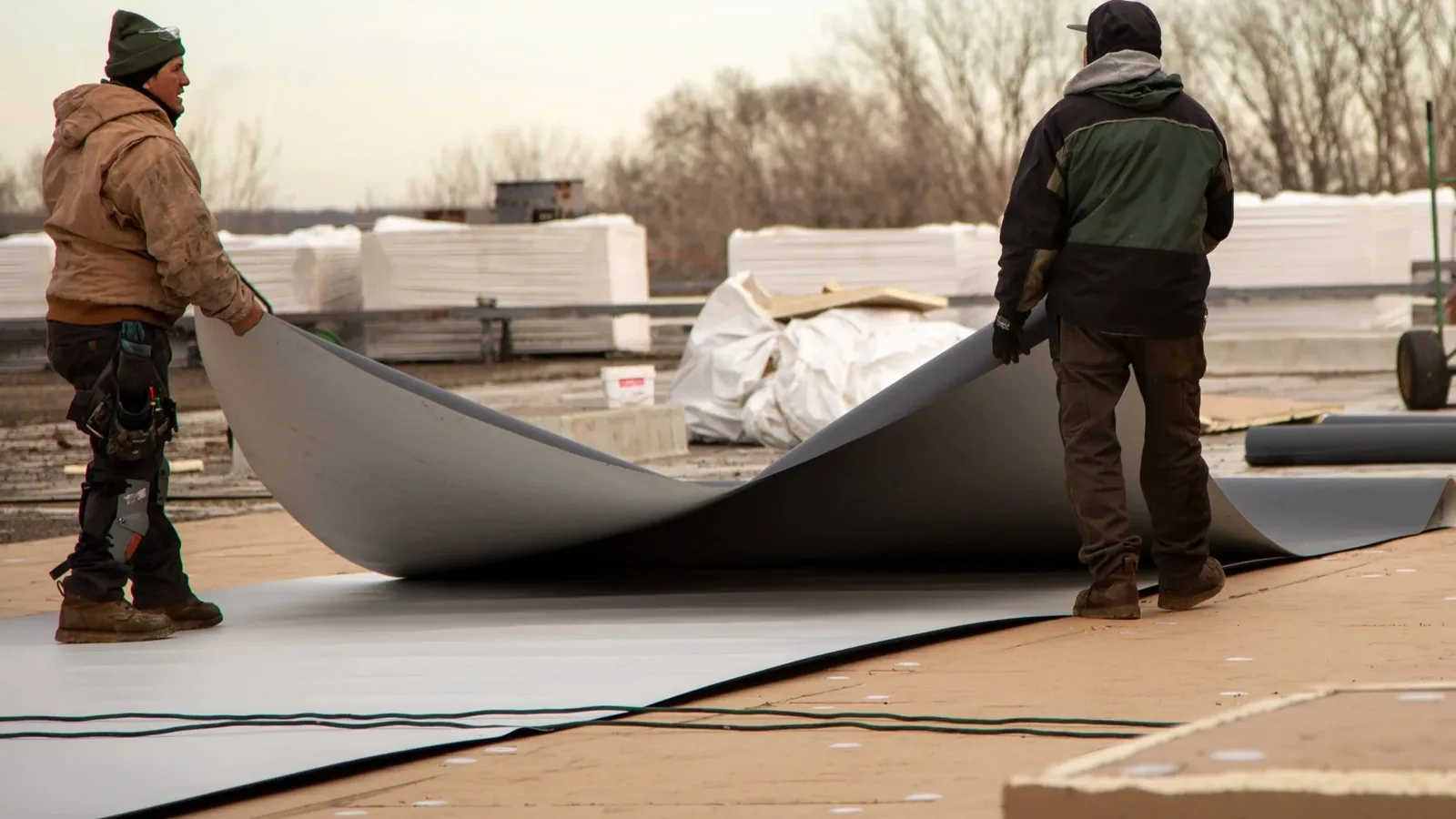
Cold limits what a repair can be. Adhesives need minimum temperatures, wet surfaces will not bond, and some membranes are hard to weld when the roof is frosted. So winter work is usually a staged job. First we stop the water. Then we come back when the deck dries and the days warm.
The first visit is a temporary patch, a cold-applied repair or a tarp to get through the next storm. When water threatens electrical gear, product or a production line, emergency roof repair starts by assessing the opening and planning a temporary dry-in to protect those areas.
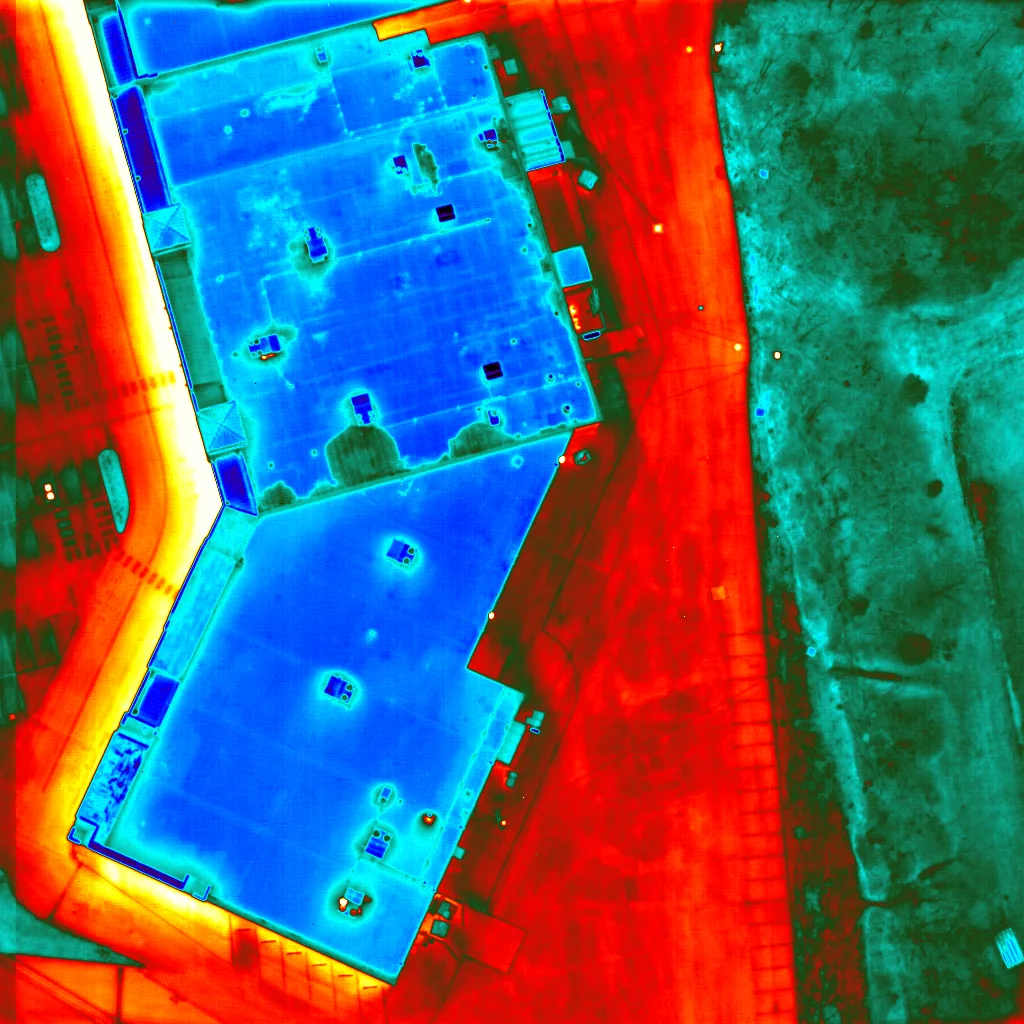
The second visit is the permanent repair. Before we close anything up we confirm the insulation under it is dry. Wet insulation under a good patch keeps feeding the leak, and winter water is good at soaking in. An infrared moisture survey in the right conditions shows where the damp has spread, and a core sample settles the rest. Wet board comes out. Dry board stays.
The Claim File for a Winter Loss
Winter claims read differently from wind claims. A derecho has a date and a time. Snow and ice build up over days, and an adjuster will ask whether the damage came from a sudden event or from wear.
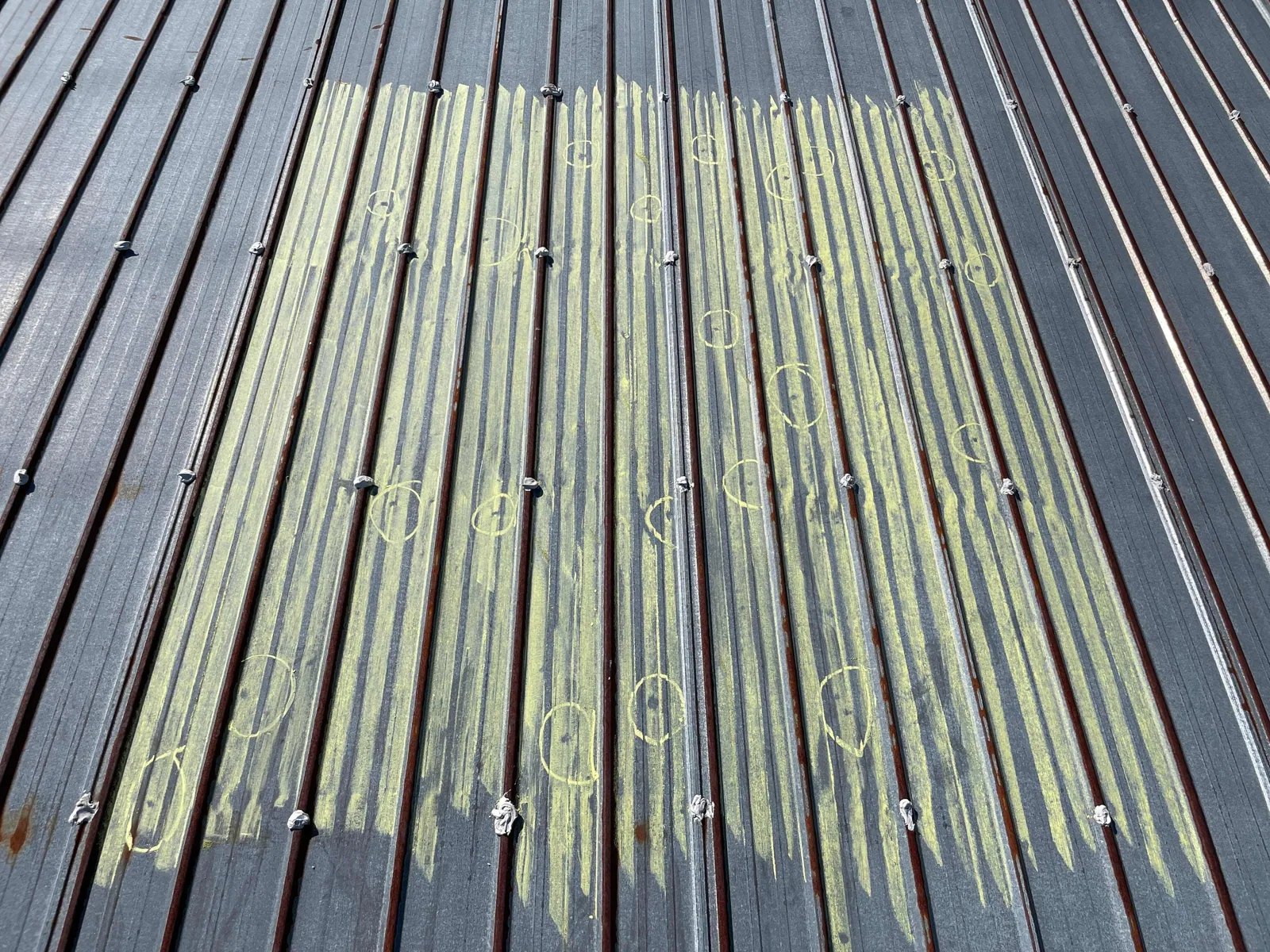
Photograph the roof before anyone clears it, including the drift line and the ice at the edge. Keep the work order that reported the first stain. Our roof insurance claim documentation pulls those pieces together with dated photos and a written scope.
Earlier storms matter too. A seam lifted by the July 11, 2025 EF-2 tornado along its path from Emeis Park toward Kimberly Road, or by the July 2024 derecho winds, may carry no stain that summer and fail under the first heavy snow. We help sort which losses belong to which storm, and the storm damage roof repair scope reflects that split.
Send the Work Order
Send the work order or the address, plus a few phone photos of the drift line and the stain. Tell us who has the roof hatch key and when the dock stays busy, and we will set a walkthrough. Night and holiday calls get answered too.
Questions About Snow and Ice Roof Damage Repair
The ceiling below a loading dock sags after the big snow. Who do we call first?
Call your structural engineer before anyone walks the area, and call us for the membrane side at the same time. A dipped deck is not a roofing repair, and nobody should be loading a section that moved. We can stay off the sagging area, photograph it from the edge, check the rest of the roof.
Do flat roofs get ice dams, or is that a pitched-roof problem?
Flat roofs get them at the edge, at scuppers and at any drain where heat escapes from below. Meltwater runs to the cold perimeter, refreezes and builds a ridge, and the next melt pools behind it. The fix is rarely just chipping. It means finding where the warm air is escaping, restoring the outlet and checking whether the water already pushed past a lap or a termination.
Our maintenance crew shovels the roof and we keep finding cuts. What should they change?
Tell them to leave a layer of snow on the membrane and switch to plastic or wood tools. Mark the skylights, curbs and drains on a roof plan, and keep the heavy equipment off the roof altogether. Bring us in for a walk after the first cleared storm to see what the crew is missing, and we will point out the cut-prone spots on your own building.
A temporary patch in February costs money and then we pay again in April. Is it worth it?
It is worth it whenever water is reaching insulation, product, electrical equipment or a work area. The cost of one wet board is more than a patch. If the leak is a slow drip over an empty storage bay, you may decide to watch it with a bucket and a photo log.
Will insurance treat ice and snow damage the way it treats a derecho?
Adjusters read them differently. Wind has a dated event, while a winter leak can look like gradual wear unless the file shows otherwise. Your best proof is photos taken before the cleanup, the first maintenance report, and a written scope that separates storm injury from age. Check the policy for how it treats collapse, freezing and water backup, and ask the carrier about the deadline before any permanent work starts.
Talk to a Davenport Commercial Roofer
Send the work order, the building address or a few photos of what you are seeing. We will set a walkthrough, go up with whoever has the hatch key, and tell you plainly what the roof needs.