
Cool Roof Installation in Davenport, IA
Reflective TPO, PVC and coated roofs for commercial buildings in Davenport, IA, weighed against hail, snow load and a long heating season.
The second-shift supervisor says the packing area runs hot every July afternoon and the dock fans cannot keep up. Somebody finally goes up the roof hatch and lays a hand on the membrane. It is too hot to leave there.
A dark roof soaks up sun and hands the heat to the room below. A reflective roof sends much of it back. That is the whole idea behind a cool roof, and on the right building in Davenport, IA it can ease the load on the cooling equipment. On the wrong building, with the wrong system, it is an expensive color change. We walk the roof with you, look at what is under the surface, and tell you which one you have.
Heat Load Under the Membrane
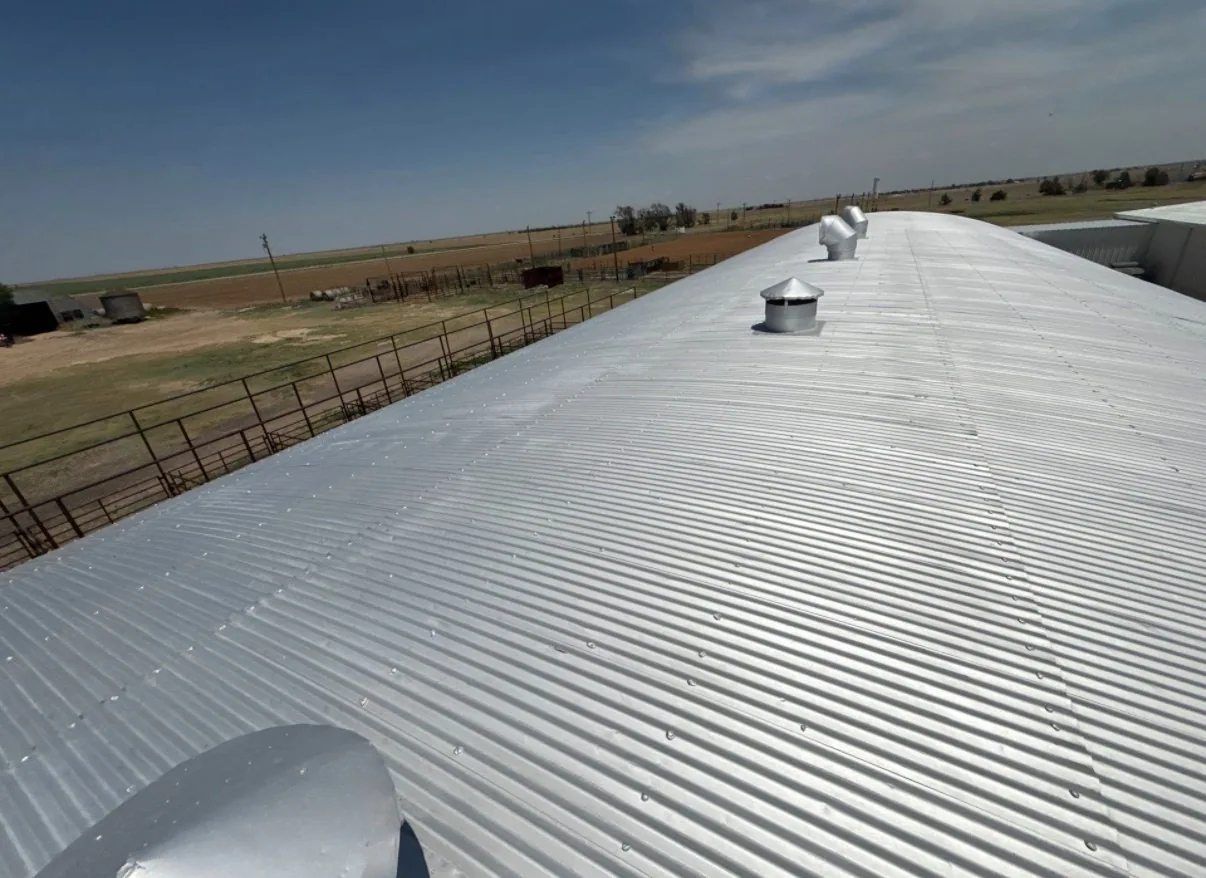
Two numbers describe a cool roof surface: how much sunlight it reflects, and how well it gives up the heat it does absorb. A white membrane scores high on both when it is new. A gray one with a decade of grime scores much lower.
The payoff is biggest where the interior is already fighting heat. Think of a packing floor with hot equipment, a distribution building with dock doors open to the afternoon sun, or an office suite whose air handlers never catch up. Davenport has hit a record high of 111 F, and the roof surface runs well above the air temperature on a day like.
Before we recommend anything, we ask where the building struggles. If the complaint is a leak, a cool roof is not the first fix. If the complaint is summer comfort or a cooling bill, the surface matters and we can talk about it.
Reflective Systems on the Table
There are two ways to get a reflective surface, and the choice usually follows the condition of the roof you already have.
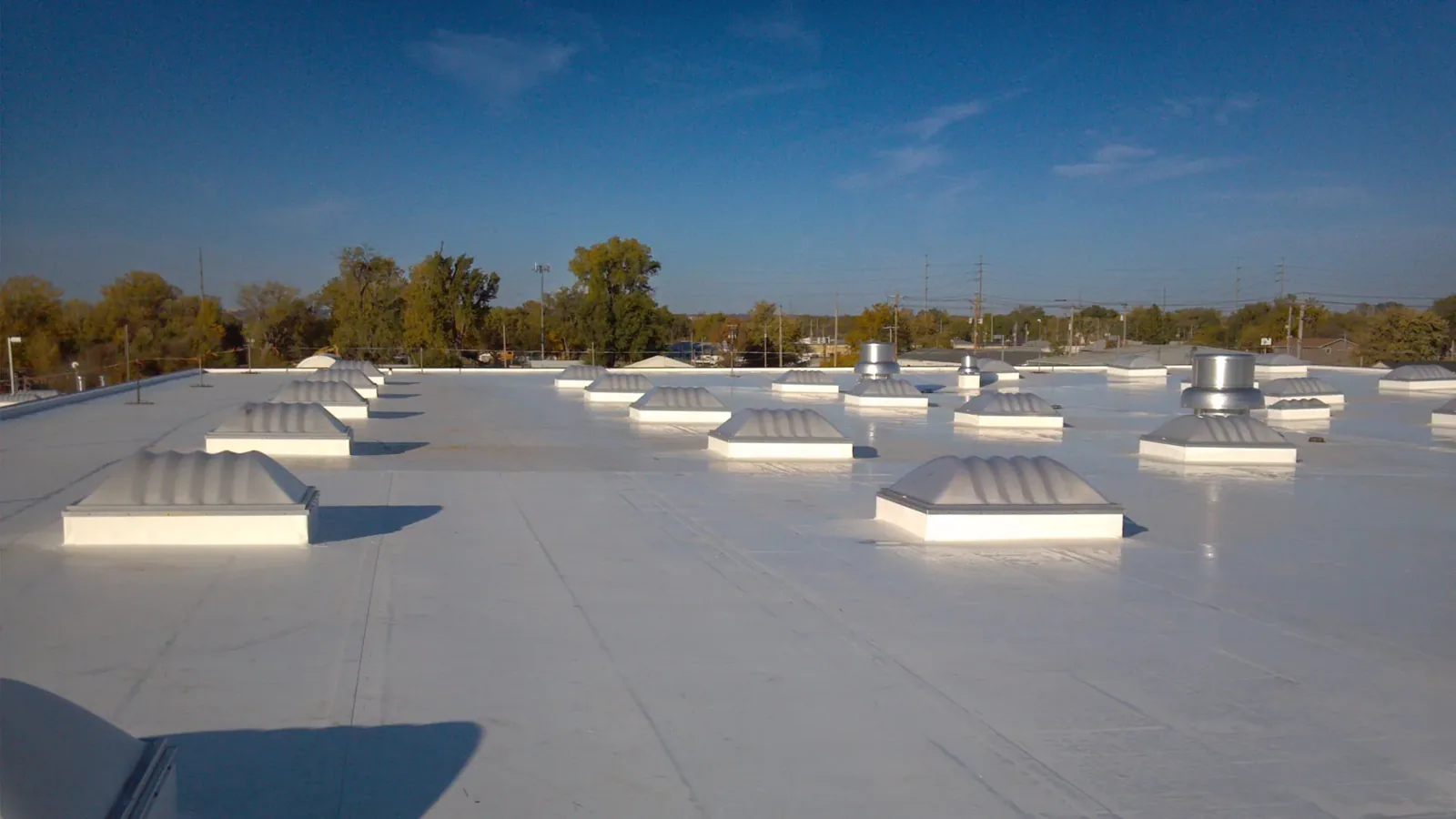
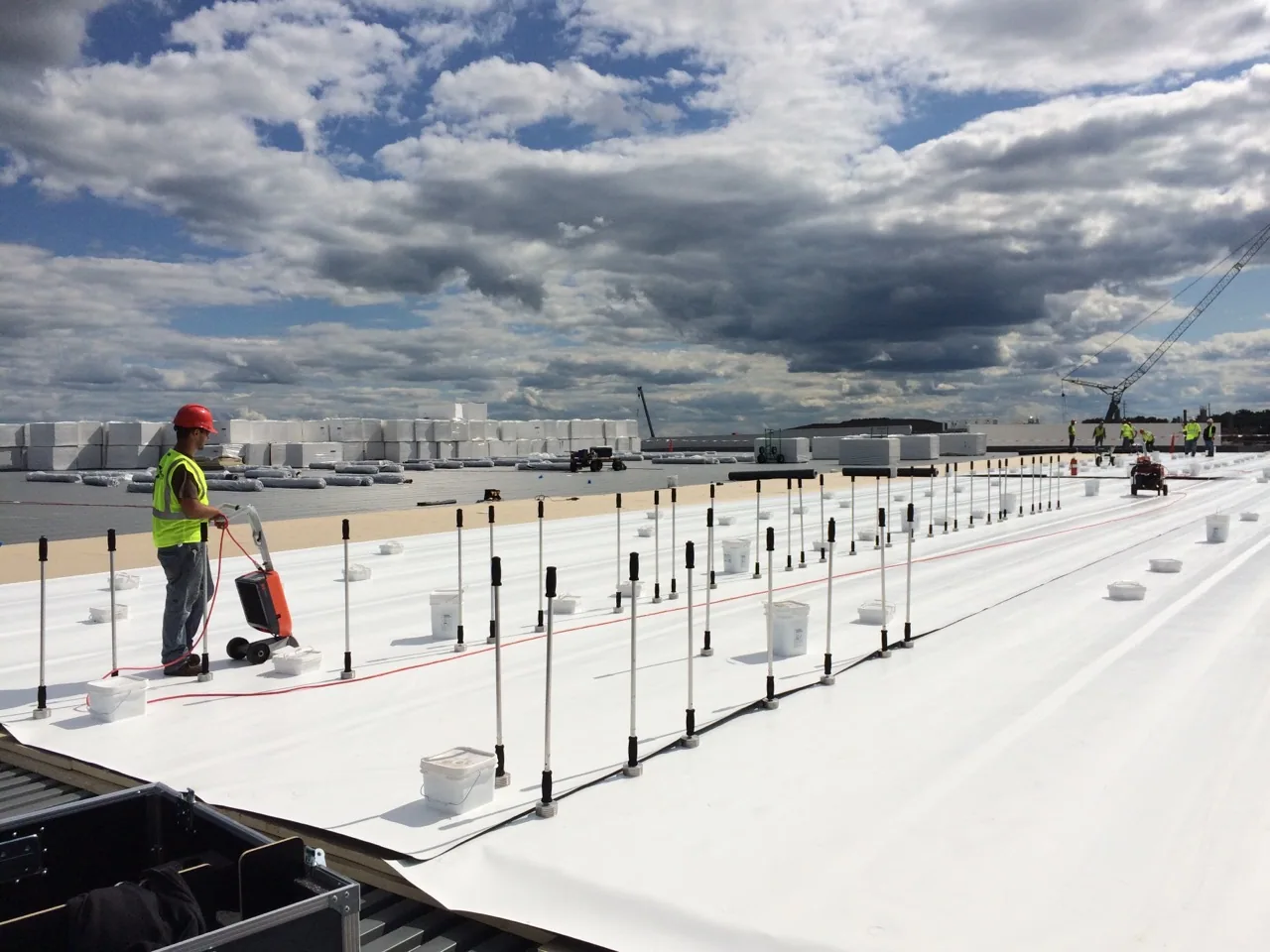
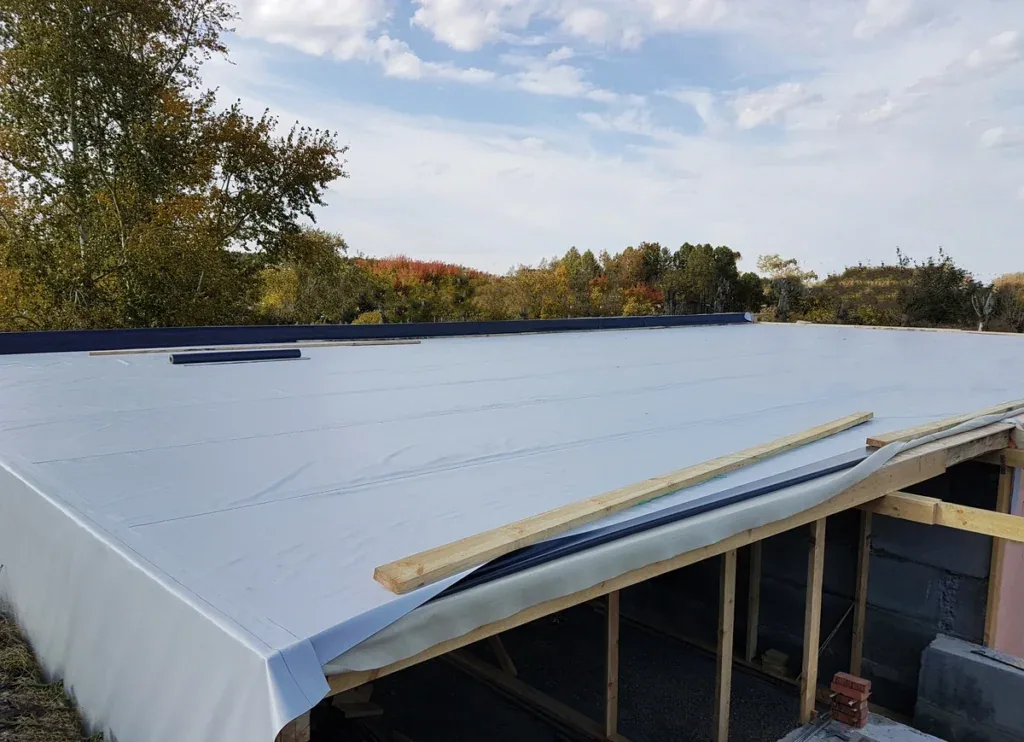
- New white membrane. TPO and PVC single-ply sheets come in white and light colors, and they are heat-welded at the seams.
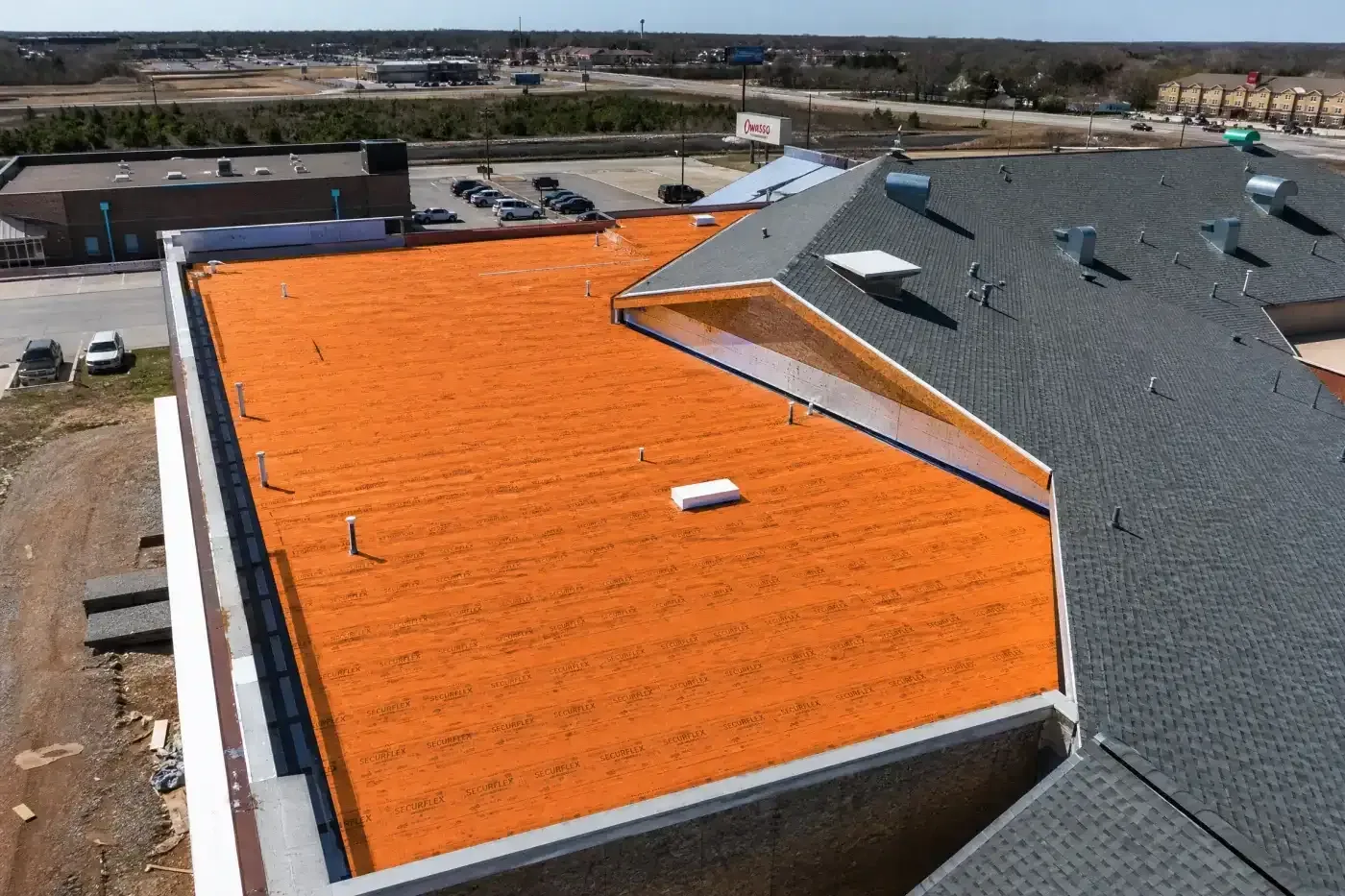
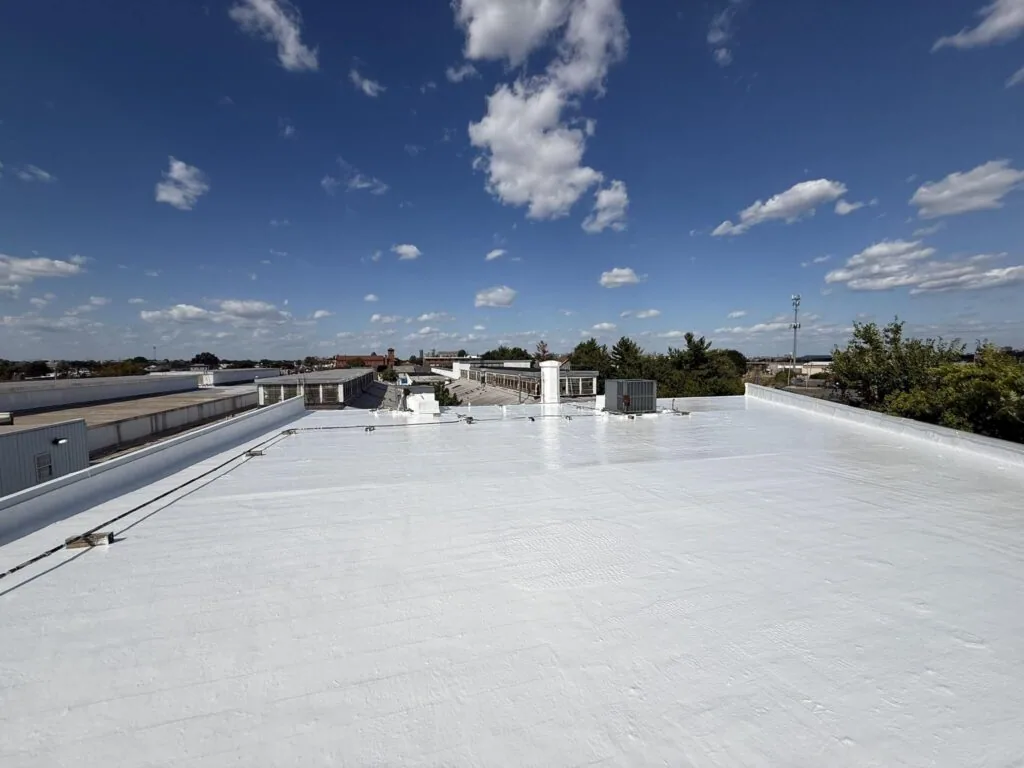
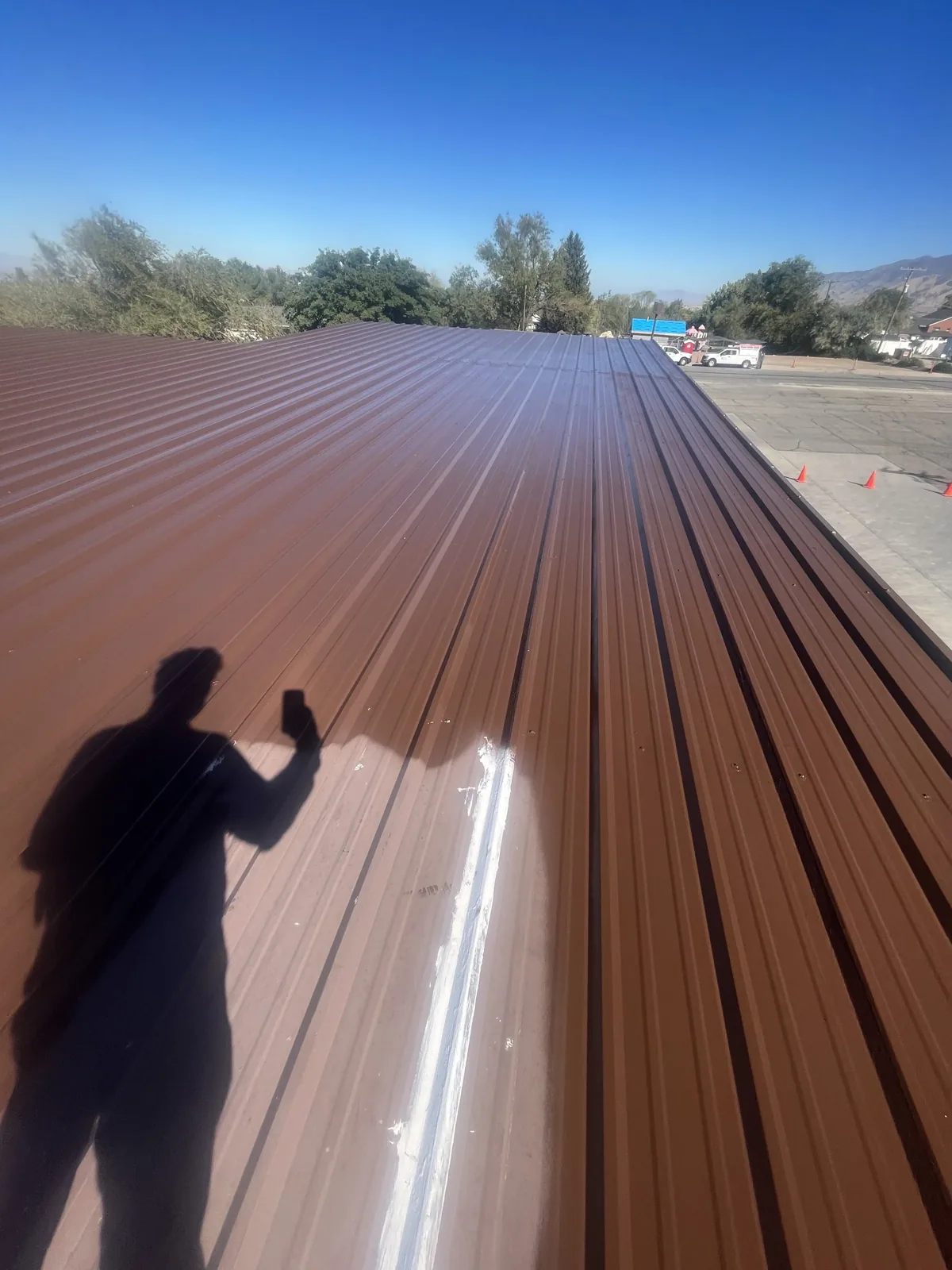
- Reflective coating. Acrylic and silicone coatings are applied over a sound existing roof, which keeps the old membrane out of the landfill and can postpone a tear-off.
Coating only works over a roof that is dry and well adhered. We test the insulation before anyone mixes a bucket. If the old roof is wet, the coating just hides the problem and the water stays in the building. That is a restoration question, and the survey answers it before the bid does.
The Winter Side of the Trade
Here the cooling gain meets a real winter. Winters here bring more than three feet of snow in a normal year, and the record low is -29 F. A reflective roof gives up a little winter sun, and a heating season that long makes owners ask whether the trade is worth it.
The right answer is that insulation does most of the winter work, and the roof surface has a smaller role. Snow also covers the roof for stretches of winter, which neutralizes color either way. Where we see the gain is the summer cooling side, so we pair the surface with the right insulation thickness and a cover board. On a replacement that means specifying insulation and cover board along with the membrane.
On the code side, Iowa has its own energy conservation rule, and the city adopted it next to the 2021 building code. Whoever designs the project or reviews the permit reads both against the scope. We price the roof to what they call for.
Hail, Wind and White Membrane
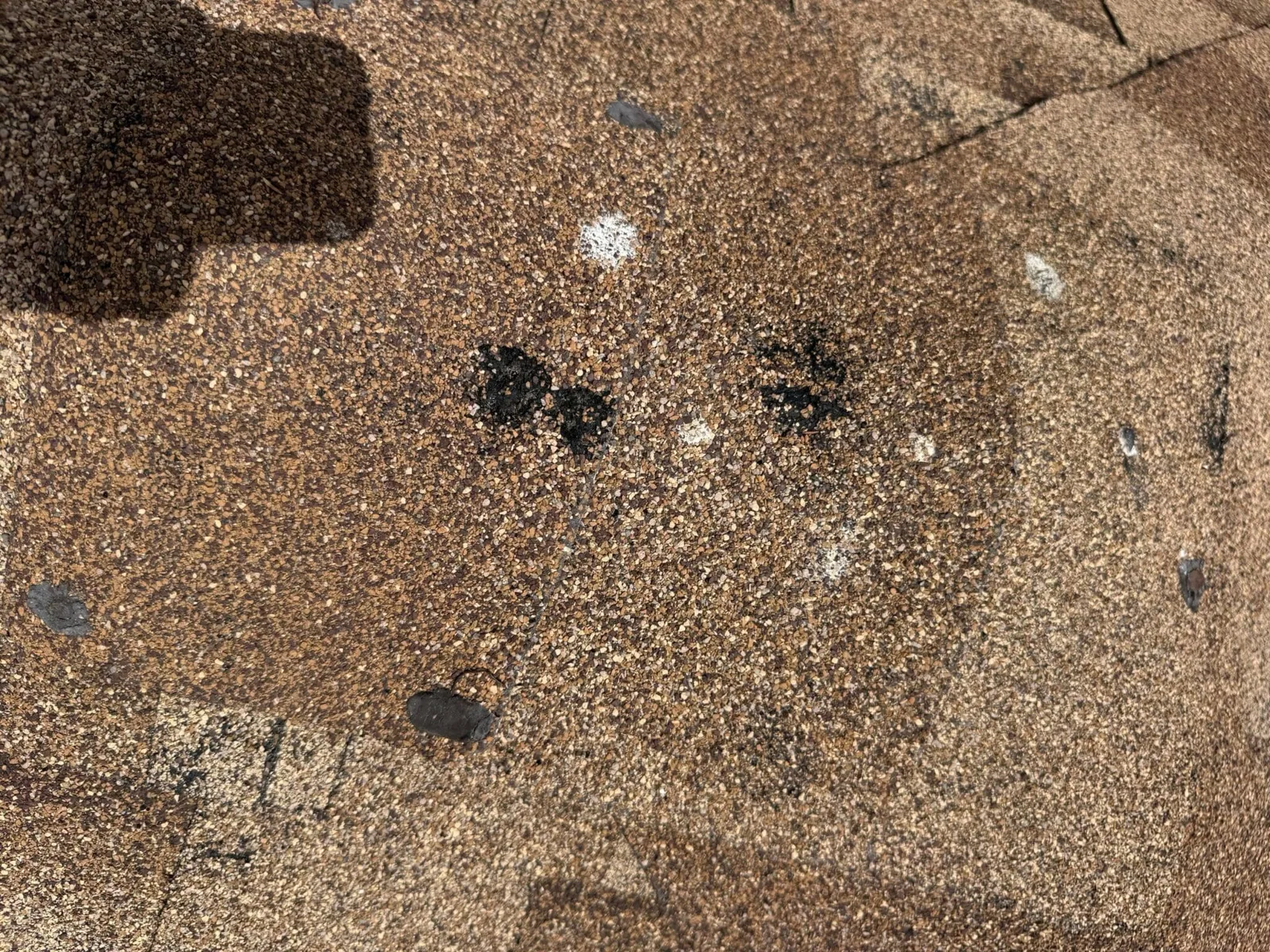
A cool roof still has to survive the weather here. Hail visits often. Two dates stand out: 2.5 inch stones on April 4, 2023 and 2 inch stones on April 7, 2020. Hail marks and bruises can show up quickly on a bright surface once dirt collects in the dents.
Wind matters just as much. In the August 2020 derecho, the gauge at Davenport Municipal Airport topped out at 86 mph. Single-ply roofs live or die on how the perimeter is attached, so the edge metal, the fastening pattern and the seam welds get as much attention as the color.
After a storm, a white roof is easy to inspect. Torn seams and punctures show up as dark lines. Repair after hail damage uses the same membrane and the same weld method that went in the first time.
Keeping It Reflective
Reflectivity fades. Dust, soot and river-town humidity collect on the surface and settle into low spots where water ponds. A roof that tested bright on install day is duller a few seasons later.
Plan for a rinse. A gentle wash with the right cleaner brings most of the brightness back on a single-ply roof, and a coated roof can take a maintenance coat when the film thins. We note the ponding areas on the first walkthrough, since a cool roof that holds water gets dirty fastest.
Install Day With the Building Open
Most cool roof jobs happen over an operating building. We get the work order, find out who holds the roof hatch key, and confirm where the air intakes are. Coatings and adhesives have an odor, so intakes near the work get covered or the schedule shifts to a quieter window.
On large low-slope buildings such as those in the Eastern Iowa Industrial Center, where Amazon and Kraft Heinz operate and Sterilite's plant sits alongside, the plant manager sets the sequence. We stage around the production schedule, and we post a tenant notice where there are tenants. When the last seam is welded or the last coat has cured, we walk it with you and hand off photos.
A reflective surface changes solar exposure, but the full roof assembly still controls performance. We inspect insulation, air leaks, drainage and attachment before comparing a coating with a new membrane. Existing moisture can reduce the value of either option, and a reflective finish will not correct standing water. The choice also affects detailing around curbs and walk pads. We document the starting condition so later inspections can distinguish normal surface aging from a detail that needs repair.
Send the Roof Plan
Send the work order and a roof plan if you have one. We will set a walkthrough, check the insulation and tell you whether a reflective surface fits the building.
Questions About Cool Roof Installation
Does a white roof make sense when Davenport spends so much of the year heating?
For most buildings with real summer cooling demand, yes, because the insulation carries the winter and the surface works in July. The picture changes for a building that is heated almost all year and barely cooled. We ask about your utility pattern and equipment before suggesting a color.
Can we coat the existing roof white instead of replacing it?
Only if the insulation is dry and the old membrane is sound enough to hold a coating. A moisture survey tells us that. If we find wet sections, we cut them out and replace them first, then coat. If the whole roof is wet, coating is the wrong spend and replacement is the honest route.
How long does a roof stay reflective?
Expect the brightness to drift down as dirt builds up, which is why a yearly rinse belongs in the plan. Single-ply roofs tend to hold their surface well when kept clean. Coated roofs may need a recoat as the film wears. We write the cleaning and recoat points into the maintenance schedule.
Does Davenport require a reflective roof for a reroof?
The city adopted the state energy conservation rule, and the designer or permit reviewer holds your scope up against it. We build the bid to whatever they require, and we ask for their finding in writing before ordering material.
Will the coating smell reach tenants?
Coatings and adhesives give off an odor while they cure. Intakes near the work get covered, work near occupied suites moves to evenings or weekends, and tenants get notice ahead of time. If anyone in the building is sensitive, tell us up front and we will plan around it.
Talk to a Davenport Commercial Roofer
Send the work order, the building address or a few photos of what you are seeing. We will set a walkthrough, go up with whoever has the hatch key, and tell you plainly what the roof needs.