
Commercial Roofing in Camanche, IA
Commercial roof repair, inspection and replacement in Camanche, IA, with wind-first walkthroughs, drain checks and round-the-clock storm response.
The work order is short. Ceiling stain, river side of the building, started after the last storm. Whoever wrote it looks after a commercial building in Camanche, IA, and wants to know whether the roof is the cause or whether it is time to call a plumber.
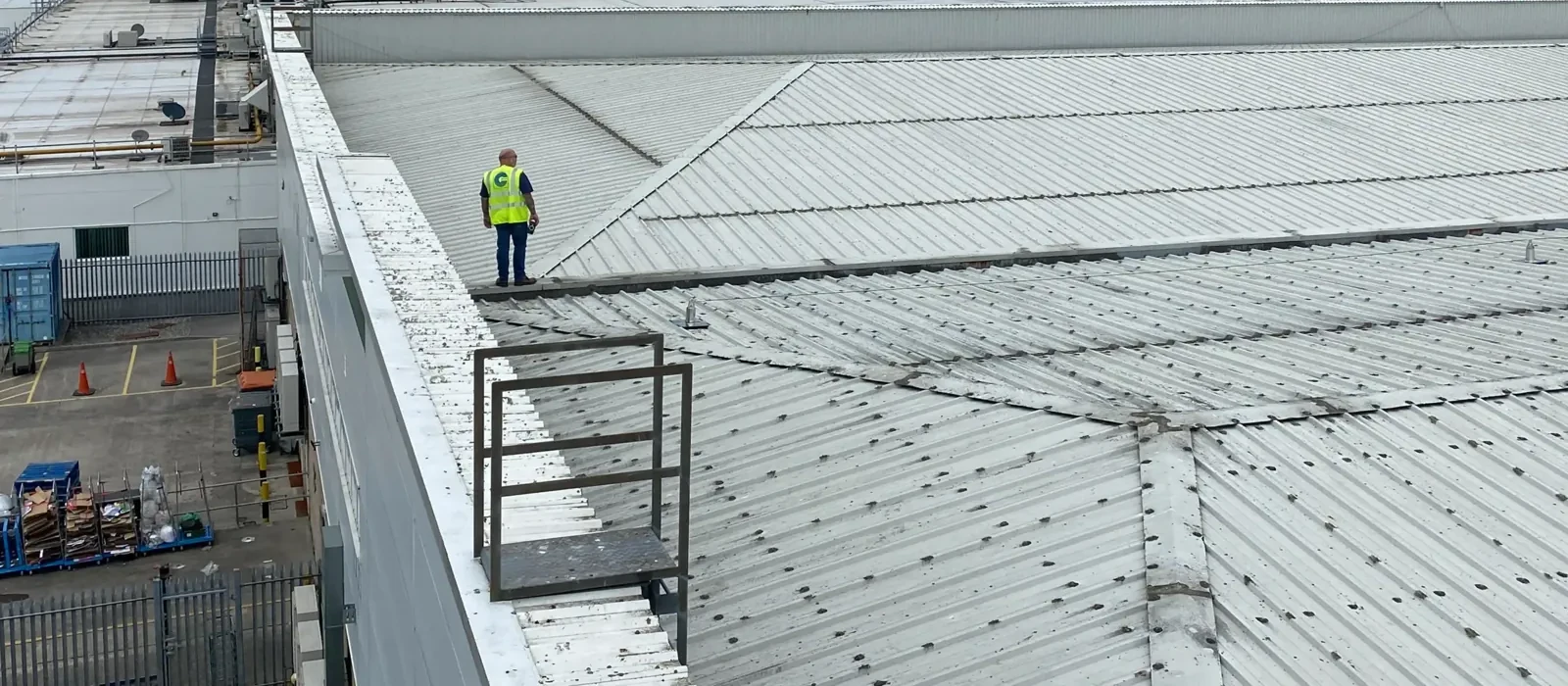
We start on the roof, with you or with whoever holds the hatch key. Low-slope and metal roofs are our trade, whether the answer turns out to be a repair, a recover, a replacement or a coating, and each job opens with a walk and photos. In Camanche that walk keeps three things in view: the Mississippi River beside the town, a tornado that goes back to 1860, and winters that load a roof for months. A commercial roof inspection ends with a call you can act on: patch it now, monitor it, or set aside money for the bigger project.
The 1860 Tornado and Today's Wind
An F4 tornado crossed Camanche on June 3, 1860 and left almost no building in town untouched. About 92 people died across the region. That was a long time ago, and it says nothing about any roof standing today. It does give an owner a fair reason to put wind resistance at the top of the list.
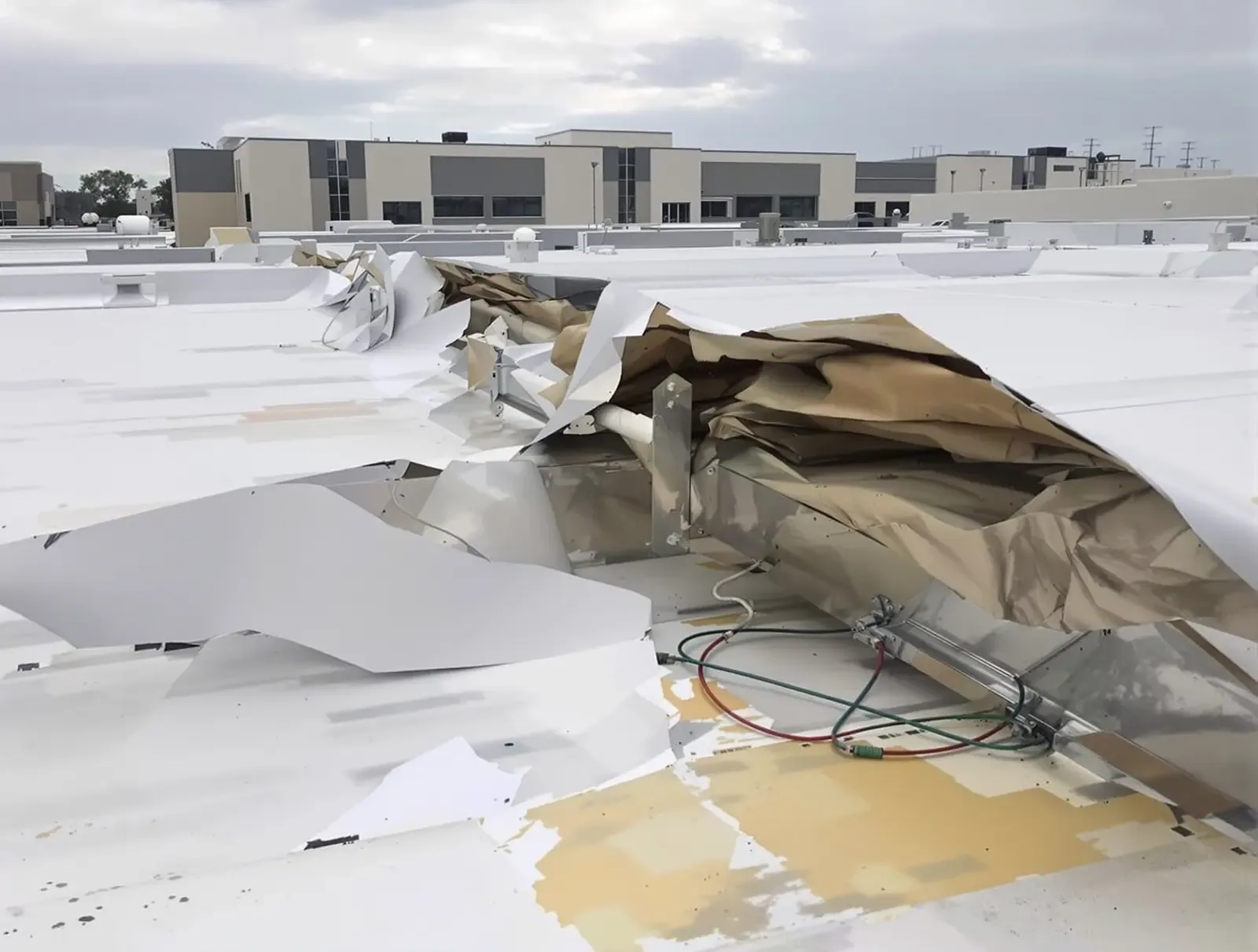
Wind trouble now is quieter and more common. The metro readings give the scale. In July 2024 a derecho pushed gusts as high as 100 mph across the region. The August 2020 derecho blew hard for half an hour to an hour across Davenport, Bettendorf and Scott County, and Davenport Municipal Airport read 86 mph at the peak. A roof does not need a tornado to lose a corner. It needs one loose edge and a long blow, which is why a wind-damaged roof gets looked at from the perimeter inward.
What We Check Up There
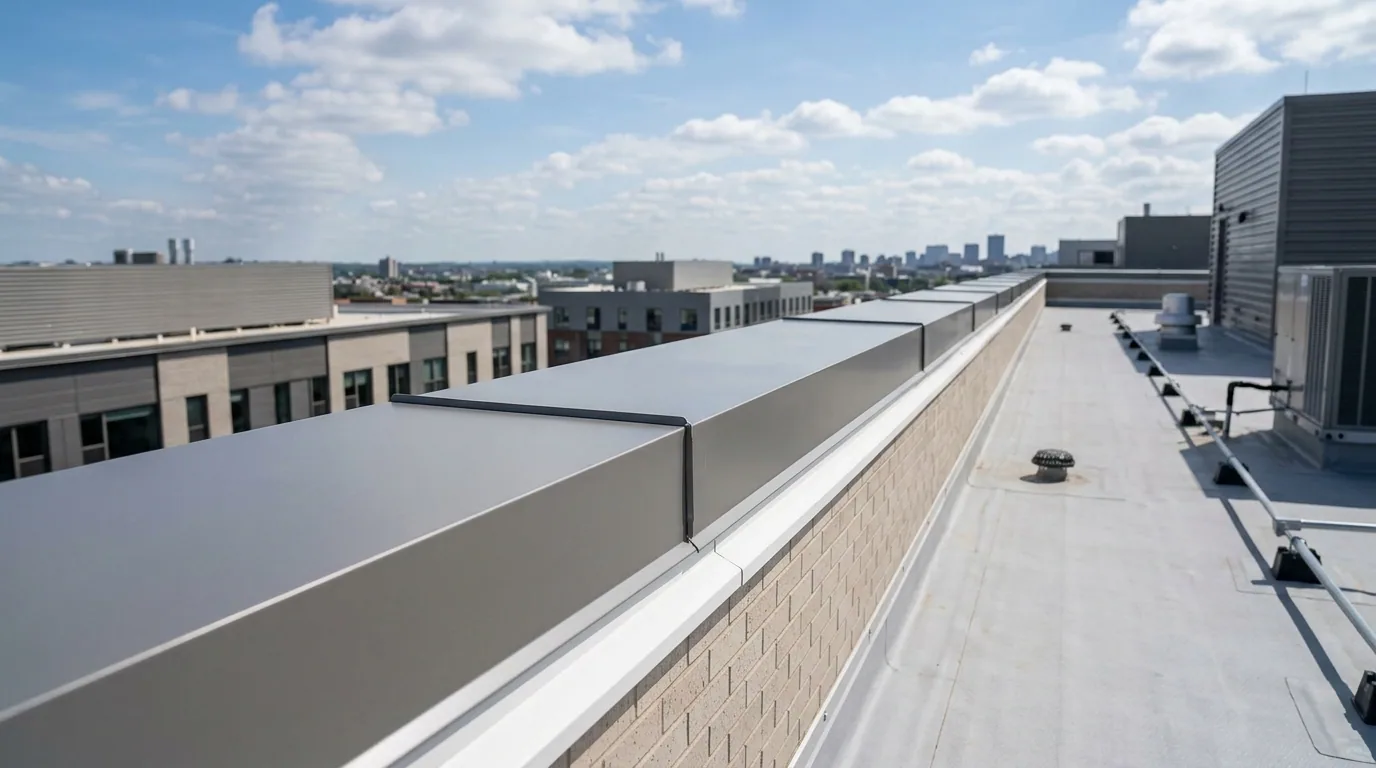
Drains come first. A drain bowl packed with leaves or a scupper plugged with ice explains more interior stains than a torn membrane does. Then the seams, the flashings, and the curbs around rooftop units. Then the edge metal, because that is where wind gets a grip.
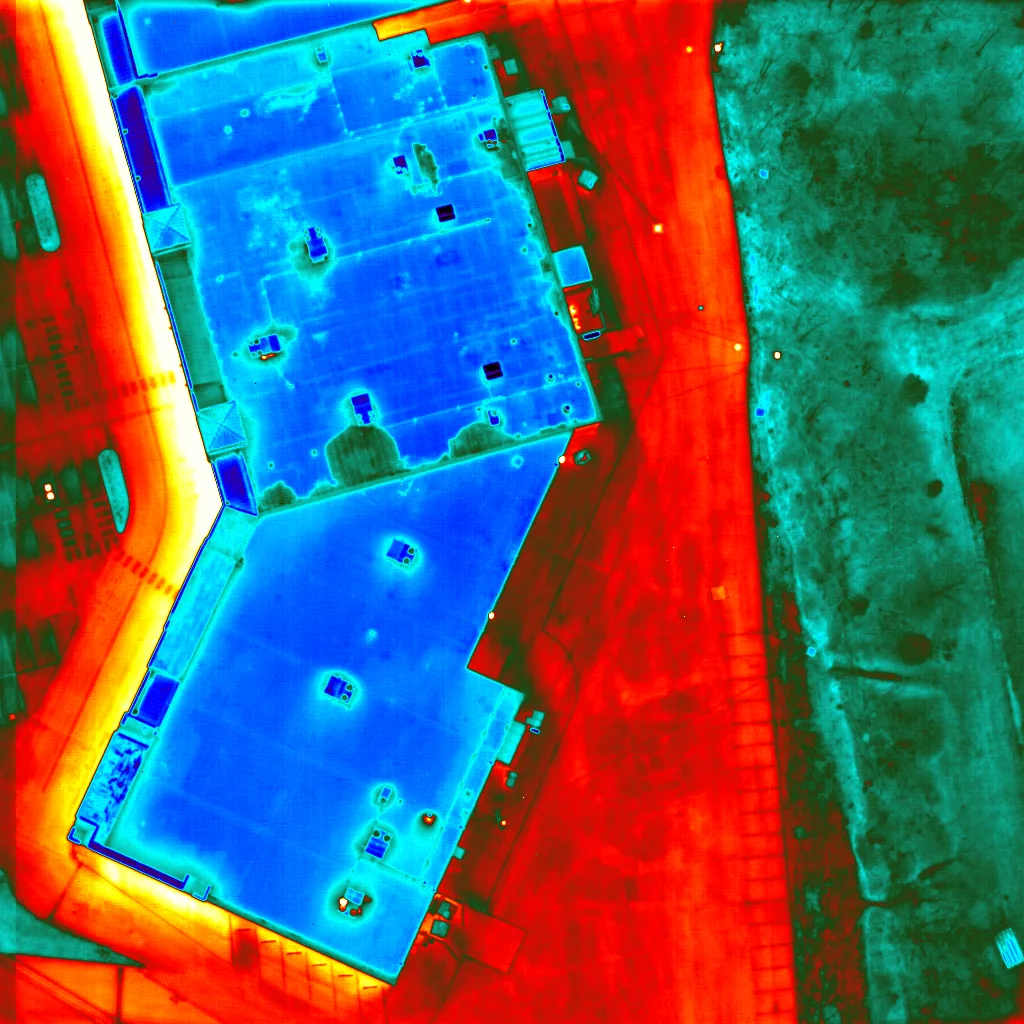
We shoot photos as we go and send them the same day. You get a short written recommendation with the photos attached, not a stack of pages. If the roof is dry but tired, we say so and tell you what to watch. If the insulation under the membrane is wet, an infrared moisture survey maps how far it runs before anyone talks about tear-off. That keeps the scope to the wet area instead of the whole roof.
We do not guess the roof type from the street. A building that looks like a single-ply roof may hold two layers of old membrane under it, and the cores and a ladder tell the real story.
School and Public Building Calendars
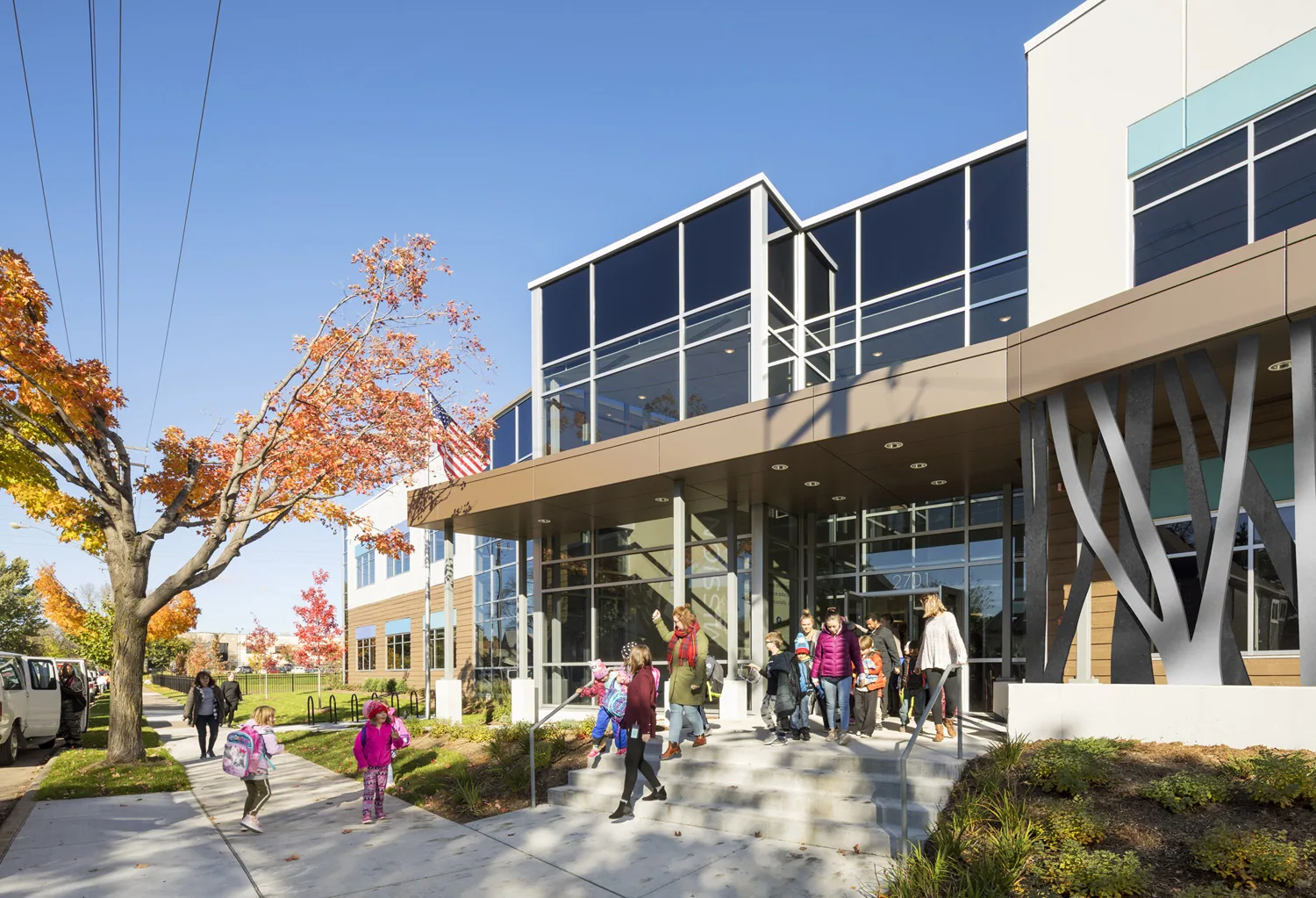
The Camanche Community School District serves the town's 9.66 square miles. A district office, a municipal building or a church hall all run on a calendar, and a reroof has to fit into it. Summer is the natural window for tear-off on a school building, when the halls are empty and noise bothers nobody. A council chamber or a church sanctuary has its own quiet days.
If you manage buildings for a district or a public body, ask for the schedule in writing before the first bid. Tear-off dates, crane days, tenant or staff notice, and the plan for debris all belong in it. A school roof is scheduled backward from the academic calendar, and the same habit carries over to any building with fixed hours. When the building has to stay open, the crew works in sections and closes each one at the end of the shift.
River Air and January Ice
A building near the Mississippi sees damp air most of the year. Damp air finds the cold side of a roof deck in winter and turns to water. Stains that appear in January and vanish in April rain are often condensation, not a leak, and the fix is ventilation or insulation rather than a patch.
Then there is snow. A Quad Cities winter drops better than three feet of snow, and January alone brings about ten inches. Davenport's record runs from 111 F in summer to -29 F in winter, so membranes and sealants stretch and shrink through a wide range. Ice builds at drains and along eaves, and sliding snow can take a gutter or a rooftop pipe with it. Where snow lets go over a door, edge metal and gutters are worth a look, and snow guards sometimes belong on the list.
Repair, Recover or Replace
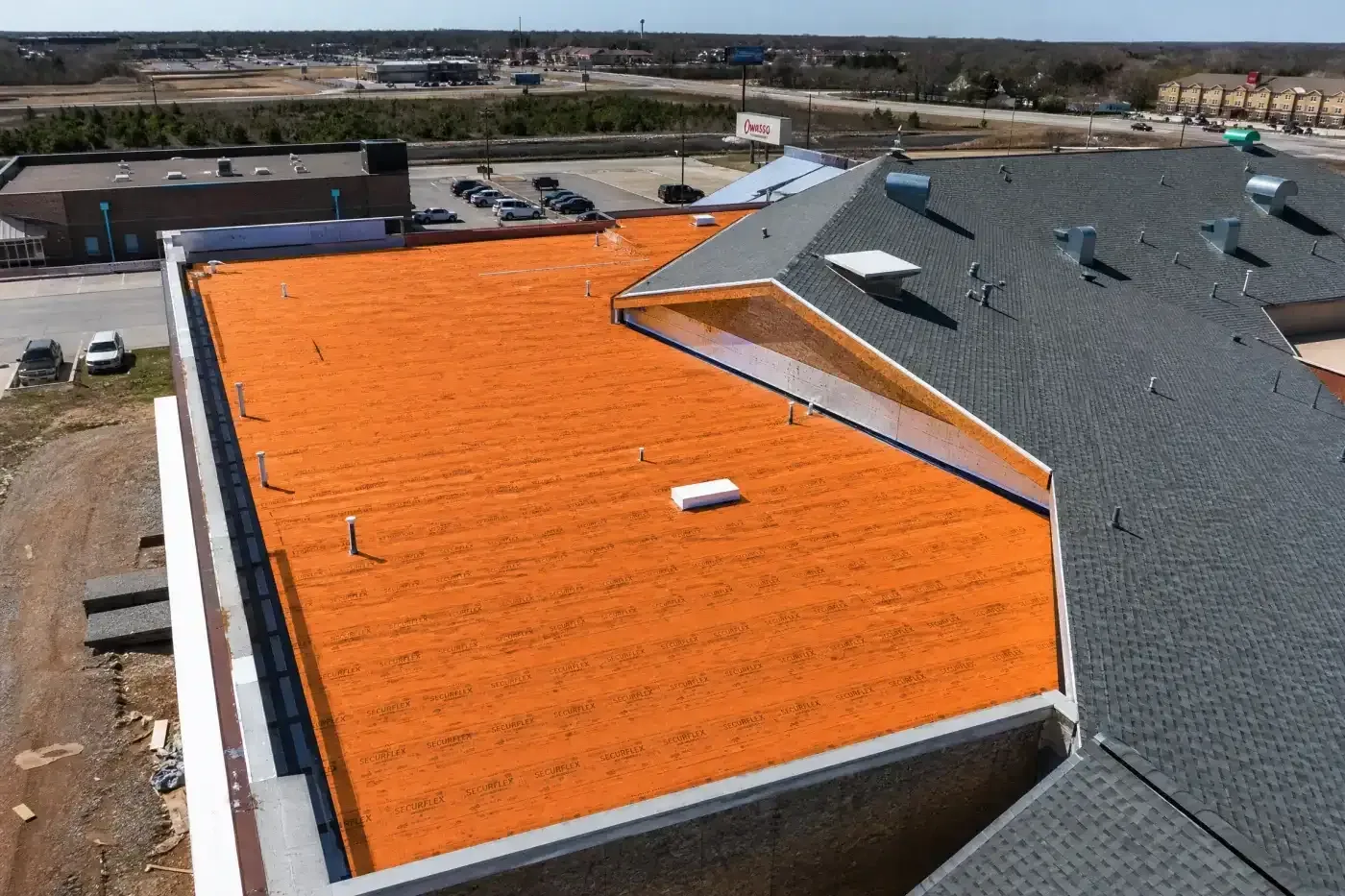
Three things drive the choice. How much insulation is wet, how many layers are already on the deck, and how long you plan to own the building. A dry roof with a few failed seams is a repair. A roof with sound insulation and a tired surface may take a roof recover or a coating. A roof with wet insulation across a wide area, or a deck that has softened, needs replacement.
Cost moves with access, crane time, disposal, the season, and how many sections the building needs. Winter work costs more and some adhesives will not cure in the cold, so a patch in January may be a holding pattern until spring. An owner who plans a reroof two or three years ahead can pick the quiet months and spread the budget. A routine preventive roof maintenance visit each spring and fall keeps that plan honest.
Owners coordinating service across Camanche and Clinton should still document each building’s access and operating calendar separately. The work order for Clinton starts with the same site-specific questions.
Send the Work Order
Send the address and the work order, or set a walkthrough with whoever holds the roof hatch key. We will go up, take photos and give you a plain recommendation.
Questions About Camanche
The stain on our ceiling shows up every January and disappears in spring. How do we tell condensation from a leak?
Watch the timing and the weather. A leak follows rain or melting snow, and the stain grows within a day. Condensation follows cold, still days and shows up as damp patches or frost along the underside of the deck. We check the insulation with an infrared scan, look at roof vents and exhaust, and then recommend either a repair or a ventilation fix.
Nothing leaked after the 2020 derecho, as far as we know. Is a wind check still worth scheduling?
Yes, because wind damage often hides for a season or two. Lifted edge metal, a seam that opened a quarter inch, or a fastener that backed out will leak only in the next hard rain. A walk around the perimeter and the rooftop equipment takes little time, and the photos give you a dated record for the building file or an insurer.
Our roof has two layers of old membrane and a metal edge that has rattled for years. What does a recover change?
A recover adds a new membrane over the existing roof, so the first question is whether the old layers are dry. We take cores and run a moisture scan. If the insulation is sound, a recover saves tear-off and disposal. The rattling edge gets replaced either way, since new membrane does little good against a loose edge.
A school board wants bids on a roof. What detail makes the bids comparable?
Ask every bidder for the same written scope: roof area, layers removed, insulation type and thickness, edge metal, and drain work. Then compare the schedule. A summer tear-off with clear dates and a debris plan is worth more than a low number with no calendar. We put the sections, the crane days and the handoff in writing.
Who should clear the drains between roofing visits?
Your maintenance staff can do it if they have safe access and a ladder or hatch they trust. Leaves and ice are the usual culprits, and a quick look after every storm is cheap insurance. We add drains to our spring and fall visits too, and we report anything that needs a repair or a larger drain.

Talk to a Davenport Commercial Roofer
Send the work order, the building address or a few photos of what you are seeing. We will set a walkthrough, go up with whoever has the hatch key, and tell you plainly what the roof needs.