
Commercial Roofing in Clinton, IA
Commercial roof repair, restoration and replacement in Clinton, IA, for plants, mills and rail-served industrial buildings, with storm and winter response.
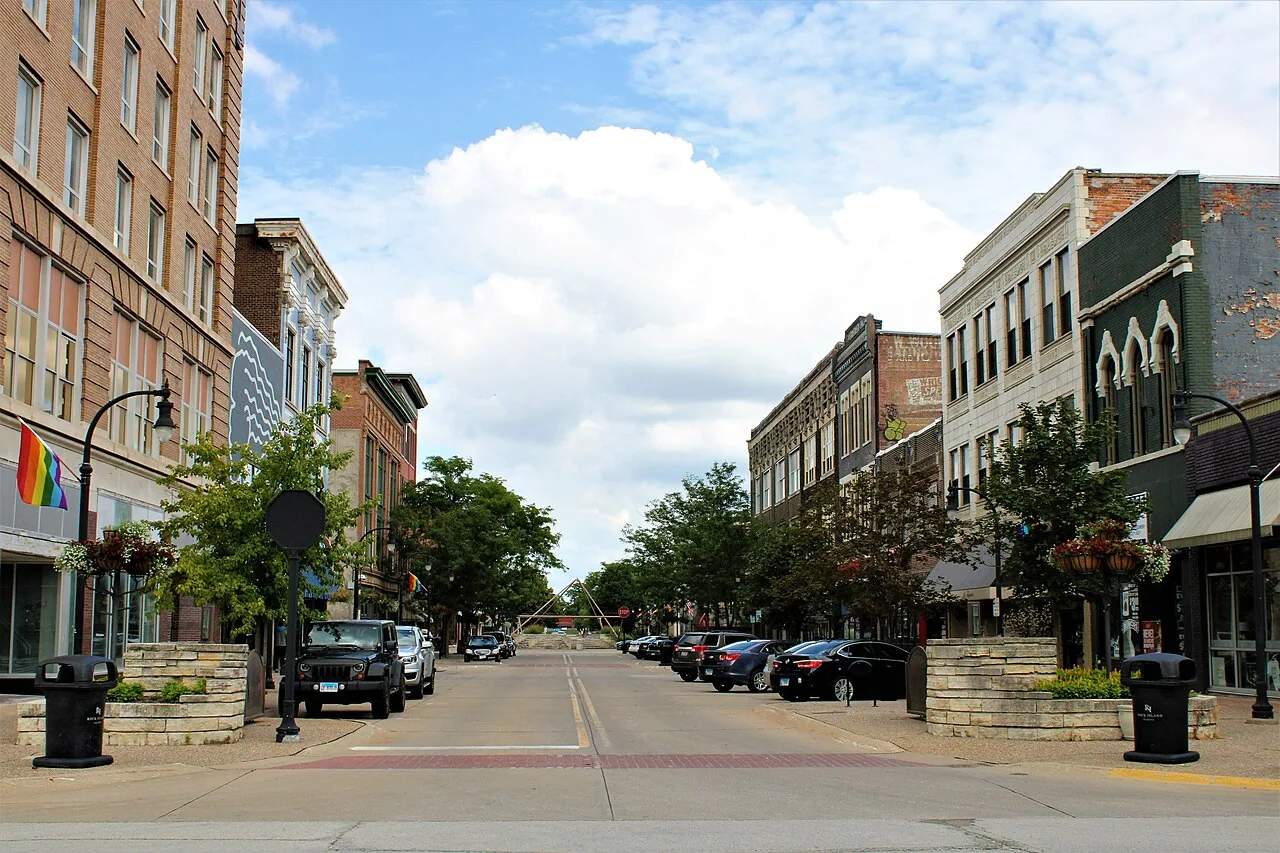
A rail-served industrial park runs on a switching schedule, and a roof crew has to fit around it. Clinton has that kind of ground. The Lincolnway Industrial Rail and Air Park received its site certification in 2016 with a dedicated Union Pacific spur, and the city's major employers include ADM, Nestle Purina, Timken, LyondellBasell, Big River Packaging and Atlas Roofing Corporation.
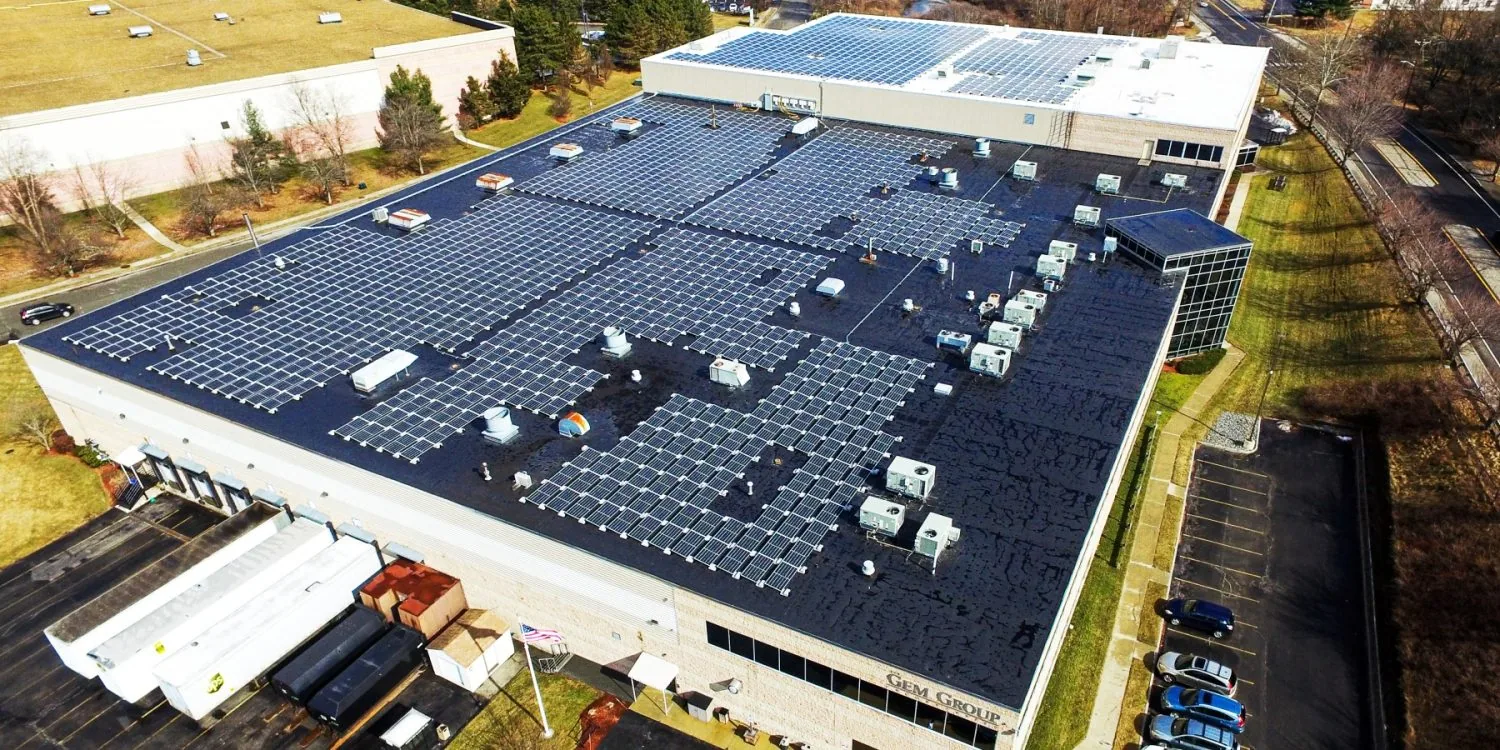
Repair, restoration, recover and replacement of low-slope and metal roofs make up our work, and industrial buildings like these reward planning more than speed. Before the lift arrives, we want to know where the tracks run, which dock doors stay in use, who holds the roof hatch key and when the plant can spare a section of roof. The drive to Clinton, IA is part of the plan too.
Working Near a Spur
Roofing next to active track has its own rules. Materials cannot be staged where a rail car might pass, a lift cannot swing across a crossing, and anyone on a roof near the line should know when switching happens. We settle the layout of the Lincolnway park with the property manager on the first call. Where is the spur in relation to the building? Which side takes deliveries? What are the plant's own rules for contractor access near the line?
Those answers set the staging plan. Rolls of membrane, insulation boards, adhesive and fasteners need a stable laydown area, and the delivery truck needs a path in and out that does not interfere with the dock. On a site with a dedicated spur, that usually means a short walk with the plant manager on day one and a marked-up site sketch before any material arrives. A low-slope building with dock activity beneath it, like any warehouse roof, needs its staging planned before the first pallet of insulation lands.
Mills, Plants and Packaging Roofs
Employers as different as ADM, Nestle Purina, Timken and Big River Packaging ask different things of a roof, and we read each building on site rather than assume from the name on the gate. The questions come first. Where processes give off steam, heat, dust or residue, what lands on the membrane, and does it clog the drains? Does the building hold moisture inside, so that condensation forms under the deck in winter? Are there washdown areas where water gets into walls and flashings?
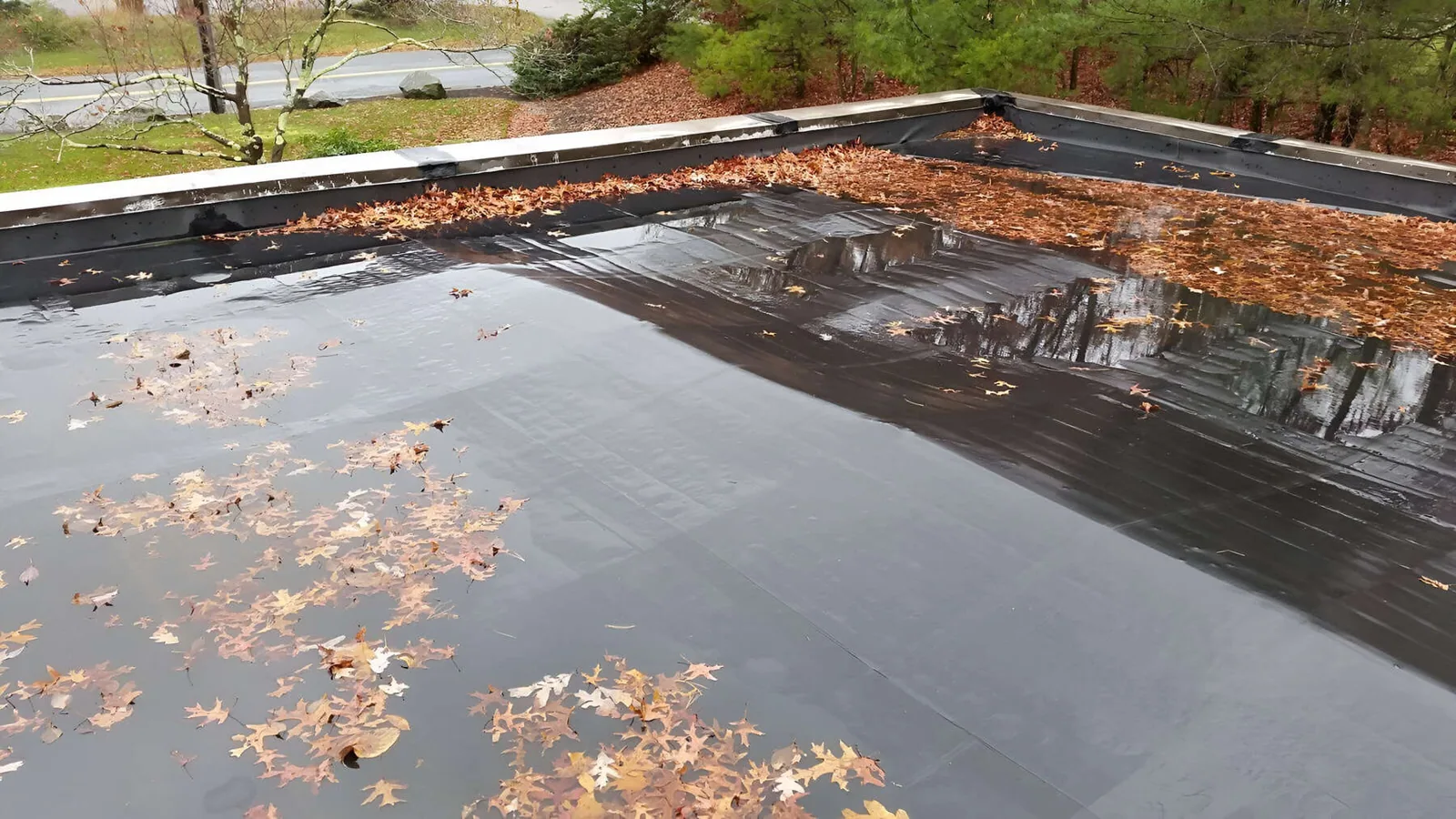
Dust and residue deserve more attention than they get. A drain buried in debris holds water on the roof, and a roof that holds water is a ponding water problem waiting to start. We clear drains first, check the slope toward them and look for stained membrane around vents. Where a plant's work makes the roof dirty or hot, a cleanable, heat-tolerant system and regular maintenance visits matter more than the original install date.
Storm and Winter Record From the Metro
The weather record here belongs to Davenport, IA and the Quad Cities, not to Clinton, and it shows what the region can send at a roof. In the August 2020 derecho, Davenport Municipal Airport recorded 86 mph. The July 2024 derecho sent winds as high as 100 mph across the region, and 10 tornadoes touched down in the National Weather Service Quad Cities area. Hail reports within 10 miles of Davenport's center number 133 since 2004, and the Quad Cities average over 36 inches of snow a year.
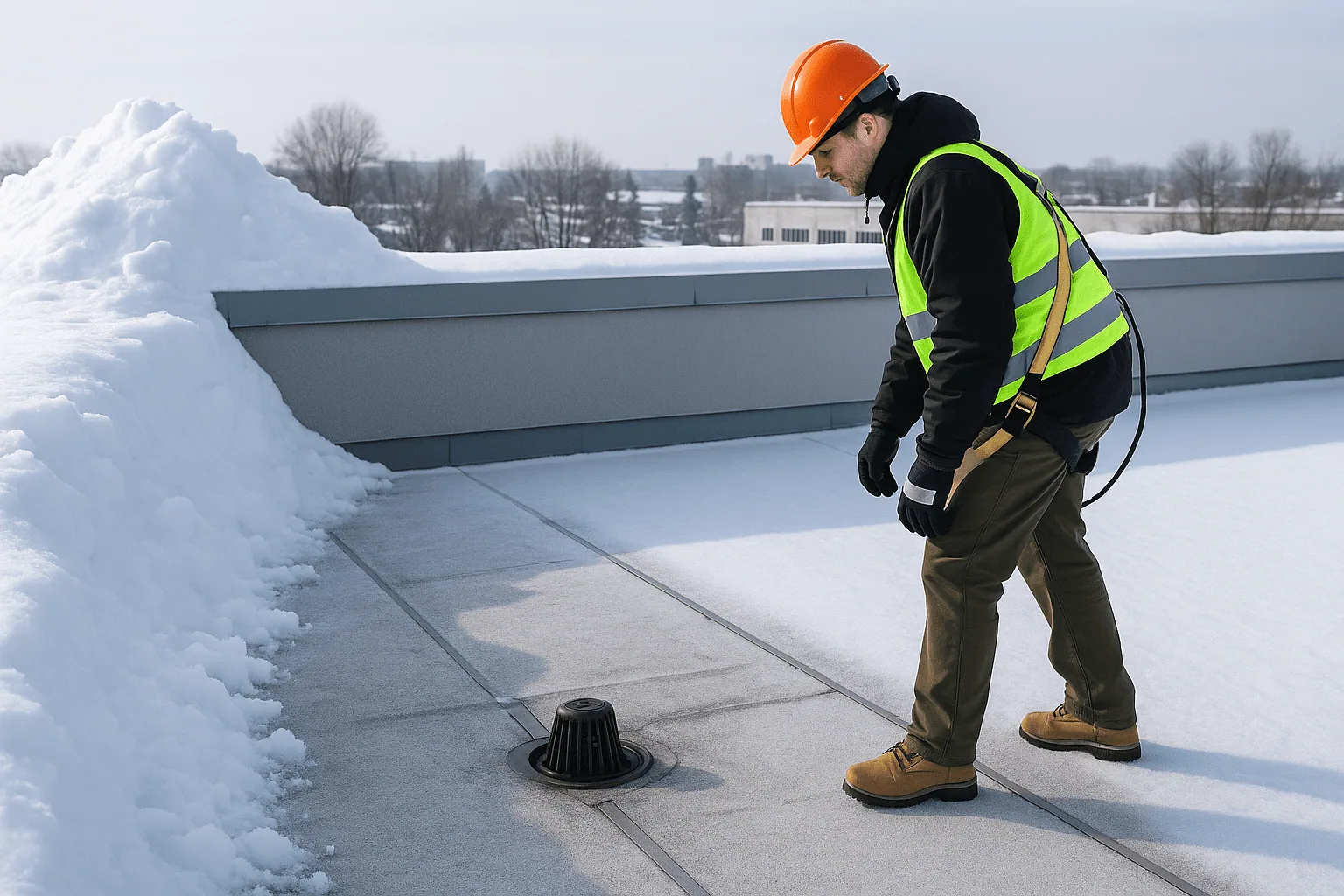
Each of those wears a roof differently. Wind works on edges and rooftop equipment. Hail bruises membrane and splits coatings. Snow loads the structure and, once it melts, feeds the drains with water that can refreeze at the outlet. After a storm we walk the whole roof, not just the spot where the stain appeared, and photograph every finding. On the winter side, a check for snow and ice roof damage begins at the drains and works toward the equipment.
Routes, Distance and Response
Clinton is served by U.S. 30, U.S. 67 and Iowa 136, and those routes are how crews, lifts and materials arrive. A site with a tight approach, a gated entry or limited turning room needs a delivery plan before the truck leaves the yard. We ask about gate hours, dock traffic and weight limits when we schedule.
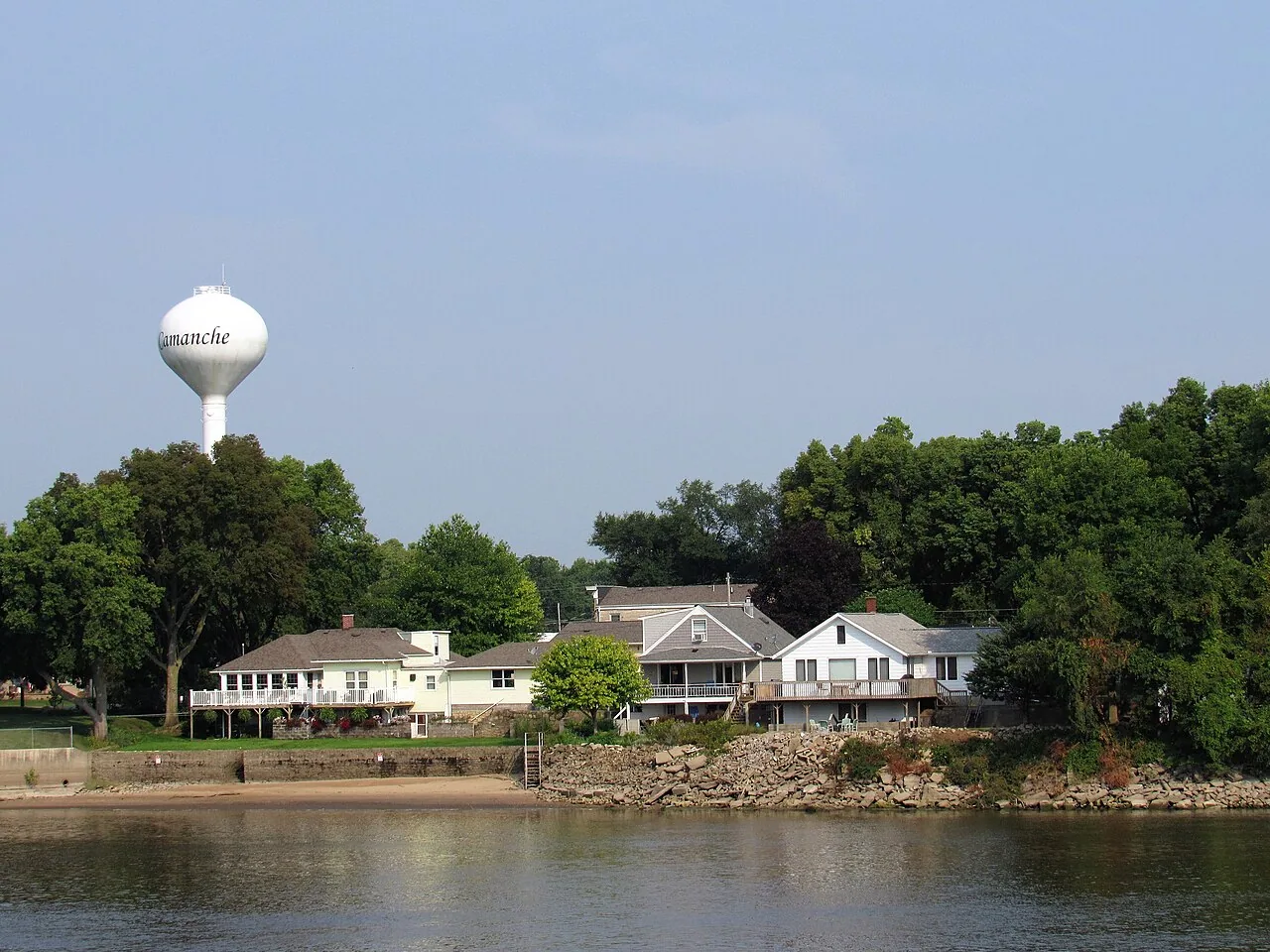
Clinton is 40 miles from Quad City International Airport. That is not close, so the load-out is planned before the call comes in. Emergency roof repair begins with a dry-in plan and materials matched to the building, so the first visit can protect the interior while a permanent scope is prepared. Permanent repair follows once the weather clears and the scope is agreed. An owner with buildings in Clinton and in Camanche can run one maintenance schedule for both.
The First Walk, in Order
We tell the plant manager what we are going to look at before we go up. In order, that is:
- Drains, scuppers and any area where water stays
- Perimeter edge metal and the flashing at walls and parapets
- Penetrations, units and curbs, especially near process vents
- Seams and field membrane, for blisters, cracks and open laps
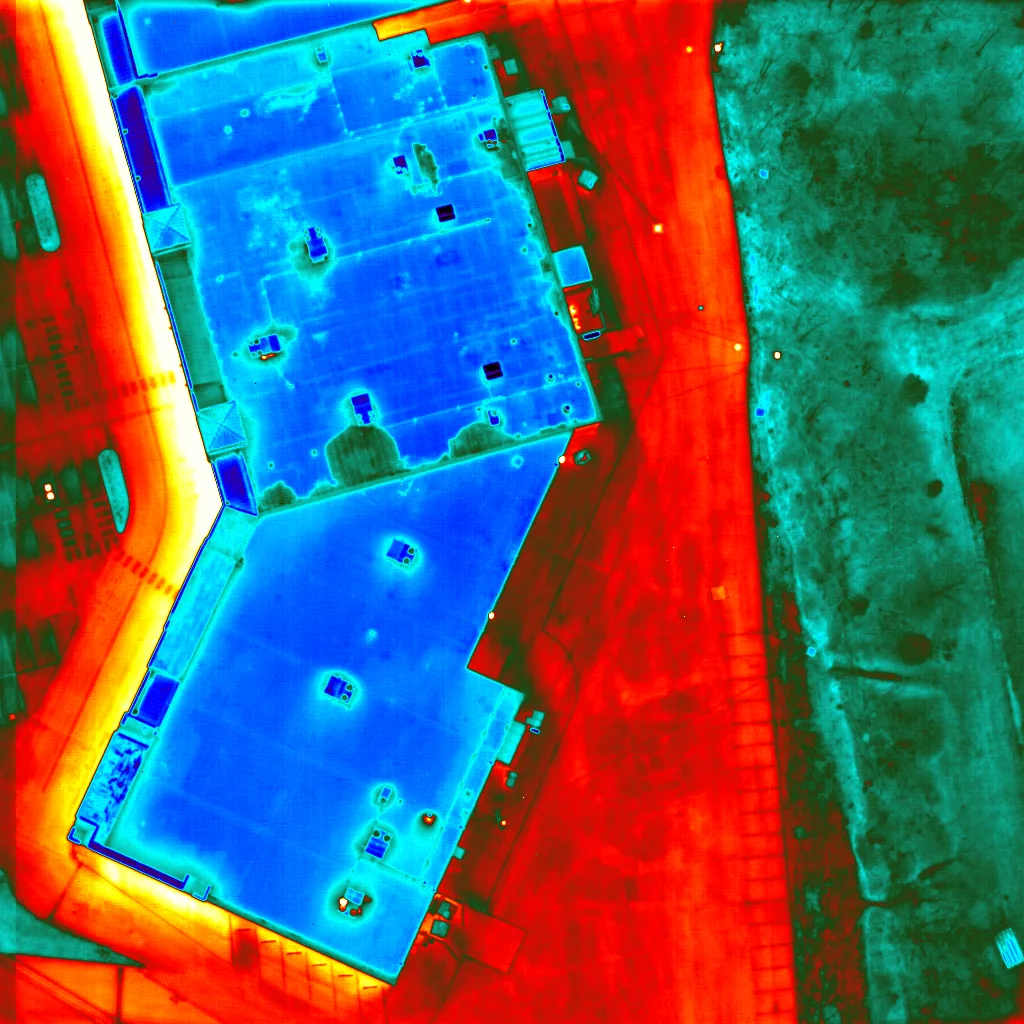
- Soft spots, which an infrared moisture survey can map when the surface looks dry
You get photos the same day and a plain recommendation: repair it, restore it or plan the larger job.
Scope, Cost and Calendar
Industrial roofs rarely cost the same twice. Wet insulation, deck condition, roof size, the number of penetrations and the sections a plant will release at once all change the number. Access across a rail yard or a busy dock adds hours. Cold weather limits what adhesives and coatings can do, so the better time for large work is the warm season, and the plan should start well before then.
A roof coating can extend a sound membrane when the insulation below is dry. Replacement makes sense when moisture has spread or the membrane has outlived repair. We put the options in writing with a recommendation, so a plant manager can take them to finance without translating.
For portfolios spanning more than one address, keep separate scopes and photo records; a roof in Downtown Davenport may need a different access plan, but its condition record should stay just as clear.
Send the Work Order or Set a Walkthrough
Send us the address, the plant contact and the shutdown window that suits you. We will set a walkthrough around your production schedule and your site rules, then come back with photos and a plain recommendation.
Questions About Clinton
Our building sits next to a rail spur. Does that change how you stage materials?
It does. We keep material and lifts clear of the track, plan the delivery route to avoid blocking the dock and ask about the plant's contractor rules near the line. A short site sketch agreed before materials arrive prevents most problems. If switching happens at fixed times, we schedule the noisy or crane-dependent steps around it.
Dust settles on our roof and the drains plug. How often should they be cleared?
Set the interval by what you see, not by the calendar. In the first year, check after any heavy dust period and after each storm, then adjust. A building with a lot of residue may need a clean-out every few weeks in some seasons. We can build that into a maintenance visit and log what we find each time.
Steam from the process side seems to be wetting the underside of the deck. Is that a roof problem?
It can become one. Warm, moist air that reaches a cold deck condenses and drips, and it looks like a leak. We would check exhaust routing, vapor barriers and insulation, then pair the roof walk with a look at the ventilation. Fixing the source is cheaper than replacing wet insulation again later.
What is the best time of year to schedule a replacement near Clinton?
Warm months give the widest cure window for adhesives and coatings, and they leave the winter free for emergencies. Start the planning in winter, though. Estimates, material lead times and plant approvals take time, and a roof that fails in February cannot always wait for June.
A past storm left a few patched spots. Who tracks those?
We do, if you hand us the history. We photograph the patches, mark them on a roof plan and recheck them at each maintenance visit. That keeps a small repair from turning into a bigger one.
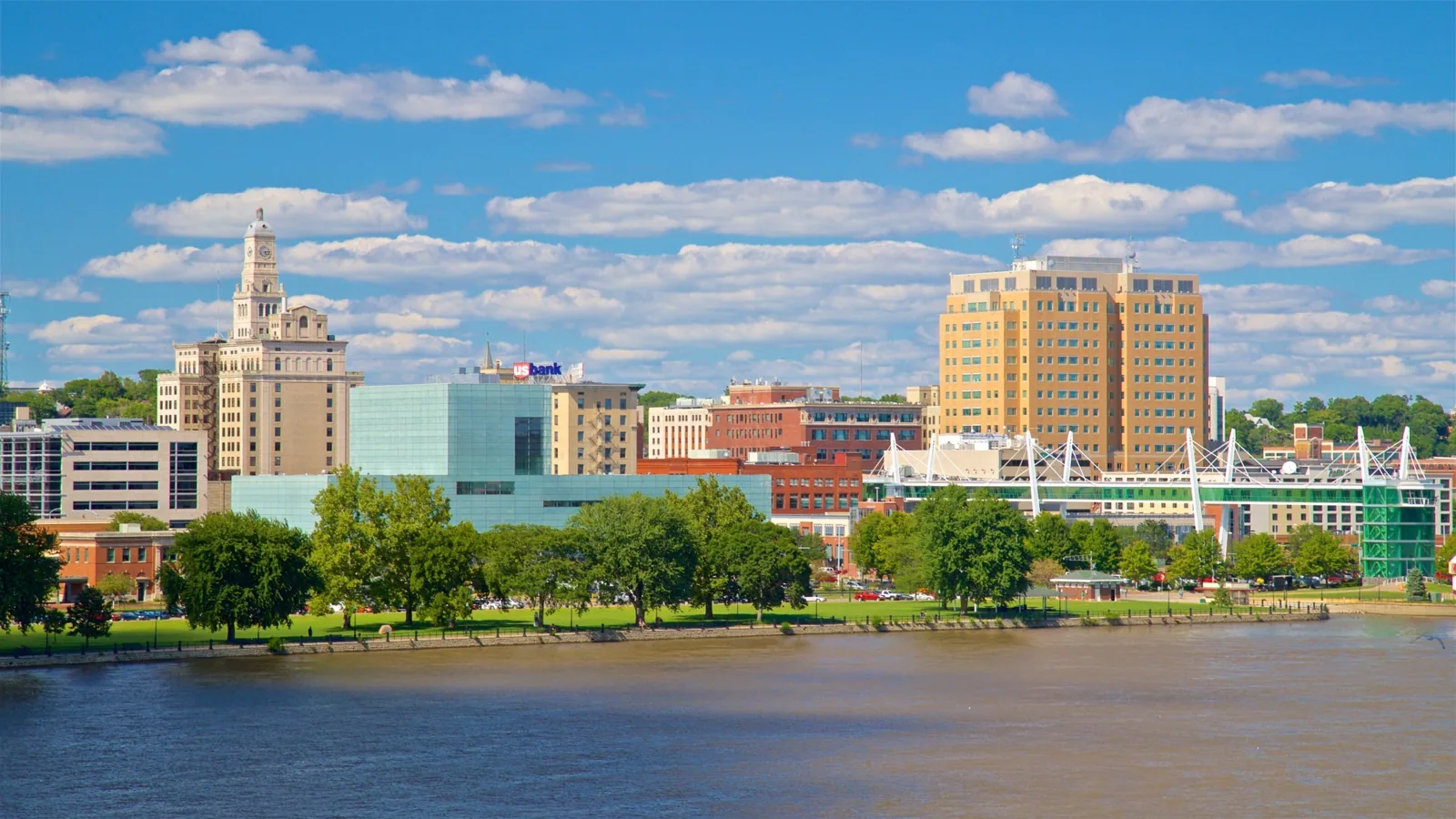
Talk to a Davenport Commercial Roofer
Send the work order, the building address or a few photos of what you are seeing. We will set a walkthrough, go up with whoever has the hatch key, and tell you plainly what the roof needs.