
College and University Roofing in Davenport, IA
Campus roof surveys, repair and replacement for college and university buildings in Davenport, IA, scheduled around terms, labs and move-in weeks.
The facilities planner has a spreadsheet with one row per building and one column nobody trusts: roof age. Half the cells say unknown. The other half show a year that probably came from the last time somebody paid for a patch.
College roofing in Davenport, IA starts by fixing that column. We walk each roof, pull cores where the answer is not obvious, and hand back a report the capital committee can read in one sitting. After that the work is sequencing: which buildings can be done in one summer, which ones need to wait for a bigger budget, and which ones just need a drain cleaned before November.
A Campus Built One Decade at a Time
A campus roof portfolio reads like a timeline. The original hall carries one system, a later addition another, and the newest lab a third. The oldest problems tend to sit where two of them meet, at a tie-in nobody owns.
Palmer College of Chiropractic has its main campus on Brady Street in Davenport and has reported about $35 million in campus improvements over five years. Any campus improvement program touches roofs whenever it adds rooftop equipment, moves a wall line or cuts a new penetration. Each one is a fresh place for water to find a gap, and each one should be flashed and recorded by the trade that made it.
We build the survey by building and by roof level. Older sections get a closer look at fasteners, flashing height and insulation. Newer sections get checked for what went wrong during the last project: a cut membrane, a loose cable pull, a unit set without a curb.
Term Dates and Move-In Weeks
The academic calendar is the real project schedule. Finals week is closed to noise. Move-in week is closed to anything overhead. Commencement is closed to everything near the main lawn. That leaves a summer window, a smaller one over winter break, and weekends in between for emergency work.
We ask the facilities office for the calendar before we price. Then we work backward from the dates that cannot move. Residence halls come first, because they fill first. Academic buildings follow, with the loudest steps, such as tear-off and fastener work, pushed to hours when classes are not in session. Residence life gets a written notice before work starts above their floors, the same way a property manager would send a tenant notice.
Snow sets the outer edge. Snowfall in the Quad Cities tops 36 inches in an average year, and a tear-off that is still open at Thanksgiving is a risk nobody planned for. We keep the dry-in date in the schedule from day one.
Labs, Kitchens and Rooftop Exhaust
Science buildings and dining halls put the hardest chemistry on the roof. Fume hood exhaust, kitchen exhaust and boiler flues all discharge near the membrane, and some materials do not like what comes out. Grease and solvent vapor soften certain single-ply membranes over time, and the damage shows up as chalking, swelling or seams that lose their grip.
Where the exhaust is heavy, a PVC system is often a better match, since it resists oils and many chemicals that attack other membranes. We look at the discharge points first, then size the walk pads and flashing around them. Skylight and penetration flashing gets a second look too, since lab and library roofs often carry plenty of both.
Research in progress changes how a leak is handled. We ask the lab manager which rooms cannot be opened and where equipment sits under the roof deck. Then we stage the repair around those rooms and cover what we cannot move.
Trees, Hail and Storm Debris
Mature trees are an asset on a campus and a hazard to the roofs around them. Leaves clog drains, limbs scrape membrane and seed pods collect in corners. Gusts in the July 2024 derecho reached 100 mph in places, and the storms downed trees and power lines on Brady Street near 37th Street. On a campus full of mature trees, limbs from a storm like that land on roofs before anyone checks the membrane under them.
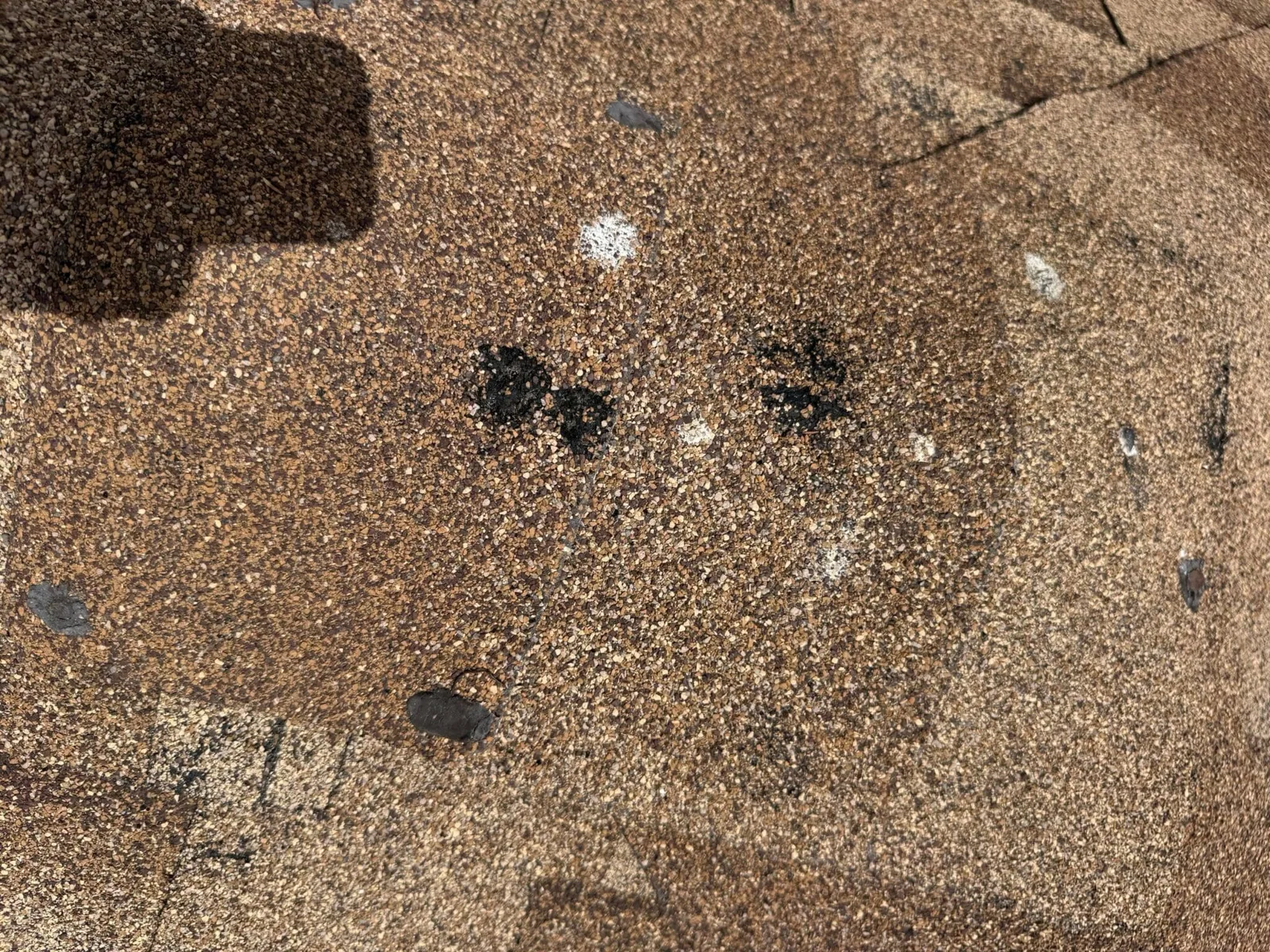
Davenport Municipal Airport recorded an 86 mph gust in the August 2020 derecho, and damaging wind kept up for 30 to 60 minutes over the area. Hail adds its own damage. Davenport saw 2 inch hail on April 7, 2020, and hail does not need to leave a hole to cost a roof its remaining years. Bruised membrane and cracked insulation board are enough to shorten life. Documenting hail damage roof by roof means the insurance conversation starts from photographs, not guesses.
Reports a Capital Committee Can Use
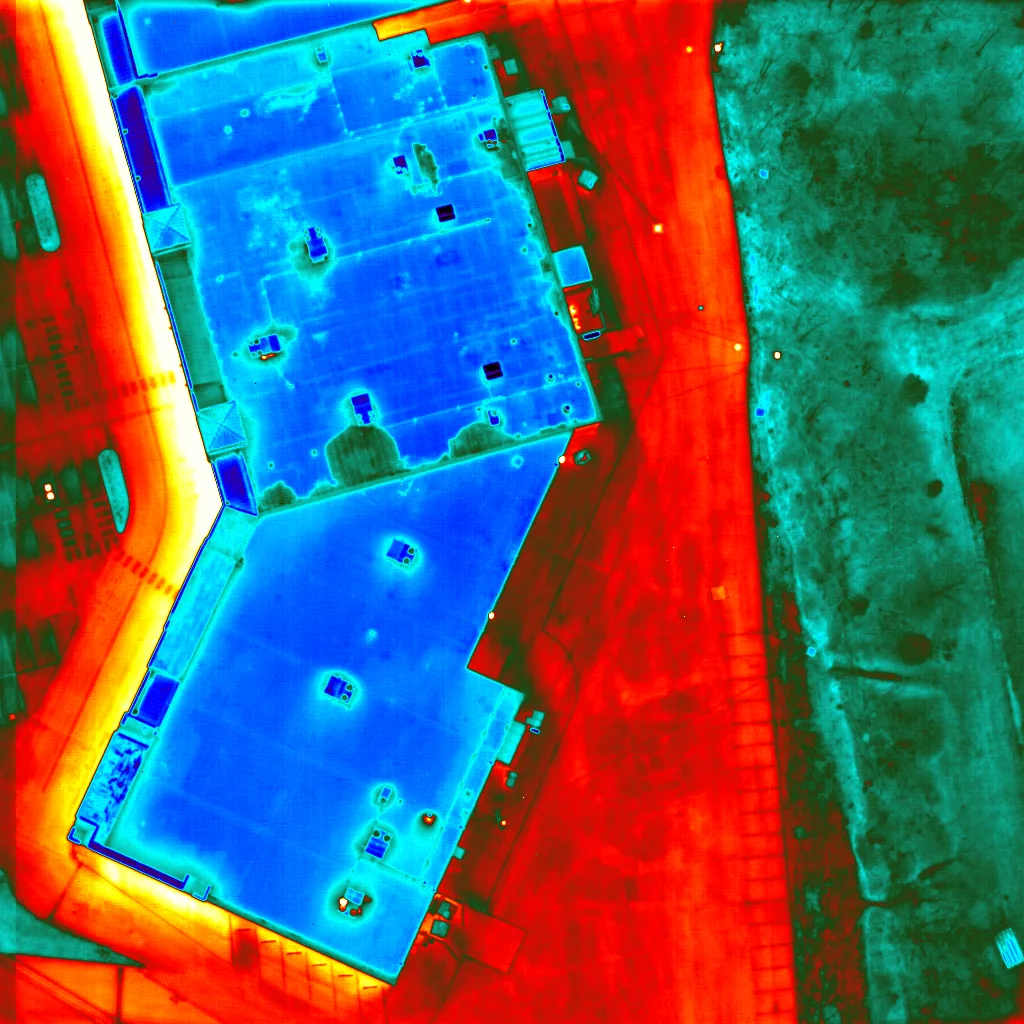
A trustee asks why a roof is being replaced at fifteen years old. A facilities director needs a better answer than the date on the contract. Age is a weak predictor of roof life. Condition is the real one, and condition is something we can measure: wet insulation from an infrared moisture survey, ponding depth, seam condition and how much the membrane has weathered.
Each roof in a roof condition report gets a photo log, a plain rating, a repair-or-replace call and a suggested year. The set ends with a sort order the committee can put straight into a budget. Some roofs will say repair this year. Some will say plan for three years out. A few will say replace now, and the report shows the evidence.
Living Buildings, Working Roofs
Campus buildings are nearly always occupied, so the methods of occupied building reroofing carry over directly: staged sections, protected entries, interior drip control and a named contact on both sides. A library keeps its hours. A residence hall keeps its quiet times. A dining hall keeps serving.
The same walkthrough habits apply to a K-12 school and to an office building, but a campus adds the most moving parts. Departments, contractors and research affect campus roofs. Keep one current roof file shared with keyholders.
Occupied storefronts near campus may share access constraints with properties along the Brady Street corridor.
Send the Building List or Set a Walkthrough
Send us the building list, the roof drawings you have or the last report that mentioned a roof. We will set a walkthrough with your facilities lead and come back with a plain, building-by-building recommendation.
Questions About College and University Roofing
Our residence halls are empty only from mid-May to mid-August. Is that enough time?
For most single buildings, yes, if the material is ordered in spring and the scope is final before commencement. We split bigger halls into sections and work them one at a time, with the dry-in date set well before fall move-in. If a hall is too large for one summer, finishing the first half and the second half the next year beats rushing and leaving a bad seam.
A trustee asked why we are replacing a roof that is only fifteen years old. What do we tell them?
Tell them the roof is replaced on condition, not on age, and show the cores. Wet insulation, a membrane that has lost its flexibility and ponding that has been standing for years all cut life short. A fifteen-year-old roof with wet insulation is finished. A twenty-five-year-old roof that stays dry can run longer.
Facilities wants to add rooftop equipment next year. Should the roof wait?
Do the roof first if it is near the end of its life. New curbs and supports set on an old roof get torn out and reset when it is replaced, and the flashing around them is the weakest part of any new roof. If the roof has years left, set the curbs now, flash them properly and record the work.
How do you handle a leak over a lab with research running?
We ask for the lab manager first. They tell us which rooms cannot be opened, which equipment is sensitive and where a drip would do the most harm. We make the roof tight from above, with a temporary patch if needed, and let the permanent repair wait for a window that suits the lab. Interior protection goes in only with the lab's approval.
Does hail with no visible holes still matter for a claim?
It can. Bruised membrane, fractured insulation board and cracked coatings may not leak the same day, but they shorten the roof's remaining life. We photograph and mark impacts, take cores where we suspect hidden damage, and put the findings in writing so your adjuster and your board both see the same record.
Talk to a Davenport Commercial Roofer
Send the work order, the building address or a few photos of what you are seeing. We will set a walkthrough, go up with whoever has the hatch key, and tell you plainly what the roof needs.