
Soprema Commercial Roofing in Davenport, IA
Soprema SBS modified bitumen and liquid flashing for Davenport, IA historic masonry, government and industrial roofs: torch-free options, repair and winter.
The facilities engineer reads a bid that says torch-applied and writes a question mark in the margin. The building is old limestone. The roof edge is crumbling, and the fire marshal has opinions about open flame.
Soprema is the maker she wants to talk about next. It is best known for SBS modified bitumen, the layered asphalt-and-polymer roof, and it sells that membrane in three install methods: torch, self-adhered and cold-applied. It also makes liquid flashing resins and insulation. For a historic or tightly controlled building in Davenport, IA, that range of methods is the reason to look. We install Soprema systems and repair the ones already up.
Torch, Stick or Cold-Applied
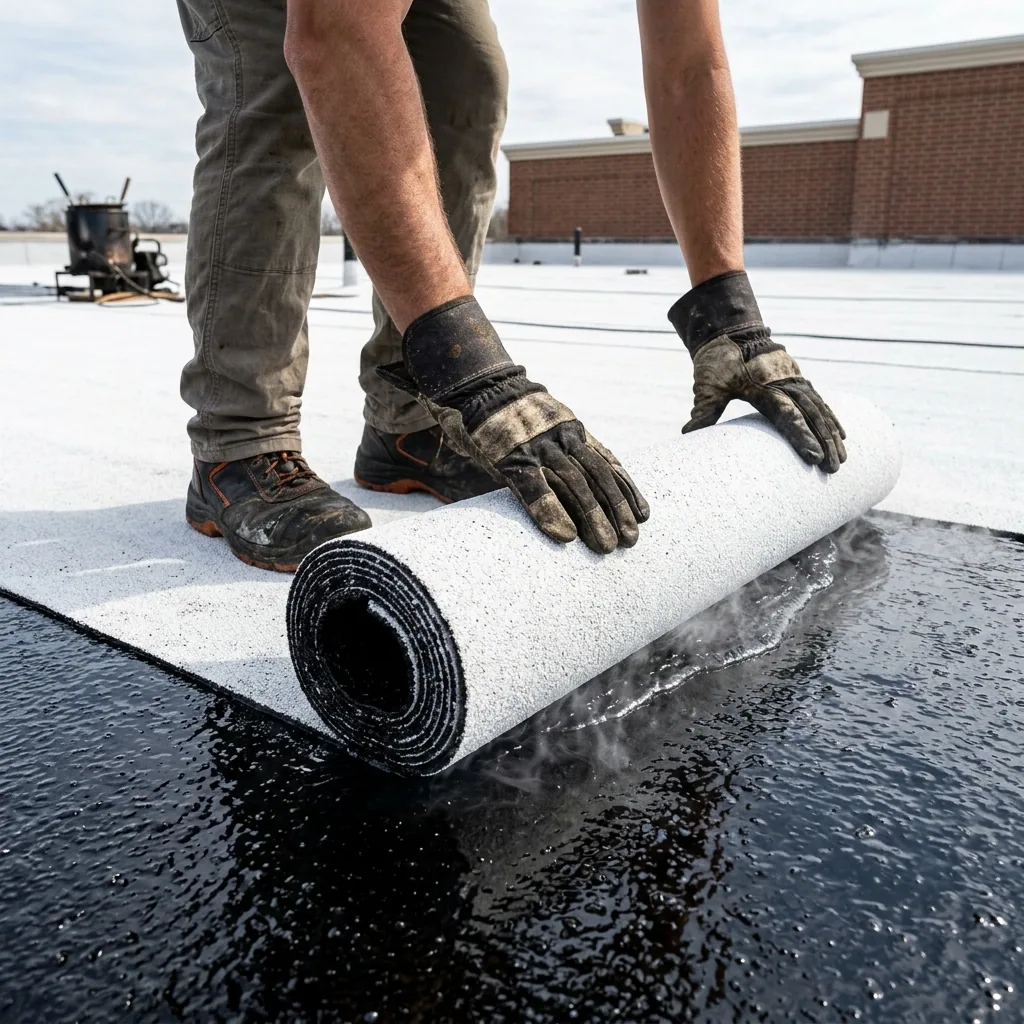
Sopralene Flam rolls are the torch-applied sheet. A propane torch heats the underside until the asphalt flows, and the roll is pressed into place. Sopralene Stick rolls are self-adhered, with a peel-off backing and no flame. Colphene adhesives give a third route, in which a cold adhesive bonds the sheets in layers.
Each suits different places. Torch work is fastest and makes a tight bond (GAF's Ruberoid line is built the same way), but it requires a hot-work permit, fire watch and a careful look at every combustible detail near the roof. Self-adhered and cold-applied systems are slower and weather-sensitive. We choose the method that matches the building, the schedule and the fire marshal, and then stage the crew to suit it. Beneath the membrane sit polyiso boards such as Sopra-ISO and a cover board, which carry foot traffic and hail.
Why SBS Fits a Cold Swing
Thermometers in Davenport have read as low as -29 F and as high as 111 F, and an average Quad Cities year brings over 36 inches of snow. A membrane that lives through that range has to stretch in cold weather and recover in summer. SBS modified bitumen does that by adding rubber-like polymer to asphalt, so the sheet flexes where a plain asphalt roof would crack.
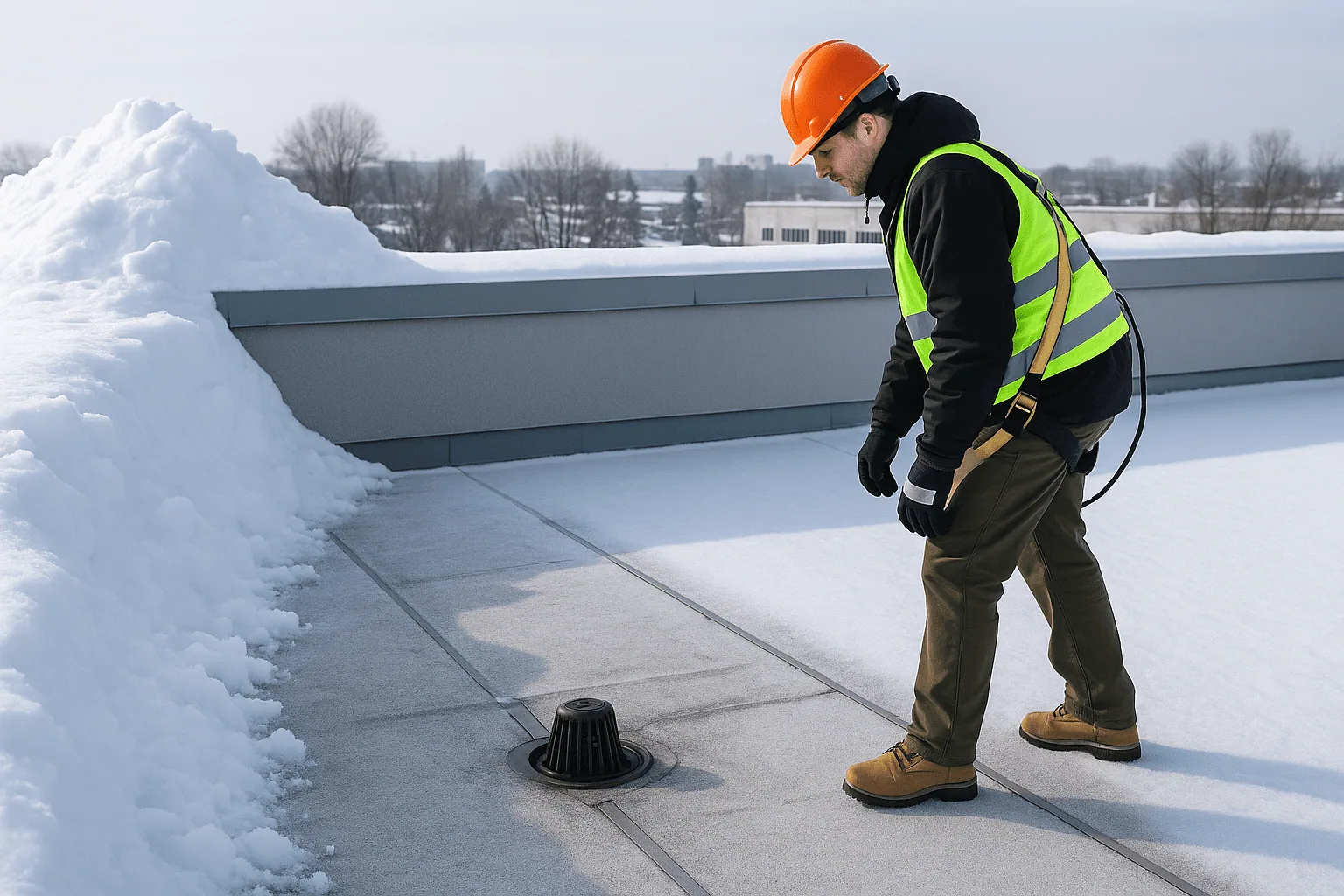
The cap sheet gets a mineral granule surface, which protects the asphalt from sun and from the abrasion of ice and shovels. We still ask snow crews to leave a layer on the roof. The usual winter failure is at the drain: ice dams at the bowl, meltwater backs up, and the first laps give way. When snow and ice damage shows up on a roof of this kind, the cause is more often drainage than the sheet.
Limestone, Brick and the Torch Question
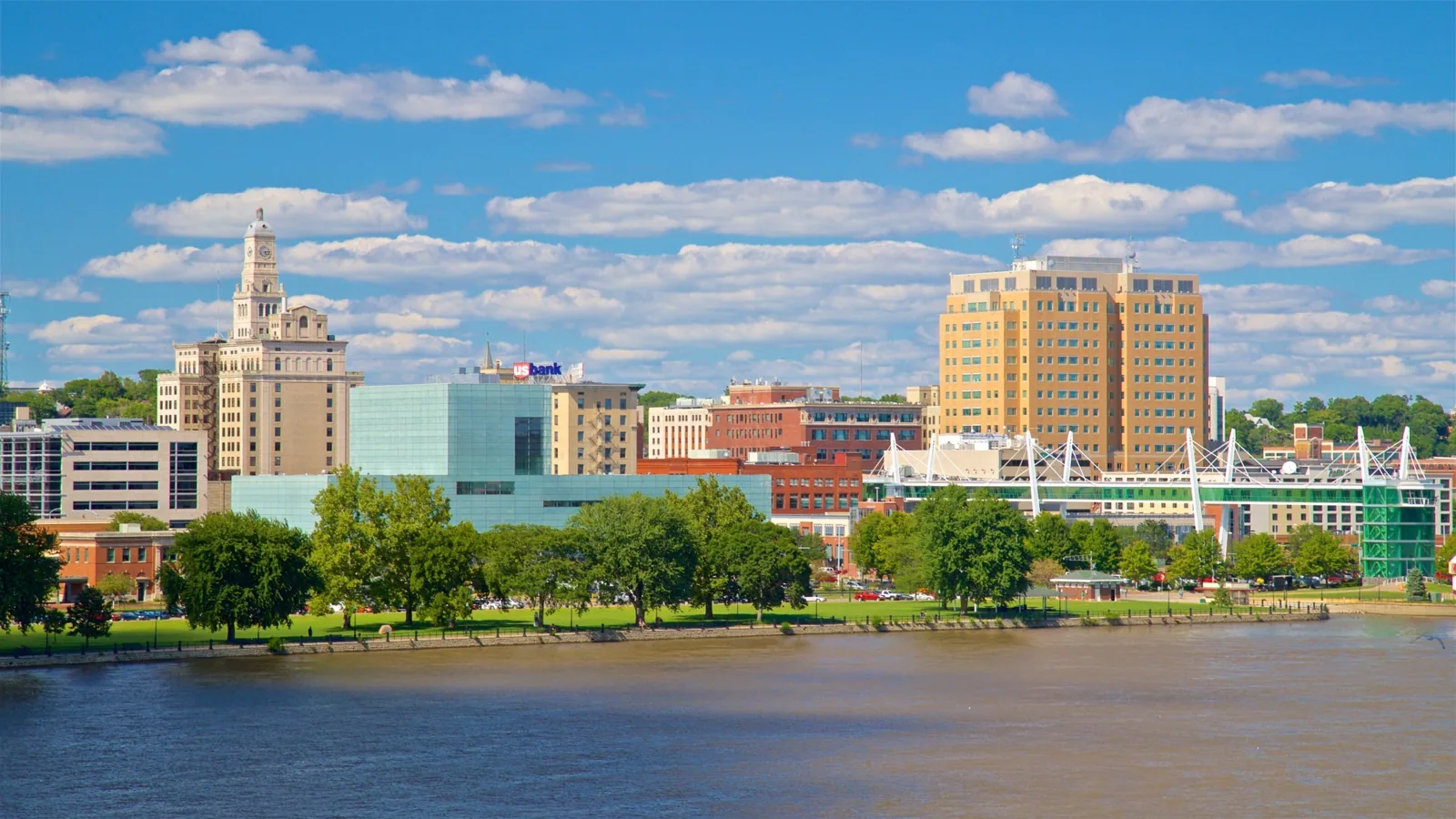
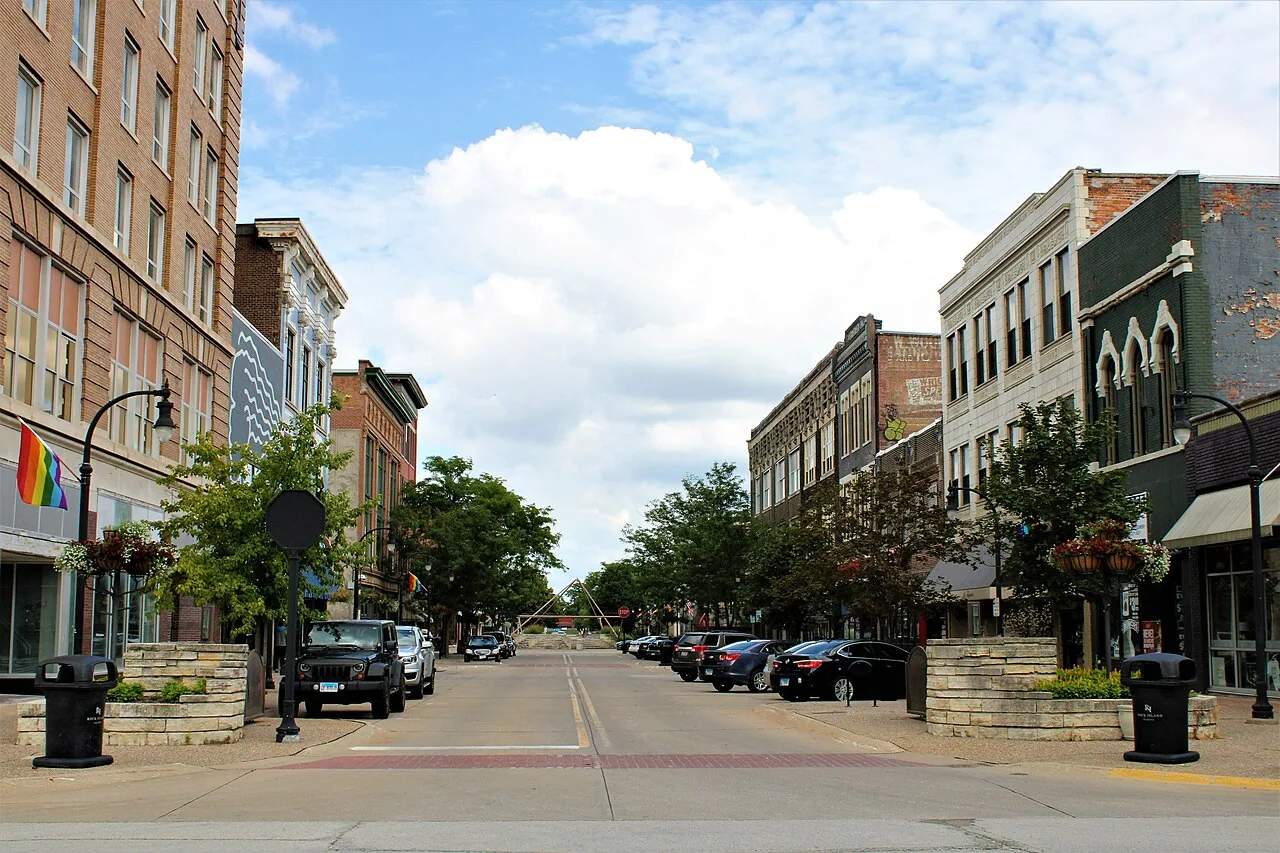
The old downtown blocks include Union Station from 1924, the Hotel Blackhawk of 1914 and the Art Deco Adler Theatre building of 1931. Across the water, the Arsenal's first limestone shop buildings from the 19th century earned National Historic Landmark status in 1989. Roofs on old masonry often have timber, parapets and cavities that an open flame can reach.
On a job like that, we lean toward self-adhered or cold-applied rolls, and use torch only at details with a fire watch and an inspection after. Before any hot work, we check the parapet cap, the cavities in the wall and the framing below the deck. Downtown Davenport is historic masonry under mostly low-slope roofs, and the flashing up the wall is where the new membrane earns its keep.
Liquid Flashing for Crowded Roofs
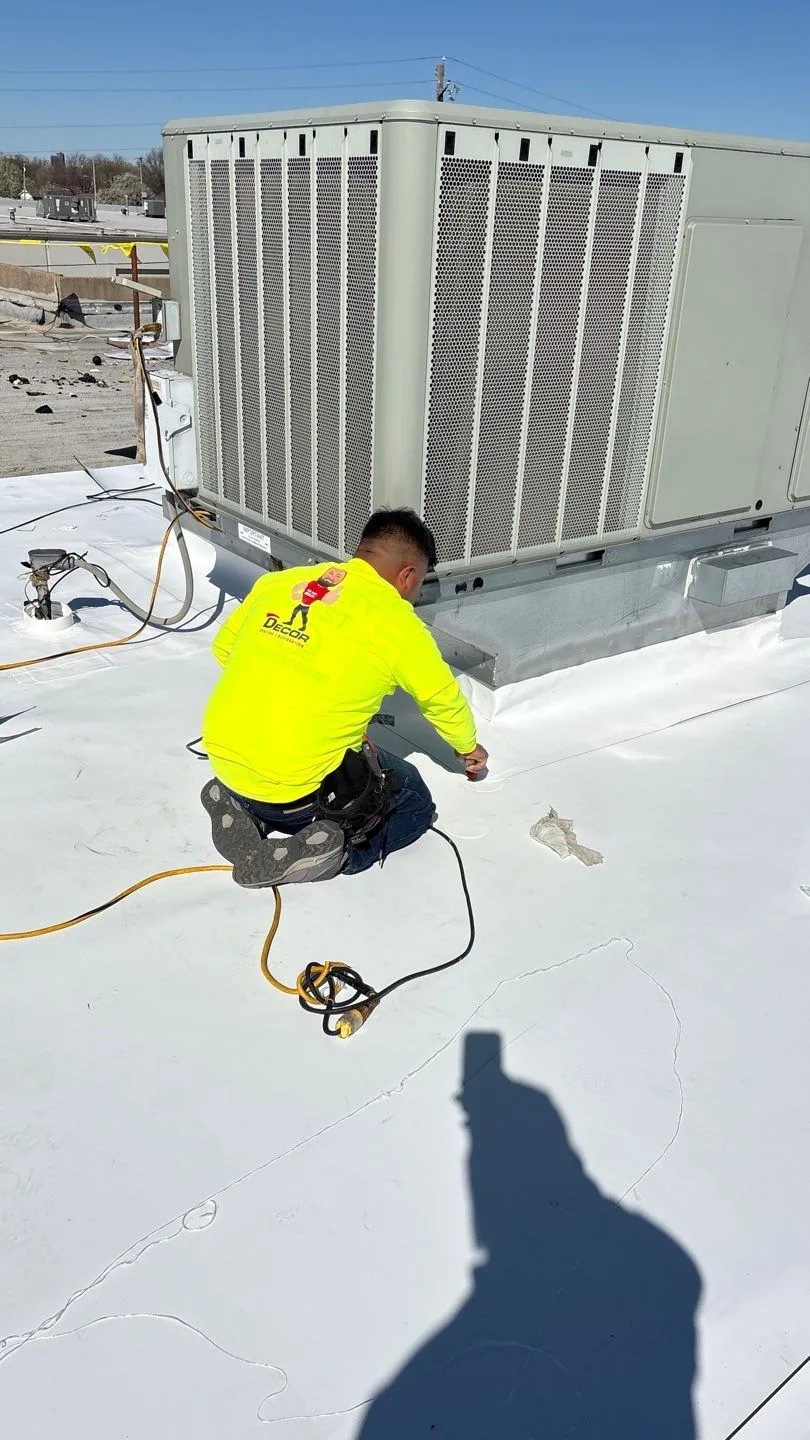
Some roofs are all details. Pipes, conduit, support rails, old curbs and abandoned equipment mounts make a torch or a cut sheet awkward. Soprema's Alsan liquid resin flashing is poured or rolled around those objects and cures into a continuous, flexible skin. It is meant to bond to many substrates, including old membranes, metal and masonry.
We use it at stacks, crowded penetrations and odd shapes, then finish the field with a roll. A fresh flashing around a skylight or pipe removes the single seam most likely to move. The resin needs a dry day and a clean surface, so prep takes more time than the pour does.
Rules Inside the Arsenal Gate
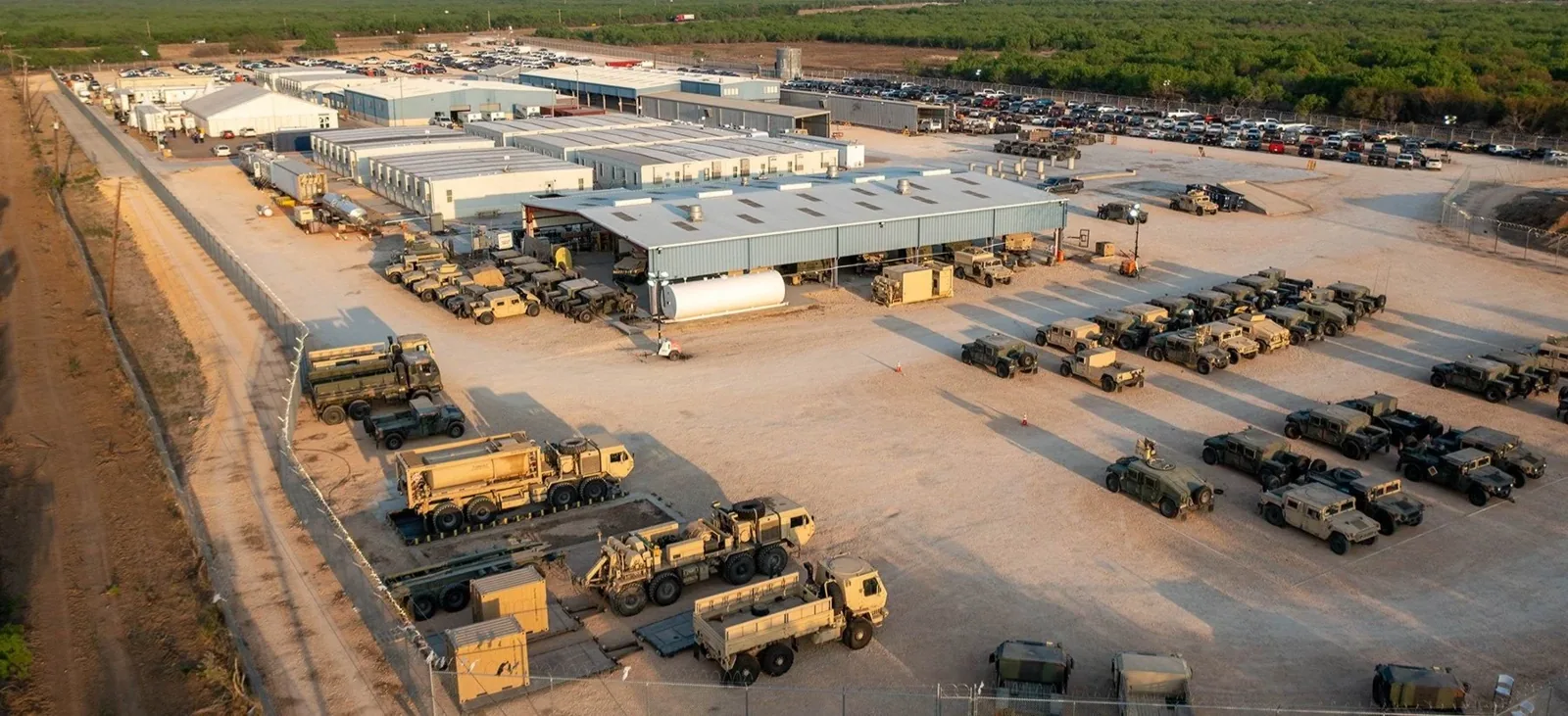
Rock Island Arsenal covers about 946 acres of an island between Davenport and Rock Island, with more than 80 tenant organizations and over 6,000 military, civilian and contractor personnel. Its Joint Manufacturing and Technology Center runs a foundry, and the Woodson Health Clinic is in Building 110.
Roof work on an installation follows access and escort procedures, badging and the mission calendar. Roofing is generally built to the Unified Facilities Criteria for roofing, with documents, photos and handoff papers that match. On installation roofing work, that means a pre-work meeting, a material staging plan approved by the escort and daily closeout photos. The same habits apply across an Army installation, from barracks to shop halls.
Blisters, Laps and Failing Flashings
Mod bit roofs fail in familiar spots. Blisters form where moisture and heat trap air between plies. Laps open where the bleed-out at the edge was missed. Flashings pull away from the wall because the termination bar loosened. None are mysteries.
We cut a blister open, dry it, and rebuild with new plies. For laps, we clean and re-heat, then weld the edge. For flashings, we re-fasten, add a new termination and reseal the top. Where a roof has more than one failing zone, we map them and price a section replacement or a JM or Soprema recover. The map and the photos stay in the file for the next walk.
Soprema offers systems across membranes, modified bitumen and liquid-applied products, so the assembly choice should follow the deck and project details. We review substrate preparation, primer compatibility, reinforcement at transitions and how the selected layer handles foot traffic. On restoration work, adhesion testing can identify areas where old coatings or contamination prevent a reliable bond. The written scope names the chosen system components and separates roof repairs from drainage or structural work outside that assembly.
Send the Bid or Set a Walkthrough
Send the roof drawing, the bid with the torch question or the work order. We will go up with your facilities lead, check the edges and the details, and give you a plain recommendation. For an emergency opening, share the roof access details and photos so temporary protection can be scoped.
Questions About Soprema Commercial Roofing
Our building is old brick with timber beneath the roof. Can we avoid a torch entirely?
In most cases, yes. Self-adhered and cold-applied rolls cover the field, and liquid flashing handles the details that would otherwise need a flame. We still check the deck and the parapet from below before choosing, because a hidden cavity can change the answer. If torch has to be used at one detail, we run a fire watch long after the last pass.
How long can a modified bitumen roof wait before it needs replacing?
Judge the roof by its condition, not a number. Look at the granule loss, the lap edges, the blisters and the flashings. A roof with sound plies and dry insulation can go on for years with repairs. A roof with wet boards or widespread cracking is nearing the end. A core and a moisture scan give you the facts.
Does a snow load hurt a mod bit roof?
Weight matters more to the deck than to the membrane, and the deck was designed for it. What hurts the sheet is the shovel and the ice at the drain. We mark drains and curbs before winter, ask snow crews to leave a layer on the roof and clear drain bowls before the first hard freeze.
What paperwork do we need to start roof work at the Arsenal?
Expect a request for names, ID and vehicle details well before the first day, plus a work plan the escort approves. Send us the building number, the point of contact and any seasonal restrictions, and we prepare the crew roster and a staging plan for the escort to approve. Photos and closeout papers go back to the facilities office.
Talk to a Davenport Commercial Roofer
Send the work order, the building address or a few photos of what you are seeing. We will set a walkthrough, go up with whoever has the hatch key, and tell you plainly what the roof needs.