Duro-Last Roofing in Davenport, IA
Duro-Last prefabricated PVC roofing for Davenport, IA small plants, strip centers, restaurants and riverfront shops: measuring, install, storm dry-in, repair.
The first visit takes one person, a tape measure, a clipboard and a ladder. A short wait later the roof exists as a set of rolled panels on a truck, cut to the building's own shape.
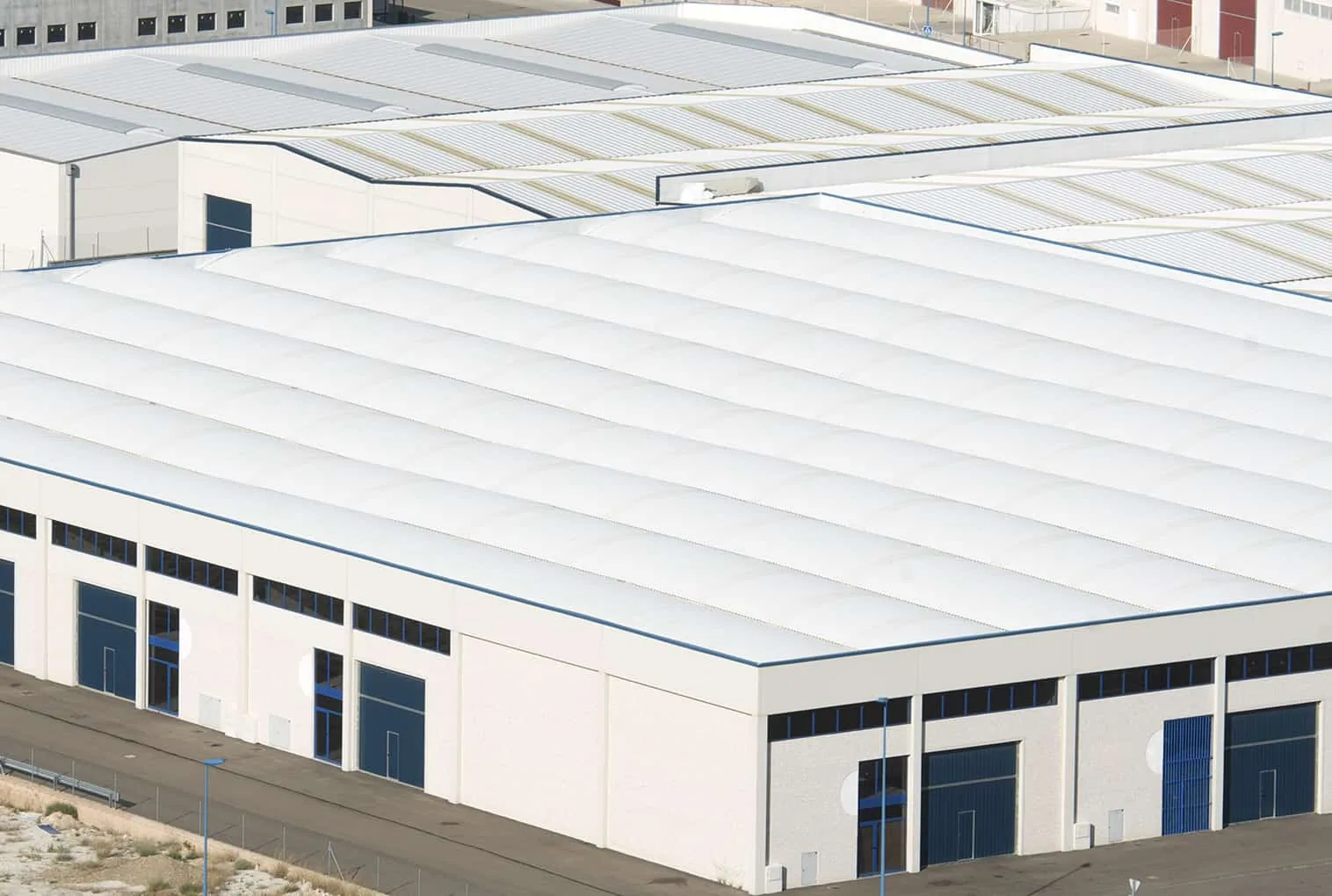
That is the idea behind Duro-Last. It is a PVC roofing system built from prefabricated pieces: panels sized from field measurements, with the flashings and boots made ahead of time. For small and mid-size commercial buildings in Davenport, IA the appeal is speed and fewer hand-cut details. We install Duro-Last systems and repair the ones already on roofs across the Quad Cities.
Measured, Then Made
Everything depends on the measurements. We map the roof edge to edge, record the location and size of every curb, vent, drain and pipe, and record the parapet heights. Those numbers go to the manufacturer, which fabricates panels from reinforced PVC sheet and welds the seams in a plant.
Bad measurements make a bad roof, so we double-check them. A pipe that sits four inches off its drawn spot means a cut or a patch on site. We shoot photos of each penetration and carry them in the truck. When the panels arrive, they lay out like a puzzle that was drawn from this exact roof, and the crew sets them in sequence.
Pre-Made Boots and Corners
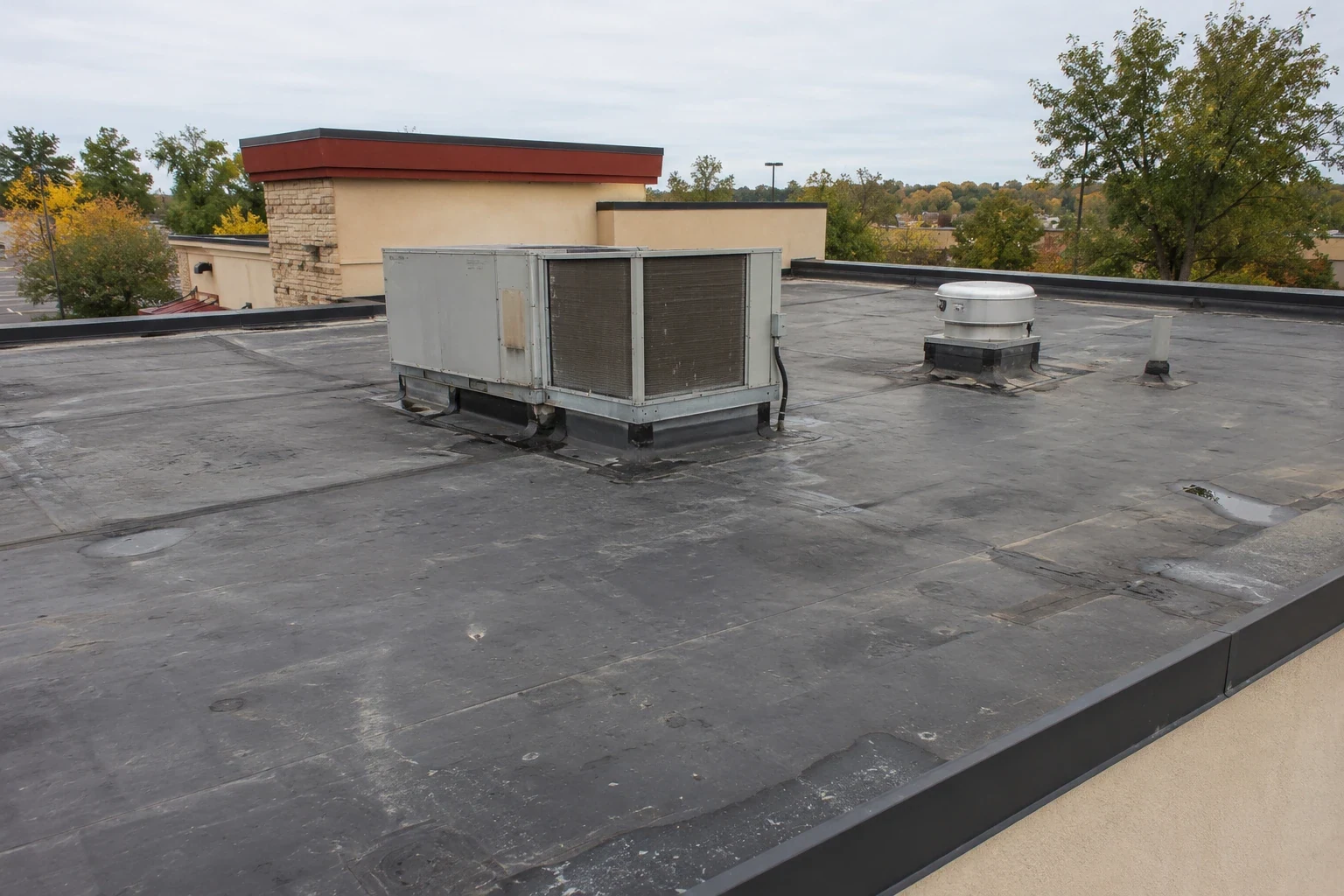
Most roof leaks start at a detail, so the manufacturer builds the details ahead of time. Pipe boots, inside and outside corners, curb wraps and scupper flashings come formed from the same PVC. They are welded into the membrane at the plant or on the roof with hot air, instead of being cut and sealed by hand.
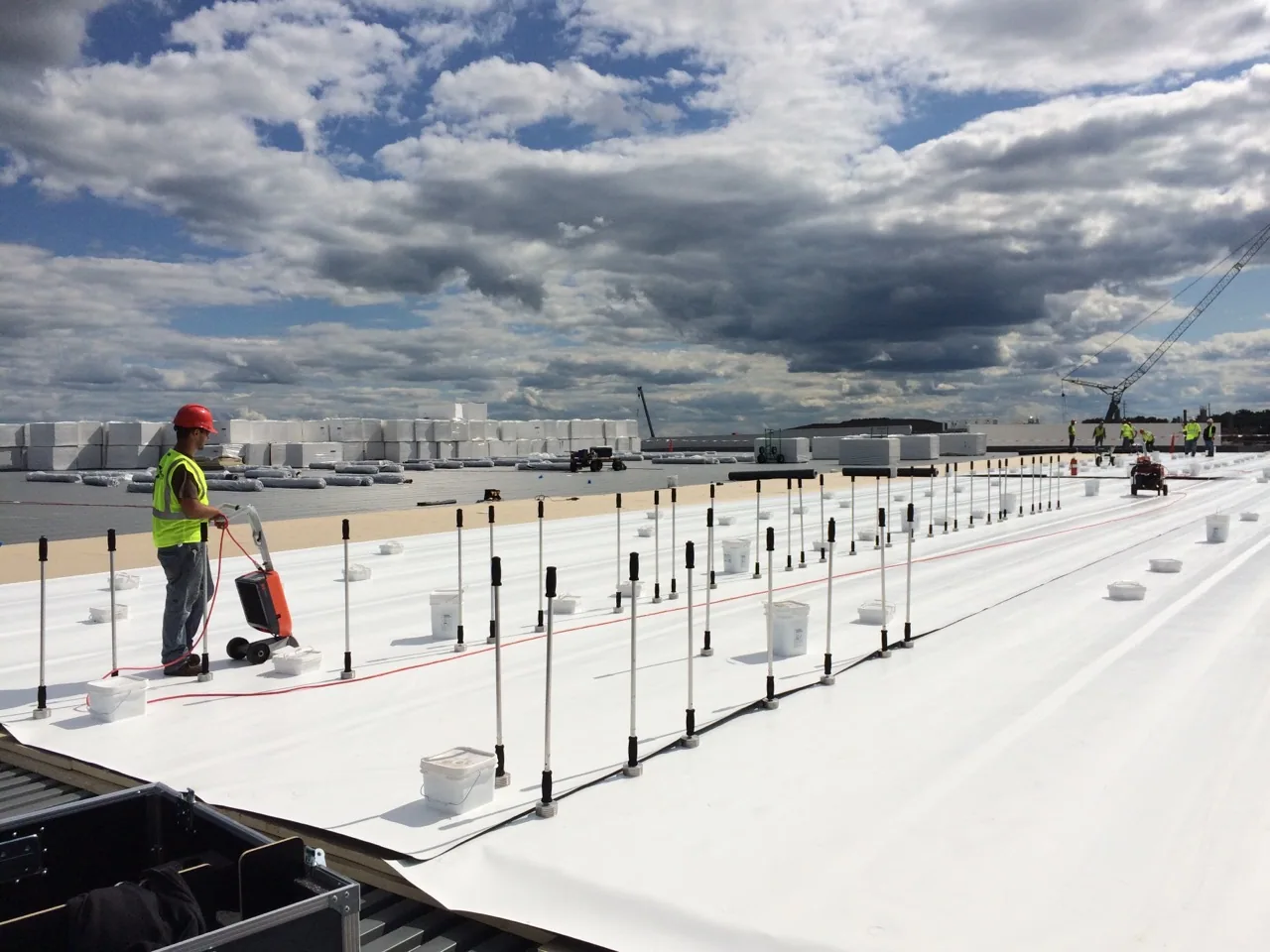
That reduces the amount of field work and makes the roof more uniform. It does not remove it. Field seams between panels still need welding, and every one needs a probe check. Edge metal still has to be fastened to the wall. The sheet itself is PVC roofing, and the point of the prefabricated parts is that they give the crew less to improvise.
Small Roofs With Many Penetrations
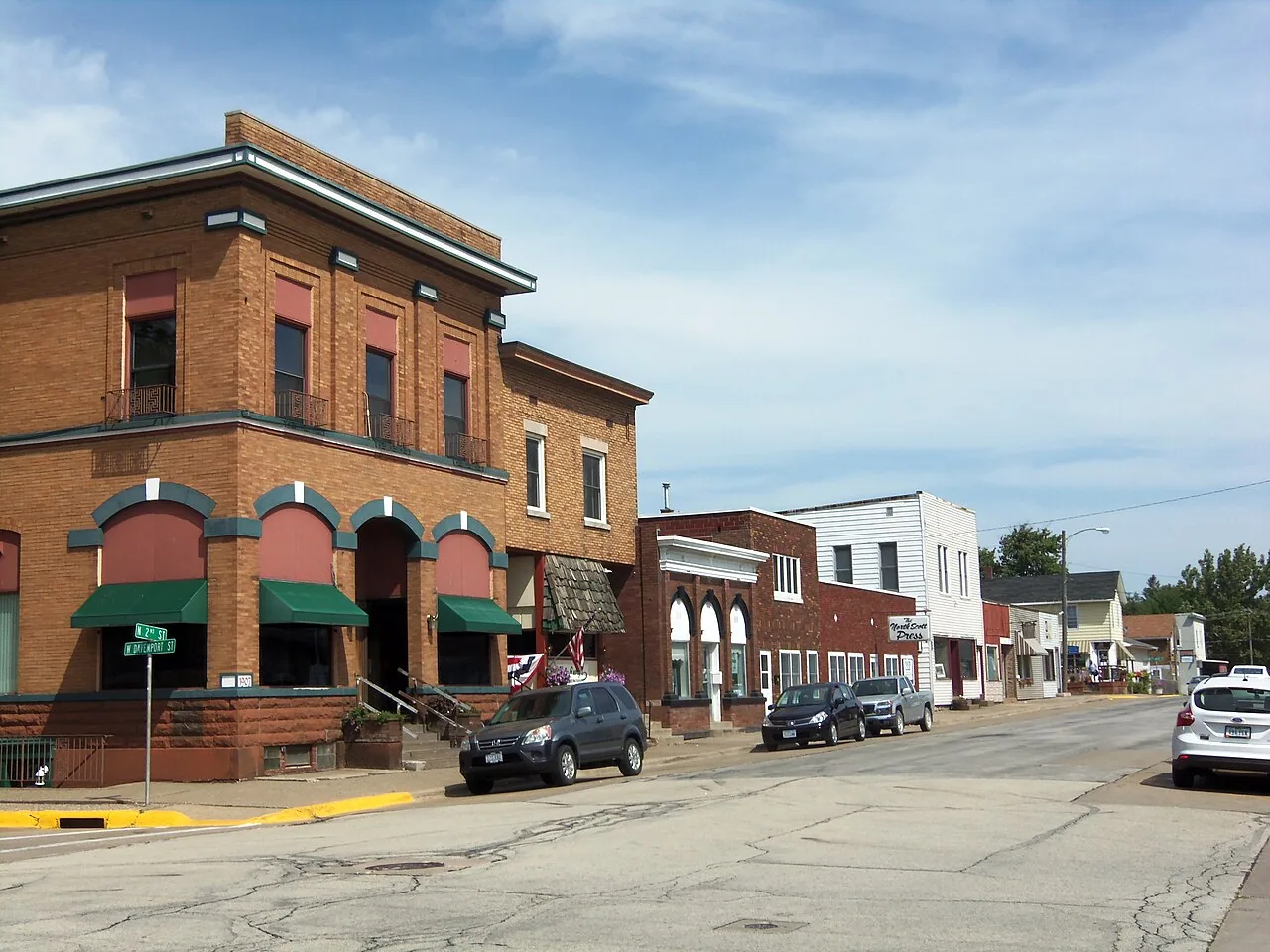
Eldridge sits north of Davenport along U.S. Route 61, and the city began creating industrial parks in the late 1960s to draw business. Small and mid-size buildings with a lot of vents, exhaust stacks and rooftop units are where a prefabricated system pays off.
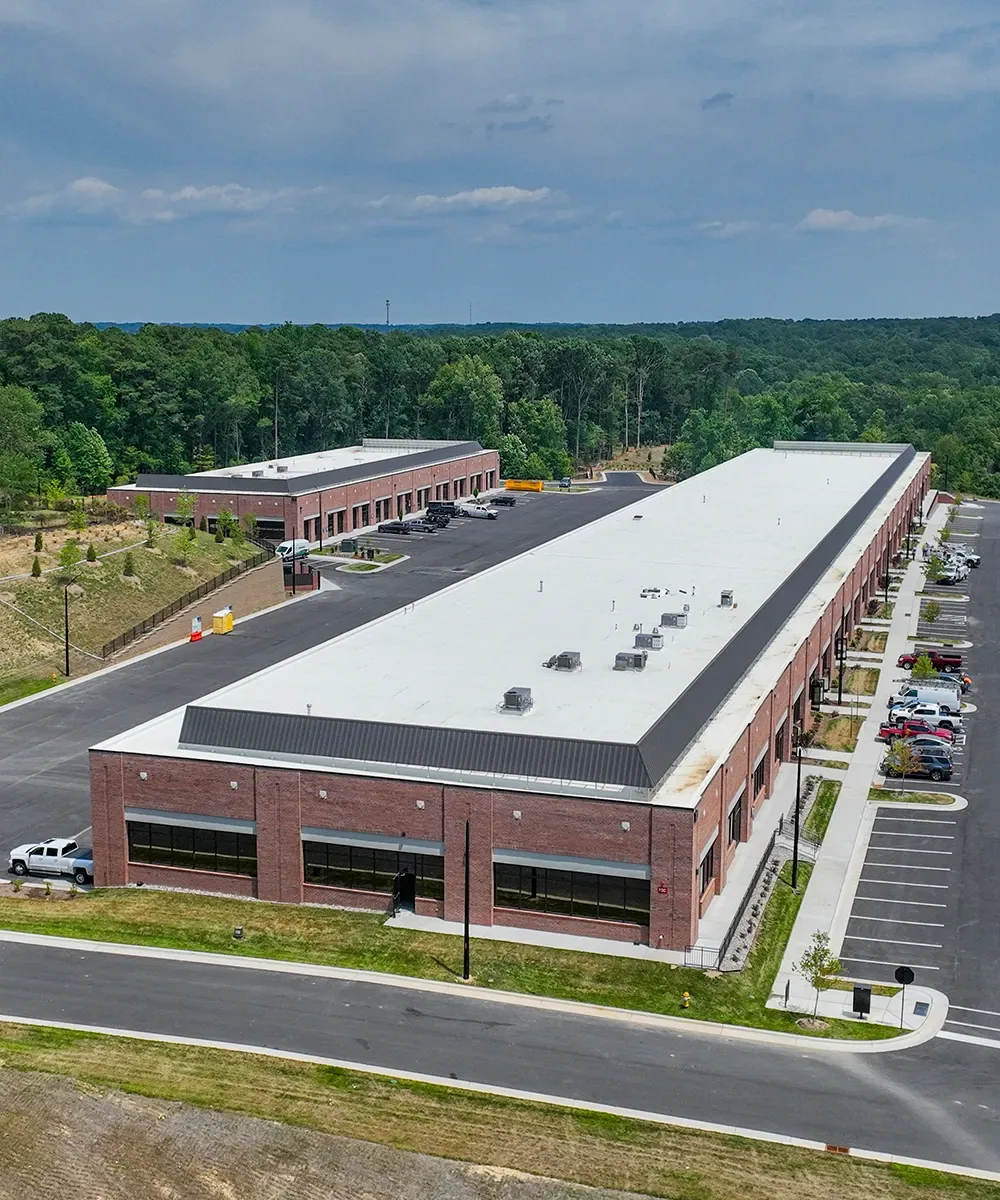
Each penetration comes with its own flashing, the panels cover the field in a few pieces, and the building is dry sooner. For a flex industrial building or a small plant, in Eldridge or anywhere along the highway, that pattern applies. PVC also resists fats, oils and many chemicals, which suits a restaurant or a shop with process exhaust.
Riverfront Shops in Le Claire
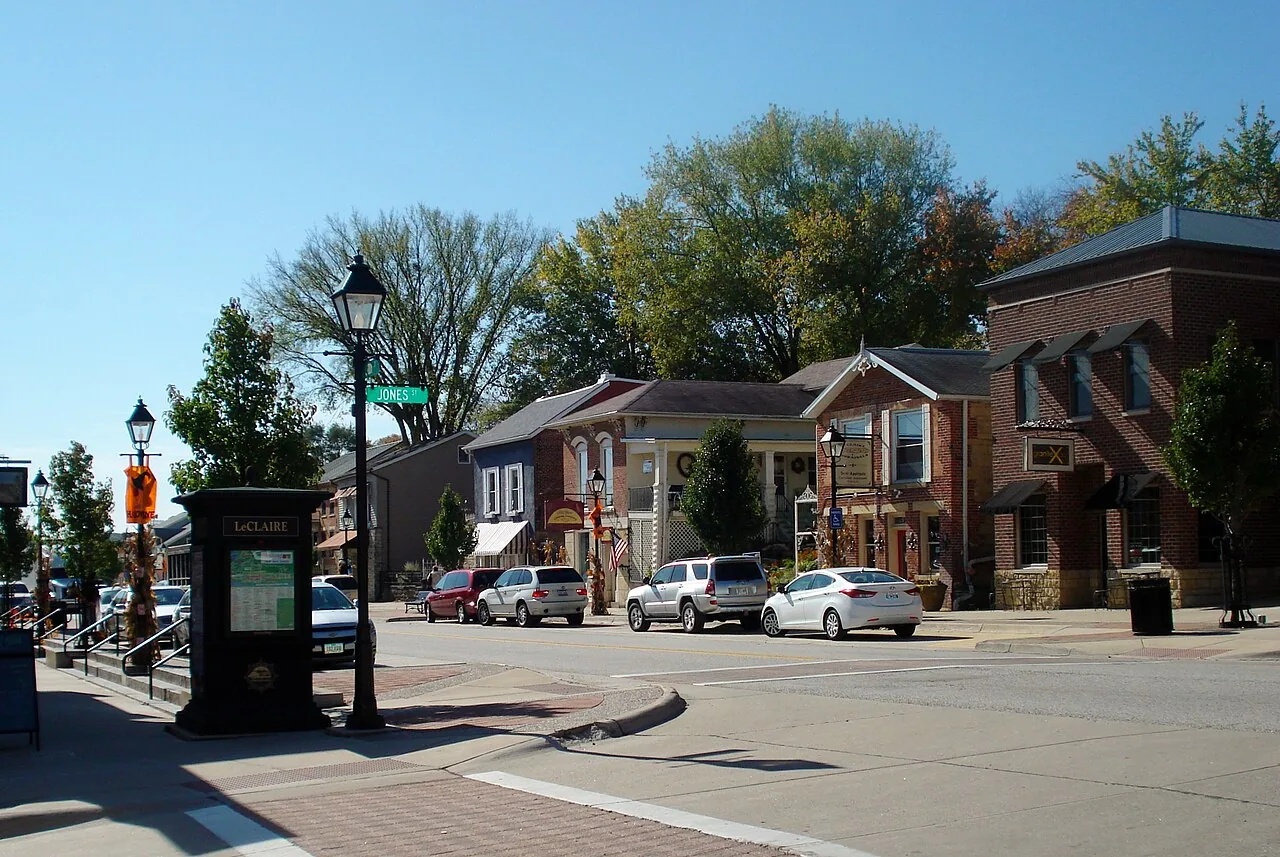
Le Claire is among the fastest-growing Quad Cities towns, at 4,710 residents after 65.4 percent growth between 2000 and 2020, and barges lock through Lock and Dam 14 on the Mississippi there. Antique Archaeology from American Pickers and the Buffalo Bill Museum draw visitors to the riverfront retail area. A roof over those shops serves people, not only stock.
Customers on the sidewalk change the plan. We stage material out of the pedestrian zone, work on weekdays in the off-season, and keep storefront entrances clear. The prefabricated panels shorten the time a roof is open, which helps in Le Claire because merchants lose business when scaffolding stands in front of their doors.
Dry-In Before the Next Storm
Straight-line wind reaching 100 mph came through the region in the July 15, 2024 derecho. Less than a year later, on July 11, 2025, an EF-2 tornado estimated at 120 mph tore across Davenport, starting southeast of Blue Grass, passing Emeis Park and ending by Kimberly Road and Fairmount Street. Owners with tired roofs have good reason to want the work done before the next one.
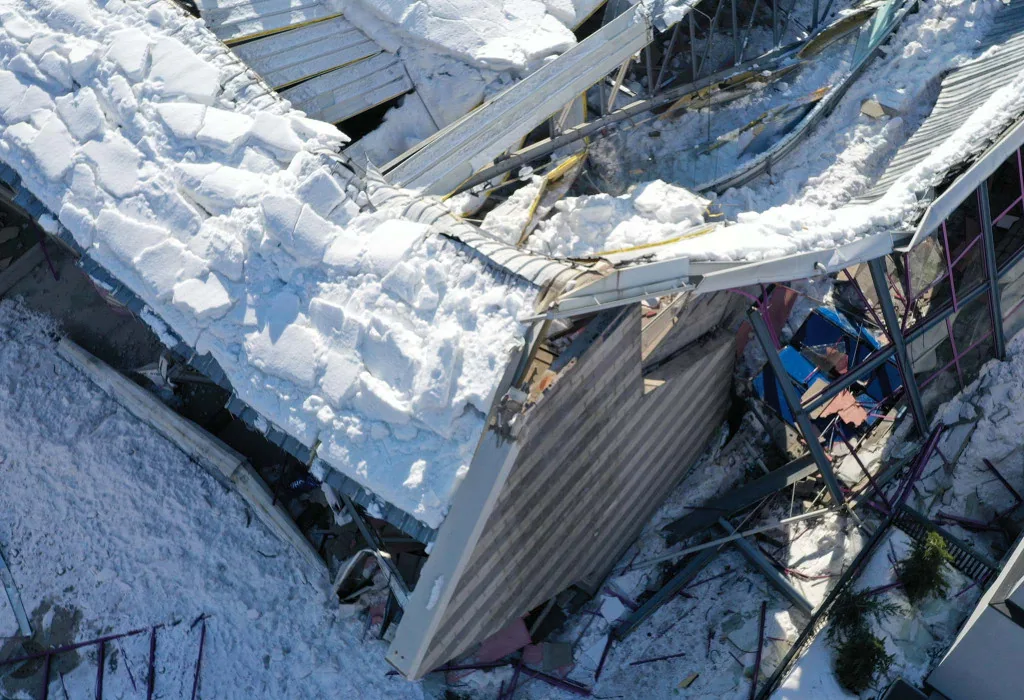
Panel systems close a roof fast, which matters when the forecast is bad. The crew sets as much as the weather allows and ties each day's work into a sealed edge. Wind resistance still depends on the attachment pattern and the perimeter metal, and we follow the maker's spacing at corners and edges. If a storm has already damaged a roof, emergency roof repair comes first, followed by storm damage repair that looks at the whole deck.
Repairs and Recovers on an Existing Duro-Last Roof
Because the pieces are factory-made, a repair is straightforward when the material matches. We clean the area, test a weld on a scrap and apply a PVC patch. A hot-air weld to old sheet can fail when the surface is greasy or aged, so the test comes before the commitment.
If the roof has reached the end of its life, a recover may work over dry insulation. The new panels go on top, and the old system stays as part of the assembly. A moisture scan and a few cores decide it. If a warranty is in force, we read it first and ask the maker which repairs keep it intact. Another PVC option, Sika Sarnafil, comes as rolled sheet welded in place and is worth pricing alongside, and so is Versico PVC.
For a Duro-Last project, field seams and factory-fabricated details need a coordinated layout. We verify dimensions, curb positions and rooftop equipment before the membrane is ordered, then confirm welding conditions and test representative seams during installation. A mismatch discovered after delivery can create unnecessary field cuts around penetrations. The handoff should include the product information, marked roof plan and any repair details so the maintenance team can match future work to the installed sheet.
Send the Address and Book a Measure
Tell us the building, the tenants and the leak, and we will schedule a measuring visit. We will go up with whoever has the roof hatch key and give you a plain recommendation in writing. For storm damage, send the work order and photos so the roof condition and access needs can be reviewed.
Questions About Duro-Last Roofing
How long does it take from measuring to a finished roof?
Allow lead time between measuring and delivery while the panels are fabricated, then expect a short install window once they arrive. The exact timing depends on the size of the roof and how many details it has. We schedule the install for a weather window, tell tenants the dates ahead of time, and keep the old roof tight until the day panels go down.
Our strip center has a dozen vents and two kitchen exhausts. Is prefabricated PVC overkill?
No, that is the kind of roof it was made for. The exhausts push grease onto the sheet, and PVC is formulated to resist it. A dozen penetrations means a dozen places for leaks, and factory-made boots reduce the hand work at each one. Add grease catches under the fans and walk pads along service routes.
Can the roof be replaced while the shops stay open?
Yes, with planning. We stage away from entrances, work in sections and close each section at day's end. Noise is the main complaint, so we tell tenants what time the loudest work happens. Merchants with sensitive spaces, such as salons or offices, get their own notice. Dust control and a clean walkway matter as much as the membrane.
What if the measurements are wrong when the panels arrive?
Small errors are fixed on the roof with a cut-in or a patch. Bigger ones mean a reorder, which costs time. That is why we measure twice, photograph every penetration and confirm the dimensions with the manufacturer before the order goes in. A few extra minutes on the first visit saves days later.
Can a prefabricated PVC roof go over our old roof, or does everything come off?
Often it goes over, provided the existing insulation is dry and the deck is sound. We cut cores, scan for moisture and check the edges, drains and curb heights, because adding thickness raises everything that meets the roof. Wet boards or a soft deck mean tear-off. We price the recover next to a full replacement so the owner sees what the shortcut saves.
Talk to a Davenport Commercial Roofer
Send the work order, the building address or a few photos of what you are seeing. We will set a walkthrough, go up with whoever has the hatch key, and tell you plainly what the roof needs.