
Flex and Light-Industrial Roofing in Davenport, IA
Roof repair, maintenance and replacement for flex and light-industrial buildings in Davenport, IA, with suite-by-suite reports for landlords and tenants.
Suite C has water in it again. The tenant emailed the property manager at six, the property manager forwarded it to the owner, and the owner wants to know which roof section, which lease clause and which contractor. The neighbors in suites B and D say theirs are dry.
A flex building puts several tenants under one roof and makes the roof everyone's problem and no one's job. For a building in Davenport, IA, we begin with the work order and a walkthrough with whoever holds the roof hatch key. Photos come back the same day, with a plan that marks the wet areas by suite and a straight call on the roof: patch it, keep an eye on it, or schedule the larger job.
Office Front, Shop Behind
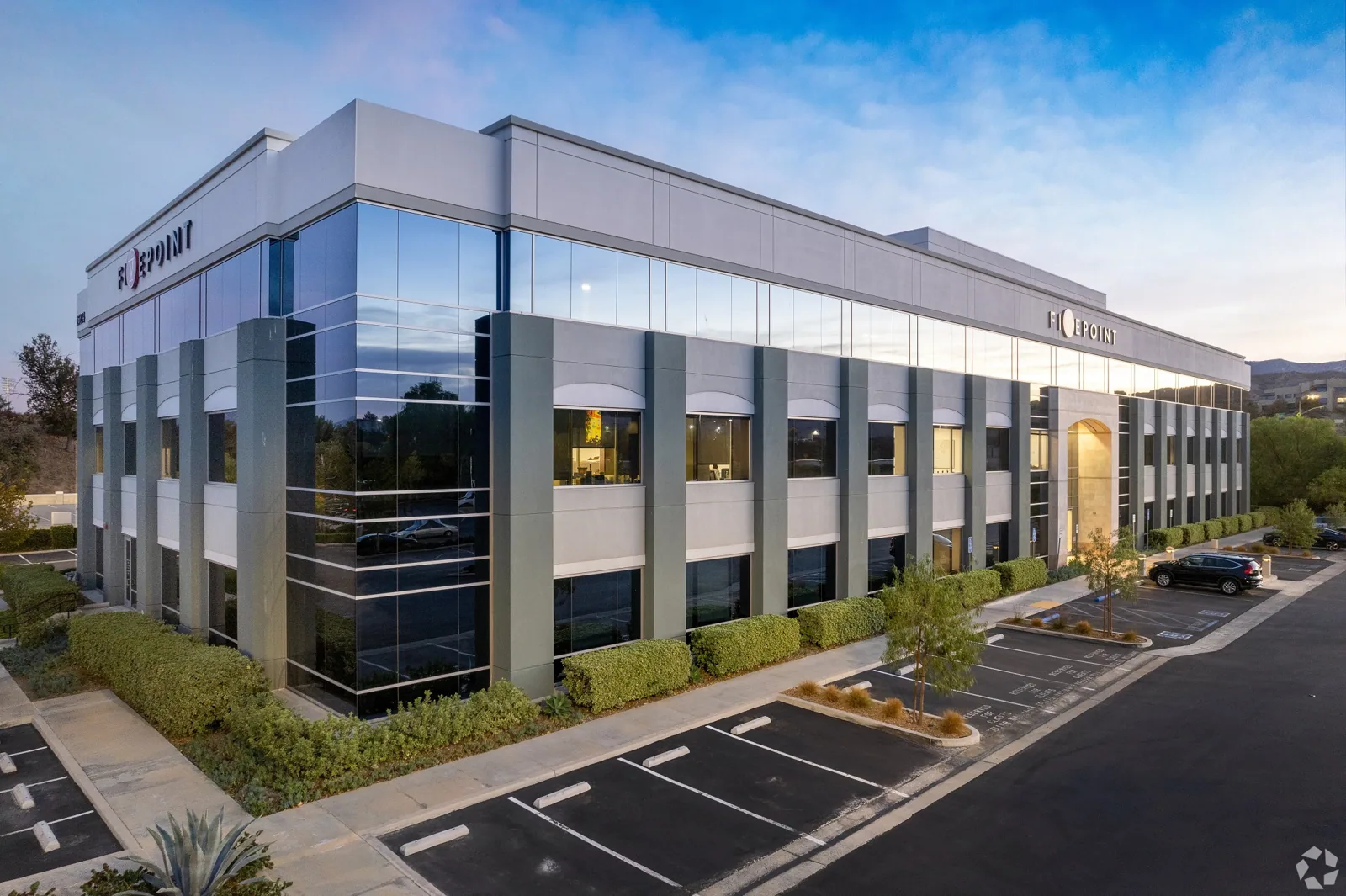
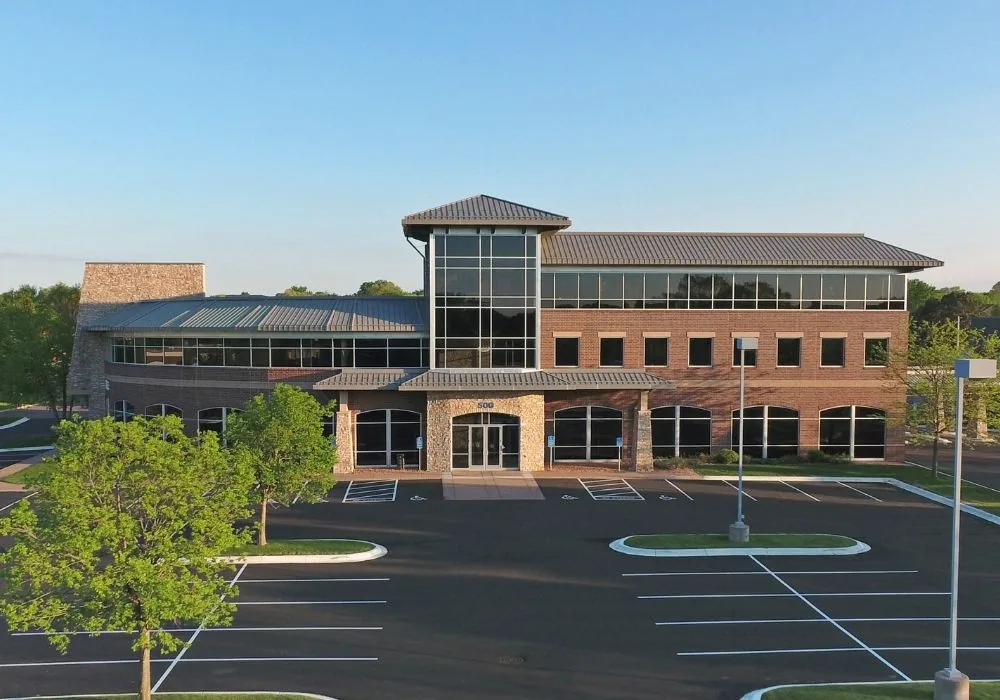
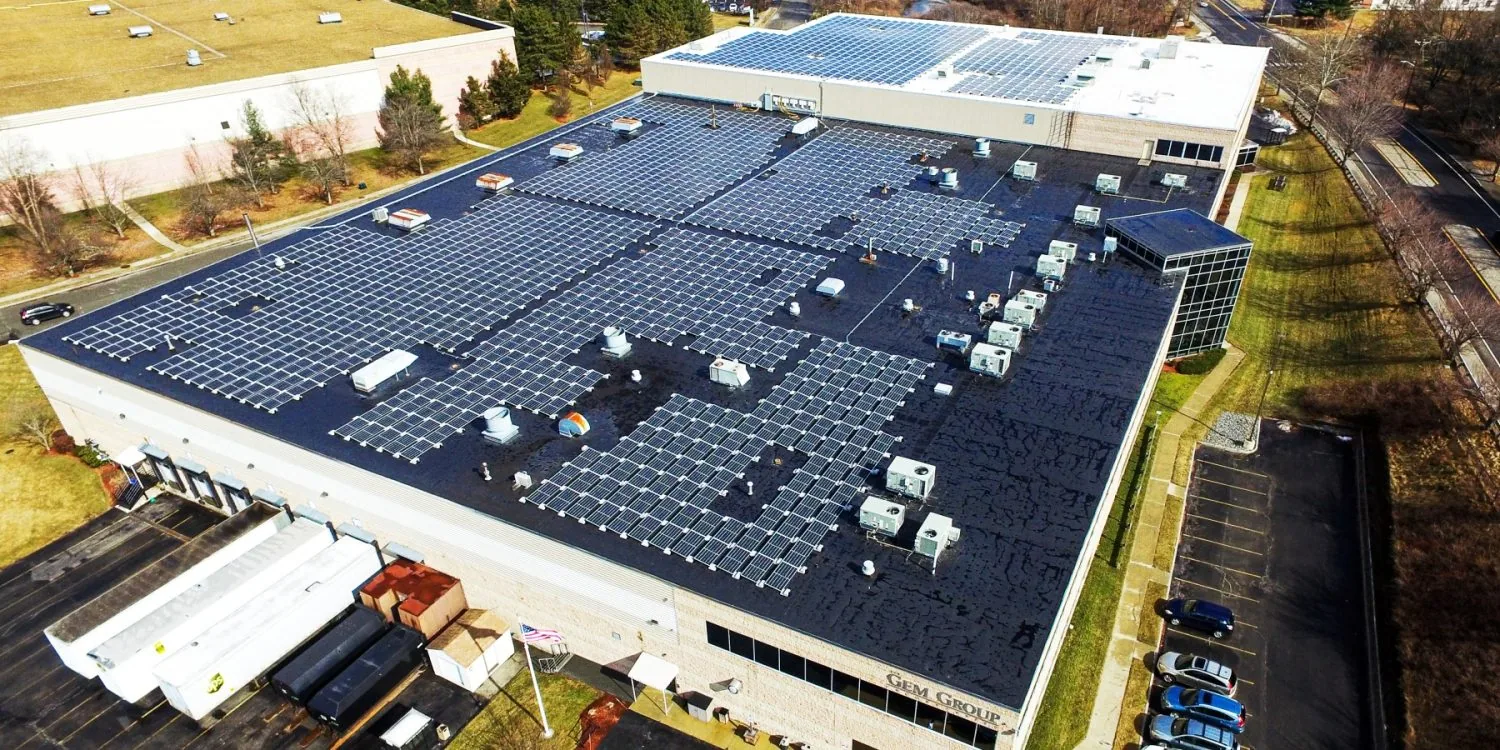
Flex space is two buildings stitched together. The front holds offices, a showroom or a lab, often one story with a low parapet and a row of rooftop HVAC units. The back is a shop or warehouse with overhead doors and a higher roof. The two meet at a wall, and that wall is where the roofing fails first.
The step between the two heights collects drifted snow, the counterflashing moves with the structure, and runoff from the high roof lands on the low one. We look at the flashing along that wall, the scuppers and the area under every discharge point. Demising walls between suites matter too. A roof that runs continuously over three tenants carries water from one suite to another along the deck, so the leak in C may start above B.
Landlord, Tenant and the Roof Log
Who pays for the roof is a lease question, and the roof answers a different one: what does it need? Many leases make the landlord responsible for the structure and roof, others pass upkeep to the tenants, and some split repair from replacement. We do not read the lease for you. We write the report so the landlord, the property manager and the tenant can each find their piece.
A roof log makes that easier. It lists the date, the work done, who did it, what was found and photographs. When a tenant claims a leak is new, the log shows whether the spot was patched last year. When an owner sells or refinances, the log is the first thing a buyer or lender asks to see. We keep ours in a form a property management company can drop straight into its files.
Fit-Outs, Fans and Foot Traffic
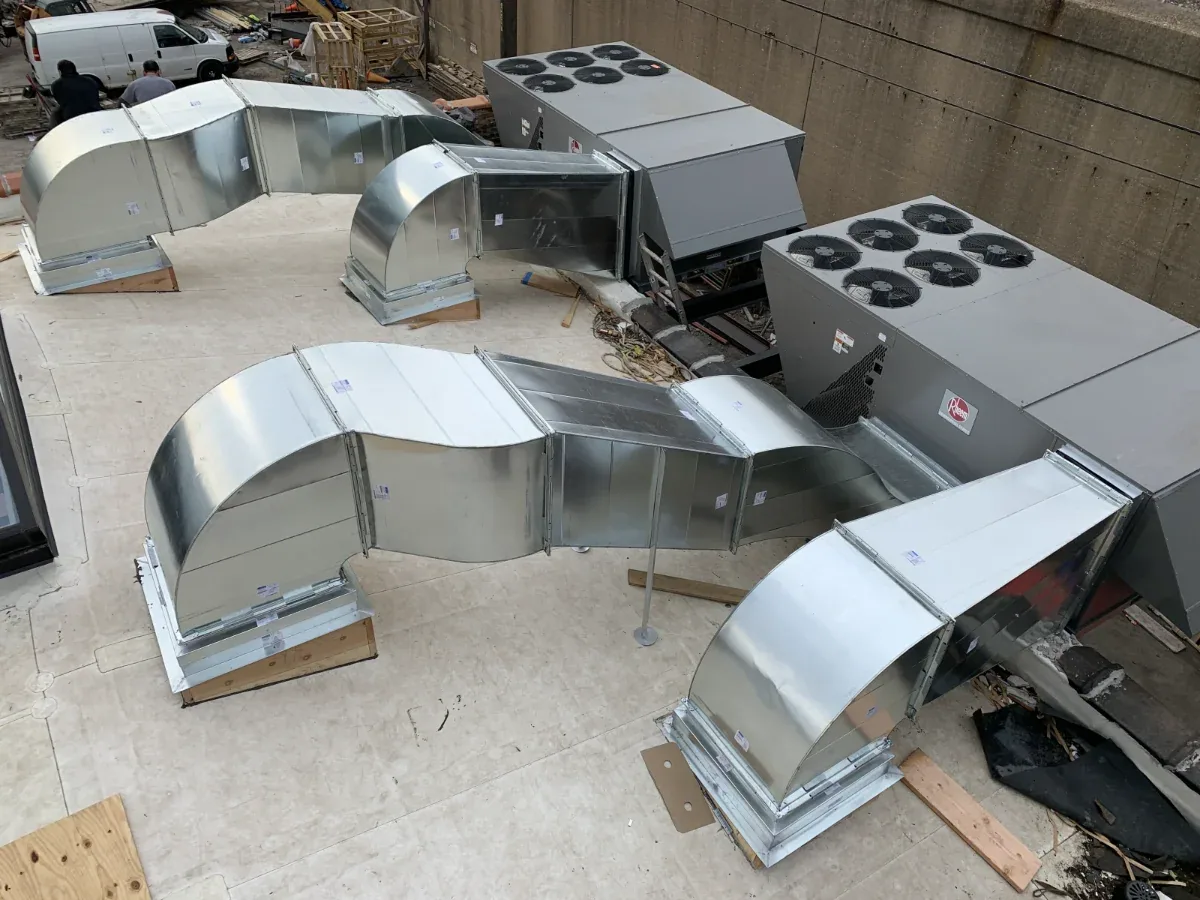
Every new tenant changes the roof. A cabinet shop adds a dust collector. A lab adds exhaust. A restaurant adds a hood fan. An office adds a rooftop unit and a satellite dish. Each one means a curb, a penetration, a conduit run and a new path for technicians.
What goes wrong is rarely the unit. It is the flashing around it, the cut made in the deck without a curb, and the foot path worn into the membrane between the access hatch and the equipment. We inspect each penetration, check that the curbs are tall enough to shed water and fastened to the structure, and recommend walk pads where traffic is heavy. Before the next tenant signs, a short section on curbs and supports in the lease or the work order keeps the next hole from becoming a leak.
Drains That Serve Three Suites
A shared roof drains through a shared set of scuppers and interior drains, and nobody owns them. When one clogs, the water backs up over the suite behind it. The Quad Cities average over 36 inches of snow a year, with January near 10 inches, and the melt has to find an outlet.
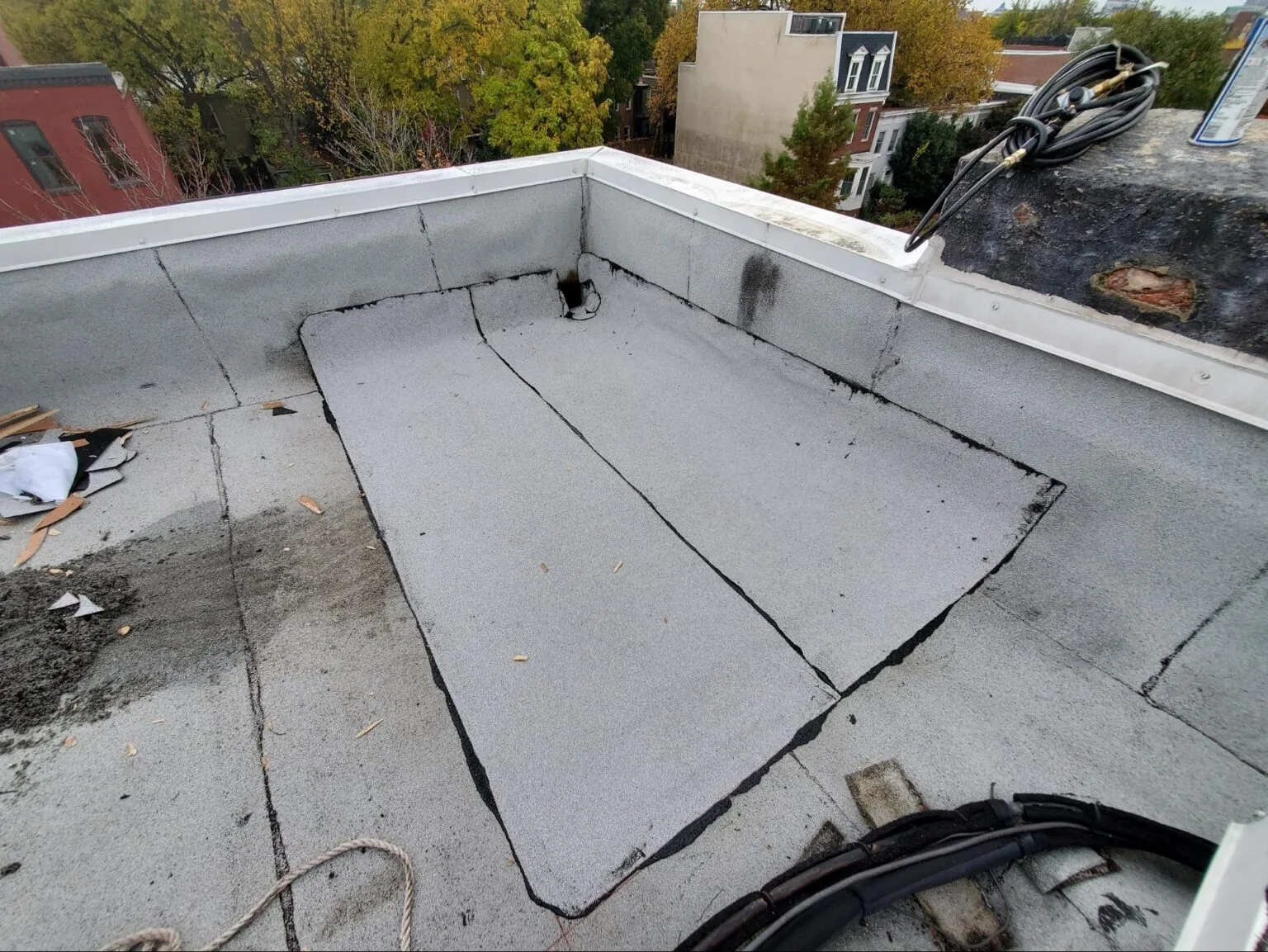
We clear and check every outlet first. Leaves, grit from a worn membrane and ice in the cold months block them. We look for ponding between the drains, since water finds the low spots between drains, and for a cracked boot or a loose clamp ring on an interior drain. A failed outlet means replacing the drain or scupper. A pond that stays for days may need tapered insulation, which we price against a full recovery when it makes sense.
Industrial Parks Along I-80 and Route 61
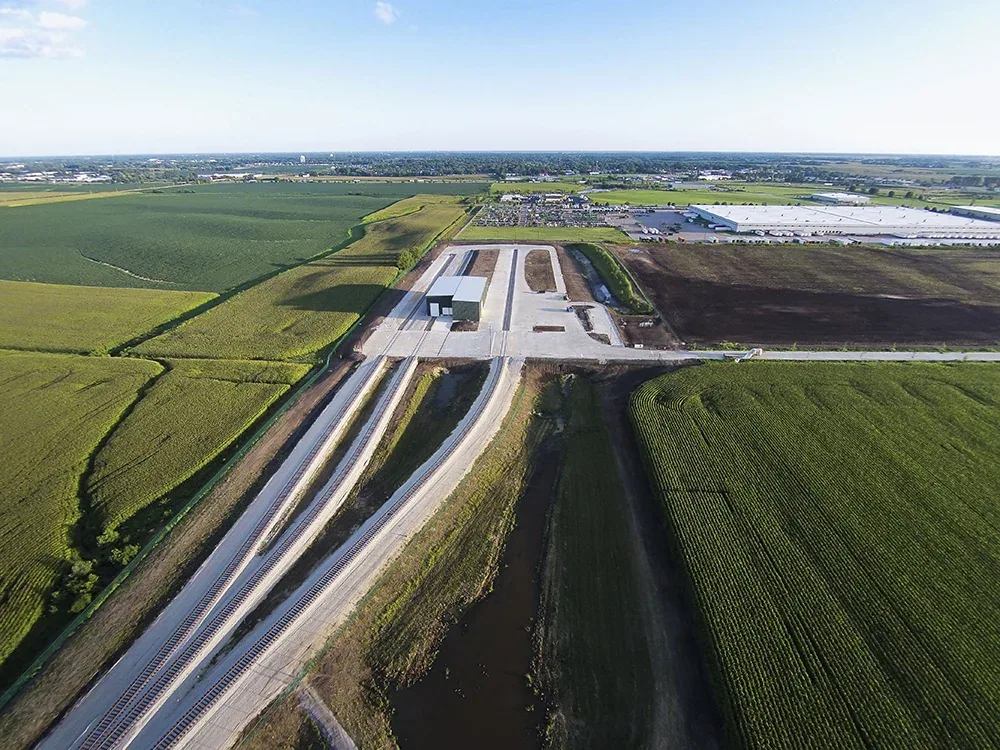
The Eastern Iowa Industrial Center is a 346-acre light-industrial park on I-80 in northwest Davenport, home to Kraft Heinz, Sterilite and John Deere, with an on-site rail transload facility. Its roofs are mostly large low-slope manufacturing and warehouse buildings, and smaller light-industrial space nearby follows the same weather. Eldridge, north of Davenport on U.S. 61, began creating industrial parks of its own in the late 1960s, and Brady Street passes industrial parks on its way to I-80.
All of it sees the same storms. The August 2020 derecho brought an 86 mph gust to Davenport Municipal Airport with damaging winds that lasted 30 to 60 minutes, and in the July 2024 derecho gusts across the region reached 100 mph. We check the edge metal and the perimeter after each one, then write the report by suite.
Working Around Every Suite
One roof can mean four tenants with four schedules: first shift next to an office, second shift behind it, and a showroom that is open until six. We ask for each tenant's hours at the walkthrough.
Then we plan:
- A tenant notice goes to every suite under the work zone before the crew arrives.
- Loud tasks avoid the hours when a suite takes customers or runs a quiet process.
- Lifts and staging stay off the dock aprons and fire lanes.
- Phased sections let one half of the roof dry in while the other is open.
The close-out report lists the work by section, with photos and drain and edge condition, so the owner, the manager and the tenant who called all read the same record. A warehouse or plant next door gets the same handoff.
Send the Work Order or Set a Walkthrough
Send us the work order, a photo of the stain and the suite number, or the address of the building. We will set a walkthrough around your tenants' schedules and come back with a plain recommendation.
Questions About Flex and Light-Industrial Roofing
Three tenants share one roof and each blames the others for the drip. How do you pin down the cause?
We trace the water on the roof, not the ceiling. Moisture mapping and a few core cuts show where the insulation is wet, and the wet area usually points to a seam, flashing or penetration upstream. We mark it on a plan by suite, so each tenant sees where the opening is and the owner sees which section needs the repair.
A new tenant wants to hang a rooftop unit. What should the owner have in hand before saying yes?
Get the unit's weight, curb size and routing for pipes and wiring, then have the roof walked before the curb goes in. The new curb should sit on a framed opening and be flashed into the membrane by someone who will honor the existing roof's details. Add a line to the roof log, and require that service technicians use the walk pads.
Our lease makes the tenants pay for roof upkeep. What should the owner keep on file?
Keep dated inspection reports, photos of every repair, invoices and a list of who has roof access. That file shows the owner kept the roof sound, and it helps in any dispute over a leak. We send the report in a form that can go straight to a tenant, with the repair broken out by suite or section.
We have a short window before a tenant renews. Should we replace or recover?
The moisture survey answers it. If the insulation is dry across most of the roof, a recover costs less and moves faster. If it is wet, tearing off and starting fresh is the honest choice. Either way, give us the renewal date at the walkthrough and we shape the schedule to finish before the tenant's decision.
Can the work be split so second shift in one suite keeps running?
Usually, yes. We split the roof into sections along demising walls, dry in each section the same day and keep tear-off away from the suite on second shift until the earlier phase is done. The tenant notice gives the exact days, and we hold lifts and noise outside the hours that suite works.
Talk to a Davenport Commercial Roofer
Send the work order, the building address or a few photos of what you are seeing. We will set a walkthrough, go up with whoever has the hatch key, and tell you plainly what the roof needs.