
Auto Dealership Roofing in Davenport, IA
Roof repair, hail documentation and replacement for auto dealerships in Davenport, IA, planned around showroom hours, service bays and rooftop exhaust.
Saturday is the busiest morning on the lot, and a drop of water has just landed on the hood of a car on the showroom floor. The sales manager moves the car. The general manager asks the question that matters: is it the roof, the glass or a pipe?
The roof is one of three suspects, and a walkthrough settles it. For a dealership in Davenport, IA, we take the work order, go up with whoever holds the roof hatch key, and try to do it on a weekday before the service drive fills. Photos reach the general manager that afternoon, along with a short call: fix it now, watch it through the season, or budget the bigger job.
Glass at the Showroom Head
A showroom is mostly glass. A tall curtain wall meets a parapet, a canopy or a roof edge, and the flashing at the head of that glass carries a lot of load. When it fails, water runs down the inside of the frame and onto the floor, and the glazing contractor and the roofer each point at the other.
We settle that on the roof. We check the counterflashing at the glass head, the coping above it, the sealant lines, the roof drain nearest the showroom and any skylight or clerestory that adds light. If the glass is the culprit, we tell you so and stay out of it. If the flashing is the cause, we repair it with the right termination detail, usually a reglet or a surface-mounted bar, and a sealed edge that sheds water away from the frame.
Service Bays and the Rooftop Fans
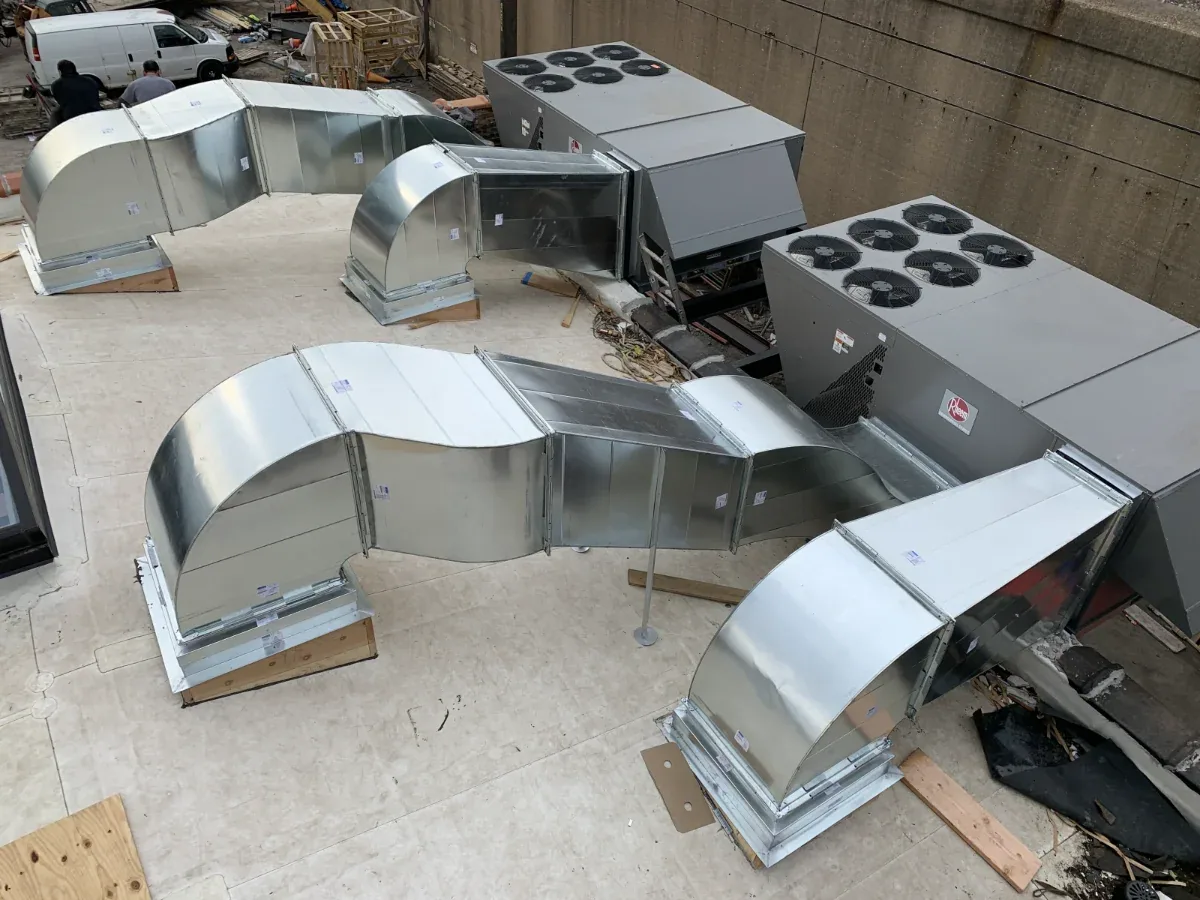
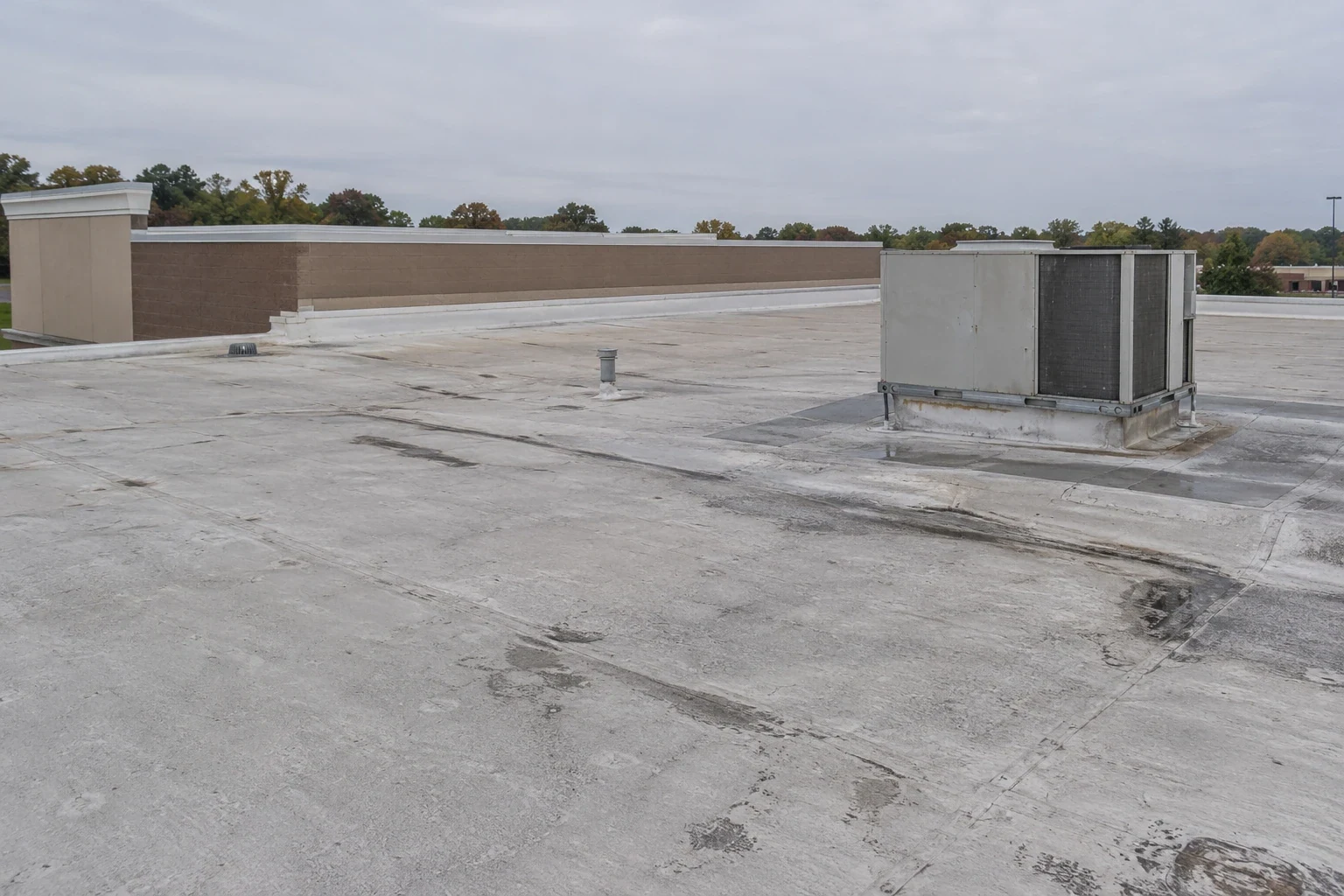
Behind the showroom, the service wing carries the equipment: exhaust fans from the shop, make-up air units, hoist vents, sometimes a paint booth stack or a body shop exhaust. Each of those is a curb, a penetration and a place for grease, oil or heat to reach the membrane.
Some membranes soften under oil and grease. That is the reason we ask where the exhaust discharges before we pick a system, and why a KEE membrane, which resists oils, can suit the area around the fans. We walk the curbs, the flashings and the base of each unit, and we look at how the units are fastened and supported. Where a curb has failed, curb and support work rebuilds it. If a unit has been moved or replaced, we check that the new curb sits properly in the roof and not just beside it.
Hail on the Lot and on the Roof
A dealership has two hail problems at once. The inventory is outside, and so is the roof. Since 2004, 133 hail reports have come from inside a 10 mile radius of the city center, and two April storms stand out: 2 inch hail on April 7, 2020 and 2.5 inch hail on April 4, 2023.
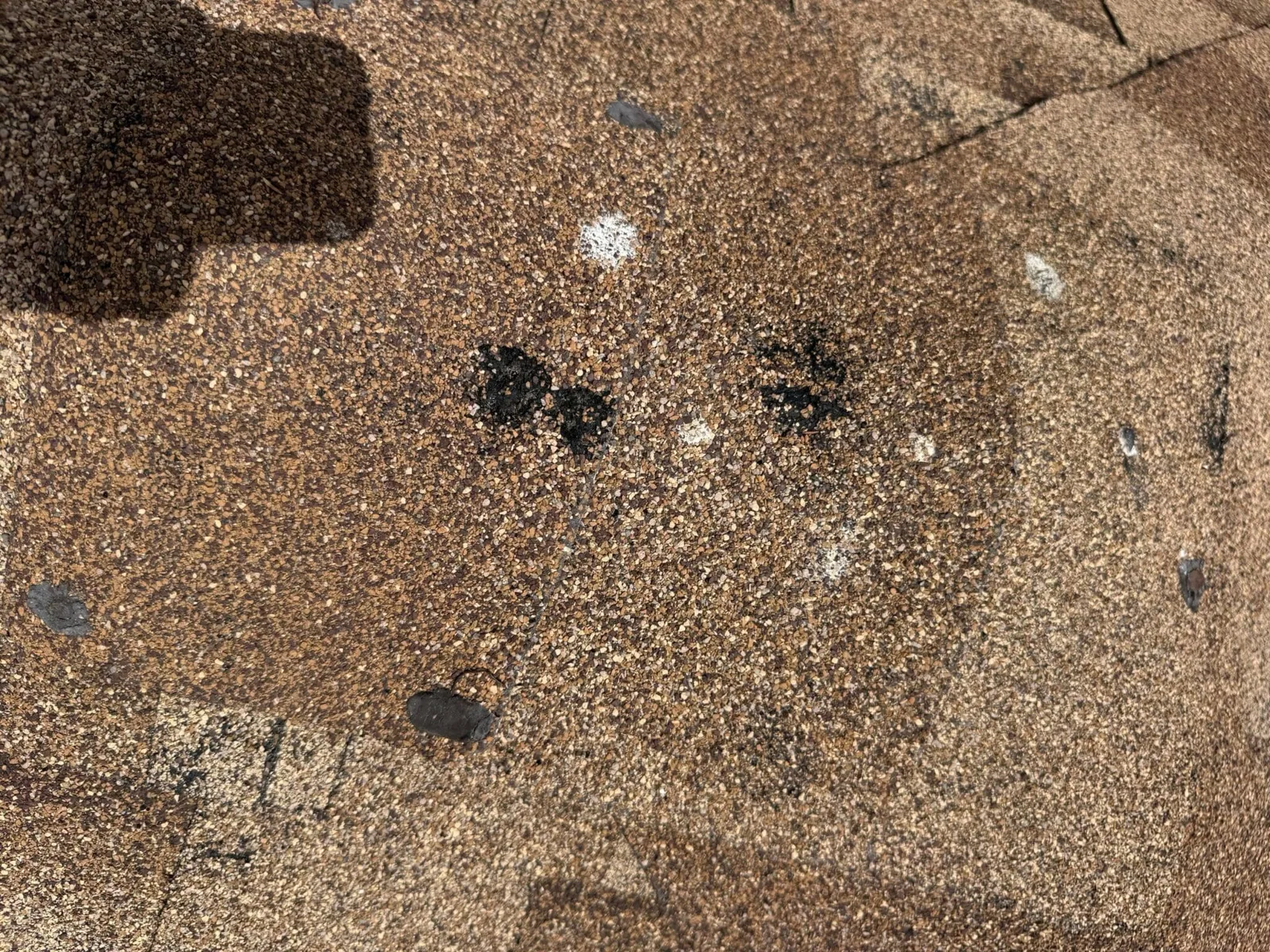
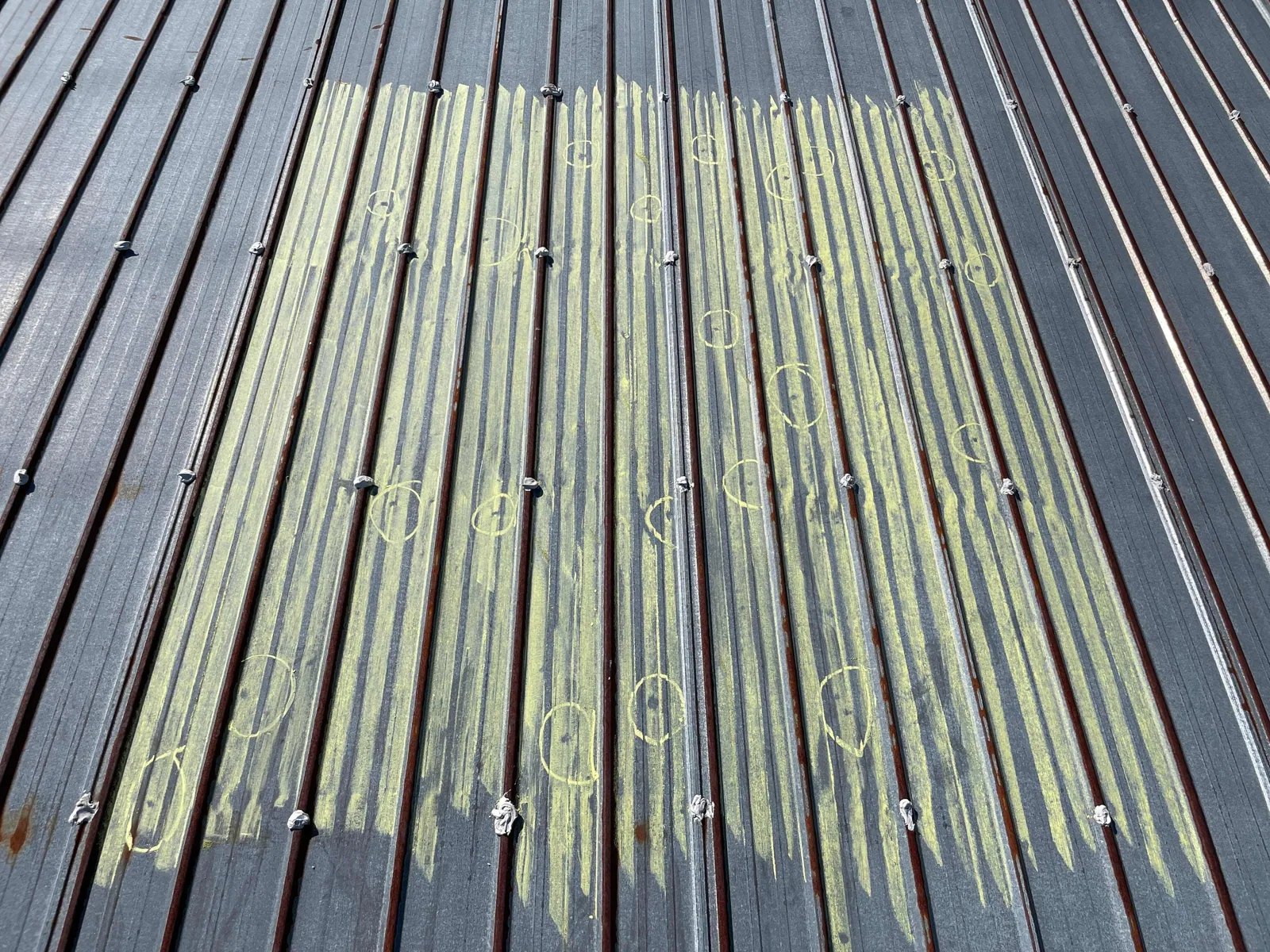
Cars and roofs usually sit on different claims, and the adjusters arrive on different days. We keep the roof side moving. We walk the membrane for bruises, split seams and cracked cover board, check the metal copings and the rooftop unit fins for dents, and mark every hit on a roof plan. The photos go to the adjuster the same day. For a hail damage repair job, a fast, specific report is the difference between a repair this month and a leak next month. Our claim documentation follows the same pattern after any storm.
Kimberly Road and Brady Street Frontage
Kimberly Road is a 6.1 mile commercial arterial through central Davenport, running from I-74 to I-280 past NorthPark Mall, and Brady Street carries traffic from River Drive through downtown to I-80. A dealership on an arterial like either one wants to be seen from the road, and a visible roof edge, a stained fascia or a rusted canopy shows up on every drive-by.
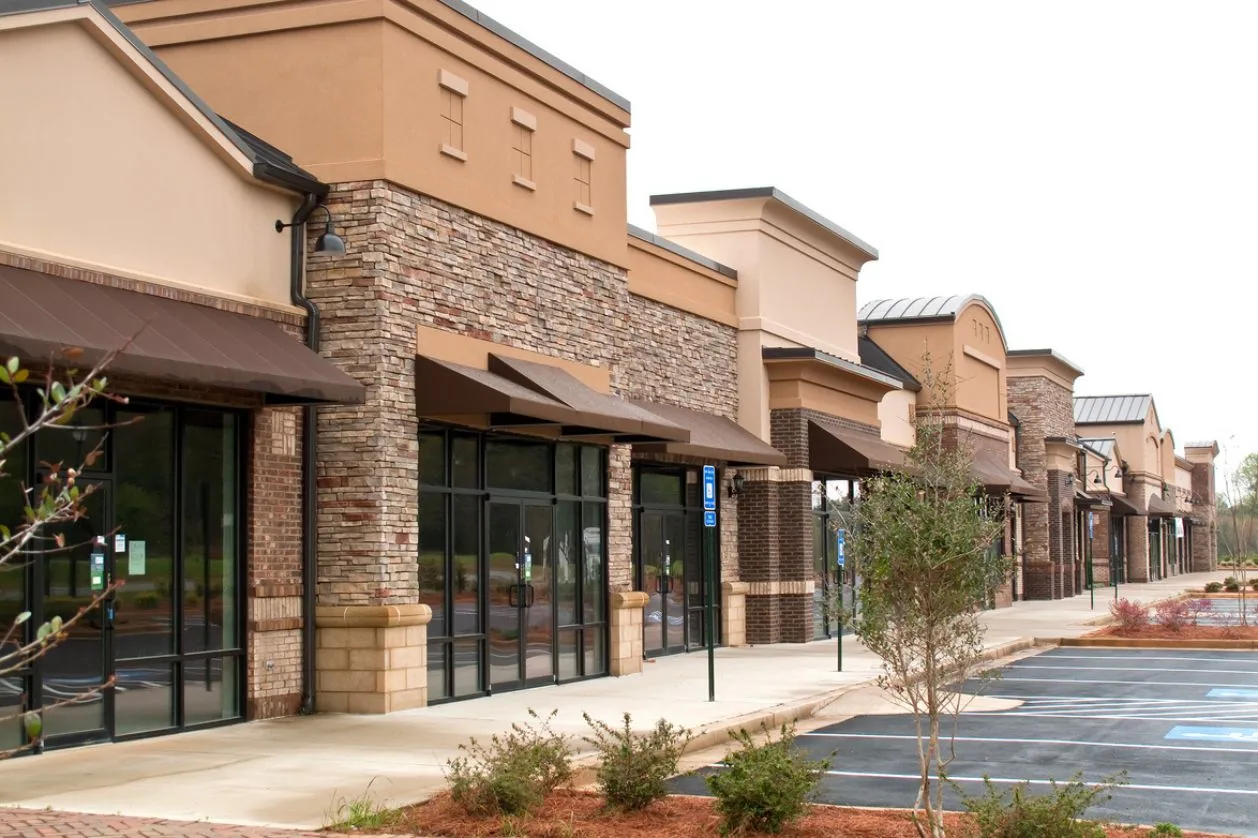
Retail corridors also mean mixed neighbors. A dealership next to a shopping center shares drainage, parking and sometimes a fire lane with the next owner. We read the roof with that in mind: who owns the downspout that discharges on the neighbor's lot, and whose responsibility is the wall that rises above both roofs? A shopping center or big-box retail building neighbor raises the same questions, and a roof plan with property lines drawn on it answers them. A Kimberly Road property gets that survey first.
Sales Hours, Service Hours, Our Hours
A dealership runs on two clocks. Sales wants the front clear on weekends and evenings. Service wants the bays open from early morning, with customers waiting in the lounge.
We plan the job to keep both:
- Lifts and staging go on the back lot, never the display apron or the customer entrance.
- Loud tasks avoid Saturday, and tear-off near the showroom happens early on weekdays.
- Adhesives and hot work stay away from the fresh-air intake and the showroom doors, so the lounge does not smell like a roofing job.
- Protection goes over the customer entrance and the delivery bay, and the walk below the work area is closed for the day.
The fixed-operations manager gets a daily plan, and the sales manager hears about anything near the floor.
Canopies, Signs and Edges in a Derecho
Davenport Municipal Airport clocked an 86 mph gust in the August 2020 derecho, and the derecho of July 15, 2024 had winds reaching 100 mph across the region. A dealership carries a lot of exposed edge. Delivery canopies, tall fascia, parapets, a rooftop unit or two and a sign with its own base all catch wind.
After a storm we check the coping, the fascia, the canopy flashing and any rooftop fixture that moved, then the membrane at corners and edges. A loose canopy is a safety problem before it is a roof problem, and we tell you which pieces need a sign contractor and which are ours. The last step is the written close-out: photos, notes on the repair and a list of what to watch, ready for the dealer group's property manager.
Send the Work Order or Set a Walkthrough
Send us the work order, a photo of the drip or the address of the dealership. We will set a walkthrough around your sales floor and service schedule, and come back with a plain recommendation.
Questions About Auto Dealership Roofing
Hail hit the inventory and the roof on the same afternoon. Do they go on one claim?
Ask the agent, because the building and the inventory are usually insured differently, and the adjusters often come on separate days. What we control is the roof side. We walk the building promptly, mark every hit on a plan and send photos to your adjuster. That way the roof record is ready when the adjuster arrives, whatever the car side looks like.
Water shows up at the top of the showroom glass. Is that the roof or the window?
Either one can cause it, and the roof is the quicker check. We look at the flashing above the glass head, the coping and the nearest drain, then at the seals around the frame. If the roof is sound, we say so in writing and you can call the glazier with that information. Guessing wastes a week and a service call.
The fans over the service bays leak at the curb. Can that be fixed without shutting the shop?
Yes, in most cases, because curb repairs happen outside the building. We reflash the curb, reseal the base and check the fan housing, working in sections so only one unit is down at a time. Tell us which fans are on which bay, and we schedule around the busy hours so technicians keep their ventilation.
The membrane around the make-up air unit feels soft and tacky. Is that oil?
Possibly. Exhaust discharge, grease and heat soften some membranes and leave them soft or stained near the outlet. We test the area, check the age of the membrane and compare it with the rest of the roof. If oil is the cause, we change the detail with a resistant membrane or a splash pad, and then redirect the discharge if we can.
Talk to a Davenport Commercial Roofer
Send the work order, the building address or a few photos of what you are seeing. We will set a walkthrough, go up with whoever has the hatch key, and tell you plainly what the roof needs.