
Aircraft Hangar Roofing in Davenport, IA
Roof repair, recoating and replacement for aircraft hangars and aviation buildings in Davenport, IA, with FOD control, hot-work limits and airport coordination.
The line chief walks the hangar floor at first light and finds a wet patch under the wing of a parked aircraft. The ceiling above it is a long way up. There is no easy way to see the roof from inside, and no room to tow the airplane out of the way.
Hangar leaks come in at a long reach from the floor, so the work starts on top. For an aviation building in Davenport, IA, we ask for the work order and a walkthrough with the airport manager or the facility lead, who holds the roof hatch key. You get photos the same day, a map of the wet area and a plain recommendation: repair it, watch it, or plan the bigger job.
Clear Spans and Door Headers
A hangar is a big open volume with almost nothing under the roof to catch water. A long steel frame crosses the full width, and the roof above it is either a metal panel system or a low-slope membrane over a deck. Both move with temperature, and a long building moves a lot.
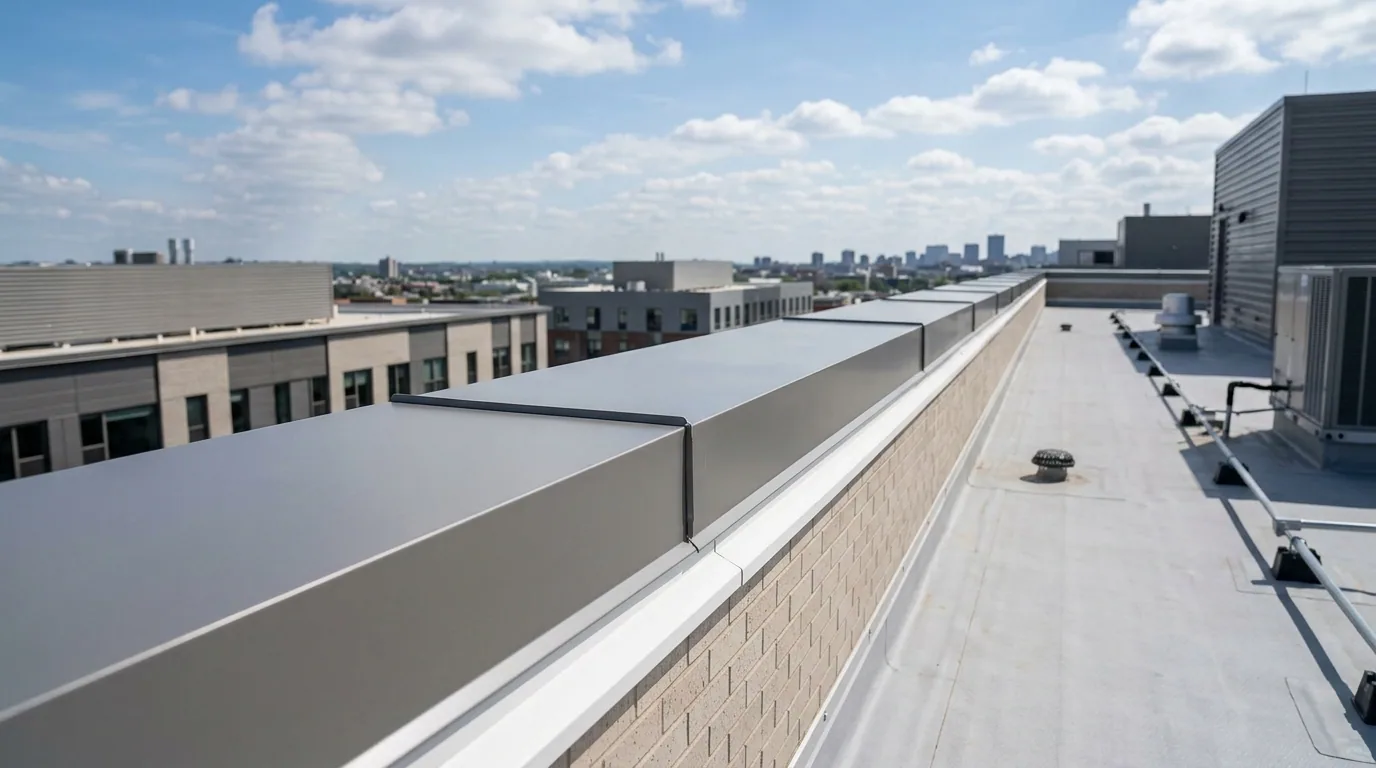
Davenport records run from 111 F down to -29 F, so the roof lengthens and shortens through the year. The weak points are usually the places that cannot move freely: the endwalls, the expansion joints, the panel laps and the header above the main door. That header takes wind, rain and snow melt, and its flashing has to survive a door that rolls or folds open for years. We walk those lines first. Water that gets past them runs down the framing and lands on the floor, often far from the opening.
Airfield Rules on the Roof
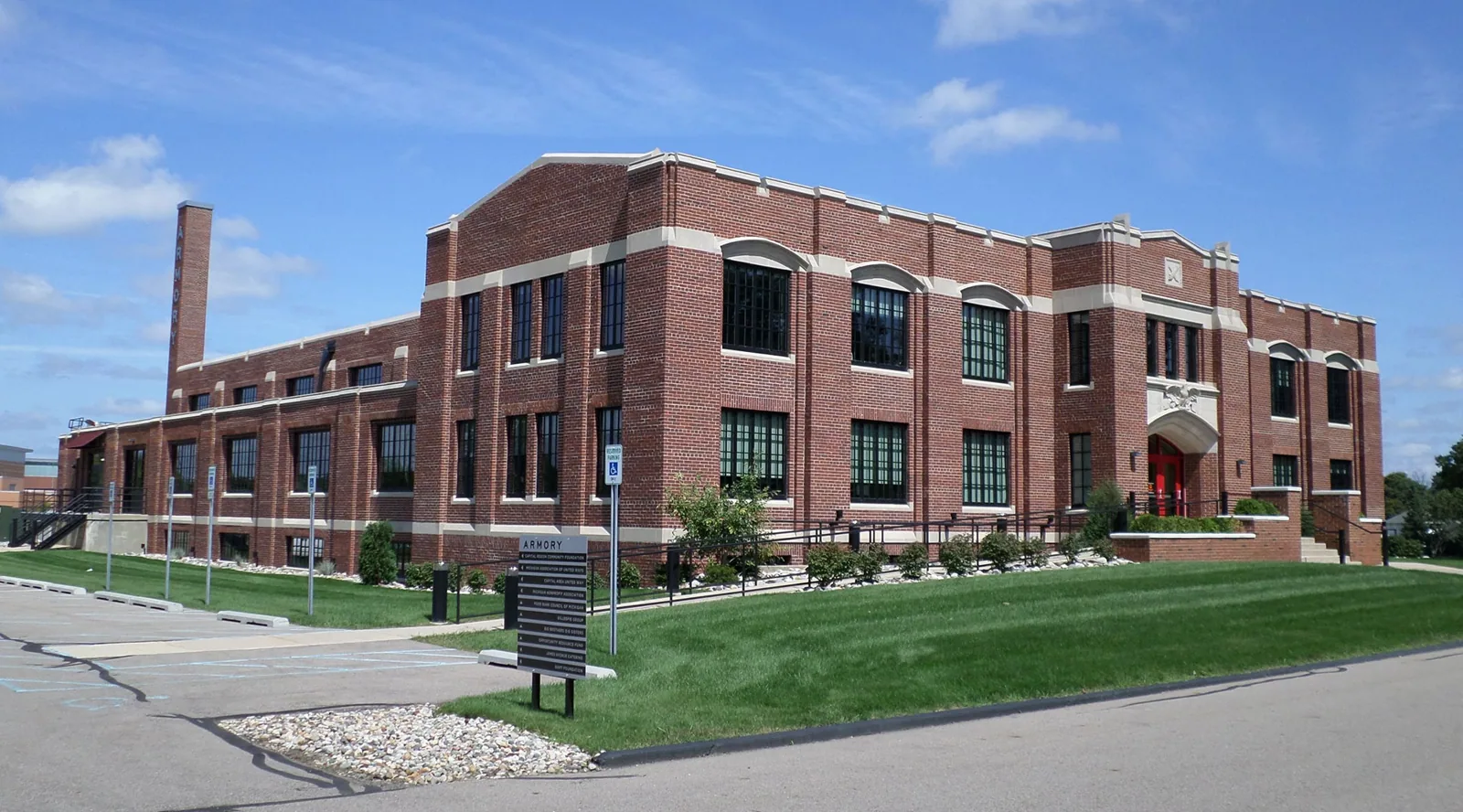
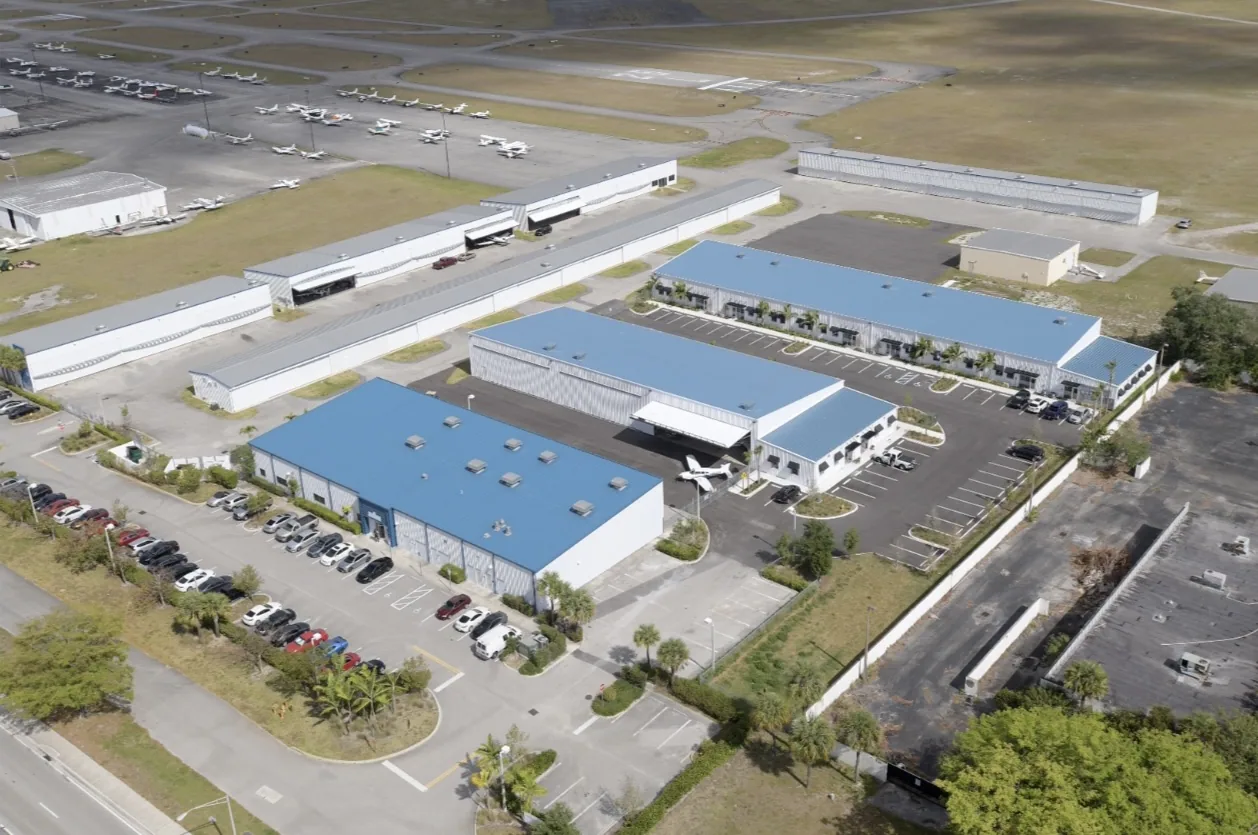
Davenport Municipal Airport is a city-owned general aviation field on 764 acres about 7 miles north of downtown. It has runways of 5,511 and 4,001 feet and a terminal with an attached 20,000 square foot hangar, plus a separate 12,000 square foot hangar. The Iowa Army National Guard keeps an armory there for the 1/109th Aviation Battalion and its CH-47F Chinook and UH-72 Lakota helicopters, which puts an armory roof on the same airfield.
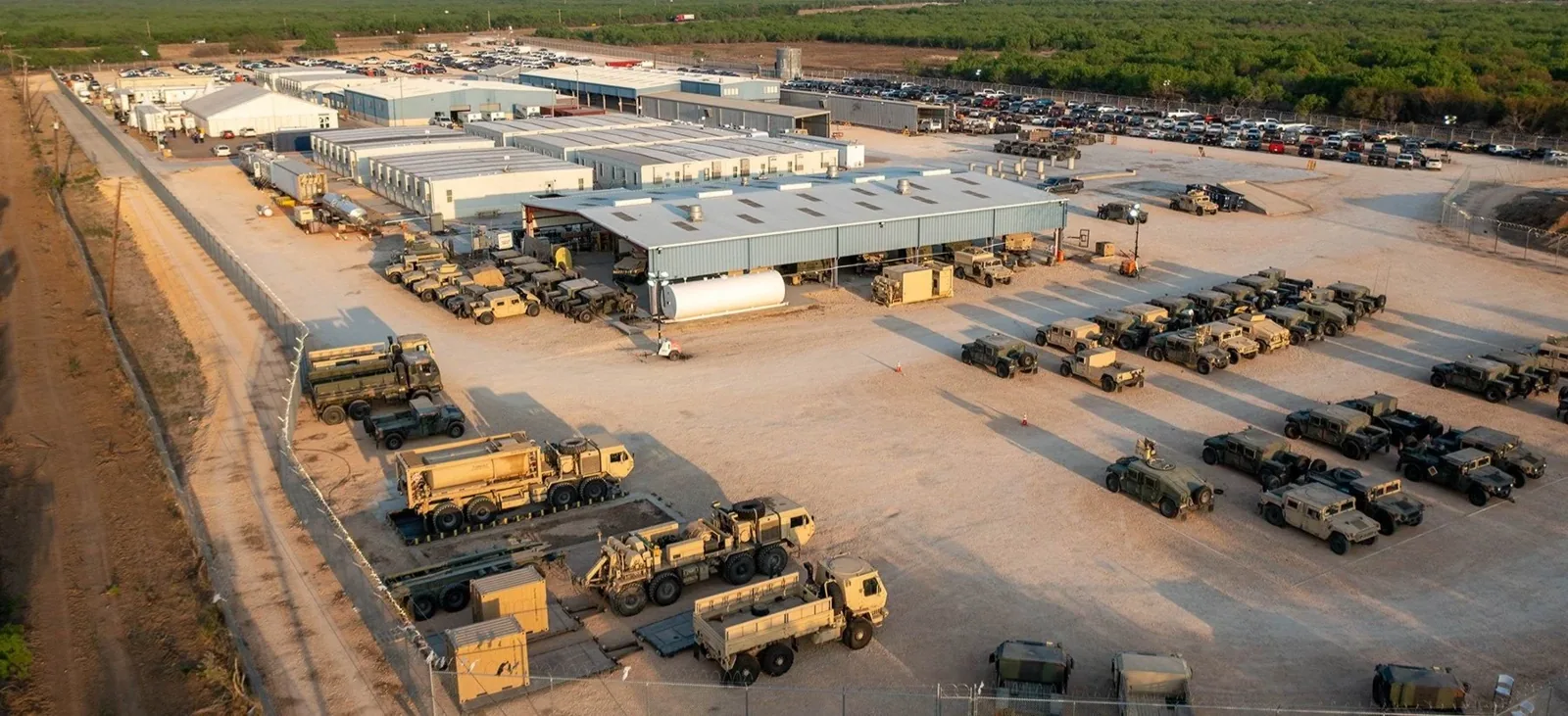
Work on an active airfield comes with rules we ask for early. The airport manager tells us where trucks may drive, where a crane may stand and whether its height needs review. Debris control is the big one: loose fasteners, cut membrane and gravel can reach a taxiway or a propeller, so we sweep the roof, use magnets on the ground and bag scraps as we go. Military aviation buildings add badge, escort and mission-schedule rules, and roofing built to the Unified Facilities Criteria. The same access and criteria rules run through military installation roofing generally.
Fuel, Fumes and Open Flame
Aircraft carry fuel, and a hangar often holds more of it in drums, carts and tanks. Open flame on the roof above a fueled aircraft is not a risk worth taking.
The plan changes the method and the layout:
- Torch-applied systems are out. We use mechanically attached, adhesive or welded systems that keep fumes and sparks down.
- We confirm what fuel and solvent vapor the hangar vents carry, and we keep adhesives and primers away from those vents.
- Aircraft are towed out or covered, and the floor below the work gets protection against dust, scraps and small tools.
- A fire watch stays through the work and after it ends.
Tear-off in a hangar is also a dust problem, so we plan where the debris goes and keep it out of the aircraft.
Snow Loads and Cold-Morning Drips
Snow in the Quad Cities adds up to over 36 inches a year, with January the heaviest month. A clear-span roof carries that load across a long way. Where two roof heights meet, such as a low wing built against a taller hangar, snow drifts against the higher wall and lands as extra weight on the lower roof. We look for sagging panels, stressed fasteners and flashing pulled loose at that step.
Then there is condensation. A big hangar holds a lot of warm, humid air, and the Mississippi keeps the air damp. When it touches the cold underside of a metal roof, it condenses and drips, even when there is no hole. The drip looks like a leak and falls on the aircraft below. We check the insulation, the vapor control and the ventilation before we repair anything, because a patch will not stop condensation.
Open Ground, Open Doors
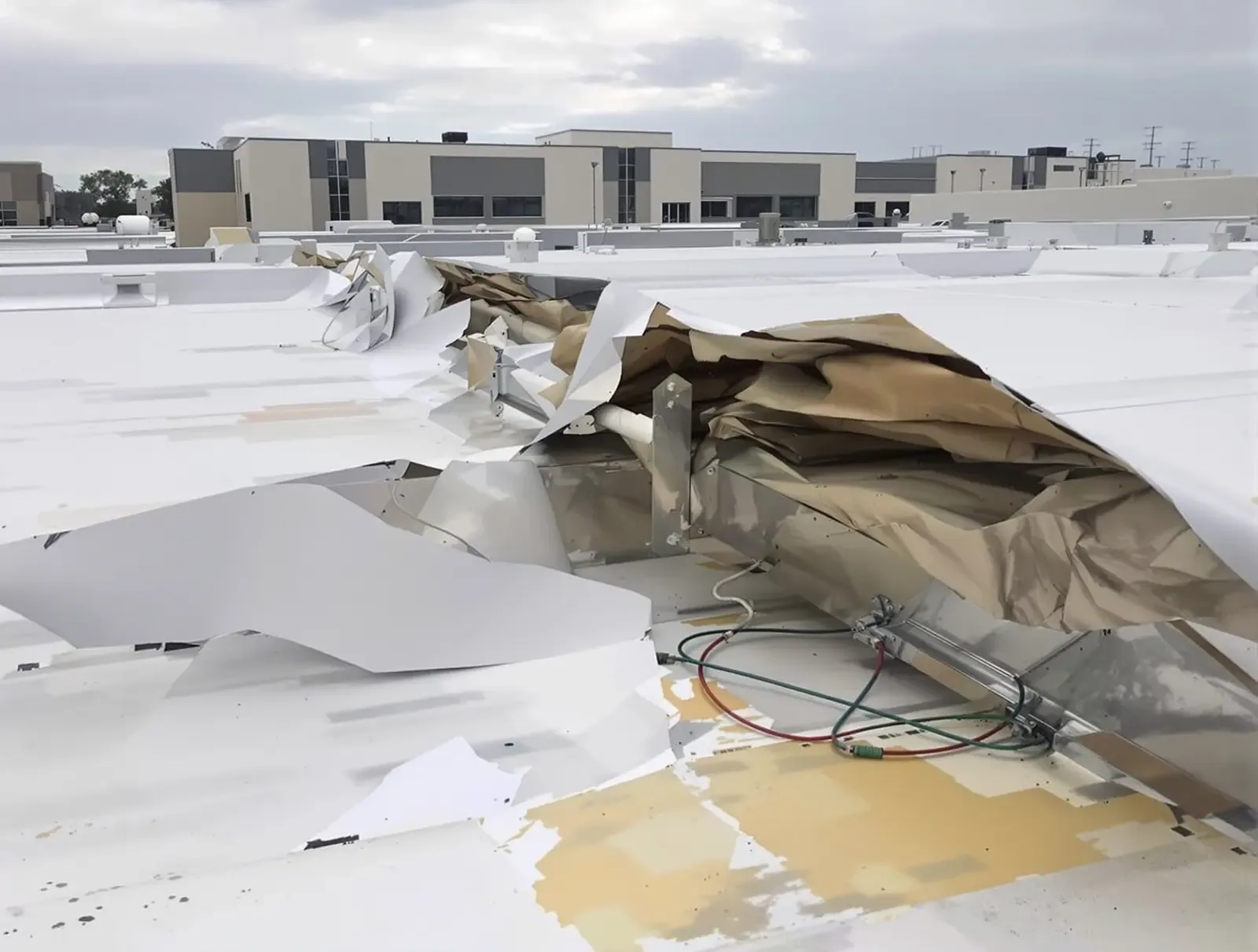
Open airfield ground gives the wind a long run at a hangar. Davenport Municipal Airport recorded an 86 mph gust during the August 10, 2020 derecho, the highest official reading in the immediate Quad Cities, and Quad City International Airport south of Moline recorded 79 mph. Then the July 2024 derecho pushed regional winds as high as 100 mph, which makes two big wind events for any hangar to answer to.
A hangar with a door open or failing takes pressure from inside the building as well as outside. We check the eave and ridge trim, the end panels, the fasteners and the perimeter seal after a storm. Lifted edges and bent trim get repaired before the next gust. Follow-up work is documented as wind damage repair, with photos and a plan marking each item, so the owner or the insurer sees what happened and where.
Coat, Retrofit or Replace
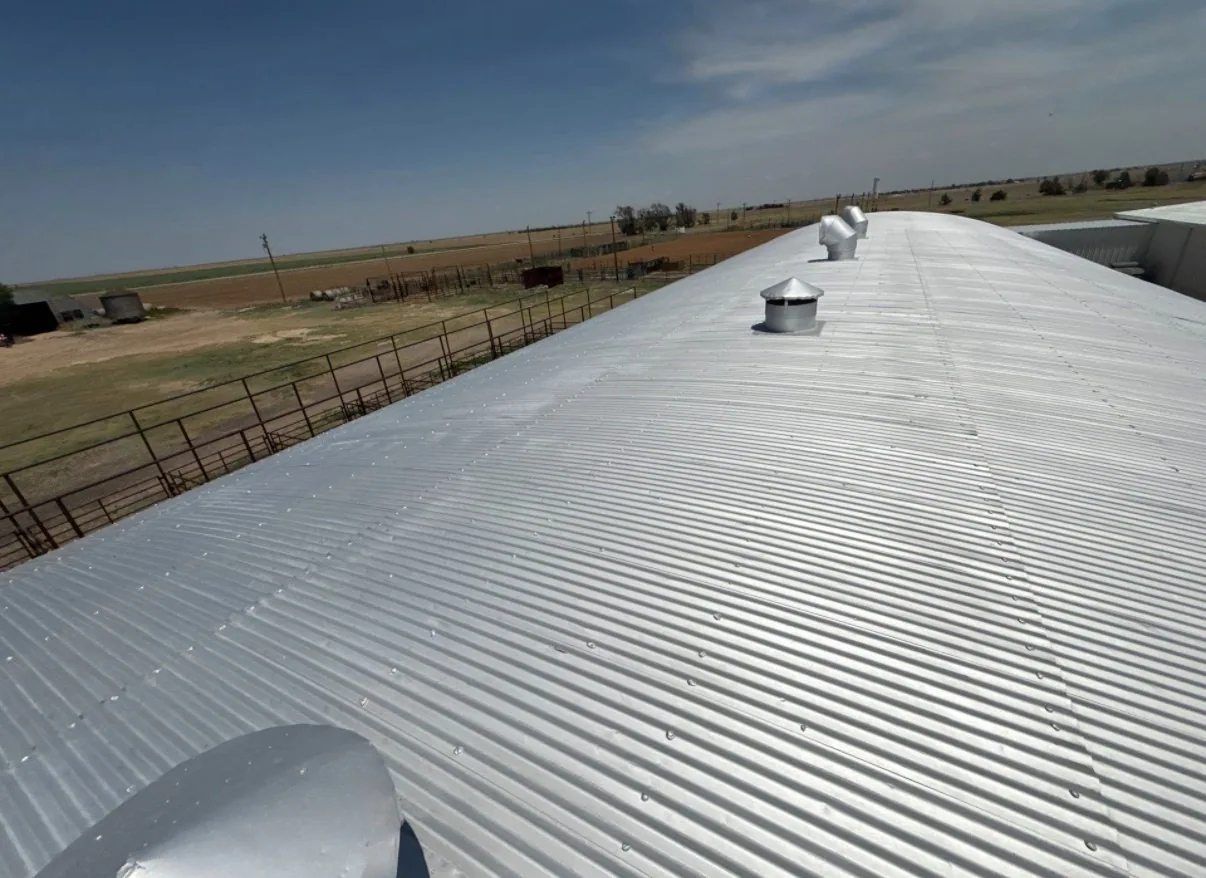
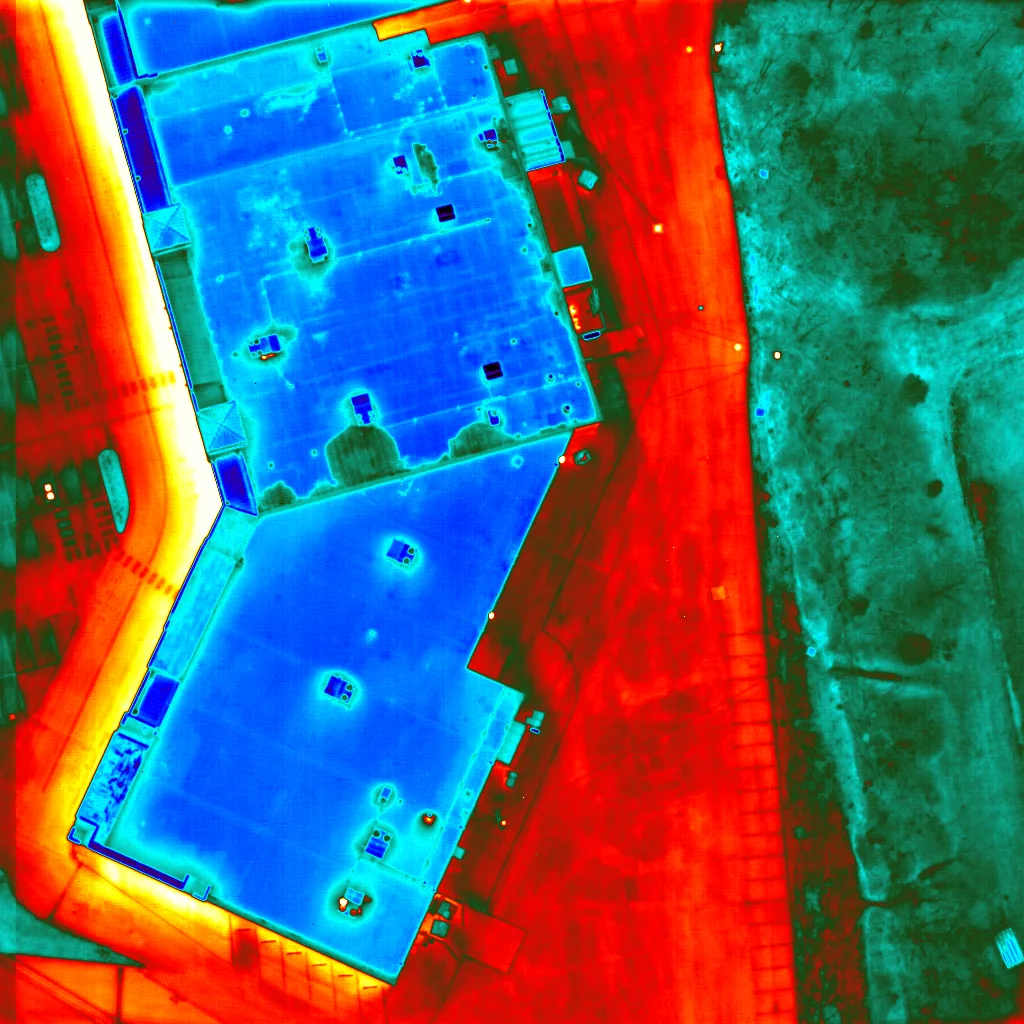
The roof decides. A metal system with sound panels and failed sealant may take a coating restoration. One with rust at the laps or a thin, tired panel may suit a metal roof retrofit over the existing frame. A low-slope hangar roof with wet insulation needs the layers tested; an infrared moisture survey maps the wet areas from above, and a few core cuts confirm them.
A replacement has to meet the code the city has adopted, which is the 2021 International Building Code and 2021 International Existing Building Code with Davenport's local amendments. Cost follows roof area, deck, height, curbs and vents, aircraft protection and available work hours. A military hangar adds access and schedule constraints.

Send the Work Order or Set a Walkthrough
Send us the work order, a photo of the wet floor or the address of the hangar. We will set a walkthrough with the airport manager or facility lead and come back with a plain recommendation.
Questions About Aircraft Hangar Roofing
There is an airplane under the leak and no room to tow it. What happens first?
Cover the airplane and keep the area clear. We go to the roof and find the opening, then dry it in with a temporary membrane so water stops falling while the airplane waits. Photographs of the wet area and the covered aircraft go to you the same day, which helps both the owner and the insurer.
How do you keep roofing debris away from the ramp and the taxiway?
We sweep the roof before and after each shift, magnet-sweep the ground and bag every scrap, screw and cut piece of membrane. Material stays in a contained staging area, and the crew follows a route the airport manager picks. Debris control is a daily checklist, not a final cleanup, and we welcome an airport inspector walking it.
The drip shows up only on cold mornings, with no rain. Is that a roof leak?
It may be condensation, which comes from warm air meeting cold metal. An infrared scan and a look at the insulation and vapor control tell the two apart. If the drip is condensation, a patch will not help, and the fix is insulation, sealing the air leaks and ventilation, which keeps the underside of the roof above the dew point.
Can a crane lift near the runway go ahead on a regular schedule?
Talk to the airport manager before you book it. Crane height and location near a runway can need review, and the airport sets the hours and the route. We bring the lift plan, with boom height and swing radius, to that conversation, and the roof schedule follows whatever the airport allows.
Do we have to empty the hangar before the roof is replaced?
Often only part of it. We work in sections so a bay can stay in use while a neighboring bay is open, and aircraft that stay get covered. Fuel, tools and loose parts below the work area move out of the drop zone. We plan the sequence with the facility lead, so the hangar floor loses as little as possible.

Talk to a Davenport Commercial Roofer
Send the work order, the building address or a few photos of what you are seeing. We will set a walkthrough, go up with whoever has the hatch key, and tell you plainly what the roof needs.