
Commercial Roofing in Carbon Cliff, IL
Commercial roof repair, retrofit and replacement in Carbon Cliff, IL for working buildings, with Quad Cities hail, derecho and freeze-thaw weather in mind.
The work order says second shift, and the bucket under the ceiling is already half full. A shop supervisor in Carbon Cliff, IL wants to know whether the roof can wait until the weekend. The answer depends on where the water is going, not on how big the stain looks.
Carbon Cliff grew up on coal mining, a fire brick and drain tile works founded in 1865, and a railroad that arrived in 1854. That is working-town history, and a commercial building there needs what any working building does: a dry roof and a plan. Repair, recovery, coating and replacement are all on the table for membrane and metal roofs alike, and the job begins with a commercial roof inspection so the first dollar goes to the actual cause.
What Fails on a Working Building
Each roof type fails in its own places, and the roof type is the first thing to learn once we are up there.
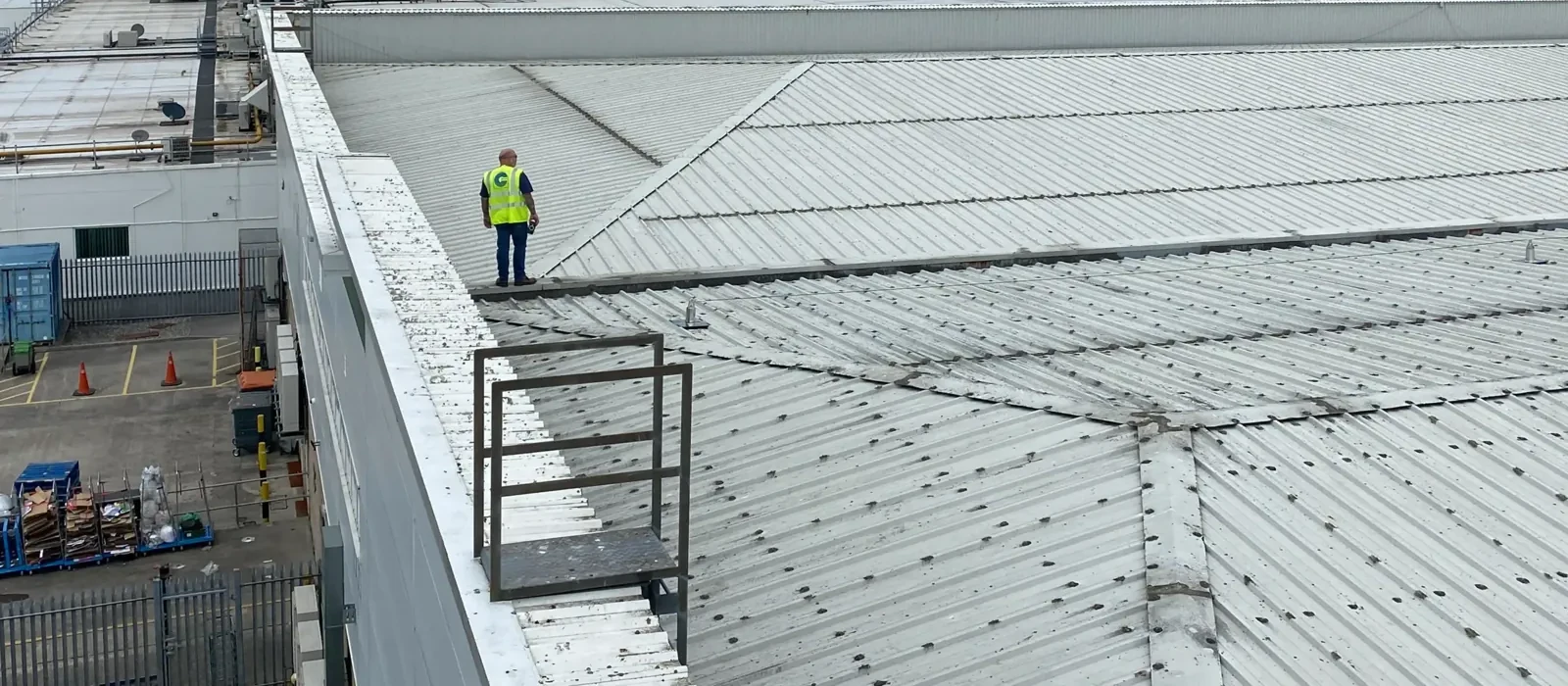
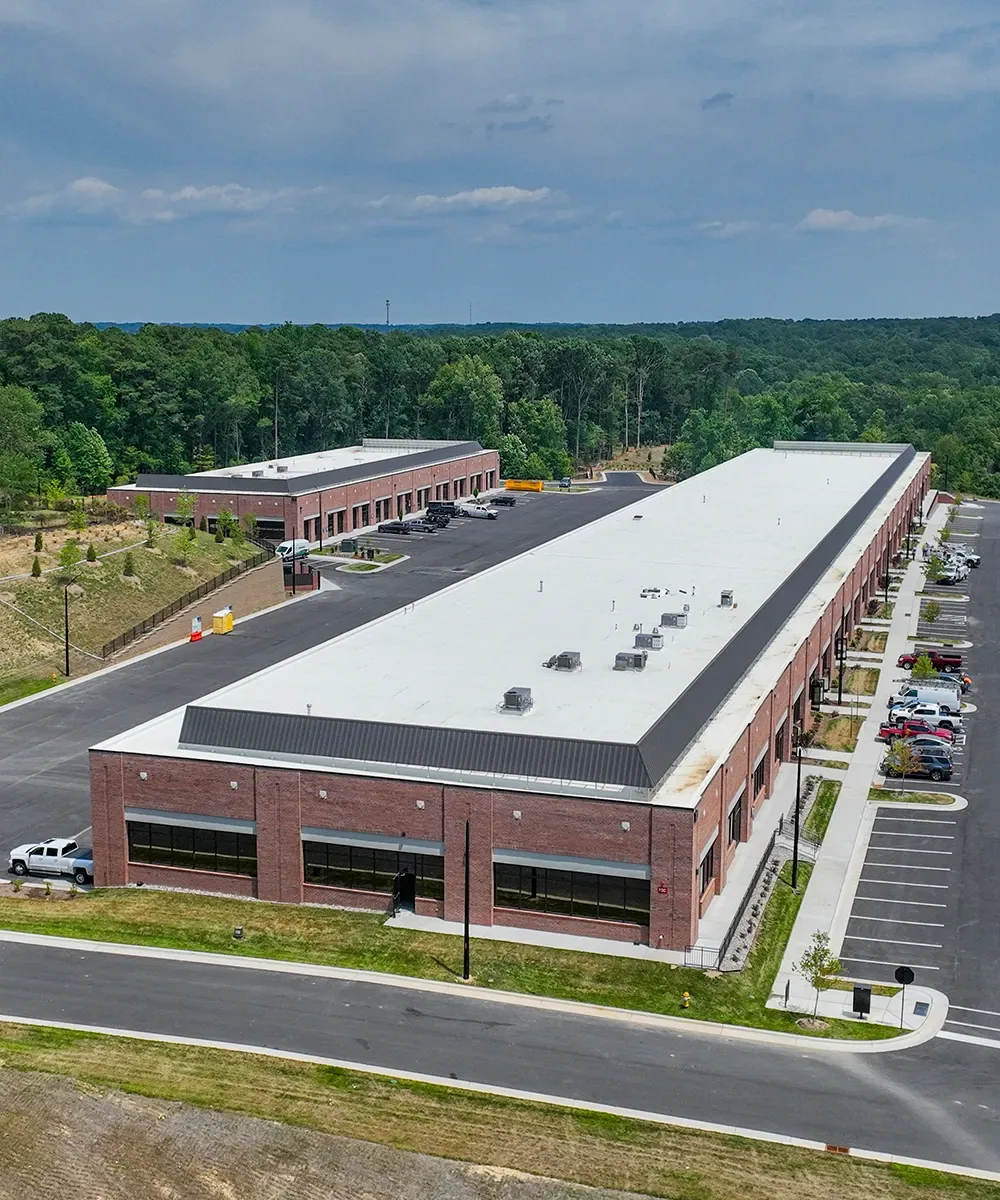
Metal panel roofs lose fasteners, and the rubber washers under them crack after enough summers. Low-slope membrane roofs open at seams and curbs. Older built-up roofs blister and alligator in the sun. Skylights and exhaust penetrations leak at the flashing long before the membrane gives up. The cheapest fix is the one made before wet insulation spreads, so we walk each of these details first. A building with loading doors and overhead equipment adds door-head flashing and more penetrations, the same exposures that come up on flex industrial roofing.
What the Davenport Hail Log Tells Us
Storm trackers count 133 hail reports in the ten miles around Davenport, IA since 2004. Two of the larger ones were 2 inch stones on April 7, 2020 and baseball-size 2.5 inch stones on April 4, 2023. Spring hail cells cross the Quad Cities without regard to a town line.
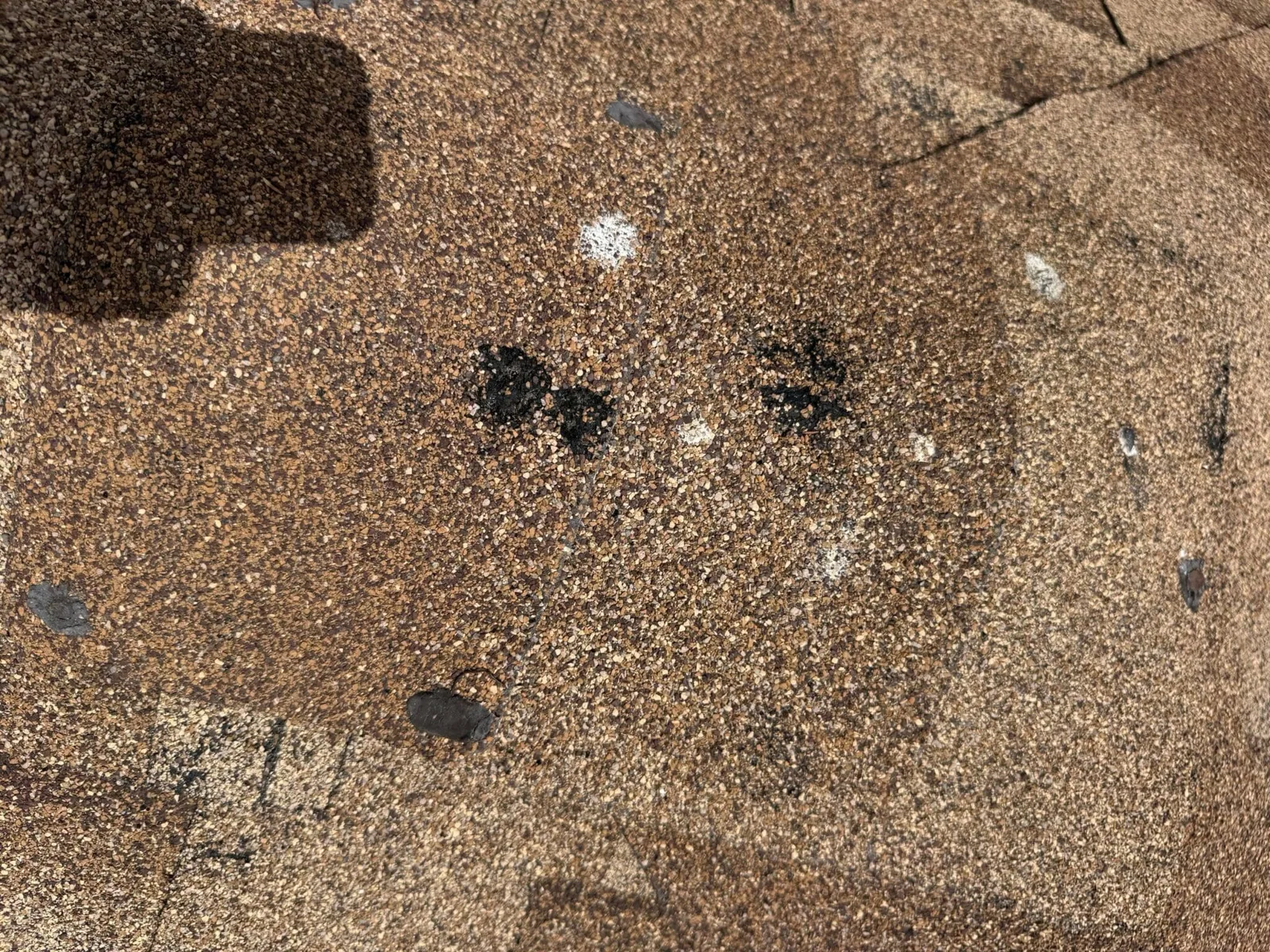
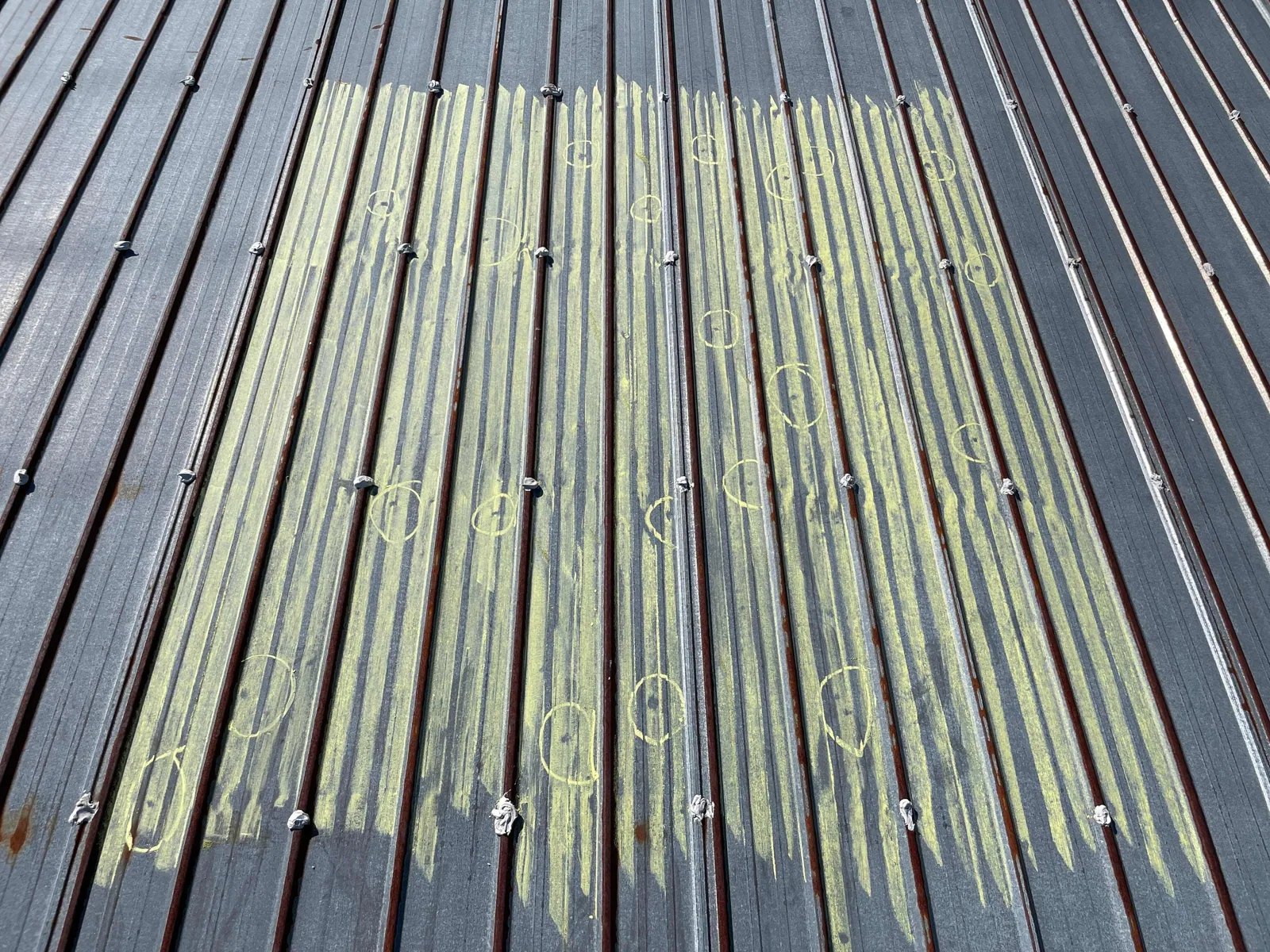
Hail does its damage quietly. It bruises a membrane, cracks a coating, dents metal and knocks granules off a cap sheet. The leak may not show for a season. Our hail damage roof repair work starts with a close look at the surface, photos with a chalk circle on each hit, and a written record you can hand to an adjuster. If a claim is in play, we also help with roof insurance claim assistance.
Parapets, Walls and Old Flashing
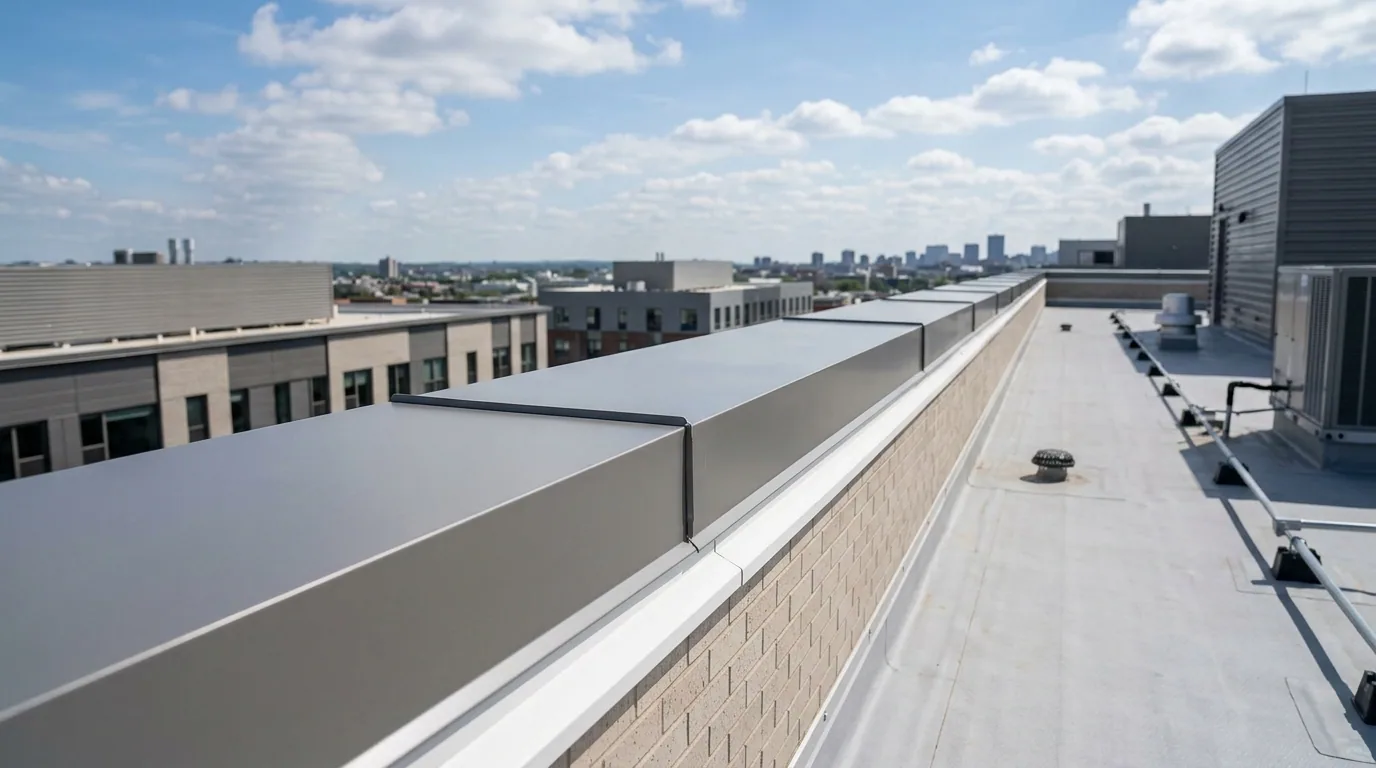
Where a building has masonry walls and parapets, the flashing and coping at the top of the wall is where we spend the most time. Mortar joints open, copings loosen, and water runs behind a base flashing that looks fine from the roof deck.
Freeze-thaw makes this worse. Davenport's record books run from 111 F down to -29 F, and a swing like that opens a joint a little more each winter. Expect us to tap copings, probe sealant lines and look at the wall below for efflorescence. A repair here is often a few days of work. Skipping it can mean an interior wall that stains for years.
Keeping the Floor Running
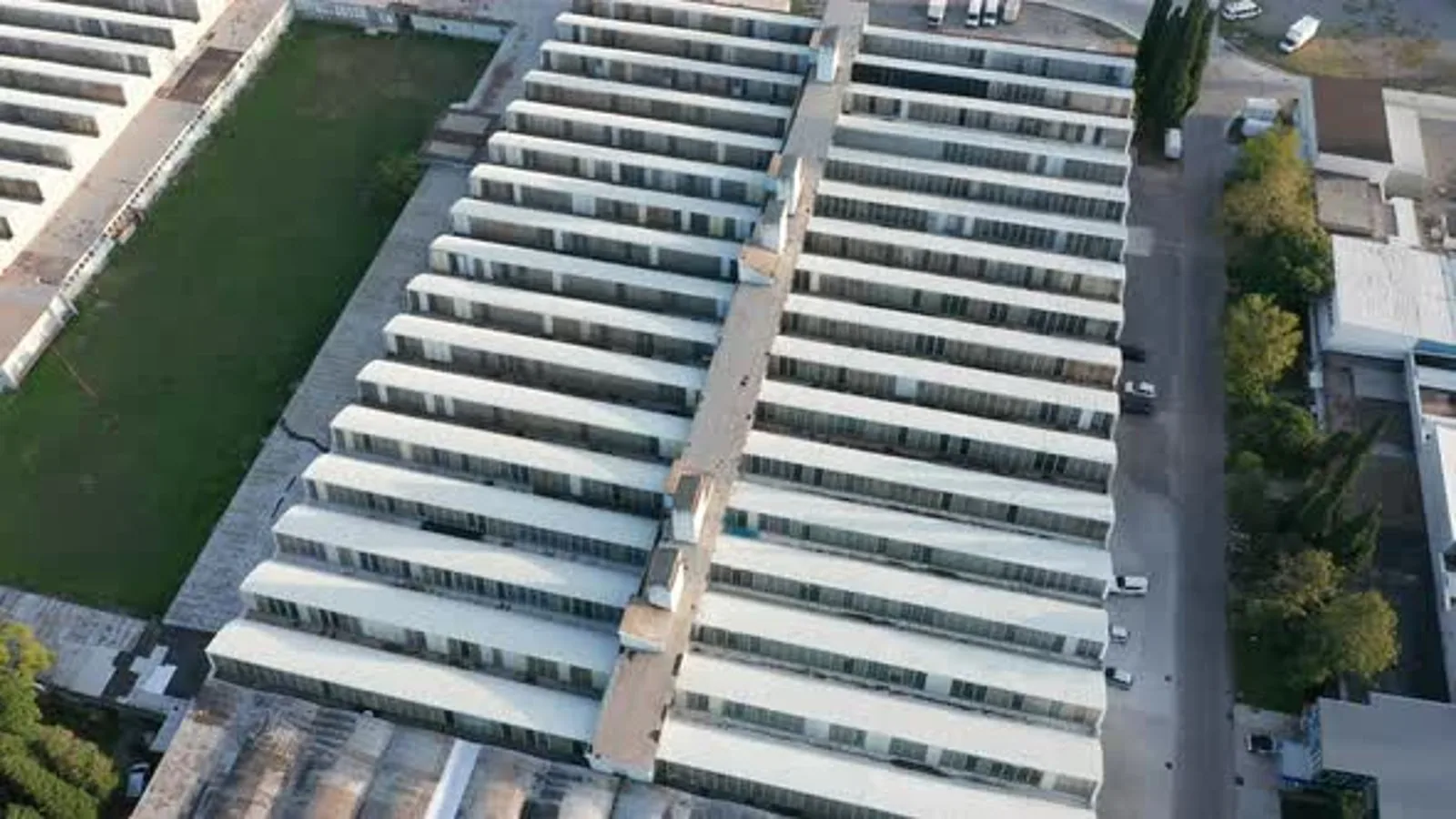
Manufacturing is the largest industry in the Quad Cities, with nearly 30,000 people working in it, and a cluster of metal fabricators sits inside that number. If you run a fabrication or production operation, you do not want a roof crew in the way of the press line or a hot work area. We ask for the production schedule at the first call, and we plan the loud work for the quiet hours.
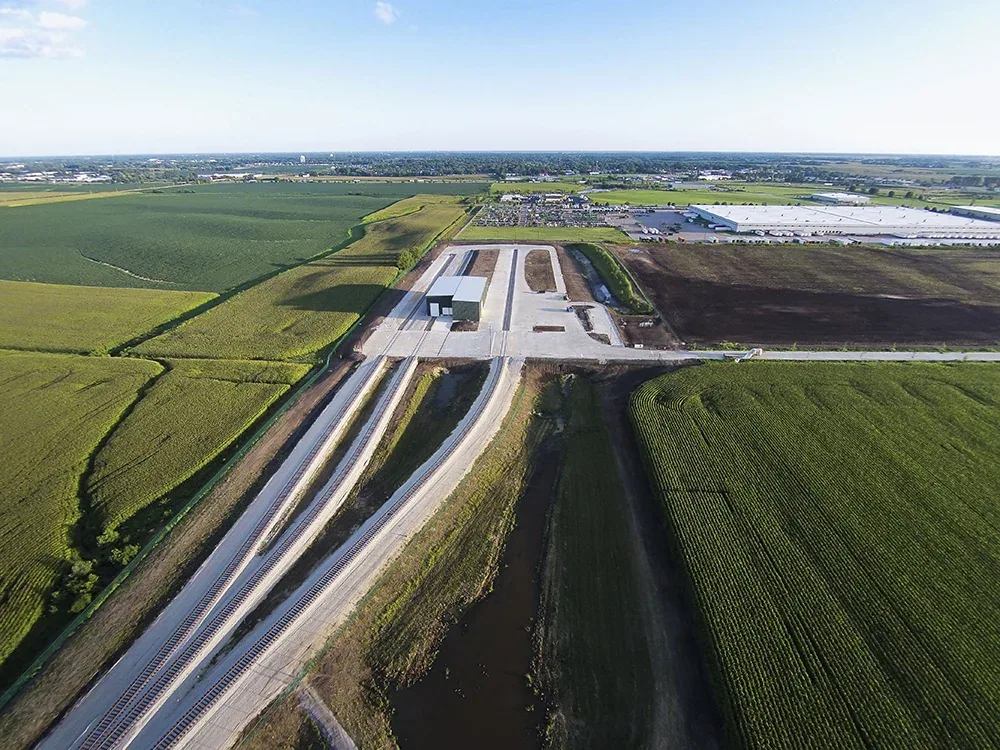
On a shift-based site, the handoff matters. The plant manager gets a daily summary of what was opened, what was dried in, and what stays covered overnight. Tarps and temporary patches go on at the end of each day, never left to the weather. Roof hatch access and ladder locations are agreed at the walkthrough. If equipment sits on the roof, we coordinate the shutdown with your maintenance lead so nobody is working next to a live unit. The same routine applies on a manufacturing plant roof of any size, from a small shop to the big low-slope plants in the Eastern Iowa Industrial Center on I-80.
Retrofit, Recover or Tear Off
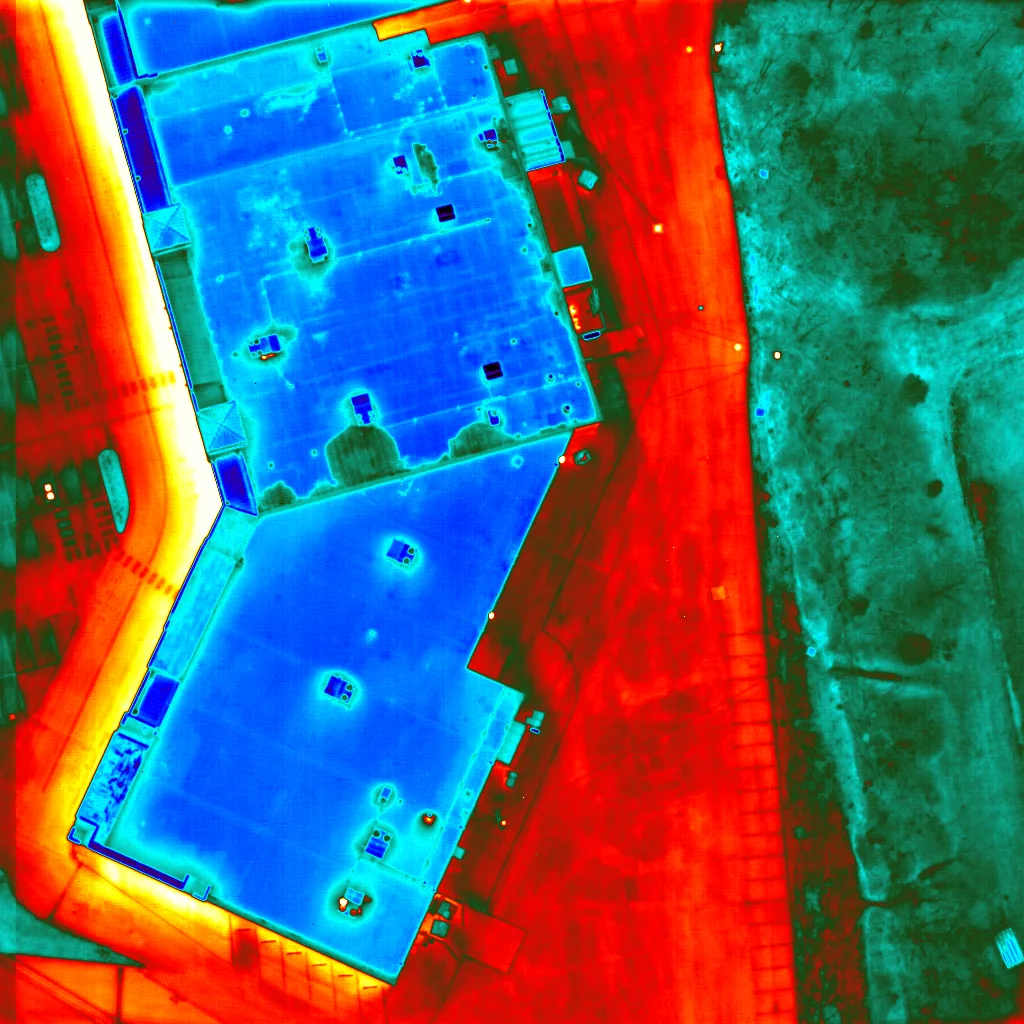
When a metal roof is tired but the structure is sound, a metal roof retrofit can add a new weathertight layer without stripping the old one, which keeps the shop dry through the whole job. For membrane roofs, the question is moisture. We run an infrared moisture survey to see how much of the insulation is wet before anyone commits to a recover or a tear-off.
Cost moves with the amount of wet material, the number of penetrations, the access to the roof and the weeks left before winter. A spring leak can be fixed in a few visits. An October replacement has to beat the first hard freeze. The scope we write names each item, so you can compare it to any other bid. The same freeze deadline applies to a roof in Moline or anywhere else in the metro.
On a Carbon Cliff commercial roof, equipment curbs and utility penetrations can create more maintenance points than the open field. We list each curb, identify the membrane termination and check whether service traffic has worn a path through the protection layer. A repair should restore the flashing without blocking access needed by mechanical crews. Where access is shared, the work order can specify who moves equipment, who protects the opening and which party signs off before the area returns to service.
Send the Work Order
Send the building address, the shift schedule and a photo of the stain or the bucket. We will set a walkthrough that fits the production floor, go up with your maintenance lead, and come back with photos and a plain recommendation.
Questions About Carbon Cliff
The leak is over the press line and we cannot shut down. Can you work around production?
We can, as long as we agree on the schedule first. Send us the shifts and the areas that cannot go quiet. We seal the opening from above, tarp it at the end of each day and keep material away from the active floor. For a deep failure, we stage the work in sections so the line keeps running underneath.
Our building is old enough that nobody has the original roof plans. Does that stop the job?
No. Cut a test core or pull back a flashing and the roof tells us its own makeup. We record the layers, the deck type and the insulation thickness, then add that to a written condition report you can keep. Plans are helpful but rarely needed, and the report becomes the file you wished you had.
A hailstorm passed through in April and we saw no leaks. Should we still have the roof looked at?
A look is cheap and the window to file a claim does not stay open forever. Hail bruises can sit unnoticed for a season and then leak after the first hard freeze. We photograph each impact, test suspect areas, and write the findings in a form an insurer can read. If the roof is sound, you have a clean record.
Should we repair the parapet flashing or replace the whole roof?
Repair it if the field of the roof is dry and the membrane is in good shape. Flashing and coping repairs are small compared to a replacement. If the field is wet or the membrane is brittle, patching flashing only delays the bigger job. We check both and tell you which side of that line the roof sits on.
What does a first-year maintenance visit actually cover on a small shop roof?
Drains cleared, seams and sealants checked, fasteners tightened on metal, penetrations inspected and loose debris removed. We photograph the roof before and after, then write down anything that needs follow-up with a priority. It takes a short visit and costs a fraction of what a leak costs, and the report builds a history you can use at renewal or sale.
Talk to a Davenport Commercial Roofer
Send the work order, the building address or a few photos of what you are seeing. We will set a walkthrough, go up with whoever has the hatch key, and tell you plainly what the roof needs.